
2016 Ford Commercial Trucks For Sale in North Carolina
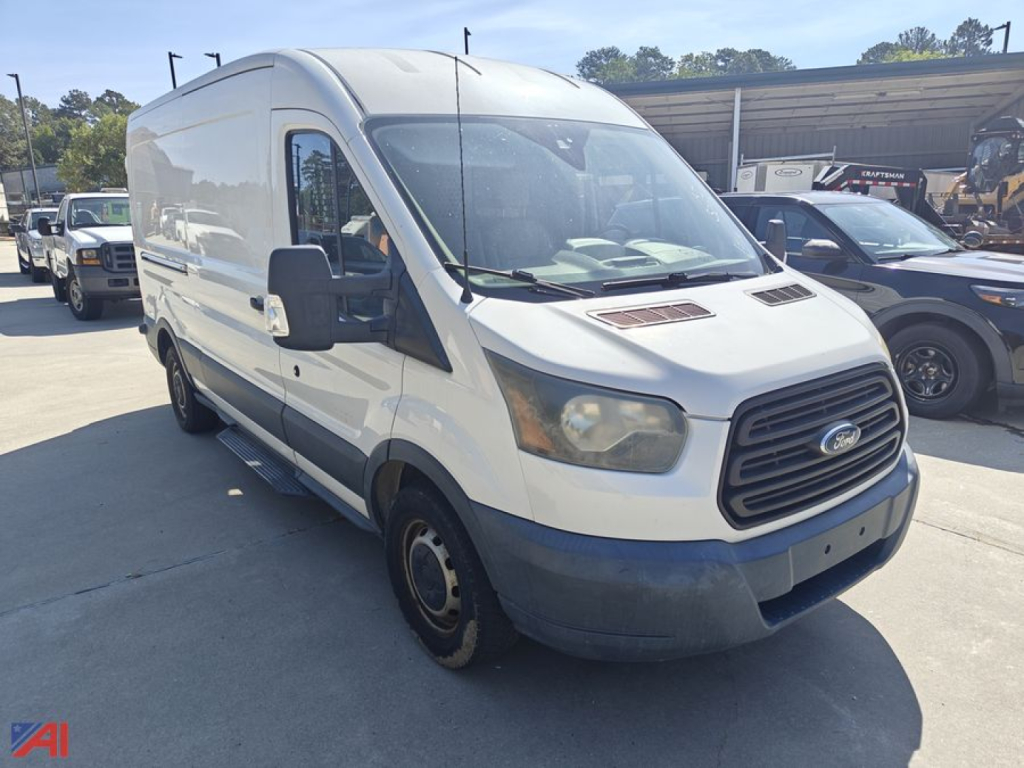
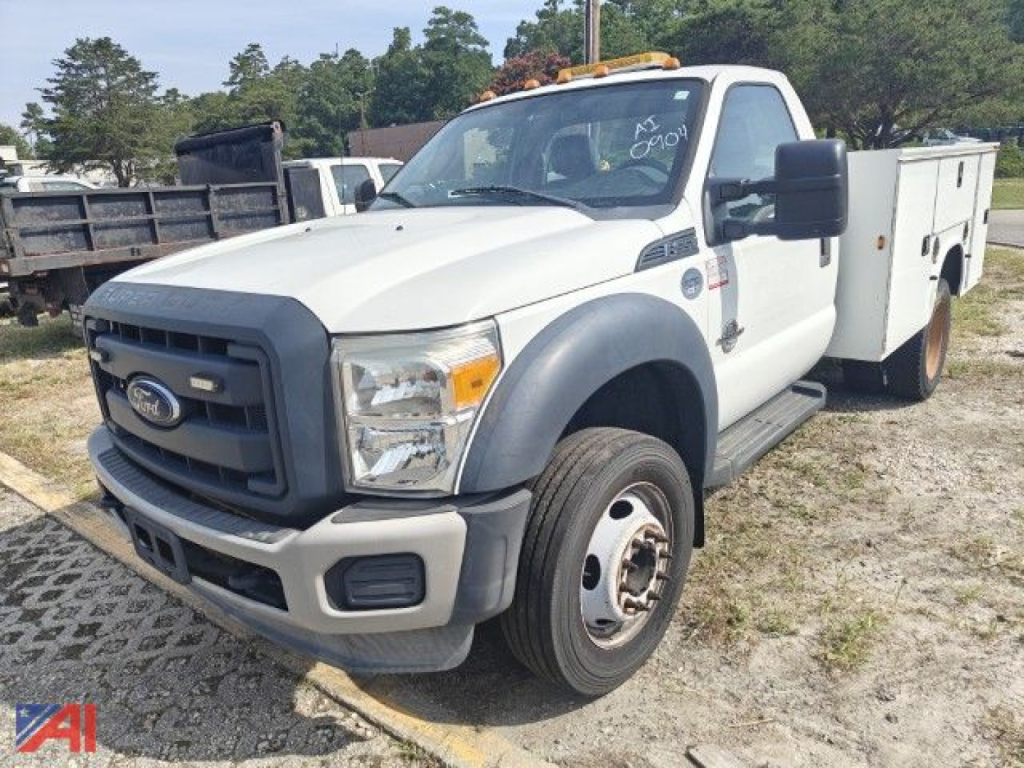
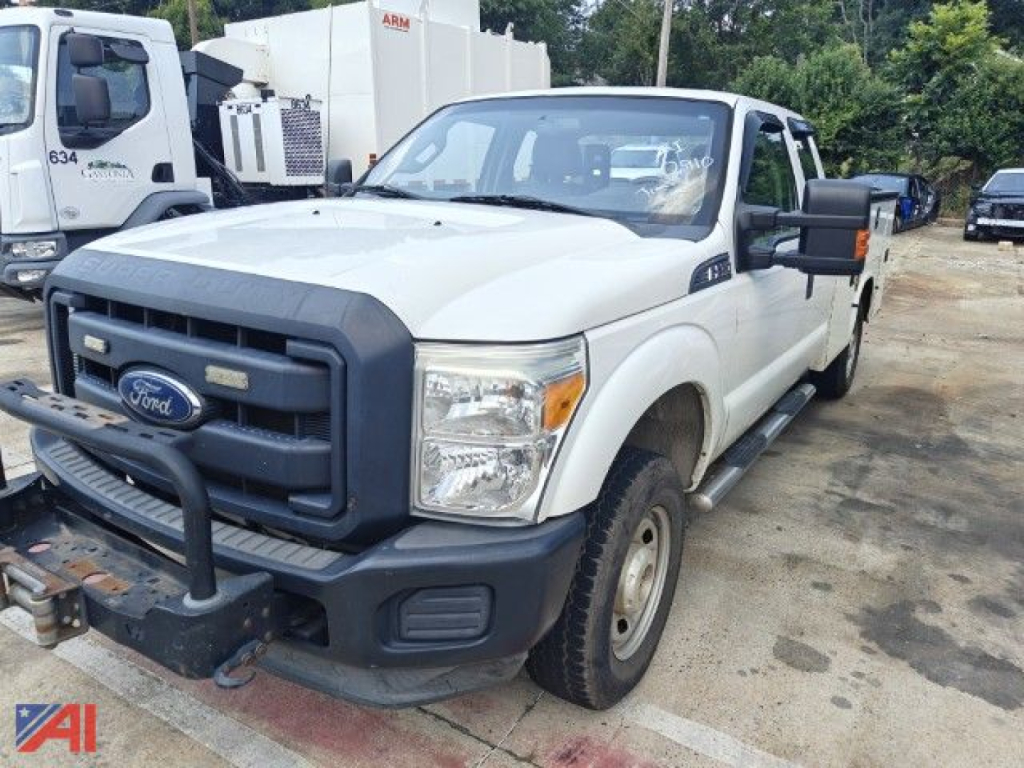
Have 2016 ford commercial truck to sell? List it here to reach thousands of buyers.
2016 Ford Commercial Trucks in North Carolina
On 2016 Ford pickups, cab style, bed length, drivetrain, and axle ratio have a bigger effect on usability than many buyers expect. Regular cab trucks tend to maximize bed space and keep wheelbase manageable, while SuperCab and crew cab configurations add passenger and tool storage room for field crews. Two-wheel drive models can be a cost-effective fit for paved-road use, but 4x4 trucks are common in construction, utility, and rural service work where traction matters. On the powertrain side, 2016 Ford trucks may be equipped with gas or diesel engines depending on series, with Super Duty buyers often focusing on tow ratings, GVWR, rear suspension condition, and signs of hard trailer use. If the truck is a chassis cab or utility-body setup, pay close attention to body condition, compartment layout, PTO capability, and any upfit electrical work.
A 2016 model year Ford truck also sits in a practical spot for buyers who want newer features without stepping into late-model pricing. Depending on configuration, these trucks may include integrated trailer brake controllers, backup cameras, sync and telematics features, towing mirrors, factory brake packages, and higher-capacity alternators for work applications. On used commercial units, condition still outweighs trim level. Service history, idle hours if available, transmission behavior under load, front-end wear, tire condition, rust around cab corners or underbody components, and the state of the bed or service body all deserve a close look. Fleet-maintained municipal or contractor trucks can be strong values if the maintenance records support the mileage and operating hours.
For buyers narrowing down 2016 Ford trucks for sale in North Carolina, it helps to match the truck to the work before comparing cosmetic details. An F-150 may be the more efficient choice for light cargo and mixed personal-commercial use, while an F-250 or F-350 is typically the better tool for equipment trailers, material loads, and mounted utility bodies. If the truck will spend most of its time towing, look closely at hitch setup, brake controller function, receiver or gooseneck prep, and any evidence of suspension squat or frame stress. If it will serve as a field-service or municipal unit, prioritize body integrity, electrical accessories, and how well the truck’s axle, suspension, and cab configuration support the job.
Frequently Asked Questions about 2016 Ford Commercial Trucks in North Carolina
What types of 2016 Ford trucks are most common on the used market?
The most common 2016 Ford trucks on the used market are F-150 light-duty pickups, F-250 and F-350 Super Duty pickups, and chassis cab trucks outfitted with utility bodies, flatbeds, or other vocational equipment. The right choice depends on payload, towing, cab space, and whether the truck will stay in pickup form or support a work-body application.
Is a 2016 Ford F-150 or a 2016 Ford Super Duty better for work use?
A 2016 Ford F-150 is usually the better fit for lighter-duty work, frequent driving, and lower operating costs. A 2016 Ford Super Duty, such as an F-250 or F-350, is generally better for heavier trailers, higher payload demands, service bodies, and more severe-duty commercial applications. Buyers should compare actual GVWR, axle ratings, and hitch setup rather than relying only on model name.
What should I inspect first on a used 2016 Ford work truck?
Start with the truck’s intended job-related components. Check the frame, suspension, tires, brakes, transmission operation, and evidence of towing or overload wear. On utility and service-body trucks, inspect compartment doors, latch condition, wiring quality, lighting, rust, and any PTO or auxiliary equipment. Maintenance records and signs of consistent fleet servicing are often as important as mileage.
Are 4x4 2016 Ford trucks worth the extra cost in North Carolina?
For many North Carolina buyers, a 4x4 2016 Ford truck is worth the premium if the truck will see construction sites, farms, utility easements, or unpaved access roads. A 2wd truck can still be a solid value for highway, municipal, or delivery use on improved surfaces. The best choice comes down to traction needs, payload demands, and total operating cost.
Why do cab style and bed length matter on a 2016 Ford truck?
Cab style and bed length directly affect crew capacity, storage, turning radius, and how the truck performs with trailers or mounted equipment. A regular cab can offer more usable bed-to-wheelbase efficiency, while extended and crew cab trucks improve passenger space and secure interior storage. Bed length also matters for toolboxes, pallet loading, and overall maneuverability in tighter work environments.