
2016 Ford Commercial Trucks For Sale in Massachusetts

Have 2016 ford commercial truck to sell? List it here to reach thousands of buyers.
2016 Ford Commercial Trucks in Massachusetts
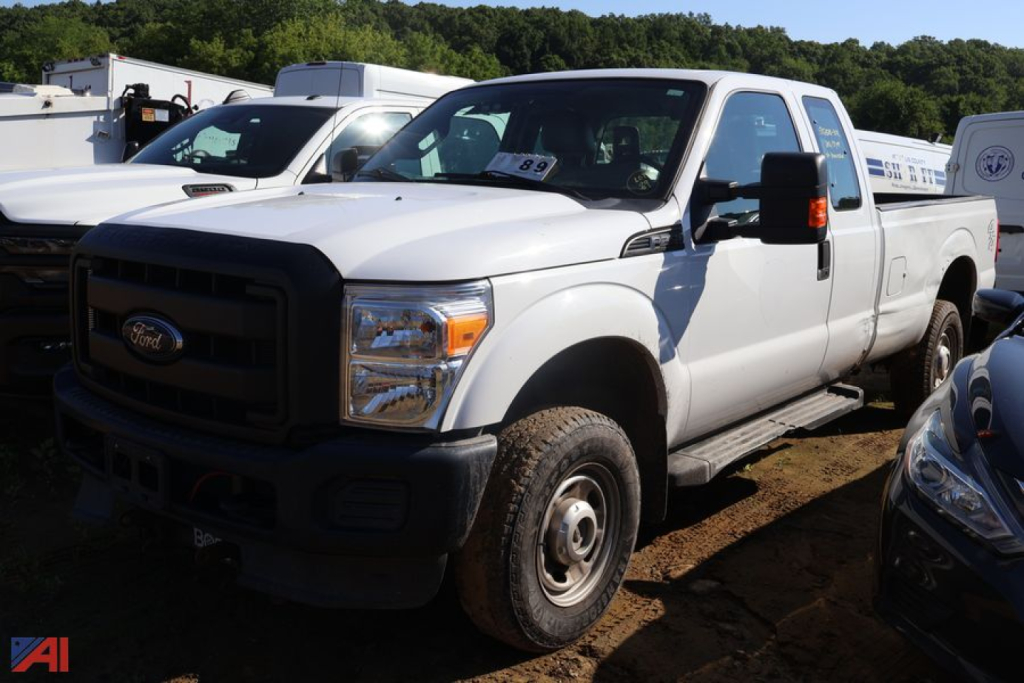
On 2016 Ford pickups, engine choice is one of the first filters. The F-150 was commonly equipped with gas engines including the 3.5L EcoBoost, 2.7L EcoBoost, 5.0L V8, and naturally aspirated 3.5L V6, depending on trim and build. Super Duty trucks in this year were often powered by the 6.2L gas V8 or the 6.7L Power Stroke diesel. Gas trucks tend to be simpler and make sense for municipal fleets, local contractors, and lower annual mileage. The diesel is the stronger fit for heavier towing, sustained payload work, and body applications that keep the truck near capacity. Buyers should also confirm 4x2 versus 4x4, wheelbase, cab-to-axle dimension on chassis cabs, trailer brake controller, and gearing, since those details directly affect how useful the truck will be once it is put to work.
A used 2016 Ford truck in Massachusetts should be evaluated with rust exposure in mind. Frame condition, cab corners, rocker panels, brake lines, spring hangers, bed supports, and the underside of any utility or dump body deserve close inspection, especially on units that may have seen winter road salt or plow duty. On Super Duty and chassis cab trucks, check front end wear, steering components, transmission operation under load, PTO engagement if equipped, and signs of overloading around suspension and body mounts. On pickup models, look at hitch wear, tailgate and bed floor condition, and any evidence of hard commercial towing. Fleet-maintained trucks can be strong values if service records show regular oil changes, cooling system work, brake service, and emissions-related maintenance where applicable.
Ford remains a practical choice in this year because parts support is broad, upfit compatibility is strong, and many technicians already know the platforms well. A 2016 Ford truck can fit owner-operators, contractors, municipalities, campuses, and service fleets, but the best buy is the one whose original configuration matches the intended use. A clean half-ton pickup is very different from a one-ton cab and chassis with a dump body, even if both carry the same model year and make. Buyers who focus on GVWR, engine, axle setup, drivetrain, body condition, and maintenance history usually end up with a truck that costs less to own over time.
Frequently Asked Questions about 2016 Ford Commercial Trucks in Massachusetts
What are the most common 2016 Ford truck models used for commercial work?
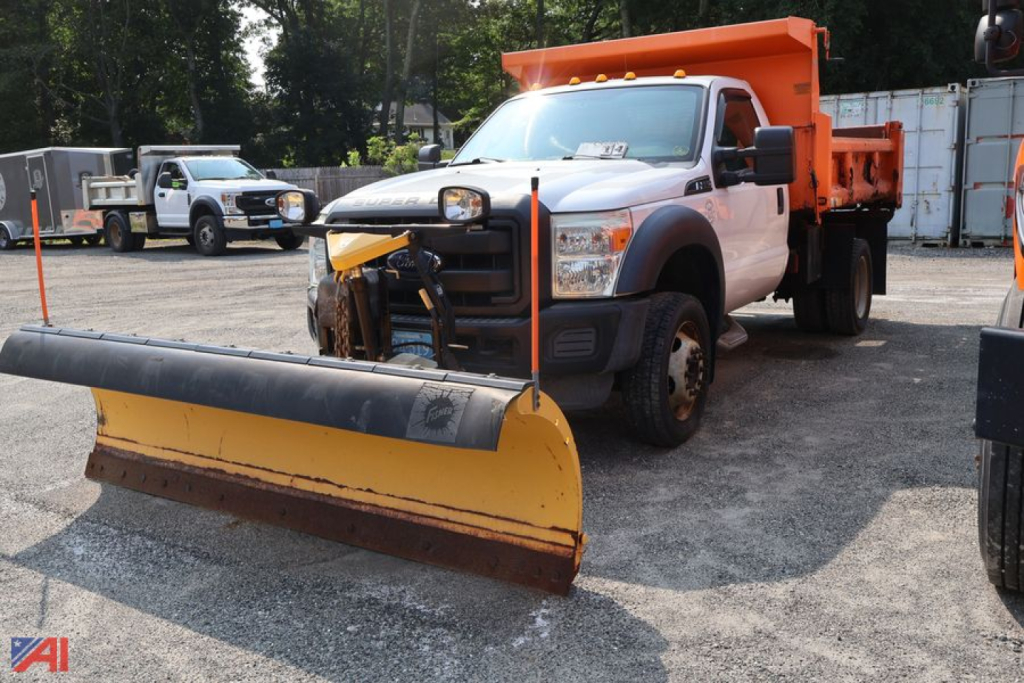
The most common 2016 Ford trucks in commercial service are the F-150, F-250 Super Duty, F-350 Super Duty, and heavier F-450 or F-550 chassis cab models. The F-150 is typically used for light-duty pickup work, inspections, and general contractor use. F-250 and F-350 trucks are more common where towing, payload, or equipment transport is part of the job. F-450 and F-550 models are often used as cab and chassis platforms for dump bodies, utility bodies, flatbeds, wreckers, and other vocational upfits.
Is a 2016 Ford gas truck or diesel truck the better choice?
The better choice depends on how the truck will be used. A gas-powered 2016 Ford is usually the better fit for shorter routes, lower annual mileage, and fleets that want lower purchase cost and simpler maintenance. A diesel-powered 2016 Ford Super Duty is generally the stronger option for heavier towing, higher mileage, and applications where the truck works at or near capacity for long periods. Buyers should compare purchase price, expected load, idle time, fuel economy, and maintenance history before deciding.
What should buyers inspect first on a 2016 Ford truck in Massachusetts?
In Massachusetts, rust and corrosion should be near the top of the inspection list. Buyers should examine the frame, crossmembers, brake and fuel lines, suspension mounts, rocker panels, cab corners, and the underside of any commercial body or bed. Trucks that have handled snow, salt, plow duty, or municipal work often show wear underneath long before the cab interior tells the story. After rust, the next priorities are drivetrain condition, front suspension wear, transmission performance, tire condition, and any signs of heavy towing or overloading.
What specs matter most when buying a 2016 Ford truck for work?
The most important specs are GVWR, payload capacity, towing capacity, engine, drivetrain, axle ratio, wheelbase, and cab configuration. For chassis cab trucks, cab-to-axle length is critical because it determines body fitment. For pickups, bed length, 4x4 availability, and trailer equipment often matter most. Buyers should also verify whether the truck has the right hitch setup, brake controller, PTO provisions, and rear axle rating for the intended application.
Are 2016 Ford trucks a good fit for upfitting?
Yes. 2016 Ford trucks, especially Super Duty chassis cab models, are commonly used for upfits such as dump bodies, utility bodies, service bodies, flatbeds, crane bodies, and municipal equipment packages. Ford platforms are widely supported by body manufacturers and equipment installers, which helps with parts, mounting, and serviceability. The key is to confirm that the truck's wheelbase, cab-to-axle measurement, axle ratings, and PTO or electrical provisions match the body and equipment you plan to run.