
2007 Ford Commercial Trucks For Sale
Guide to 2007 Ford commercial trucks, from Super Duty to F-750, with tips on floor strength, insulation, tare weight, corrosion, powertrains, and brakes.
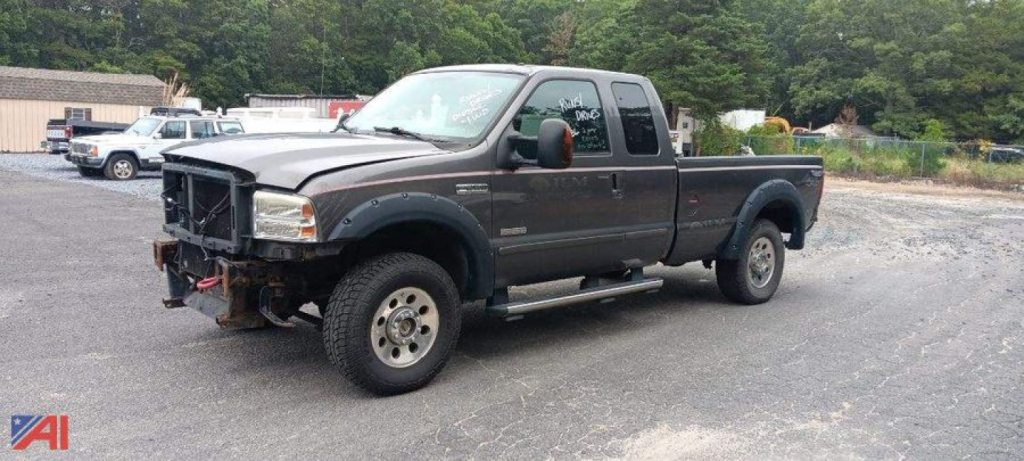
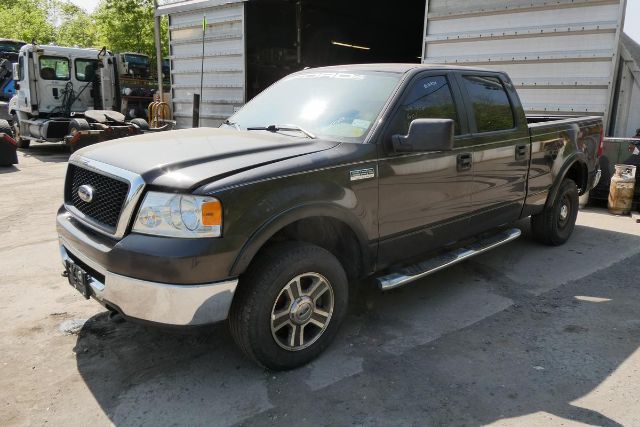
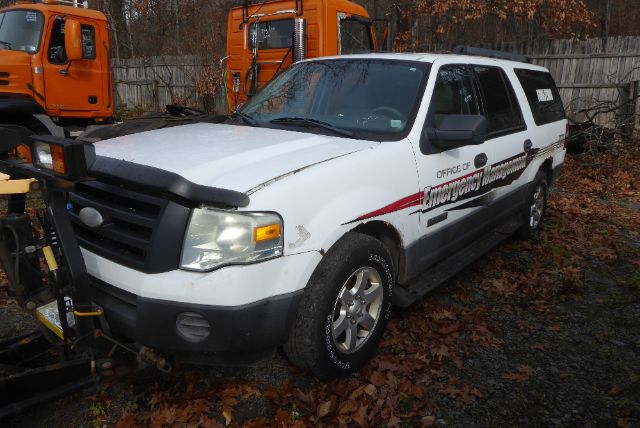
Have 2007 ford commercial truck to sell? List it here to reach thousands of buyers.
2007 Ford Commercial Trucks
For dry van, service body, or stake builds, floor strength and interior protection drive uptime. Aluminum sheet and post bodies trim tare weight, FRP sidewalls absorb dock rash but add mass. Look for hardwood or laminated oak floors in the 1 to 1.38 inch range, crossmembers on 12 inch centers or tighter, and threshold plates that spread forklift axle loads. Confirm any rear frame reinforcement and forklift rating, 4k to 6k is typical for this class, and add scuff liners at 12 to 24 inches plus logistics posts or E track to protect walls and secure cargo. On flatbeds and dumps, check deck thickness, stake pocket integrity, hoist capacity, and subframe tie in to the chassis rails.
Reefer bodies depend on insulation and airflow, thermal integrity is driven by wall thickness and seals. Seek walls in the 2.5 to 3 inch range, roof 3 to 4 inches, an insulated swing or roll up door with tight gaskets, and an aluminum T floor that promotes return air under pallets. Verify the unit pulls down and holds setpoint at idle and under load, inspect drains and door seals for air leaks, and review service logs for compressor, alternator, and controller updates. Stainless rear frames, galvanized or aluminum crossmembers, sealed harnesses, and composite or stainless hinges improve long term corrosion resistance.
Tare weight and corrosion resistance vary by spec and region. Aluminum bodies, aluminum wheels, and 19.5 inch wheel packages reduce tare and raise payload, steel platforms, heavy liftgates, and larger fuel tanks add durability and range but increase curb weight. Inspect Ford chassis rails for rust at spring hangers, cab mounts, rear extensions, and body subframes, check liftgate mounts, brake lines, and fuel tank straps. 2007 emissions brought EGR and, on many medium duties, a DPF, some units carry late 2006 engines without a DPF, verify engine family, serial number, and aftertreatment status. Review records for EGR cooler work, injector health, and DPF service, then confirm gearing, for example 5.13 to 6.17 for dense city routes or 4.30 to 4.88 for mixed duty, to balance startability and cruise rpm.
Frequently Asked Questions about 2007 Ford Commercial Trucks
Which engines are common in 2007 Ford F-650 and F-750, and what should I check before buying?
Most 2007 F-650 and F-750 trucks run Cummins ISB or Caterpillar C7 with Allison 3000 or 3500 series automatics or Eaton manuals. 2007 emissions introduced EGR and often a DPF, though some 2007 chassis carry 2006 spec engines without a DPF. Verify the engine family and serial number, review oil analysis if available, check injector performance, turbo response, cooling system condition, and confirm aftertreatment history including regen behavior and DPF cleaning or replacement intervals.
How do I evaluate floor strength in a 2007 Ford box truck for forklift loading?
Start with floor material and thickness, hardwood or laminated oak around 1 to 1.38 inches is standard, then check crossmember spacing, 12 inch centers or tighter carry concentrated axle loads better. Inspect the rear threshold plate and rear frame reinforcement for deflection or cracking, confirm the forklift rating on the body tag, and look for scuff liners and logistics posts to protect walls from pallet impact. Uneven boards, popped fasteners, and soft spots at the door opening indicate reduced load capacity.
What factors have the biggest impact on tare weight and payload on these trucks?
Body material, wheelbase, axle ratings, transmission choice, and bolt ons dictate tare. Aluminum sheet and post or aluminum flatbeds save weight compared to FRP or steel, shorter wheelbases and 19.5 inch wheel packages reduce mass, while liftgates, rail gates, larger fuel tanks, toolboxes, and reefer units add several hundred pounds each. Weigh the truck as configured, then compare to the door label GVWR and axle ratings to verify legal payload and weight distribution.
How can I assess corrosion risk and improve corrosion resistance on a 2007 Ford truck?
Inspect frame rails, spring hangers, cab mounts, battery boxes, brake and fuel lines, rear frame extensions, and body subframes for scaling or perforation. Check under liftgate mounts and around rear door frames where road spray accumulates. Specifications that help include aluminum or galvanized body crossmembers, stainless rear frames and hardware, sealed wiring harnesses, composite fenders, and aluminum wheels. Fresh fluid lines, proper drain paths, and periodic undercarriage washing extend service life in salted regions.
What should I know about 2007 emissions systems on Ford medium duty trucks?
Expect EGR across the board and, on many medium duties, a DPF that requires active or passive regeneration. Confirm the truck performs consistent regens, review DPF cleaning or replacement records, and check sensor health and backpressure readings. Some 2007 chassis were built with pre DPF engines, verify by engine family label and ECM calibration. Stable cooling system performance and correct thermostat operation are critical for EGR and regen reliability, especially on short cycle routes.