
1995 Ford Trucks For Sale
Find 1995 Ford trucks, from F-800 to L-Series and Aeromax. Compare engines, tare weight, floor strength, thermal integrity and corrosion before you buy.
Learn more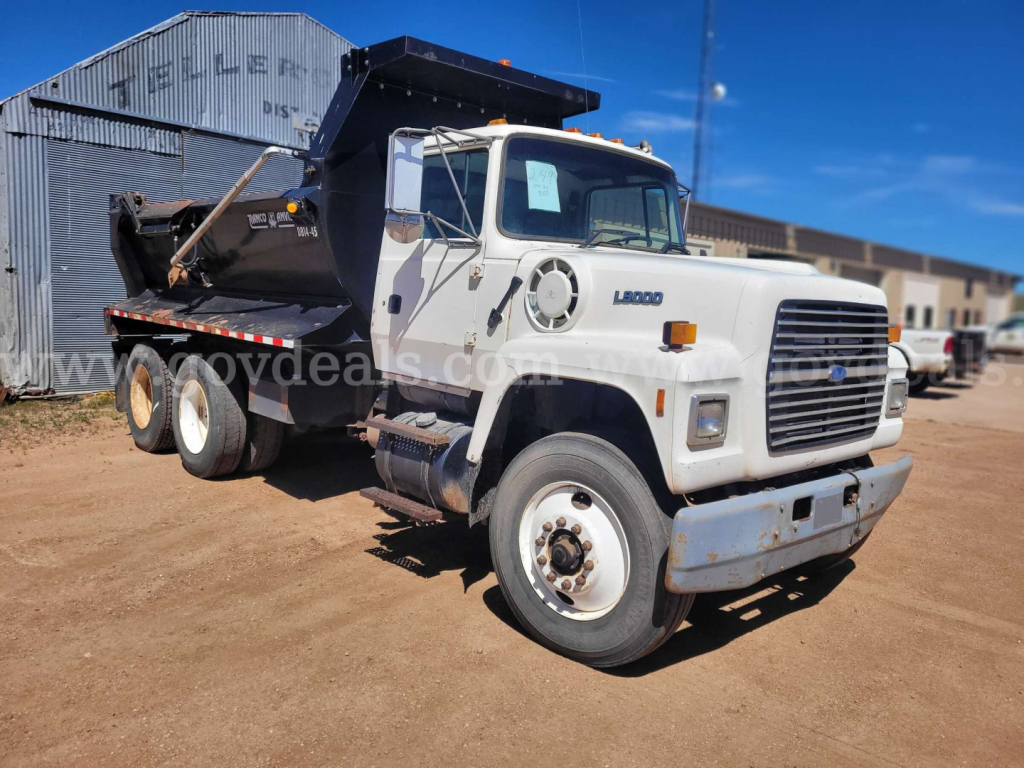

Have 1995 ford truck to sell? List it here to reach thousands of buyers.
About 1995 Ford Trucks
Tare weight varies widely by wheelbase, body, suspension and axle set. An F-800 day cab on steel springs with a 24 foot dry van body often scales near 15,500 to 17,500 pounds, while an Aeromax tandem tractor with sleeper and a big bore can run 18,000 to 20,000 pounds. Lower tare raises legal payload, but durability and braking capacity must keep pace. Review axle ratings and suspension details closely; 10,000 to 12,000 pound steer axles and 19,000 to 23,000 pound single drives or 40,000 pound tandems are common. Air ride improves ride and freight protection, adds weight and some maintenance; steel multi leaf springs save weight and cost, ride is firmer. Aluminum wheels and fuel tanks can cut several hundred pounds.
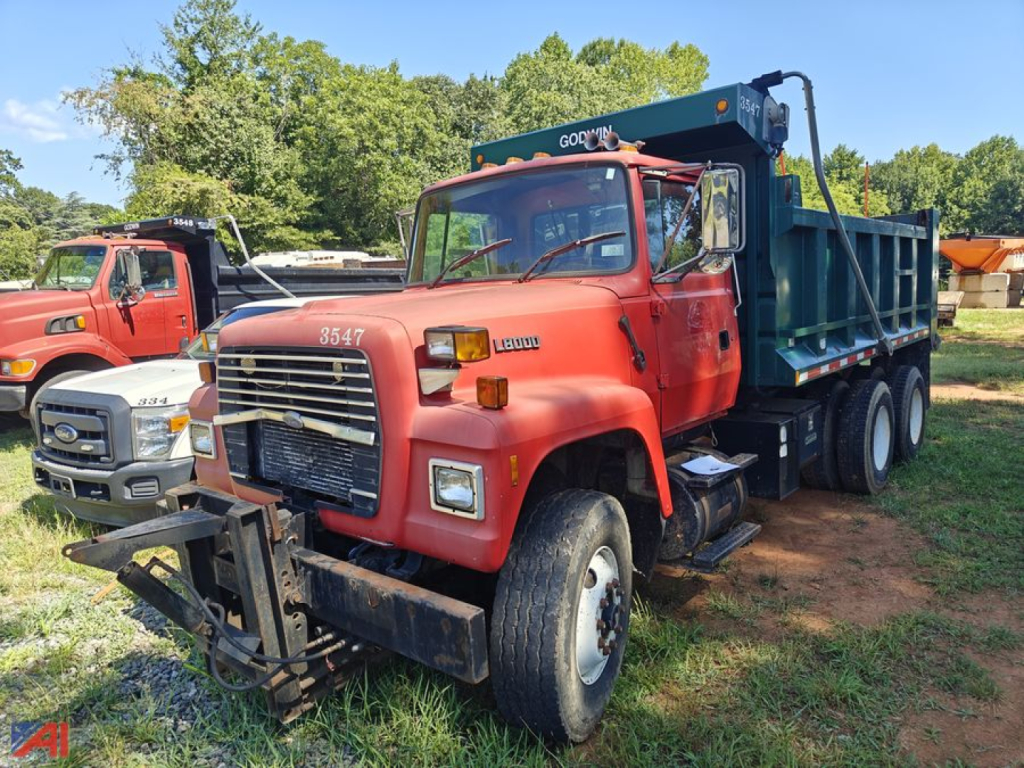
Floor strength and thermal integrity depend on the installed body. On box trucks, look for hardwood or laminated oak floors 1.12 to 1.5 inch thick with 12 inch crossmember spacing if you need forklift service, plus 6 to 12 inch scuff liners to prevent wall damage. Confirm fasteners are tight, sills are straight and rear threshold plates are not crushed. Flatbeds should have straight main sills, sound deck planks or plate, tight stake pockets and square headboard alignment. Dump bodies benefit from abrasion resistant steel like AR400, minimal floor bowing and solid cross sills. Refrigerated boxes from 1995 can still perform if the foam insulation remains dry; check for R value loss, door seal compression set, hinge alignment, drain integrity and corrosion along aluminum rivet lines to maintain thermal integrity.
Corrosion resistance comes down to climate and care. Steel cabs and frames can rust at cab mounts, rocker panels, door bottoms, spring hangers, fuel tank straps and battery boxes; scale under paint often hides pitting, so probe suspect areas. Aluminum components like tanks and van skins resist red rust but can develop galvanic corrosion where they meet steel; look for white powder and loose fasteners. Cooling systems use large copper brass or aluminum radiators, verify clean cores, correct fan clutch operation and good coolant chemistry to avoid heat soak. Brakes may be full air with S cams or hydraulic with vacuum or hydroboost; inspect for air leaks, lining thickness, drum or rotor condition and early ABS function. Parts support is strong for Ford chassis items and common Cummins, Cat, Detroit and Allison components, but confirm availability of cab trim and body specific pieces before committing.
Frequently Asked Questions
Which engines and transmissions are common on 1995 Ford medium and heavy duty trucks?
Medium duty models often run Cummins 5.9 B and C8.3 or Caterpillar 3116 paired with Fuller 5 to 10 speed manuals, Spicer manuals or Allison MD automatics. Heavy tractors can carry Cat 3406, Cummins N14 or Detroit Series 60 with Fuller Roadranger 9, 10 or 13 speed gearboxes or Allison HD automatics. Some lighter GVWR units use the 7.3 Power Stroke with manual or 4 speed automatic options.
How should I evaluate tare weight and payload on a 1995 Ford truck?
Start with the door tag GVWR and axle ratings, then estimate curb weight by spec, wheelbase and body. A steel spring single axle van may scale in the mid 16,000 pound range, while a tandem tractor with sleeper can be near 19,000 pounds. Air ride, heavier axles, steel wheels and large fuel capacity add weight; aluminum wheels, single 100 gallon tanks and spring suspensions trim weight. Compare scaled tare to your route weights to ensure legal payload and reserve braking capacity.
What should I check for floor strength on a used 1995 Ford box truck or flatbed?
On dry van and box bodies, verify hardwood or laminated floors are tight, look for 12 inch crossmember spacing for forklift duty, confirm sills are straight, scuff liners are intact and rear threshold plates are not crushed. On flatbeds, inspect deck material for rot or thin plate, check stake pockets and rub rail integrity, and confirm the main sills and cross sills are straight with no twist. Ask for any floor rating documentation if you plan regular forklift loading.
How do I judge thermal integrity on a 1995 refrigerated truck body?
Inspect wall and roof panels for signs of water ingress, dark stains or delamination, measure box interior temperature pull down and hold, and check door seals for compression and hinge alignment. Look closely at aluminum skin corrosion along rivet lines and at the rear frame. Confirm the reefer unit achieves rated setpoint, observe defrost operation, and review maintenance logs. Older foam can lose R value, so a strong pull down test under load is essential.
Are 1995 Ford trucks pre emissions and what are the maintenance implications?
Yes, these trucks predate EGR, DPF and DEF. Service focuses on baseline diesel items such as injectors, fuel supply, turbochargers, charge air coolers, cooling system health and air brake components. Diagnostics are simpler, parts for Cummins, Caterpillar, Detroit and Allison remain widely available, and there are fewer sensors to manage. Condition varies by prior use, so compression, blow by, oil analysis and coolant test results are valuable before purchase.