
1995 Ford Dump Trucks For Sale
Shop 1995 Ford dump trucks with buyer-focused details on chassis, engine options, GVWR, dump body setups, PTO systems, and common work use.
Learn more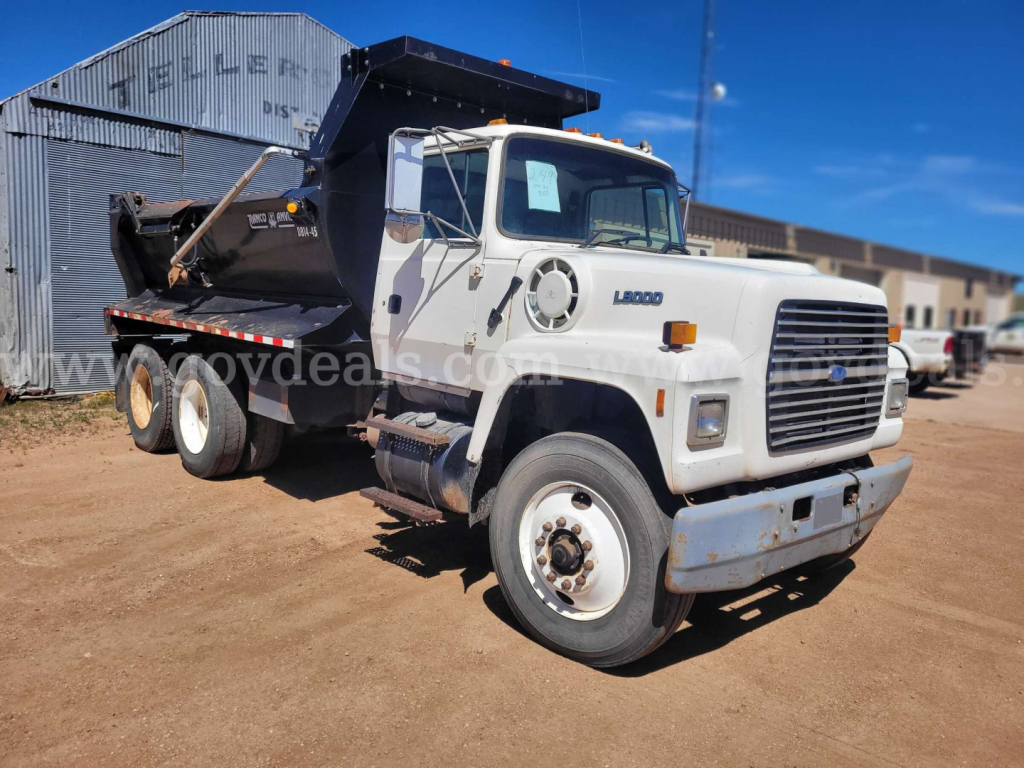
Have 1995 ford dump truck to sell? List it here to reach thousands of buyers.
About 1995 Ford Dump Trucks
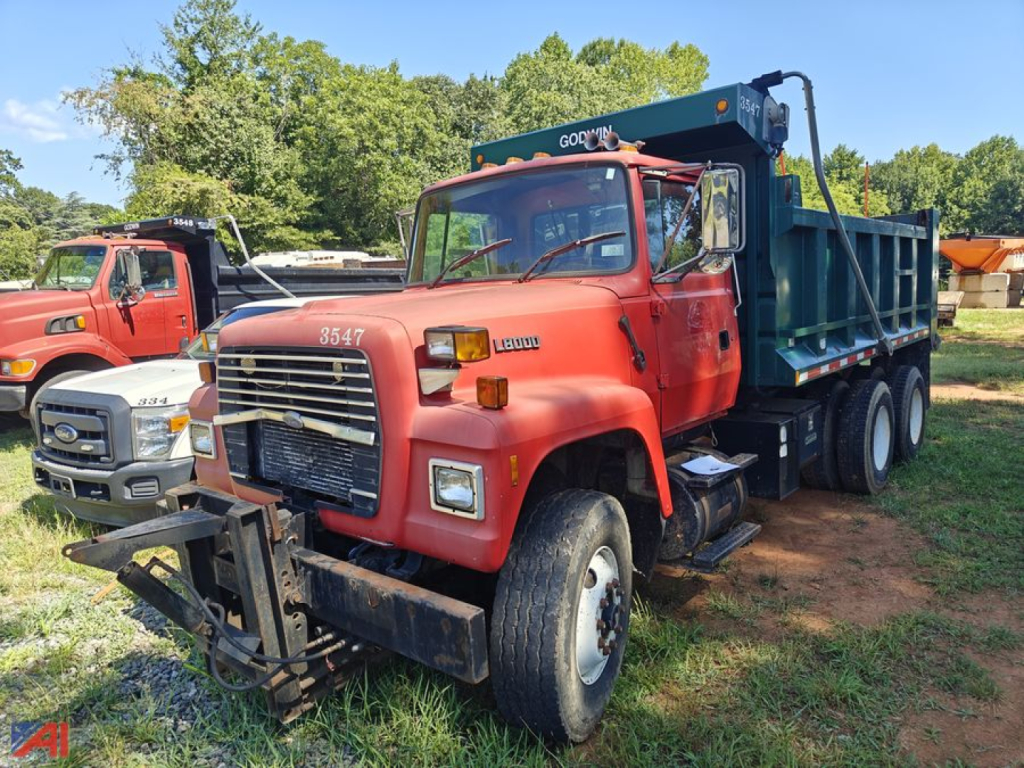
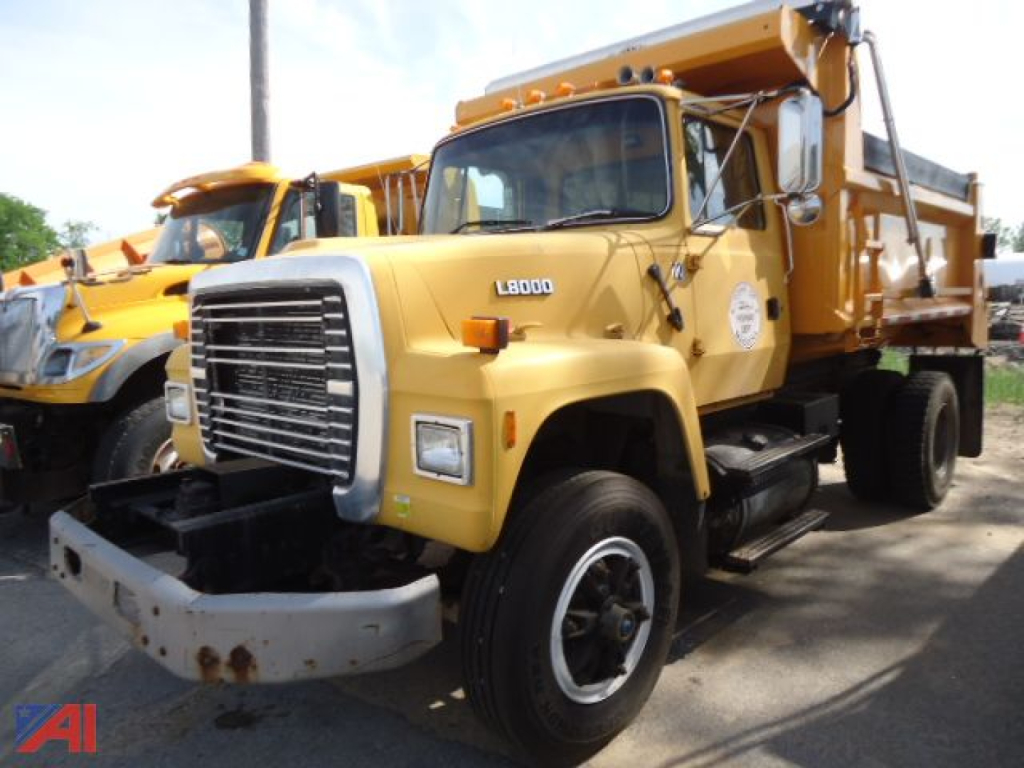
On a 1995 Ford dump truck, start with the chassis and drivetrain before you look at paint or body style. Buyers should confirm GVWR, front and rear axle capacities, suspension type, brake system, and whether the truck is hydraulic-brake or air-brake equipped. Engine choices can vary by model, with some trucks carrying gasoline engines and others using diesel powerplants more suited to heavier vocational use. Transmission choice matters too. An automatic may be better for stop-and-go municipal or landscape routes, while a manual transmission can still appeal in jobsite service where durability and control under load are priorities. If the truck has a PTO-driven hoist, check engagement quality, hydraulic line condition, cylinder seepage, and bed raise speed under load.
Body spec is what determines how useful the truck will be day to day. Steel dump bodies are common and generally preferred for aggregate, demo debris, and tougher hauling environments, while lighter bodies may make sense for mulch, brush, or less abrasive material. Look closely at body length, side height, floor thickness, crossmember condition, tailgate style, tarp system, and hoist type. A contractor moving stone or broken concrete may want a shorter, heavier body with strong rear hinge structure, while a landscape operation may place more value on taller sides and cubic-yard capacity. If towing is part of the job, a pintle hitch rating and brake controller setup can be just as important as payload.
Because these trucks are now older vocational units, condition and prior use matter as much as original spec. Frame corrosion, spring hanger wear, steering play, hydraulic leaks, and cab rust can turn a low-price truck into an expensive project. Buyers should also inspect for signs of repeated overload, bed twist, cracked welds around hoist mounts, and uneven tire wear that may point to suspension or alignment issues. A well-kept 1995 Ford dump truck can still serve effectively in seasonal work, farm use, property maintenance, and local hauling, especially for operators who value mechanical simplicity and a truck that can be repaired without excessive electronic complexity.
Frequently Asked Questions
What should I check first on a 1995 Ford dump truck?
Start with the frame, dump hoist, PTO operation, and axle ratings. On a truck of this age, structural condition is usually more important than cosmetic appearance. Inspect the frame rails for rust scaling, cracks, or repairs, then look at the dump body floor, hinge points, hoist cylinder, and hydraulic lines. After that, confirm GVWR, suspension condition, brake type, and tire wear so you know whether the truck matches the payload and route demands of your operation.
Are 1995 Ford dump trucks better for light-duty or medium-duty work?
That depends on the chassis. Some 1995 Ford dump trucks are well suited to lighter vocational work such as landscaping, farm use, snow operations, and property maintenance, while heavier Ford medium-duty chassis can handle more demanding construction or municipal applications. The real deciding factors are the axle capacities, engine and transmission combination, wheelbase, and dump body spec. Buyers should match the truck to material type, haul distance, and loading method instead of assuming all dump trucks in this year range perform the same.
Is a steel dump body the best choice on an older Ford dump truck?
For most buyers, a steel body is the safer choice if the truck will handle gravel, asphalt, demolition debris, or other abrasive material. Steel generally tolerates impact and hard use better, but it also needs close inspection for floor rust, sidewall corrosion, and patch repairs. If the truck will mainly carry mulch, brush, or lighter bulk material, body weight and cubic capacity may matter more than maximum durability. The best body is the one that fits the material, not simply the heaviest one available.
How important is PTO and hoist condition on a used dump truck?
It is critical. A dump truck can have a solid engine and still become a poor buy if the PTO and hydraulic system are weak or neglected. The PTO should engage cleanly, the bed should raise smoothly without hesitation, and the hydraulic cylinder should not show major leakage or scoring. Slow lift speed, noisy pump operation, or uneven bed travel can point to expensive repairs. On an older vocational truck, hoist performance is one of the most important functional checks.
Can a 1995 Ford dump truck still make sense for commercial use?
Yes, if the truck is properly matched to the job and has been maintained. Many older Ford dump trucks remain useful in seasonal and local work where annual mileage is moderate and operators value simpler mechanical systems. They can be a practical option for farm operations, landscape crews, property maintenance, and smaller construction companies. The truck needs to be evaluated carefully for structural integrity, brake and steering condition, hydraulic performance, and parts support for its specific engine and chassis model.