
Used Flatbed Trucks For Sale in Florida
Browse used flatbed trucks for sale in Florida. Compare bed lengths, GVWR, ramp setups, deck materials, and chassis options for local work.
Learn moreBrowse Flatbed Trucks by Make
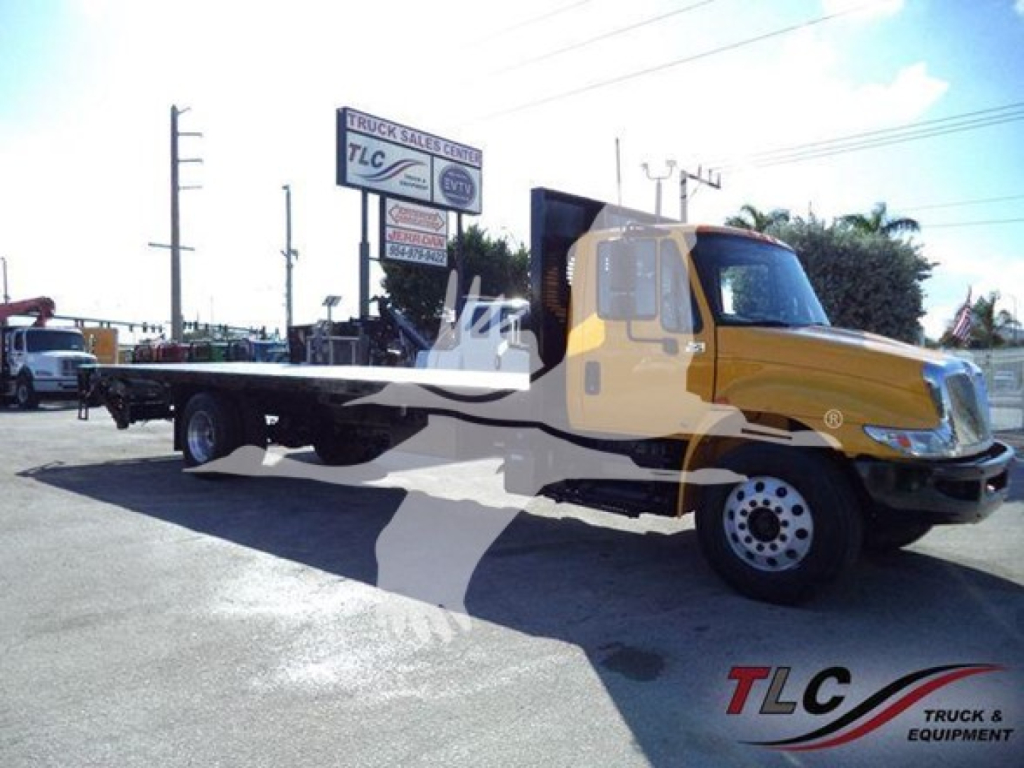
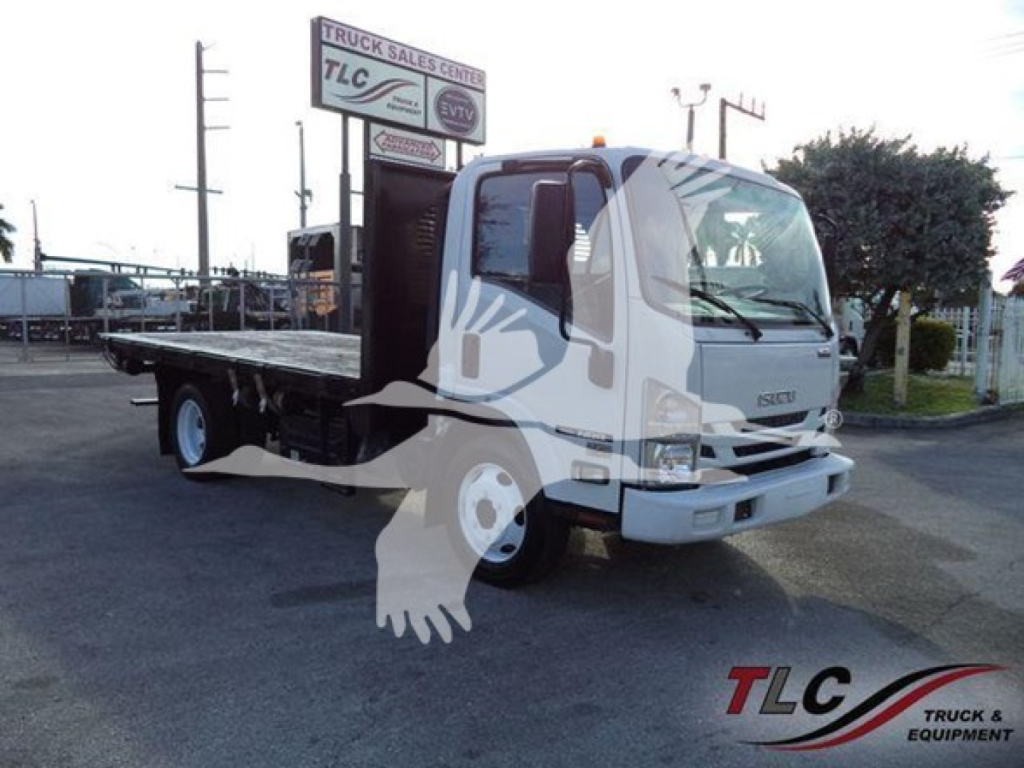
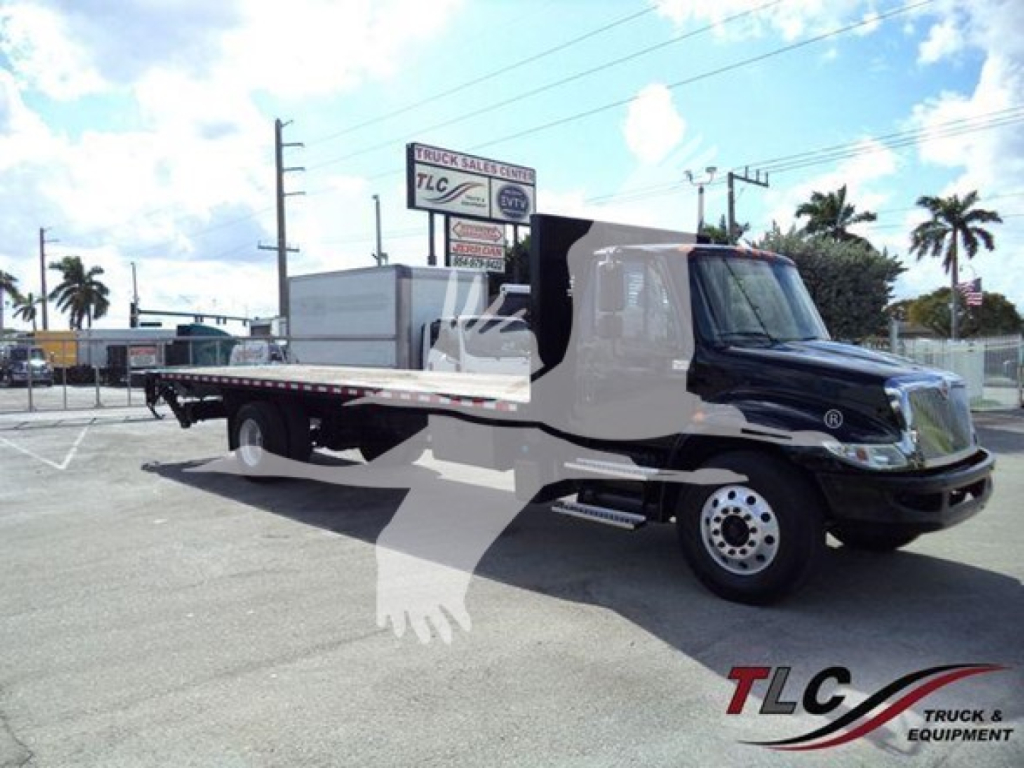
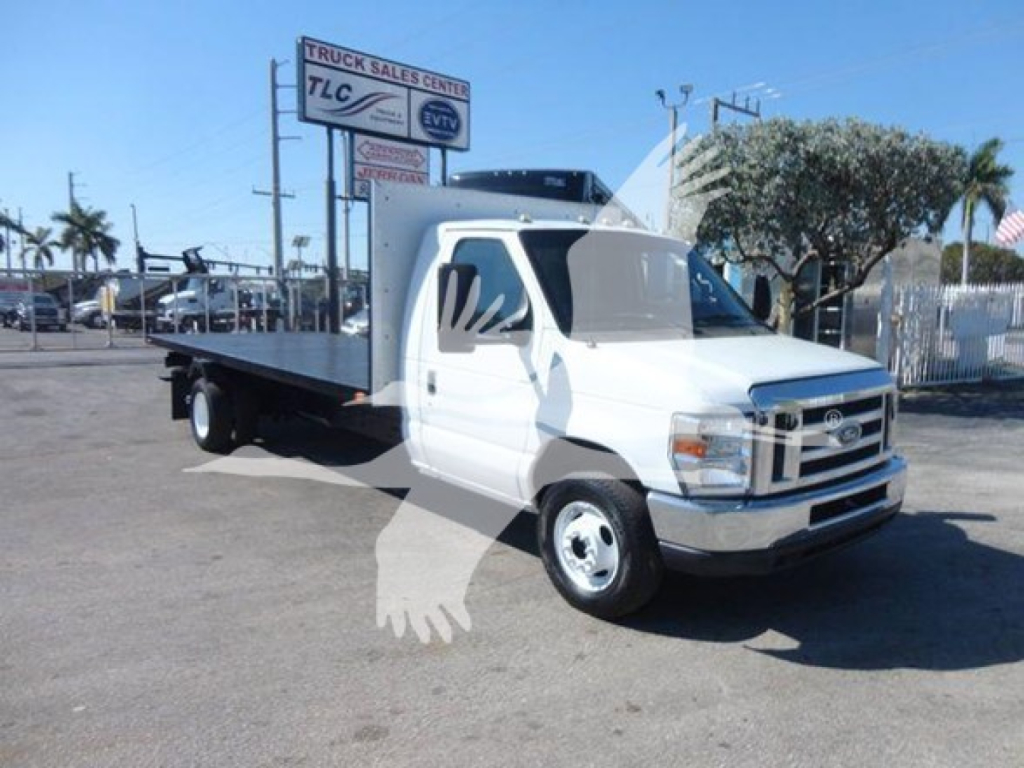
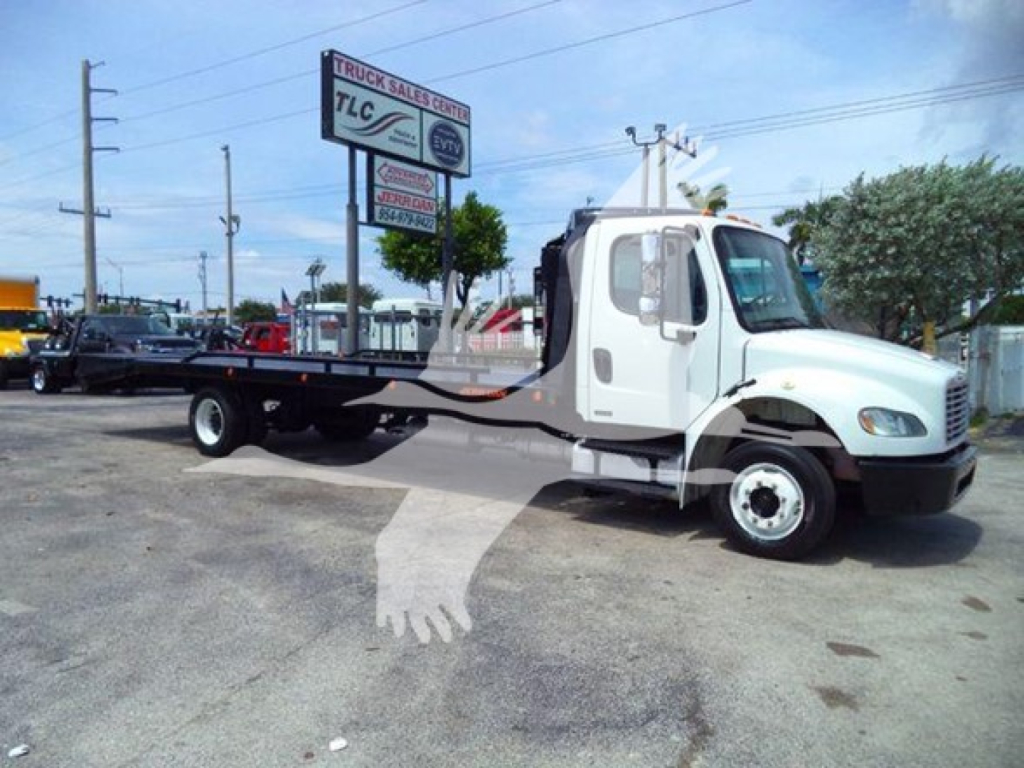
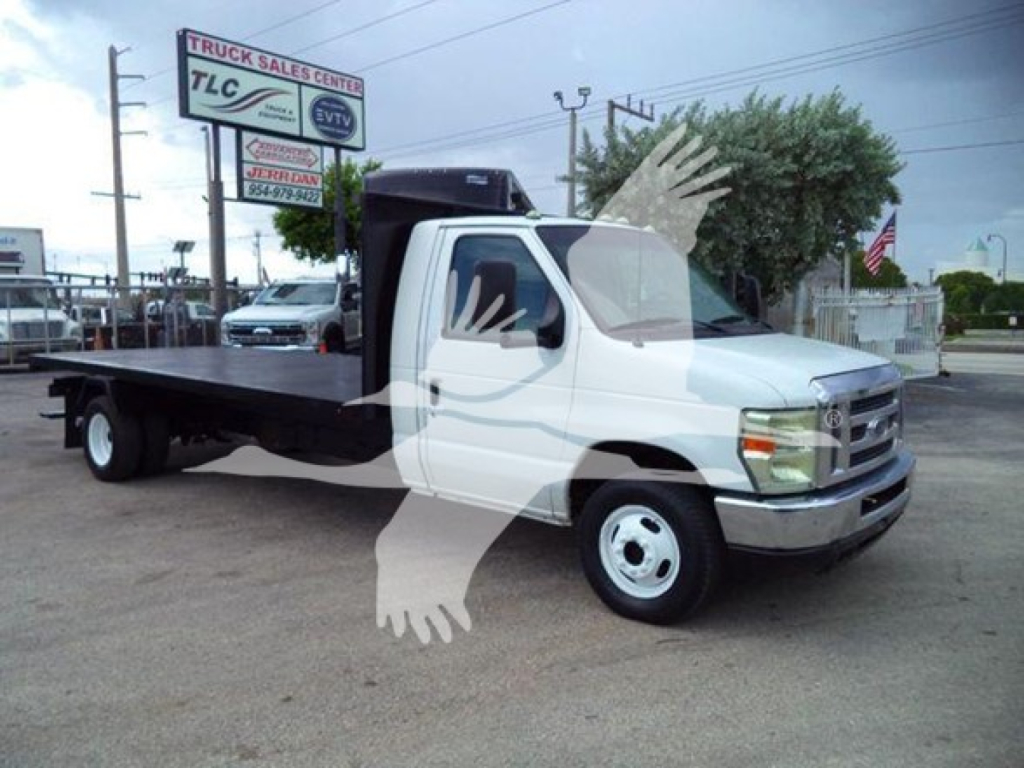
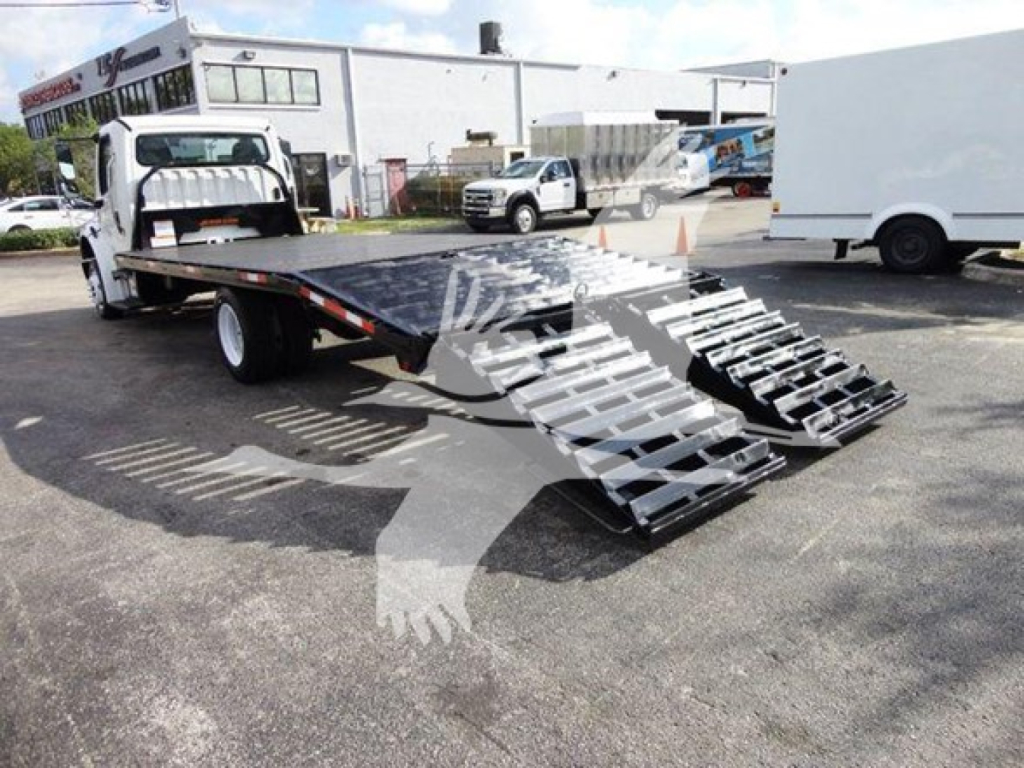
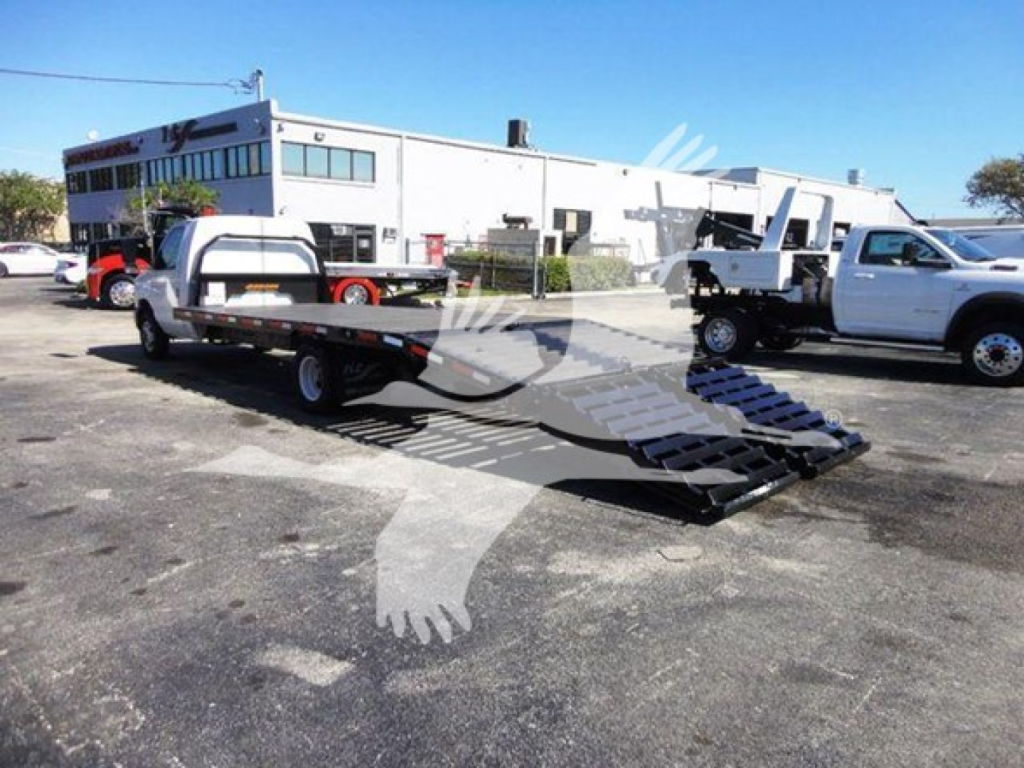
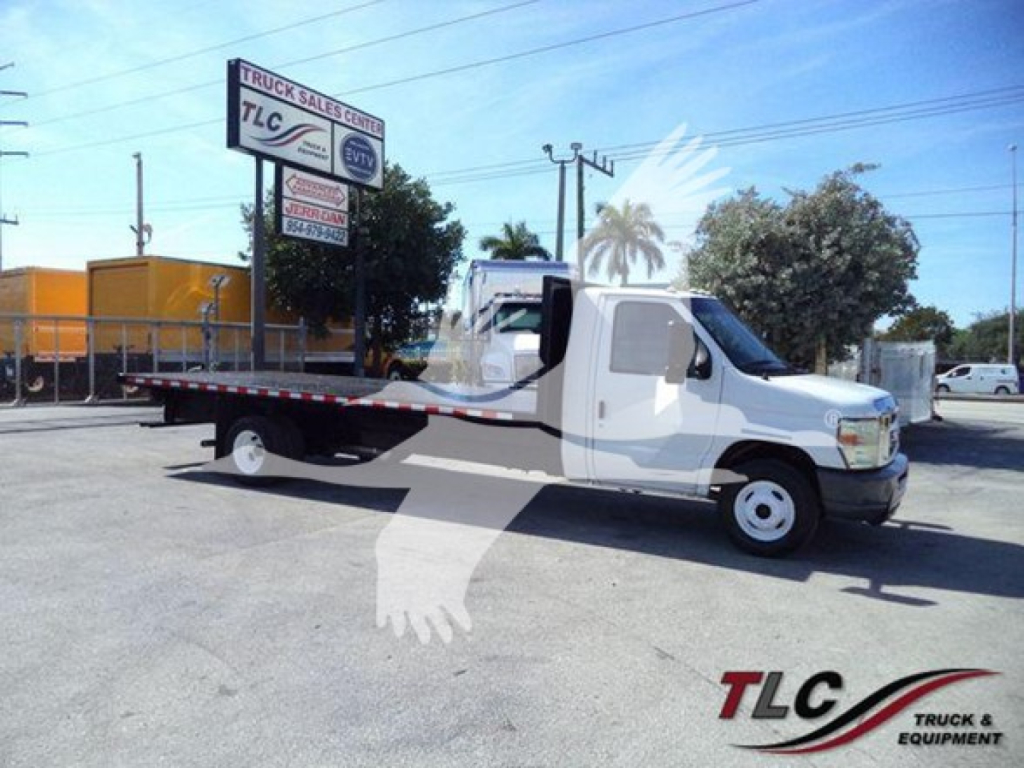
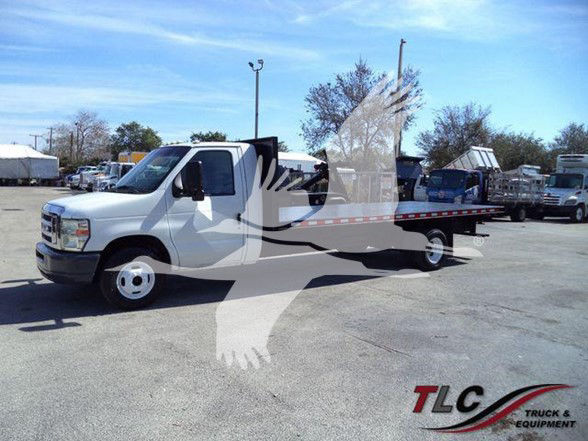
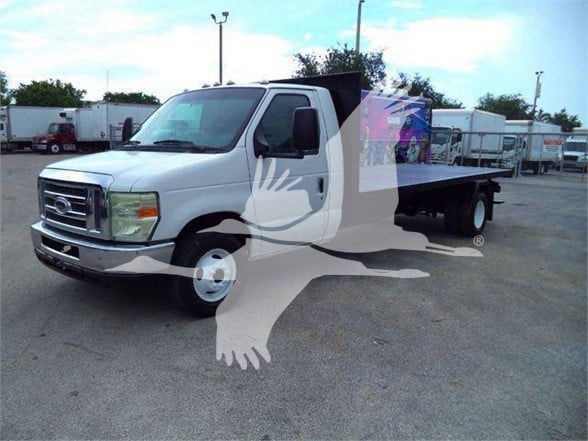
Showing 1 to 12 of 18 results
Have used flatbed truck to sell? List it here to reach thousands of buyers.
About Used Flatbed Trucks in Florida
A typical used flatbed truck in this class may carry an 18-foot to 21-foot steel bed, often with a headache rack or headboard, stake pockets, rub rails, and sometimes a dovetail or beavertail with fold-down ramps. Those features matter if the truck will haul palletized material one day and small equipment the next. Steel decks are durable and cost-effective, but they add weight. Aluminum bodies reduce tare weight and can improve usable payload. On used units, inspect the bed floor, crossmembers, ramp hinges, spring-assist mechanisms, rub rail integrity, and any signs of frame modification around the body install. If the truck has a beavertail, check ramp angle and rear overhang to make sure loading clearance works for low-slung equipment.
Chassis specs deserve the same attention as the body. GVWR, rear axle rating, wheelbase, engine type, transmission, and brake configuration all affect real-world performance. In this segment, buyers will see gas engines such as Ford V10 platforms as well as diesel options on heavier trucks. Gas units can make sense for local routes, lighter annual mileage, and simpler maintenance. Diesel power is often preferred when payload, towing, or higher duty cycles are part of the job. In Florida service, cooling system condition, AC performance, tire date codes, and corrosion around wiring, bed hardware, and underbody components are worth a close look because heat, humidity, and coastal exposure can shorten service life.
The best used flatbed truck is usually the one with the right body and weight rating for the freight, not the one with the most accessories. A truck that is properly matched to load size, securement needs, and loading equipment will be easier to dispatch and cheaper to run. Review bed capacity, deck dimensions, tie-down layout, receiver or pintle provisions if towing is required, and cab configuration if crews or tools travel with the truck. For many buyers, a well-kept flatbed truck is one of the most versatile assets in a local fleet because it can support deliveries, jobsite supply runs, and equipment moves without the access limits of an enclosed body.
Frequently Asked Questions
What should I check first on a used flatbed truck?
Start with GVWR, actual payload needs, and bed dimensions. Those three points determine whether the truck can legally and practically handle the work. After that, inspect the bed structure, crossmembers, tie-down points, headache rack, ramps or dovetail if equipped, and the chassis frame where the body was mounted. Service records, tire age, brake condition, and signs of overload wear are also important on used flatbed trucks.
Is a steel flatbed better than an aluminum flatbed?
Steel flatbeds are typically less expensive, highly durable, and well suited for hard daily use, but they add weight and can reduce payload. Aluminum flatbeds are lighter and more corrosion resistant, which is useful in humid and coastal Florida conditions, but they may cost more up front and repairs can be more specialized. The better choice depends on whether your priority is lower acquisition cost, higher payload, or long-term resistance to rust and corrosion.
What bed length is most common on a used flatbed truck?
Common bed lengths vary by chassis class, but many light and medium-duty flatbed trucks fall in the 16-foot to 21-foot range. An 18-foot bed is a common setup for general material delivery, while longer bodies with a beavertail and ramps are popular for hauling equipment. The right length depends on cargo footprint, turning radius needs, wheelbase limitations, and where the truck will be loaded and parked.
Are gas-powered flatbed trucks a good choice for fleet use?
Gas-powered flatbed trucks can be a very practical option for local and regional work, especially when annual mileage is moderate and loads stay within the truck's intended duty cycle. They often have lower initial cost and simpler emissions systems than diesel trucks. For heavier payloads, frequent towing, or long daily route hours, a diesel chassis may offer better torque and operating efficiency. The right choice depends on route length, idle time, average load, and maintenance budget.
Why do ramps and a beavertail matter on a flatbed truck?
A beavertail and fold-down ramps turn a standard flatbed into a more flexible equipment hauler. They make it easier to load compact tractors, skid steers, scissor lifts, and similar machines without a separate trailer. Buyers should verify the ramp rating, hinge condition, spring assistance, deck height, and loading angle. A ramp setup that is too steep or too light for the intended equipment can limit usefulness and create safety issues.