
Used 2006 Flatbed Trucks For Sale
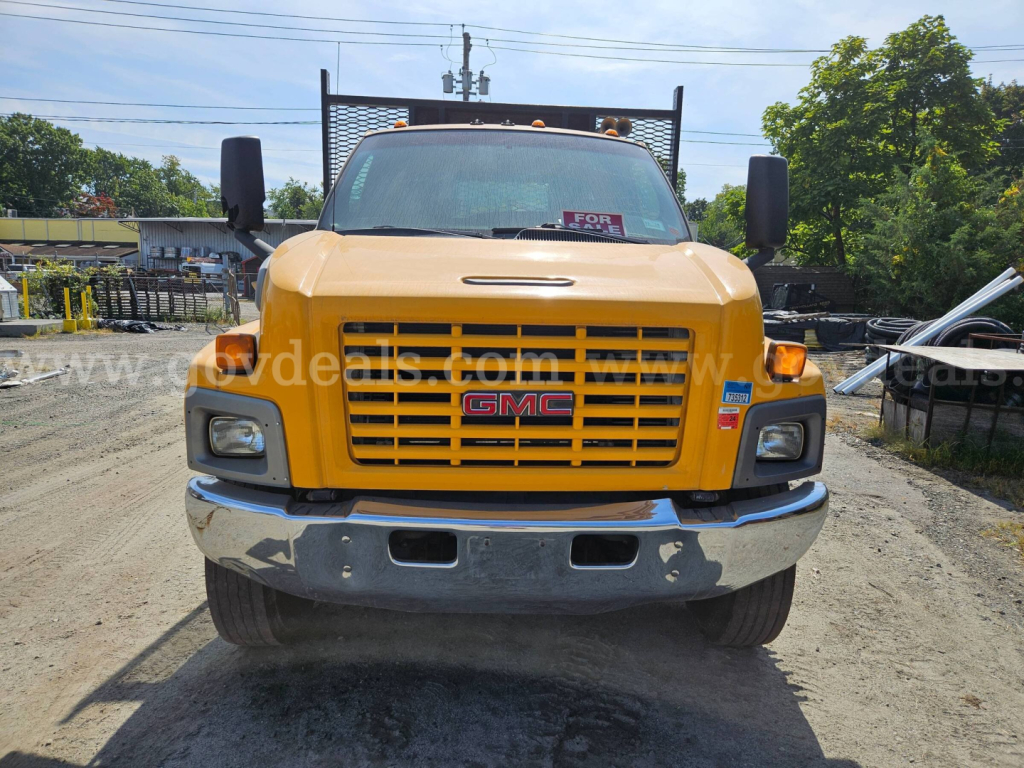
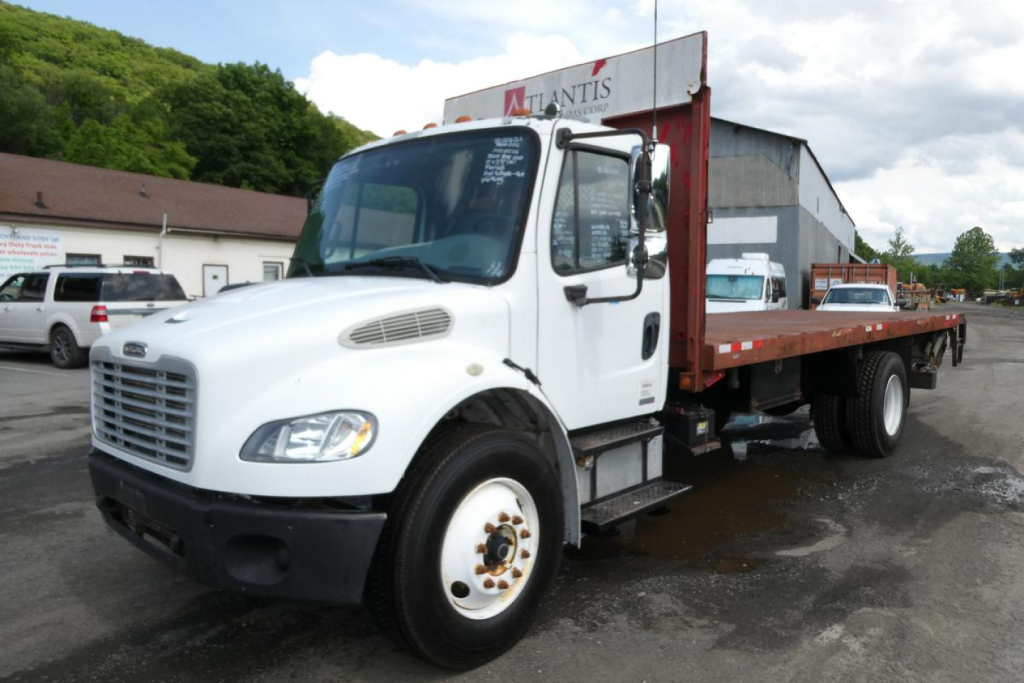
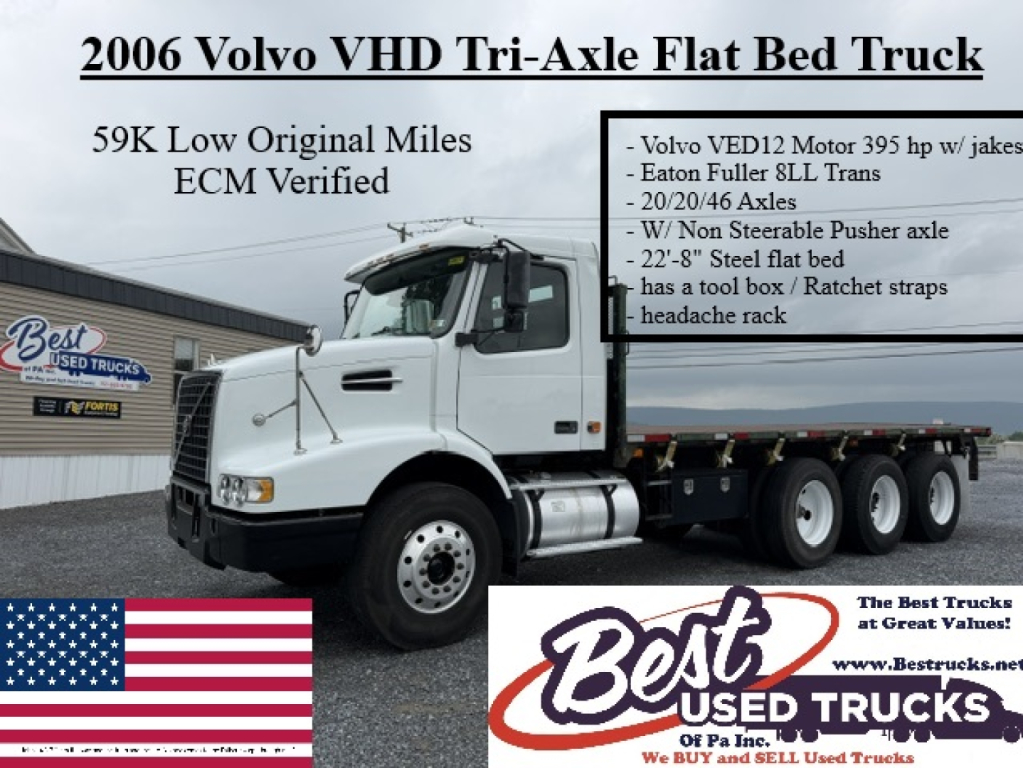
Have used 2006 flatbed truck to sell? List it here to reach thousands of buyers.
Used 2006 Flatbed Trucks
The main buying decision is matching the truck's chassis class and axle setup to the work. A single-axle 2006 flatbed is often used for building materials, palletized freight, pipe, or local equipment moves where maneuverability matters more than payload. Tandem-axle and tri-axle flatbed trucks are better suited for heavier machinery, steel, lumber packs, and jobsite deliveries that demand more legal capacity and stronger frame rails. Buyers should pay close attention to GVWR, front axle rating, rear axle rating, wheelbase, suspension type, and transmission. Spring suspension is common on vocational trucks in this segment, while air ride can improve loaded ride quality and cargo protection. Manual transmissions such as 8LL, 9-speed, or 10-speed boxes are common in heavier 2006 flatbeds, though automatic Allison setups appear more often in medium-duty applications.
Body equipment matters as much as the cab and drivetrain. Common features on used flatbed trucks include stake pockets, rub rails, winches or winch tracks, toolboxes, headboards, tarping provisions, and ramp or beavertail setups for equipment hauling. Some trucks are configured with Moffett kits for piggyback forklift use, while others have dovetails and fold-down ramps that make them closer to a rollback-style loading platform for skid steers, lifts, or compact machines. Check deck material and condition carefully. Steel decks offer durability for severe service, while wood floors are easier to repair and often preferred when hauling materials that need better surface grip. Frame condition, crossmember integrity, bed mounting, and signs of overloading are especially important on older work trucks.
For a 2006 used flatbed truck, engine history and overall vocational wear usually matter more than odometer miles alone. Many trucks from this era spent their lives in local or regional duty cycles with frequent loading, idling, and PTO or hydraulic use, so maintenance records are valuable. Buyers should inspect brake type, tire size, rear axle ratio, double-frame construction on heavier units, and any signs of rust around spring hangers, cab mounts, and bed supports. If the truck will run in tighter urban delivery work, turning radius and deck height may be as important as horsepower. If it will haul dense cargo, focus on axle capacity, deck rating, and securement equipment. A well-spec'd 2006 flatbed truck can still serve effectively in construction supply, equipment transport, municipal work, and general material delivery when the chassis, deck, and payload needs are aligned.
Frequently Asked Questions about Used 2006 Flatbed Trucks
Are 2006 flatbed trucks considered pre-emissions?
Many 2006 flatbed trucks are from the pre-DPF period, which makes them attractive to buyers who want a simpler diesel emissions setup. Exact emissions equipment can vary by engine make, model, and build date, so the engine family and VIN should always be verified. For many operators, this year range is desirable because it can reduce aftertreatment-related downtime and simplify maintenance planning compared with later trucks.
What should I check first on a used 2006 flatbed truck?
Start with axle ratings, GVWR, deck length, and bed configuration because those determine whether the truck actually fits the intended loads. After that, inspect the frame, suspension, brake system, transmission, engine service history, and bed structure. On an older flatbed, the condition of the deck, crossmembers, rub rails, stake pockets, and securement gear is critical because body wear can be as expensive and limiting as drivetrain issues.
What is the difference between a single-axle, tandem-axle, and tri-axle flatbed truck?
A single-axle flatbed truck is generally easier to maneuver and often used for lighter local deliveries. A tandem-axle flatbed truck provides higher legal payload capacity and better stability for heavier materials or equipment. A tri-axle flatbed truck adds another axle, often a pusher, to improve weight distribution and support heavier vocational hauling, though it also adds operating complexity, tire cost, and considerations for local bridge and axle laws.
Are steel or wood decks better on a flatbed truck?
Steel decks are usually favored for severe-duty applications because they hold up well to abrasion, equipment loading, and hard use. Wood decks are common on material-hauling flatbeds because they are easier to replace in sections and can provide better traction for certain loads. The better choice depends on what the truck carries, how often cargo is loaded by forklift or ramps, and how important repair simplicity is to the operation.
What common applications fit a used 2006 flatbed truck?
Used 2006 flatbed trucks are commonly used for lumber and building supply delivery, steel and pipe hauling, palletized freight, municipal maintenance, machinery transport, and general contractor work. Trucks with beavertails and ramps are especially useful for moving small equipment such as skid steers, scissor lifts, and compact tractors. Heavier tandem or tri-axle units are better suited to dense or oversized loads where chassis strength and axle capacity are more important than compact dimensions.