
New Ram Flatbed Trucks For Sale
Shop new Ram flatbed trucks built for hauling, hotshot, and contractor work with diesel power, 4x4 capability, and upfit-ready chassis.
Selling a new ram flatbed truck? List your new ram flatbed truck for sale and reach thousands of commercial buyers.
New Ram Flatbed Trucks
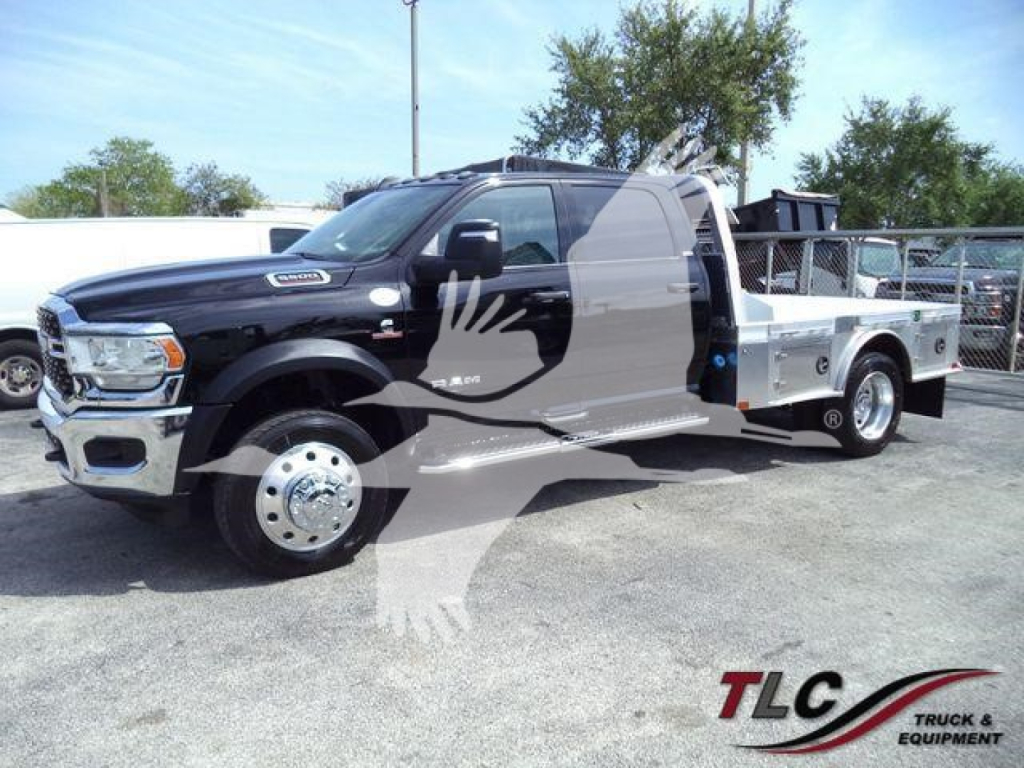
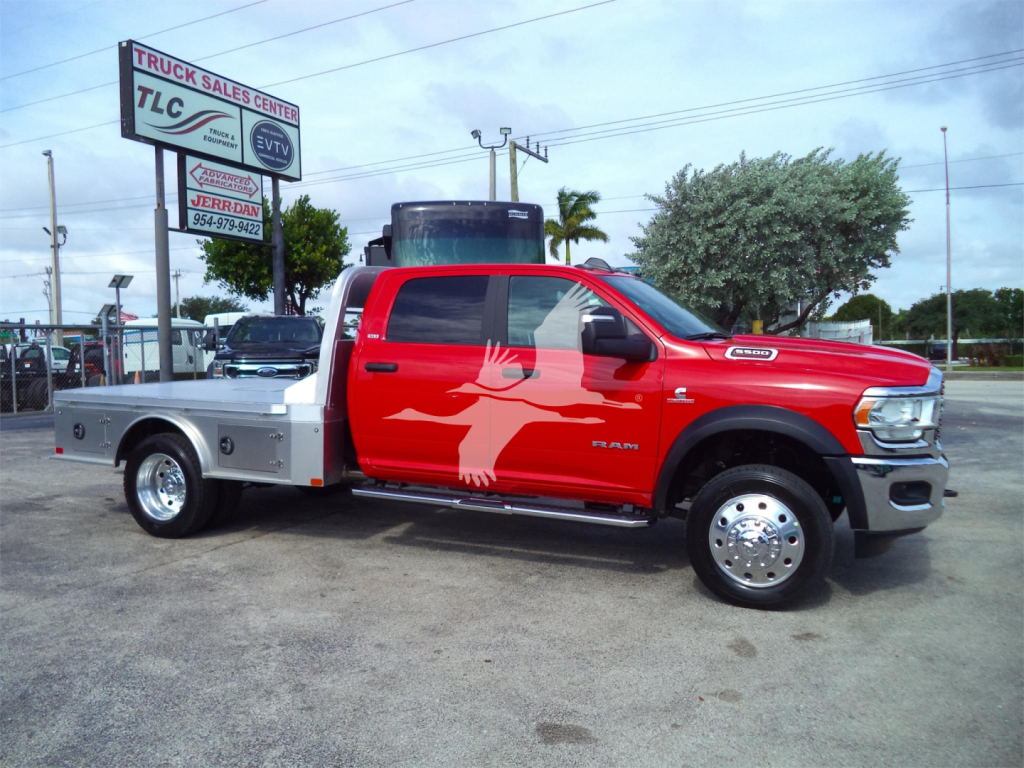
The bed spec matters as much as the truck itself. Common flatbed setups include aluminum or steel construction, integrated headache racks, stake pockets, rub rails, rear receiver hitches, and gooseneck or fifth-wheel hitches for trailer work. On Ram cab chassis trucks, bed dimensions are usually matched to the cab-to-axle measurement, so buyers should confirm body length, frame width, and hitch placement before making a decision. For hotshot and gooseneck applications, details like a 30,000-pound rated gooseneck hitch, rear plug location, toolbox capacity, and tapered rear corners can make a real difference in day-to-day use.
Drivetrain and cab configuration should match the work route. A 4x4 crew cab Ram flatbed is popular with buyers who need off-pavement access, multiple passengers, or all-weather jobsite use. Automatic transmissions are common, and diesel-powered trucks remain the standard for heavier towing because of torque, fuel range, and long-service durability. Suspension type, rear axle ratio, wheelbase, and GVWR all affect how the truck handles a loaded bed versus a trailer, so it is worth comparing the chassis rating to the body weight and your intended payload.
Ram flatbeds are also known as platform trucks, hauler trucks, or hotshot trucks depending on the body and hitch setup. They are used by equipment haulers, ranch operations, utility crews, welders, landscapers, and general contractors who need open-deck access and flexible tie-down points. A well-matched new Ram flatbed should be evaluated as a complete package: chassis rating, diesel or gas engine choice, 4x2 or 4x4 driveline, body material, storage, lighting, trailer wiring, and hitch capacity. That combination determines how useful the truck will be once it is loaded, towing, and working every day.
Frequently Asked Questions about New Ram Flatbed Trucks
What is the most common use for a new Ram flatbed truck?
A new Ram flatbed truck is commonly used for contractor hauling, hotshot work, equipment transport, farm and ranch service, and utility applications. The open-deck body makes loading easier than a pickup box, and many upfits add stake pockets, rub rails, toolboxes, and gooseneck hitches that expand the truck’s usefulness for trailers, pallets, machinery, and jobsite materials.
Is a Ram 5500 a good choice for hotshot and gooseneck hauling?
Yes, the Ram 5500 is a popular choice for hotshot and gooseneck hauling because it combines a commercial cab chassis with high towing capability, diesel torque, and body upfit flexibility. Buyers should still verify the exact GVWR, GCWR, rear axle rating, hitch rating, and body weight, because the safe working capacity depends on the complete truck and trailer combination, not just the model badge.
Should I choose an aluminum or steel flatbed on a Ram chassis?
Aluminum flatbeds reduce body weight and help preserve payload, which is important for buyers trying to maximize legal carrying capacity. Steel flatbeds are often preferred for severe service and impact resistance. The better choice depends on the work. Frequent towing and payload-sensitive applications often favor aluminum, while harder-use service bodies and rough loading environments may favor steel.
What specs should I compare first on a Ram flatbed truck?
Start with cab-to-axle length, GVWR, drivetrain, engine, axle ratio, and hitch ratings. After that, compare the body construction, deck dimensions, toolbox layout, wiring connections, and tie-down features. Those specs determine whether the truck will handle your cargo, trailer, and route conditions without requiring immediate modifications.
Are 4x4 Ram flatbed trucks worth it for commercial use?
A 4x4 Ram flatbed is worth the extra cost when the truck regularly operates on mud, gravel, unpaved jobsites, oilfield access roads, snow, or uneven terrain. For highway-based hauling, a 4x2 may offer lower purchase cost and slightly simpler maintenance. The right choice depends on how often traction and off-road access affect productivity.