
Ram Flatbed Trucks For Sale in Florida
Have ram flatbed truck to sell? List it here to reach thousands of buyers.
Ram Flatbed Trucks in Florida
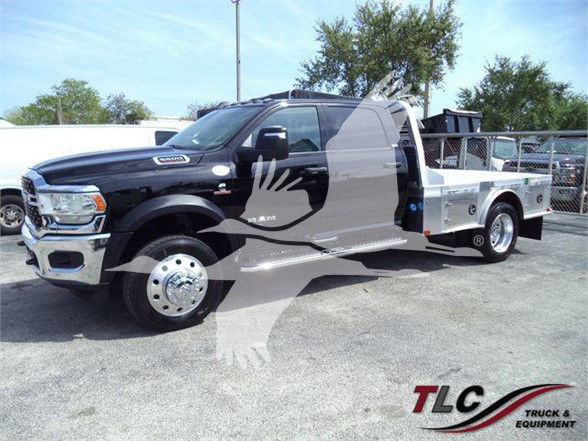
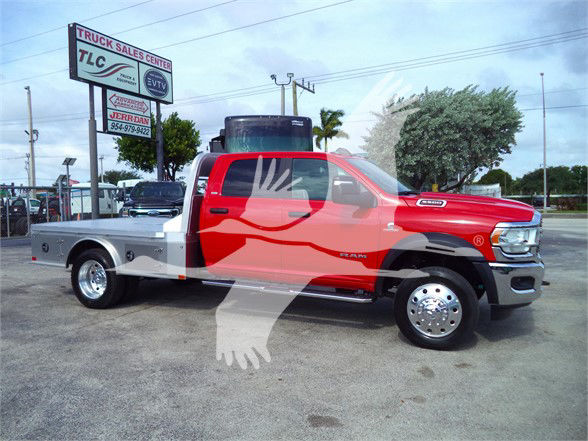
The bed itself is often the deciding factor. Many Ram flatbed trucks are equipped with aluminum or steel hauler beds in the 9-foot range, typically with headache racks, rub rails, stake pockets, integrated toolboxes, rear receivers, and gooseneck hitches. Buyers planning to pull trailers should pay close attention to the hitch ratings, rear hitch setup, wiring provisions, and cab-to-axle dimensions because those details determine what body will fit and how well the truck is configured for hotshot or equipment transport. Tapered rear corners, flush-mounted toolbox doors, LED lighting, and a clean fuel-fill layout all matter in day-to-day use, especially when the truck will be loaded and unloaded frequently.
On Ram chassis cabs, axle rating, suspension, wheelbase, and drivetrain spec have a direct impact on payload and towing performance. A 4x4 crew cab adds versatility and passenger space, but it also changes curb weight and turning characteristics compared with a regular cab or 4x2 setup. Buyers should compare GVWR, front and rear axle ratings, tire capacity, and bed weight before assuming two similarly equipped trucks will handle the same load. If the truck will spend most of its life under a gooseneck, check for an established brake controller setup, trailer plug placement, and how the bed is reinforced around the hitch area. For general freight and palletized material, deck width, tie-down access, and the condition of the floor and crossmembers become more important.
A well-matched Ram flatbed truck can cover a wide range of commercial uses without moving into a larger CDL-style platform. The appeal is straightforward: diesel torque, familiar pickup cab controls, and a flat work deck that is easier to load than a standard pickup bed. For buyers comparing listings, the smartest approach is to look past model year alone and focus on the upfit quality, hitch package, frame and bed construction, drivetrain, and real working ratings. In this category, the body spec is often just as important as the truck underneath it.
Frequently Asked Questions about Ram Flatbed Trucks in Florida
What is a Ram flatbed truck typically used for?
A Ram flatbed truck is commonly used for contractor work, hotshot hauling, equipment transport, agricultural support, and general jobsite delivery. The flat deck makes it easier to load pallets, building materials, small machinery, and irregular cargo that will not fit inside a standard pickup box. Many units are also set up as hauler beds with gooseneck hitches for pulling trailers.
Is the Ram 5500 a good choice for hotshot hauling?
The Ram 5500 is a common hotshot platform because it combines a cab-and-chassis design with strong diesel torque, high towing capability, and compatibility with hauler-style flatbeds. Buyers should still verify the exact GVWR, GCWR, rear axle rating, and hitch rating on each truck, since the body installation and option package affect how the truck performs under trailer load.
What specs matter most when comparing Ram flatbed trucks?
The most important specs are GVWR, axle ratings, drivetrain, cab configuration, wheelbase, cab-to-axle measurement, and the flatbed or hauler bed design. Bed material, toolbox layout, rub rails, stake pockets, trailer wiring, gooseneck hitch rating, and rear receiver setup also matter. On working trucks, these details often have more impact on usefulness than cosmetic trim level.
Should I choose an aluminum or steel flatbed on a Ram chassis?
An aluminum flatbed reduces body weight and can help preserve payload capacity while offering good corrosion resistance, which is especially relevant in coastal and humid markets like Florida. A steel bed is often favored for heavy-duty abuse and repairability. The right choice depends on cargo type, trailer use, exposure to salt and moisture, and how important weight savings is to your operation.
Do 4x4 Ram flatbed trucks offer an advantage for commercial use?
A 4x4 Ram flatbed can be a real advantage when the truck operates on muddy jobsites, rural property, sand, or unimproved roads. That added traction is useful in many Florida applications, but buyers should remember that 4x4 components add weight and can reduce available payload compared with a similar 4x2 chassis. The best setup depends on where the truck actually works, not just its maximum capability.