
Used Peterbilt Flatbed Trucks For Sale
Browse used Peterbilt flatbed trucks with specs that matter: GVWR, axle setup, bed length, engine, transmission, and vocational upfit details.
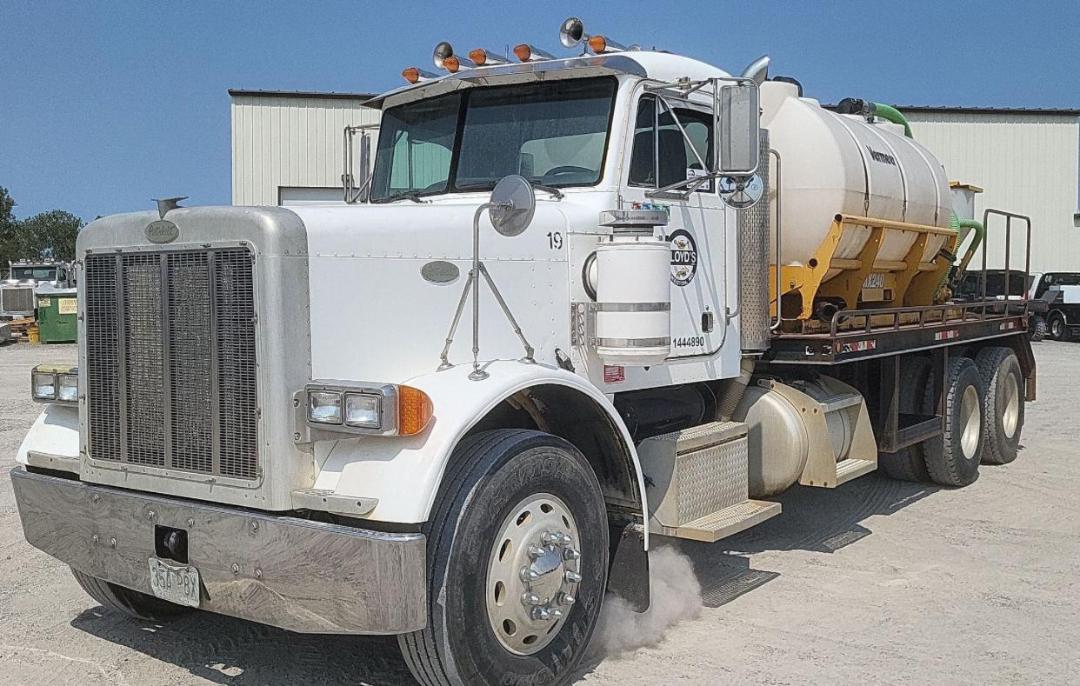

Looking for the easiest place to sell your used peterbilt flatbed truck? List it here to reach thousands of buyers.
Used Peterbilt Flatbed Trucks
The most important buying decisions usually start with the chassis spec. Check axle configuration, wheelbase, suspension type, rear axle ratio, and engine-transmission pairing before anything else. A used Peterbilt flatbed can be spec'd with tandem axles for higher payload and trailer work, or with a shorter wheelbase for better maneuverability in city and jobsite use. Engines often range from medium to high horsepower diesel platforms such as PACCAR MX or Caterpillar options on older trucks, and transmissions may be manual, automated manual, or full automatic depending on the truck's original duty cycle. If the truck has a PTO, wet kit, headache rack, winches, chain boxes, toolboxes, or a moffett setup, those items can add real value for the right operation.
Body details matter just as much as drivetrain. Verify flatbed length and width, deck material, crossmember condition, rub rail design, stake pockets, D-rings, and any sliding winch track or strap system. Buyers hauling steel, lumber, or machinery should inspect deck wear, frame corrosion, and signs of concentrated point loading. If the truck has scuff liners, bulkhead protection, ramps, liftgate equipment, or mounted mixers or pumps, confirm that the body still matches your intended freight. On older Peterbilt flatbeds, pay attention to suspension wear, air system leaks, brake condition, and steer axle loading, especially if the truck spent time in severe vocational service.
A used Peterbilt flatbed truck often appeals to buyers who want a truck that can work hard and still present well to drivers and customers. The best unit is not just the newest one. It is the one with the right GVWR, axle ratings, bed configuration, and maintenance history for the loads you actually move. Look closely at frame modifications, PTO operation, tire size, fifth wheel or stationary hitch equipment if present, and any signs the truck was repurposed from another application. A careful review of spec sheet, upfit quality, and service records will tell you far more than model year alone.
Frequently Asked Questions about Used Peterbilt Flatbed Trucks
What should I look at first on a used Peterbilt flatbed truck?
Start with the truck's intended payload and operating environment, then match that to axle ratings, wheelbase, suspension, and bed size. A truck that looks clean but has the wrong rear axle ratio, insufficient GVWR, or a deck that does not fit your freight can become expensive to correct. Engine-transmission spec, PTO capability, and the condition of the bed, frame, brakes, and suspension should all be reviewed early in the buying process.
Which Peterbilt models are common in flatbed applications?
Peterbilt flatbed trucks are often built on vocational and conventional platforms such as the 365, and older owner-operator favorites like the 379 also appear with flatbed bodies or specialized hauling upfits. The exact model matters less than how the truck was spec'd. Frame strength, axle capacity, wheelbase, and body installation usually determine whether the truck is a good fit for construction materials, equipment hauling, or regional delivery.
Is a tandem axle Peterbilt flatbed better than a single axle?
A tandem axle setup is usually better for heavier payloads, trailer work, and operations that need more stability and legal carrying capacity. A single axle flatbed can make sense for lighter loads, tighter routes, and lower operating costs. The better choice depends on your freight, bridge laws, turning radius needs, and whether the truck will stay local, run regional lanes, or work on jobsites.
What flatbed body features add the most value on a used truck?
Useful flatbed features include a sound deck, strong rub rails, stake pockets, tiedown points, winch track, chain storage, toolboxes, and a headache rack. For some operations, ramps, liftgates, moffett kits, or PTO-driven accessories also matter. These features only add value if they match your freight and are installed correctly. Poor body workmanship or heavy deck wear can offset the value of otherwise desirable equipment.
How do I know if a used Peterbilt flatbed was worked too hard?
Signs of severe use include frame corrosion, cracked crossmembers, uneven deck wear, suspension fatigue, chronic air leaks, brake heat damage, and repairs around body mounts or hitch points. Look for evidence of overloading such as tire wear patterns, sagging suspension, or axle and frame repairs. Maintenance records, engine hours if available, and a thorough inspection of the flatbed structure usually reveal more than odometer mileage alone.