
Peterbilt Flatbed Trucks For Sale
Browse Peterbilt flatbed trucks with specs that matter, including engine, axle, wheelbase, deck setup, PTO options, and vocational readiness.
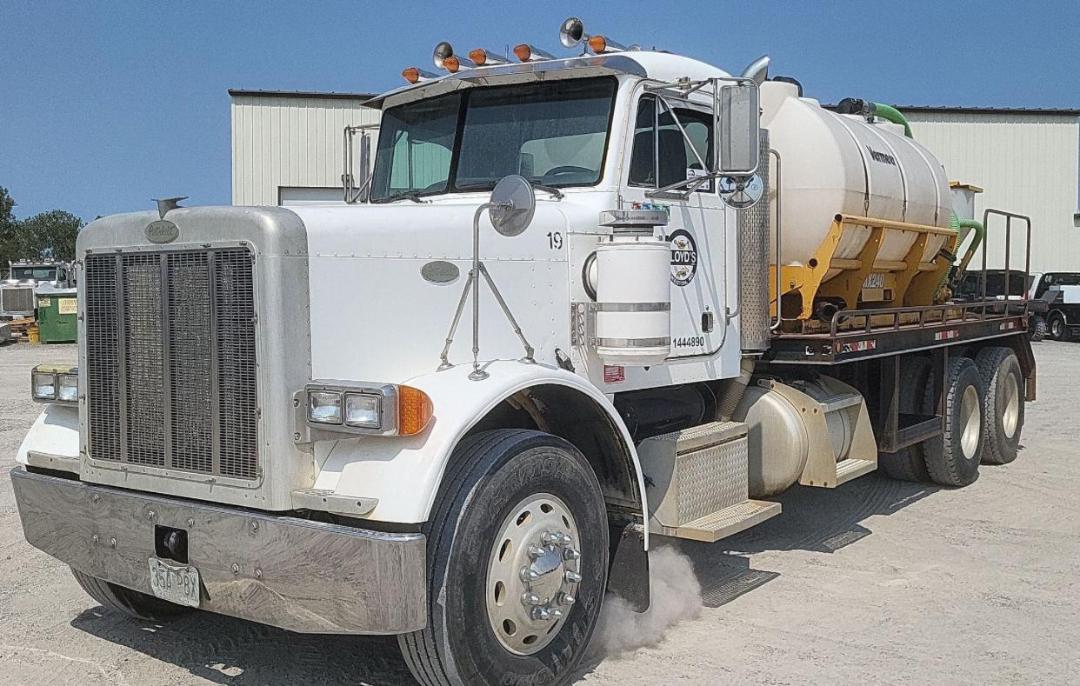

Selling a peterbilt flatbed truck? List your peterbilt flatbed truck for sale and reach thousands of commercial buyers.
Peterbilt Flatbed Trucks
The spec that drives the rest of the truck is the job. A lighter regional flatbed setup may prioritize lower tare weight, a shorter wheelbase, and easier maneuverability for jobsite deliveries. A heavier vocational flatbed often needs higher GVWR, full locking differentials, PTO capability, and stronger rear suspension for equipment, tanks, palletized materials, or mounted accessories such as cranes and mixers. Buyers should confirm deck length and width, stake pockets, rub rail condition, tie-down points, headache rack design, and whether the truck has toolboxes, tarping equipment, winches, or dunnage storage. If the truck is carrying specialized equipment on the bed, weight distribution and remaining payload become critical.
Popular Peterbilt platforms in this category include long-hood models like the 379 for owner-operators who want classic styling and serviceable drivetrains, along with newer vocational models such as the 365 that are often spec'd for demanding commercial use. Engine choices may include Caterpillar or PACCAR diesels, typically paired with 10-speed, 13-speed, 18-speed, or automated transmissions depending on terrain and payload. Rear axle ratios, wheelbase, and suspension type affect launch performance, highway rpm, and how well the truck handles concentrated deck loads. Air brakes, engine brakes, heated mirrors, aluminum wheels, and 22.5-inch rubber are all common details worth checking, but service history, rebuild documentation, and evidence of frame or deck repairs usually matter more than appearance alone.
A good Peterbilt flatbed truck should match freight profile, loading method, and route density. For forklift-loaded freight, deck height and side access matter. For machinery or construction support, frame strength, PTO provisions, and auxiliary hydraulic compatibility can be more important than sleeper or cosmetic options. Buyers comparing used units should inspect crossmembers, bed mounting points, frame rail condition, fifth wheel removal or conversion quality on repurposed tractors, and signs of overloading around suspension hangers and axle seats. The best choice is the one with a chassis spec that supports legal payload, securement needs, and predictable maintenance costs over the long haul.
Frequently Asked Questions about Peterbilt Flatbed Trucks
What should I look for first when buying a used Peterbilt flatbed truck?
Start with the chassis and deck, not the paint. Confirm the truck’s axle configuration, wheelbase, suspension, engine, transmission, and GVWR match the type of freight you plan to haul. Then inspect the flatbed itself for crossmember damage, cracked welds, bent rub rails, worn stake pockets, poor bed mounting, and missing tie-down equipment. On a used Peterbilt, service records, engine rebuild history, frame condition, and signs of overloading are usually more important than cosmetic upgrades.
Are Peterbilt 379 and Peterbilt 365 flatbed trucks built for the same kind of work?
Not usually. A Peterbilt 379 is often associated with owner-operator and highway-oriented applications, though many are converted or spec'd for flatbed service and can be very capable when properly set up. A Peterbilt 365 is a more vocational platform and is commonly chosen for heavier-duty applications that may require PTOs, stronger frame options, higher axle ratings, and better compatibility with mounted equipment or specialized bodies. The right choice depends on payload, terrain, and how much off-road or jobsite use the truck will see.
What deck and securement features matter most on a flatbed truck?
The basics are deck length, width, rub rails, stake pockets, and enough usable tie-down points for your freight mix. Buyers should also look for a headache rack, chain storage, toolboxes, dunnage racks, winches, and tarping equipment if those are part of daily operation. The condition of the deck surface matters too, especially on steel or machinery work where concentrated loads can expose weak crossmembers or damaged flooring. A bed that is structurally sound and set up for fast securement will save more time than a truck with extra cosmetic options.
Is an air ride suspension better than spring suspension on a Peterbilt flatbed?
It depends on the application. Air ride generally provides a better ride quality, can be easier on sensitive cargo, and is often preferred for highway service and driver comfort. Spring suspension is simpler and is still valued in harsher vocational environments where durability and load stability under severe service are priorities. The better setup is the one that matches your routes, freight, and maintenance preference. Suspension condition is just as important as suspension type on a used truck.
Can a former road tractor be a good flatbed truck?
Yes, but the conversion quality has to be checked carefully. Many flatbed trucks start as tractors and are later modified with a bed or other equipment. Buyers should inspect frame alterations, fifth wheel removal, wiring, air line routing, rear overhang, bed mounting, and axle spacing to make sure the truck was converted correctly and still carries weight legally and safely. A well-done conversion can be a practical option, but a poorly executed one can create ongoing maintenance and compliance problems.