
New Isuzu Flatbed Trucks For Sale
Shop new Isuzu flatbed trucks with gas or diesel power, durable body options, strong GVWR ratings, and upfit-ready commercial chassis.
Selling a new isuzu flatbed truck? List your new isuzu flatbed truck for sale and reach thousands of commercial buyers.
New Isuzu Flatbed Trucks
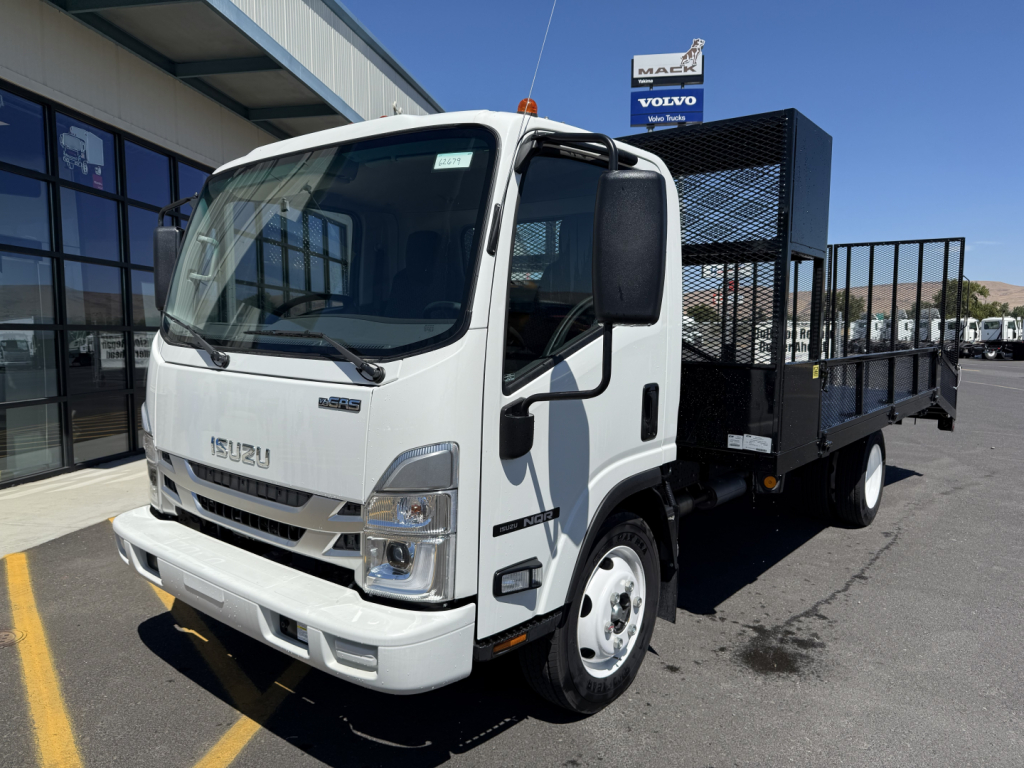
The first decision is usually chassis size, engine, and body configuration. Common Isuzu flatbed setups in the new market include gas-powered NPR and NQR models, along with diesel options in some applications, depending on model year and emissions package. Buyers should pay close attention to GVWR, wheelbase, rear axle rating, and the actual body length installed, because those numbers determine payload, load distribution, and how the truck will handle with pallets, mowers, compact machines, or bundled material. Many new units are fitted with platform bodies, landscape bodies, or stake-style beds with steel treadplate floors, rub rails, D-rings, headache racks, fold-down sides, mesh sides, and spring-assisted ramps. If the truck will carry equipment, ramp rating, dovetail length, and deck height are just as important as headline payload.
Isuzu flatbed trucks are especially popular with fleets that want easier driver entry and exit on urban or stop-and-go routes. The cab sits lower than many medium-duty conventionals, and the controls are familiar to drivers moving up from light-duty trucks. On gas models, the 6.6L V8 paired with an Allison automatic is a common choice because it simplifies maintenance planning and works well for regional service applications with frequent stops. Suspension type, rear ratio, and wheelbase all influence real-world drivability, especially if the truck will spend time on job sites, in residential areas, or on mixed highway and city routes. A shorter wheelbase improves maneuverability, while a longer wheelbase can support a longer deck and smoother load placement.
A smart buyer also evaluates the upfit, not just the cab and chassis. Bed construction, coating quality, corrosion resistance, lighting, toolbox or tool cage storage, tie-down layout, and PTO compatibility all affect long-term value. On a new Isuzu flatbed, the best specification is usually the one matched tightly to the cargo and route, not simply the highest GVWR on the page. If the truck will haul palletized material, deck width and tie-down access matter. If it will carry zero-turn mowers or compact equipment, ramp angle, mesh sides, and deck traction become more important. For buyers comparing multiple listings, the useful differences are often in body design, axle ratings, and wheelbase, because those are the details that determine how productive the truck will be once it is put to work.
Frequently Asked Questions about New Isuzu Flatbed Trucks
What are the main advantages of a new Isuzu flatbed truck?
A new Isuzu flatbed truck gives buyers a cabover design with strong visibility, tight maneuverability, and efficient use of chassis length. That makes it especially effective in urban delivery, landscaping, contractor work, and municipal service. Buyers also tend to value the straightforward cab access, familiar automatic transmission options, and the wide range of flatbed and landscape body upfits available on Isuzu N-Series chassis.
What should I check first when comparing Isuzu flatbed truck listings?
Start with GVWR, wheelbase, rear axle rating, and body length. Those four numbers tell you how much truck you are really buying and how the load will sit on the chassis. After that, review engine type, transmission, deck material, ramp setup, tie-down points, and any side-wall or stake-body features. A flatbed that looks similar at a glance can perform very differently depending on axle capacity and bed design.
Are gas Isuzu flatbed trucks a good choice for commercial use?
Gas Isuzu flatbed trucks are a strong fit for many commercial applications, especially local and regional work with frequent starts, stops, and shorter routes. The gas engine and Allison automatic combination is popular with fleets that want simpler service routines and easier driver familiarity. For buyers hauling moderate loads in landscaping, service, or delivery work, a gas-powered Isuzu flatbed can be a practical and cost-effective spec.
What body features are most important on an Isuzu flatbed?
The right body features depend on what the truck will carry every day. For equipment hauling, buyers should focus on ramp capacity, dovetail length, deck height, and secure tie-down placement. For landscaping or bulk material handling, mesh sides, fold-down gates, tool storage, and treadplate flooring are often more important. Coating quality, LED lighting, rub rails, and overall body construction also matter because they affect durability and long-term maintenance.
Why is wheelbase important on a flatbed truck?
Wheelbase affects maneuverability, body length options, ride characteristics, and load distribution. A shorter wheelbase usually works better in tight residential streets, crowded yards, and city routes. A longer wheelbase can support a longer bed and create more flexibility for pallets, equipment, or mixed cargo. On an Isuzu flatbed, wheelbase is one of the key specifications that determines how useful the truck will be in the field.