
International Flatbed Trucks For Sale in New York
Shop International flatbed trucks with specs that fit delivery, construction, equipment hauling, and municipal work in New York.
Have international flatbed truck to sell? List it here to reach thousands of buyers.
International Flatbed Trucks in New York
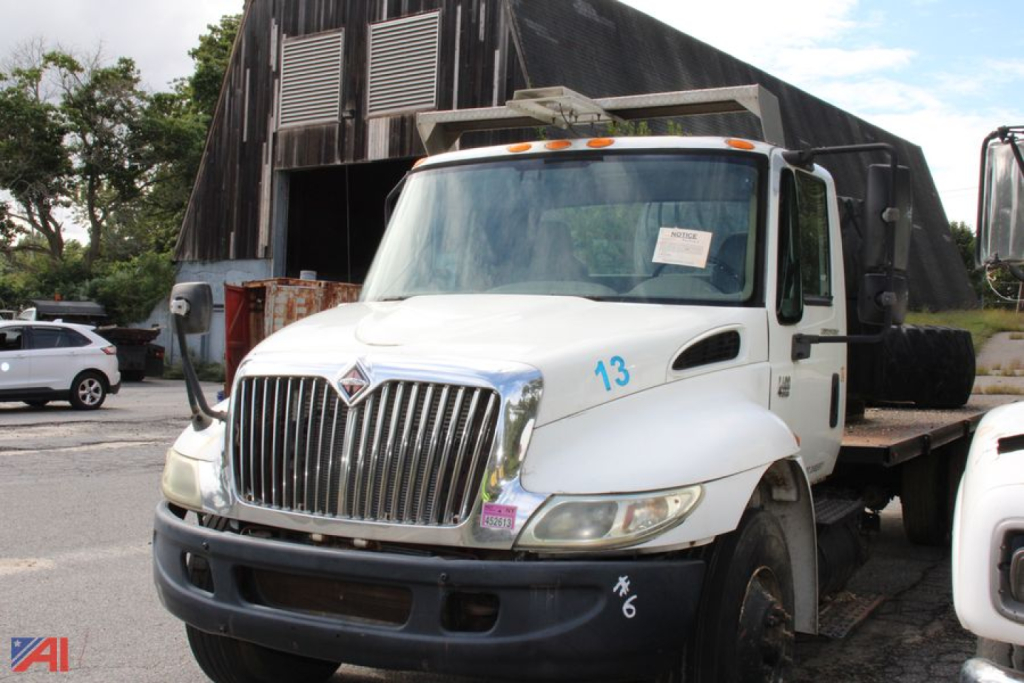
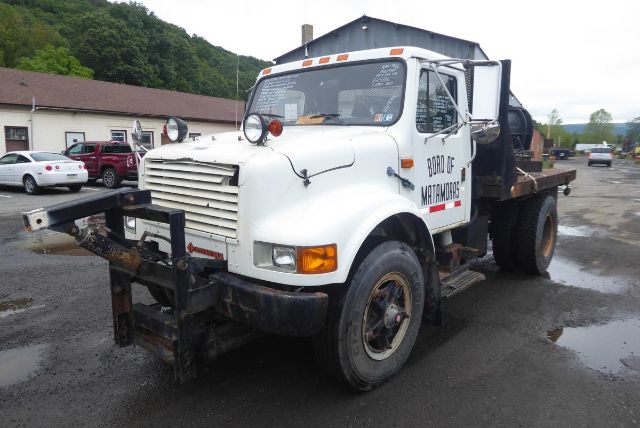
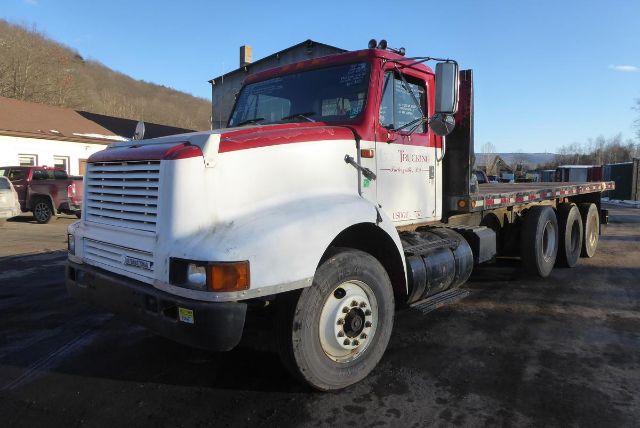
International flatbeds are often found with steel or wood floors, fixed headboards, stake pockets, rub rails, pintle hitches, and underbody tool storage. In New York, flatbeds used around construction, road maintenance, and municipal fleets may also include hydraulic hookups, plows, lift axles, or rear hitch equipment. Body length can vary substantially, from compact contractor decks to longer platforms built for palletized freight, steel, pipe, lumber, or jobsite machinery. If side loading by forklift is part of the work, deck height, axle placement, and suspension type matter as much as raw payload rating. Air ride can help protect freight and improve ride quality, while spring suspension is still common on tougher vocational setups where simplicity and durability are priorities.
Powertrain choices on International flatbed trucks range from medium-duty diesel engines paired with automatic transmissions to larger heavy-duty diesels with 10-speed manuals and higher rear axle ratings. Gear ratio matters more than many buyers expect. A shorter ratio can improve startability and low-speed jobsite performance, while a taller ratio may be more comfortable for regional road use. Brake type, tire size, frame condition, and axle configuration also deserve a close look, especially on older trucks that may have spent years in severe service. Double-frame or partial double-frame construction can be a plus for certain applications, but it should be inspected carefully for waviness, rust, repairs, and signs of overloading.
A good International flatbed truck is defined less by brand loyalty than by fit between the chassis and the work. Buyers comparing listings should focus on deck dimensions, legal payload, securement points, PTO or hydraulic capability, and how the truck will be loaded day to day. A short wheelbase truck may maneuver better in tight urban yards and city streets, while a longer wheelbase can support a larger bed and smoother weight distribution. If the truck will carry machinery, check headboard strength, tie-down layout, and frame integrity. If it will handle pallet freight, confirm usable deck space, forklift access, and any lift axle or suspension features that support changing load weights.
Frequently Asked Questions about International Flatbed Trucks in New York
What should I look for first when buying an International flatbed truck?
Start with GVWR, axle ratings, wheelbase, cab-to-axle measurement, and actual bed dimensions. Those numbers determine payload capacity, body fit, turning radius, and how the truck will handle your freight. After that, inspect the deck, headboard, tie-down points, frame rails, suspension, and brake system. On older vocational trucks, condition matters as much as the badge on the hood.
Are International flatbed trucks better suited for local delivery or heavier vocational work?
They can be suited to both, depending on the chassis and body spec. Medium-duty International models are common in local delivery, building materials, and contractor fleets, while heavier tandem and tri-axle trucks are used for equipment hauling, steel, and construction support. The right use case depends on axle configuration, suspension, engine and transmission setup, and the strength of the frame and flatbed body.
Is a steel flatbed body better than a wood-deck flatbed?
A steel deck is durable and stands up well to hard vocational use, equipment loading, and rough jobsite conditions. It is often preferred where abrasion resistance and structural toughness matter most. A wood deck can be easier on certain cargo, may offer better traction in some loading situations, and can be simpler to repair section by section. The better choice depends on cargo type, loading method, and how much abuse the bed will see.
Do I need a single-axle or tandem-axle International flatbed truck?
A single-axle flatbed is often the better fit for lighter payloads, tighter routes, and lower operating costs. It usually offers easier maneuverability in urban areas and smaller yards. A tandem-axle truck makes more sense when the job requires more legal payload, a longer body, heavier concentrated loads, or better weight distribution. Buyers hauling equipment or dense materials should compare axle ratings and bridge compliance carefully.
What are common problem areas on used International flatbed trucks?
Common inspection points include frame corrosion, double-frame distortion, worn spring pins or air suspension components, brake wear, hydraulic leaks, bed rust, and damaged rub rails or stake pockets. Check for uneven tire wear, driveline vibration, and signs the truck has been overloaded. If the truck has auxiliary hydraulics, a plow setup, or a lift axle, verify that all related controls and components operate correctly because vocational add-ons can add value but also add maintenance risk.