
Used Chevrolet Flatbed Trucks For Sale
Shop used Chevrolet flatbed trucks, 3500HD to 6500HD and LCF, with Duramax and Allison. Compare payload, deck strength, tare weight, and corrosion resistance.
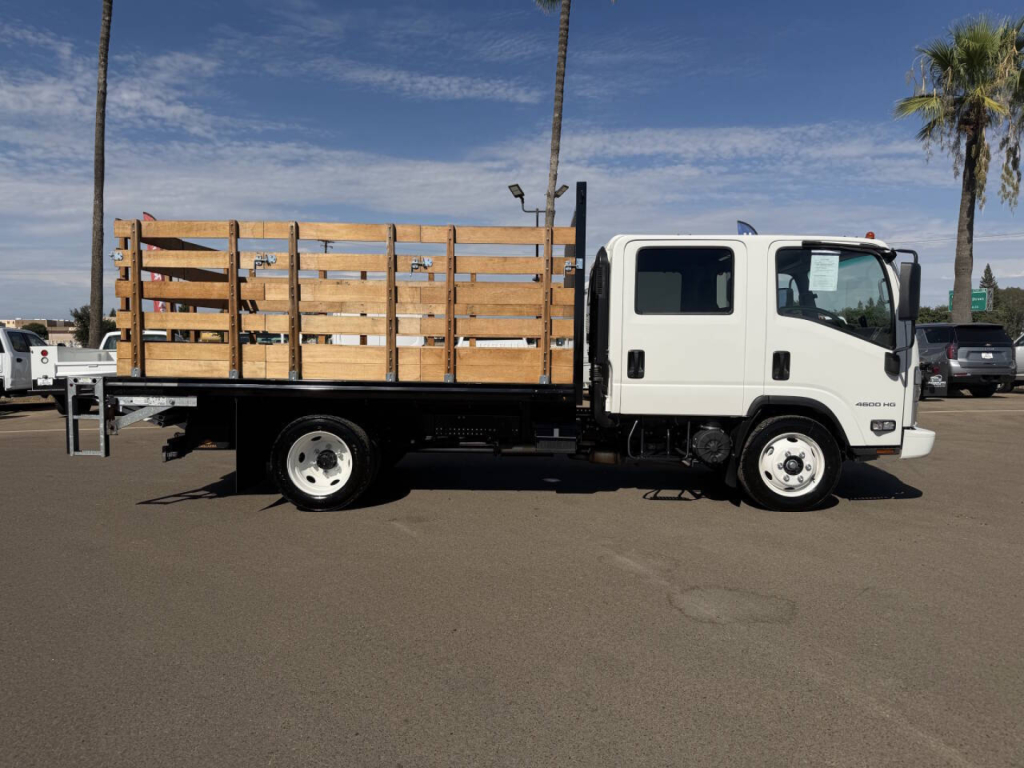

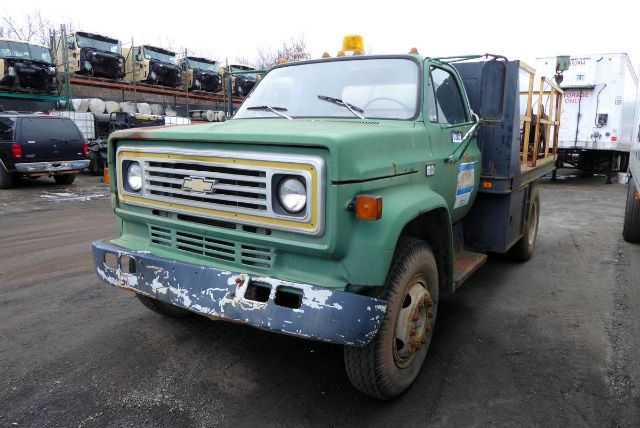
Selling a used chevrolet flatbed truck? List your used chevrolet flatbed truck for sale and reach thousands of commercial buyers.
Used Chevrolet Flatbed Trucks
Floor strength is dictated by deck material, crossmember spacing, and sills. Steel tread plate over stout sills with 12 inch crossmember spacing handles forklifts and dense machinery, it adds weight and needs proper coatings to limit rust. Apitong or oak plank floors absorb impact and are easy to repair, look for close crossmember spacing and inspect high stress zones at stake pockets and wheelwells. Aluminum decks resist corrosion and wash clean, they rely on deeper extrusions and tighter crossmember spacing to hit comparable point load and concentrated load ratings, verify any stated forklift rating and bulkhead strength if freight leans against the headboard. Securement is critical, count stake pockets, rub rails, recessed D rings, and any winch track, and check that tie down hardware is not bent thin or cracked.
Corrosion resistance is a key differentiator on used units. Chevrolet frames use protective coatings, yet road salt targets crossmembers, spring hangers, and body mounts, look for scaling between chassis rails and body sills and along wiring clips. Powder coated or galvanized flatbeds last longer than painted steel, aluminum bodies avoid rust but watch for galvanic corrosion at mixed metal joints, isolators and anti seize help. Tare weight climbs with toolboxes, underbody ramps, headache racks, liftgates, and cranes, confirm curb weight on the door or upfitter tag and compute payload as GVWR minus curb weight minus fuel and driver. Brakes are typically hydraulic on 3500HD to 5500HD, some 6500HD use air, tire sizes are commonly 19.5 inches on Class 4 and 5 and 22.5 inches on Class 6. Inspect emissions equipment history on Duramax trucks, excessive regens can indicate short cycle duty.
Fit and geometry determine usability. Match cab to axle with deck length, a 60 inch CA often nets a 10 to 12 foot bed, 84 inch CA supports 12 to 14 feet, longer wheelbases carry 16 to 20 foot platforms. Wheelbase and rear overhang affect stability and turning, longer decks ride smoother but need more room. Choose 4x4 for jobsites and snow, locking differentials help on gravel. For hoists, cranes, or hydraulics, verify an Allison model with PTO gear and that pumps, hoses, and reservoirs are dry. Check trailer tow readiness, integrated brake controller, 7 pin plug, receiver or pintle, and confirm lighting circuits are protected with sealed connectors.
Frequently Asked Questions about Used Chevrolet Flatbed Trucks
What payload can I expect from a used Chevrolet 3500HD, 4500HD, 5500HD, or 6500HD flatbed?
Actual payload depends on GVWR, bed material, and installed options. A 3500HD chassis cab typically carries about 7,000 to 9,000 pounds with a 9 to 12 foot bed. A 4500HD around 16,000 GVWR often nets 8,000 to 10,000 pounds. A 5500HD in the 17,500 to 19,500 GVWR range can deliver 9,000 to 12,000 pounds. A 6500HD up to the low 20,000s GVWR can reach 12,000 to 16,000 pounds depending on wheelbase, axle ratings, and body weight. Verify the door tag, weigh the truck as equipped, and subtract from GVWR for a precise number.
Is aluminum, steel, or hardwood best for a Chevrolet flatbed deck?
Aluminum cuts tare weight and resists corrosion, which boosts payload and looks clean, it relies on deeper extrusions and closer crossmember spacing to match point load ratings and can dent from hard chain contact. Steel tread plate offers high floor strength and weldable versatility at the cost of weight and potential rust if coatings are compromised. Hardwood such as apitong or oak absorbs impact, provides traction, and is field serviceable, it needs sealing and periodic board replacement in wet climates. Choose based on payload target, environment, and the type of equipment that will roll onto the deck.
What should I inspect on a used Chevy flatbed truck before purchase?
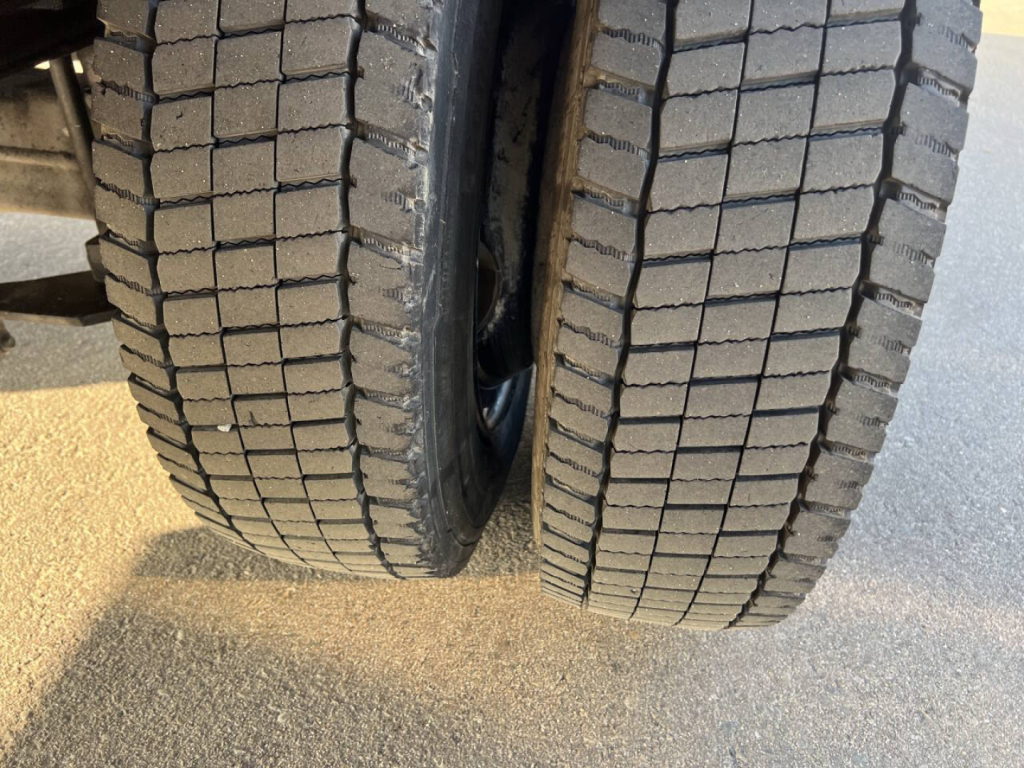
Inspect chassis rails, crossmembers, and body mount points for rust scaling or cracks, check the interface between the frame and bed sills for moisture traps. Evaluate tie down points, stake pockets, rub rails, and winch tracks for deformation. Look for leaks at PTOs, hoists, and hydraulic lines, confirm Allison PTO configuration if needed. Review Duramax DEF and DPF service records, check for frequent regens. Test brake feel and note whether the truck has hydraulic or air brakes, inspect tires for even wear and date codes. Verify cab to axle length against bed size, and confirm lighting, trailer wiring, and brake controller function.
Do I need a CDL to operate a Chevrolet 5500HD or 6500HD flatbed?
CDL requirements are typically triggered at 26,001 pounds GVWR or higher, or by combined weight when towing a heavy trailer. Many 5500HD models fall below the CDL threshold, some 6500HD trucks exceed it. Air brakes alone do not require a CDL under federal rules, but states may have specific testing or endorsement rules. Always check the GVWR on the door tag and confirm your state and local regulations for CDL and endorsement requirements.
How do Chevrolet Low Cab Forward flatbeds compare to Silverado Medium Duty for city work?
Low Cab Forward models offer a shorter bumper to back of cab dimension and excellent visibility, which produces a tight turning radius and easy curbside placement, ideal for dense urban routes. Silverado Medium Duty conventional cabs ride smoother at speed, provide more interior room, and often have broader parts commonality with North American service networks. Choose LCF for maneuverability and frequent stop and go, choose conventional for highway miles, ride quality, and upfitting space behind the cab.