
2007 Flatbed Trucks For Sale
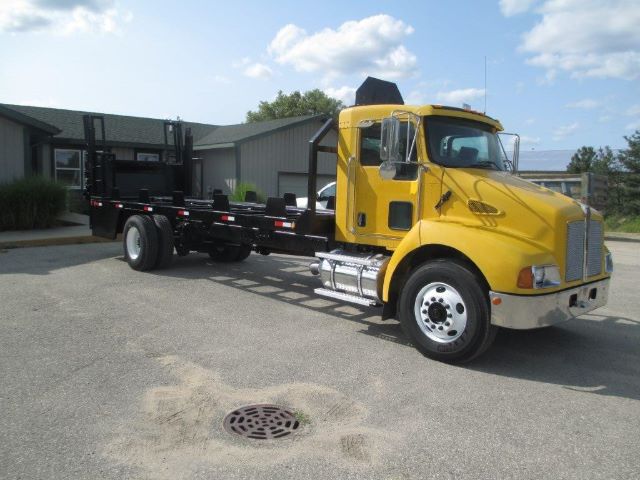
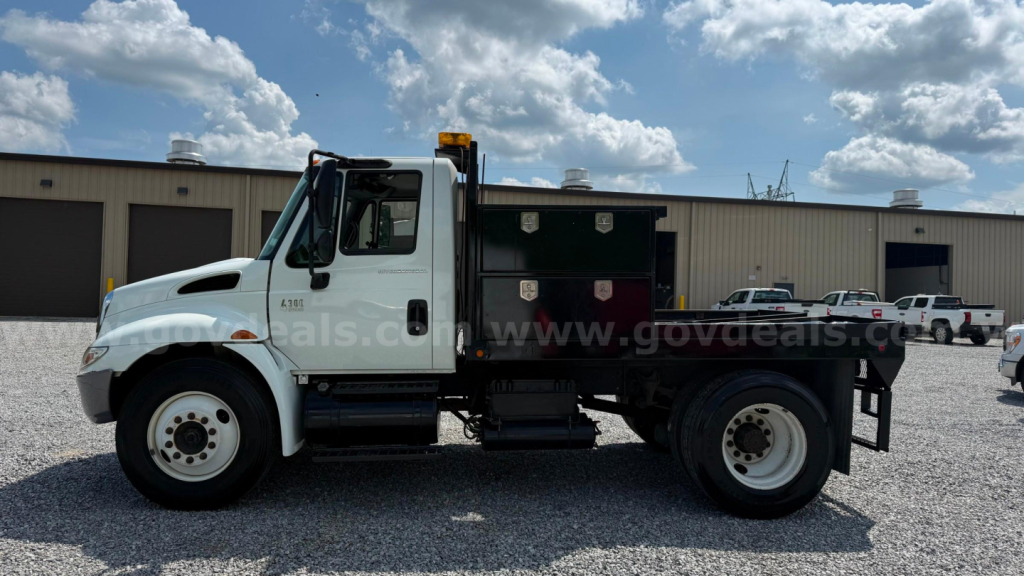
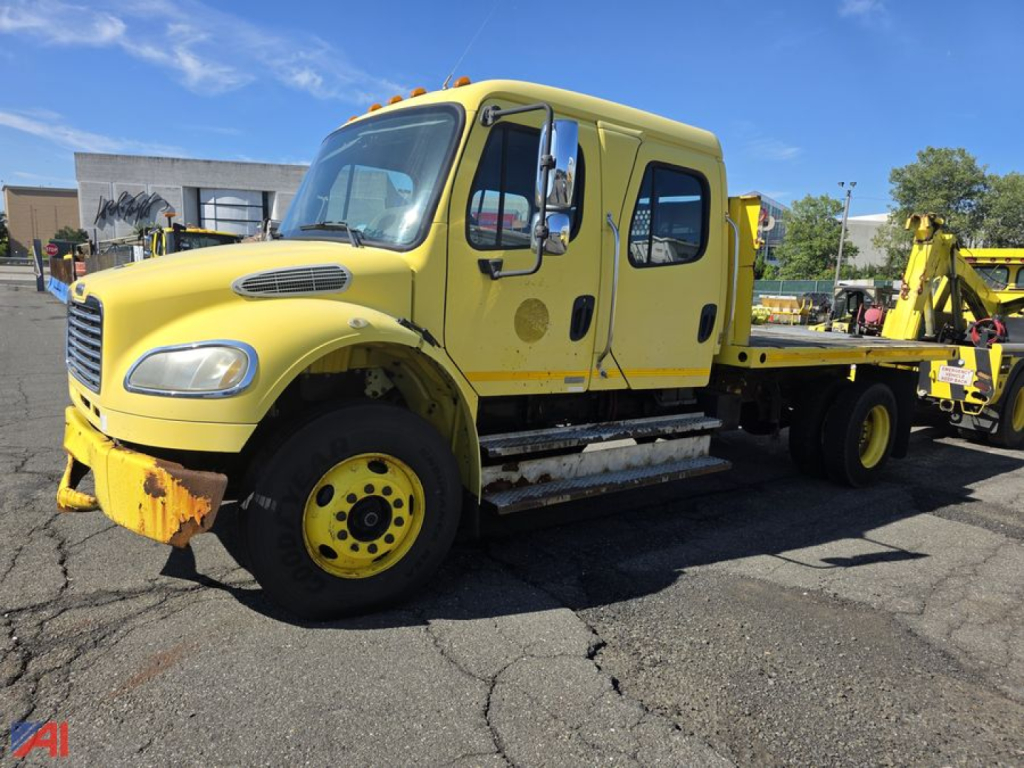
Have 2007 flatbed truck to sell? List it here to reach thousands of buyers.
2007 Flatbed Trucks
Bed configuration matters as much as the truck itself. Many 2007 flatbed trucks were built with steel decks for durability and concentrated load handling, while some use aluminum bodies to save weight and improve payload. Buyers should look closely at deck length, deck width, floor material, stake pockets, rub rails, tie-down placement, bulkhead design, and whether the body includes a gooseneck hitch, storage boxes, ramps, forklift kit, or beavertail. A truck used in masonry, lumber, landscaping, or equipment delivery may also have scuff-resistant flooring, headache racks, winches, or underbody tool storage that significantly changes day-to-day usefulness.
Powertrain and chassis specs on 2007 flatbeds vary widely. In the medium-duty segment, diesel engines and automatic transmissions are common, though gas engines appear on lighter GVWR trucks. Rear axle ratio, suspension type, brake setup, and tire size all affect how the truck performs with a full deck load or in stop-and-go local service. Buyers comparing 2007 models should pay attention to frame condition, crossmember corrosion, bed mounting quality, PTO operation if equipped, and signs of hard vocational use such as overloaded springs, damaged rub rails, uneven tire wear, or cracked decking. If the truck will be used for CDL or near-CDL applications, confirming registered weight, payload capacity, and local bridge or route restrictions is just as important as engine output.
A good 2007 flatbed truck can still fit a wide range of operations, especially local delivery, municipal work, contractor fleets, farm use, and equipment transport. The best choice depends on the cargo profile and loading method. Forklift-loaded freight usually benefits from a straight, unobstructed deck and strong tie-down points, while equipment hauling may call for a beavertail and ramps. If the truck will see urban routes, cab visibility, turning radius, and overall bed length deserve extra attention. On older flatbeds, service records, body integrity, and evidence of consistent maintenance often tell more than odometer reading alone.
Frequently Asked Questions about 2007 Flatbed Trucks
What should I check first on a 2007 flatbed truck?
Start with the chassis and body fundamentals: GVWR, front and rear axle ratings, wheelbase, cab-to-axle measurement, and bed length. Then inspect frame rails, suspension, brake condition, deck structure, crossmembers, rub rails, stake pockets, and tie-down points. On a 2007 model, rust, prior repairs, and signs of repeated overloading can matter more than cosmetic appearance.
Are 2007 flatbed trucks better with steel or aluminum beds?
Steel beds are generally preferred for heavier vocational work because they handle abrasion, concentrated loads, and rough loading conditions well. Aluminum beds reduce empty weight and can improve payload, which is valuable for delivery applications where every pound counts. The right choice depends on what the truck hauls, how it is loaded, and how important corrosion resistance is in the operating region.
What bed length is common on a 2007 flatbed truck?
Common lengths vary by chassis class and application, but many 2007 flatbed trucks fall in the 12-foot to 26-foot range. Shorter beds are common on contractor and municipal units, while longer decks are used for palletized material, building supplies, and equipment support. Buyers should match bed length to turning radius, load securement needs, and loading dock or jobsite access.
Do I need a CDL for a 2007 flatbed truck?
That depends on the truck’s GVWR, the combined rating with any trailer, and state and federal regulations. Many medium-duty flatbeds can be spec'd below CDL threshold, while heavier configurations may require a CDL depending on gross weight and intended use. It is important to verify the door tag, registration class, and how the truck will actually be operated before purchase.
What features add the most value on a used flatbed truck?
Useful value-adding features include a strong bulkhead, quality tie-down points, stake pockets, underbody boxes, a forklift mounting kit, ramps, a beavertail, and a well-built deck with minimal structural rust. For vocational use, suspension condition, tire match, brake life, and transmission performance usually matter more than appearance. Clean wiring, solid lighting, and a body mounted correctly to the frame also separate a dependable truck from one that will need immediate shop time.