
Used Flatbed Dump Trucks For Sale in New York
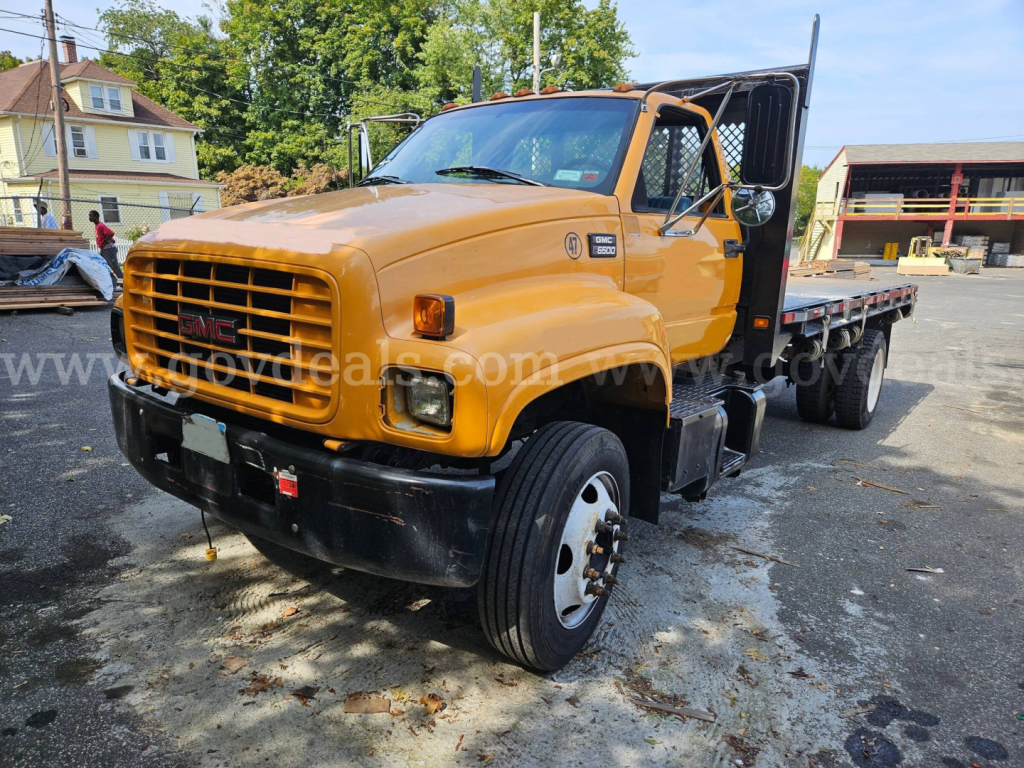
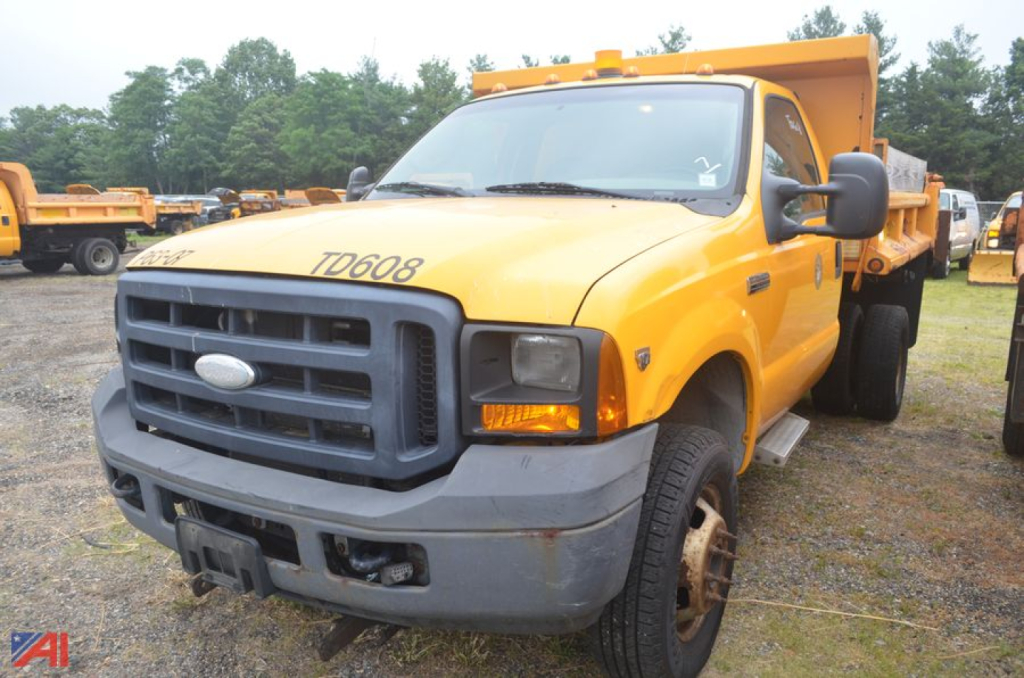
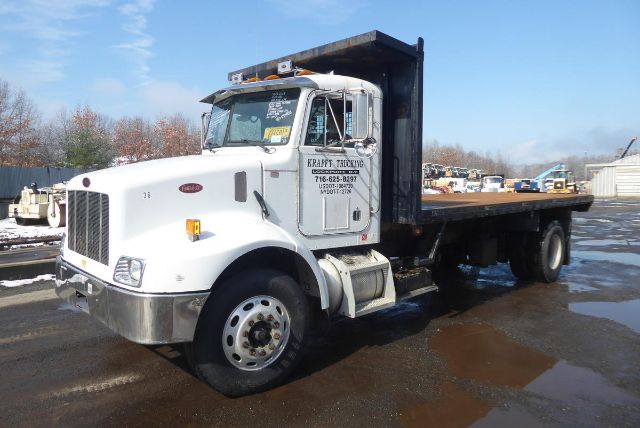
Have used flatbed dump truck to sell? List it here to reach thousands of buyers.
Used Flatbed Dump Trucks in New York
Common specs in this category range from Class 5 through Class 8 chassis, including medium-duty single-axle trucks and heavier tandem applications. You will see GVWRs from roughly 19,500 pounds on smaller units up to 33,000 pounds and beyond on heavier trucks, with diesel engines, PTO-driven hydraulics, air or hydraulic brakes depending on class, and manual or automatic transmissions. Bed lengths often fall in the 10-foot to 20-foot range. Steel floors and crossmembers are preferred when the truck is expected to dump aggregate, broken concrete, brush, or scrap, while stake sides, rub rails, tie-down points, and headache racks add value for mixed-use hauling. A wetline or PTO and pump setup is critical, and buyers should confirm whether the body uses a scissor hoist, telescopic cylinder, or underbody hoist, since lift geometry and maintenance access vary.
Condition matters more on a used flatbed dump truck than on many other vocational trucks because the body, frame, and hydraulic system all take concentrated stress. Look closely at the subframe, hinge points, hoist mounts, rear sill, and any signs of frame reinforcement or cracking near the suspension hangers. Check for floor buckling, rust-through, bent side rails, worn pins and bushings, and hydraulic leaks at the cylinder, hoses, control valve, and pump. If the truck has a double frame, high rear axle ratio, or heavy suspension package, that can be a plus for off-road starts and repeated loading cycles. Tire size, wheelbase, cab-to-axle, and deck height also affect how the truck loads with forklifts, clears jobsite grades, and distributes weight legally across axles.
For buyers in New York, practical considerations include corrosion exposure from road salt, bridge and municipal weight limits, and maneuverability in dense service areas. A shorter wheelbase can be easier in city work, while a longer cab-to-axle dimension supports a longer deck and more versatile cargo handling. If the truck will switch between loose material and strapped freight, confirm the body has usable anchor points, a straight deck, and enough hoist travel to unload cleanly. Also verify that the PTO engages properly under load and that the hydraulic cycle is smooth and stable. A well-matched flatbed dump truck can replace multiple single-purpose units in a fleet, but only if the chassis, hoist, and deck are sized for the actual work.
Frequently Asked Questions about Used Flatbed Dump Trucks in New York
What is a flatbed dump truck used for?
A flatbed dump truck is used when the job requires both an open cargo deck and the ability to raise the body to unload material. It is common in landscaping, construction support, masonry supply, tree work, municipal maintenance, and debris removal. The design lets operators carry palletized product, equipment, or bundled material on the flatbed, then dump soil, stone, brush, or demolition waste when needed.
What should I inspect first on a used flatbed dump truck?
Start with the hydraulic system, body structure, and truck frame. Check the PTO operation, pump response, cylinder condition, hose routing, and control valve function. Then inspect the bed floor, hoist mounts, hinge area, rear sill, and subframe for cracks, rust, distortion, or poor repairs. On the chassis side, pay attention to frame rails, suspension components, brake condition, and any evidence that the truck has regularly carried more weight than it was designed for.
Which hoist type is better on a flatbed dump truck?
The best hoist type depends on the material and duty cycle. Scissor hoists are common on medium-duty flatbed dump trucks because they provide strong lifting power and a stable raise for compact bodies. Telescopic front cylinders can offer higher dump angles and simpler underbody access, but body design and mounting matter. Underbody hoists are also used in some applications. Buyers should focus on lift capacity, stability, serviceability, and whether the hoist matches the body length and expected payload.
How do GVWR and bed size affect buying decisions?
GVWR and bed size determine payload potential, axle loading, maneuverability, and CDL considerations. A longer bed increases cargo flexibility, but it can also reduce maneuverability and change weight distribution if the truck is loaded incorrectly. A higher GVWR chassis generally supports heavier work, but only if the suspension, axles, wheels, tires, and hoist system are matched to the job. Buyers should compare legal payload, not just empty deck space.
Are used flatbed dump trucks a good fit for New York work?
They can be a strong fit because many New York operations need one truck to handle varied tasks across tight urban routes and seasonal job demands. The key is to account for rust exposure, road salt damage, bridge restrictions, and stop-and-go operating conditions. Trucks with solid frames, clean hydraulic systems, usable tie-down points, and the right wheelbase for the service area tend to be the most practical choice.