
Peterbilt Flatbed Dump Trucks For Sale
Shop Peterbilt flatbed dump trucks for hauling aggregates, pallets, equipment, and jobsite materials with dump body versatility.
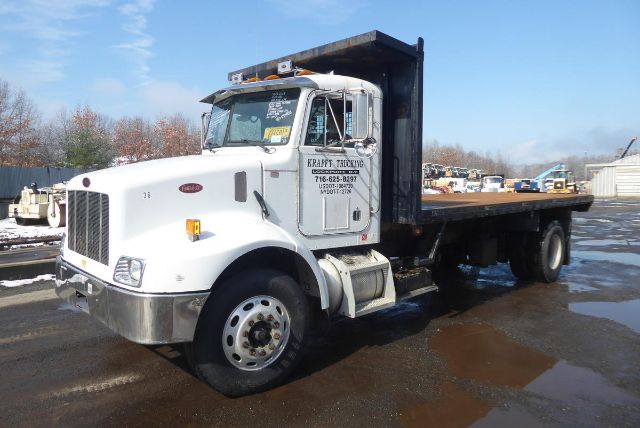
Selling a peterbilt flatbed dump truck? List your peterbilt flatbed dump truck for sale and reach thousands of commercial buyers.
Peterbilt Flatbed Dump Trucks
On Peterbilt models in this class, pay close attention to body design and hydraulic setup before comparing paint or mileage. Common details that matter include deck length, steel or combo floor construction, scissor hoist versus telescopic lift, headache rack height, tie-down points, side height, and whether the truck has a wetline or PTO arrangement already matched to the body. A steel flatbed dump body is usually preferred for abrasive materials and demolition work, while a lighter platform may make more sense when payload and general freight versatility are the priority. Deck height also matters more than many buyers expect, especially if the truck will be loaded by forklift every day. A low deck can improve loading efficiency, while a heavier double-frame chassis may better support repeated dump cycles and tougher site conditions.
Chassis specifications on Peterbilt flatbed dump trucks vary widely, but many are set up as Class 7 or Class 8 single-axle trucks with GVWRs around 33,000 pounds and rear axles in the vocational range. Transmission choice, axle ratio, and suspension should match the route and material. Lower gearing and a 9-speed or similar manual transmission can be a good fit for stop-and-go work, steep grades, and heavier starts. Air ride suspension can improve road manners and protect certain loads, while more severe-duty setups may be better for rough access roads and repeated site entry. Engine output in this category is often selected for torque and durability rather than top-end speed, so it is worth balancing horsepower, rear ratio, tire size, and intended payload instead of judging the truck by engine rating alone.
The most useful flatbed dump trucks are the ones whose body, wheelbase, and cab-to-axle dimensions line up with the work. A longer wheelbase and 18-foot to 20-foot body can add carrying flexibility, but turning radius and jobsite access may suffer in tight urban work. Buyers should also inspect hoist condition, frame integrity, crossmember condition, hydraulic leaks, brake spec, and evidence of overloading around the body mounts and rear suspension. If the truck will regularly haul both strapped freight and bulk material, features like ratchet storage, stake pockets, scuff protection, and clean PTO controls can make the difference between a truck that is merely capable and one that is efficient every day.
Frequently Asked Questions about Peterbilt Flatbed Dump Trucks
What is a Peterbilt flatbed dump truck used for?
A Peterbilt flatbed dump truck is used for operations that need to haul both conventional flatbed cargo and dumpable material. Common applications include landscape supply delivery, construction material transport, palletized product delivery, debris removal, municipal maintenance, and contractor work where one truck may carry bundled materials on one trip and dump spoil or aggregate on the next.
What should I look for first on a used flatbed dump truck?
Start with the body and hydraulic system, because those components define how the truck will actually perform on the job. Check the hoist type, PTO engagement, cylinder condition, frame rails, body mounts, floor wear, tie-down hardware, and signs of twisting or cracking near the rear of the chassis. After that, review axle ratings, GVWR, wheelbase, transmission, and gearing to confirm the truck is correctly matched to the loads and routes you plan to run.
Is a scissor hoist or telescopic hoist better on a flatbed dump?
A scissor hoist is common on flatbed dump trucks because it provides stable lifting from a compact mounting position and works well for many medium-duty applications. A telescopic hoist can offer higher lift geometry in some setups, but the better choice depends on body length, load type, dump angle needs, and maintenance preference. For many buyers, the key question is not which style is universally better, but whether the installed hoist is properly sized and in good working order.
Are Peterbilt flatbed dump trucks good for palletized loads and loose material?
Yes, that dual-purpose role is the main reason buyers choose this configuration. The flat deck allows forklift loading, straps, and general cargo handling, while the dump function adds the ability to unload bulk material, debris, or jobsite waste without separate equipment. The tradeoff is that body weight, deck height, and dump hardware can affect payload and loading convenience, so the best truck is the one configured around your actual mix of work.
Why do axle ratio and wheelbase matter on a flatbed dump truck?
Axle ratio affects startup power, gradeability, and road speed, which are all important on a truck that may see heavy loads and frequent stops. Wheelbase affects body length, bridge law considerations, turning radius, and how the truck handles on crowded jobsites. A truck with the right ratio and wheelbase for its body and route will usually be more productive and easier to live with than one chosen only for engine size or price.