
Used Ford Flatbed Dump Trucks For Sale
Browse used Ford flatbed dump trucks with common specs, payload considerations, bed options, PTO setups, and work-ready applications.
No exact matches found for your search
Showing Used Flatbed Dump Trucks instead.
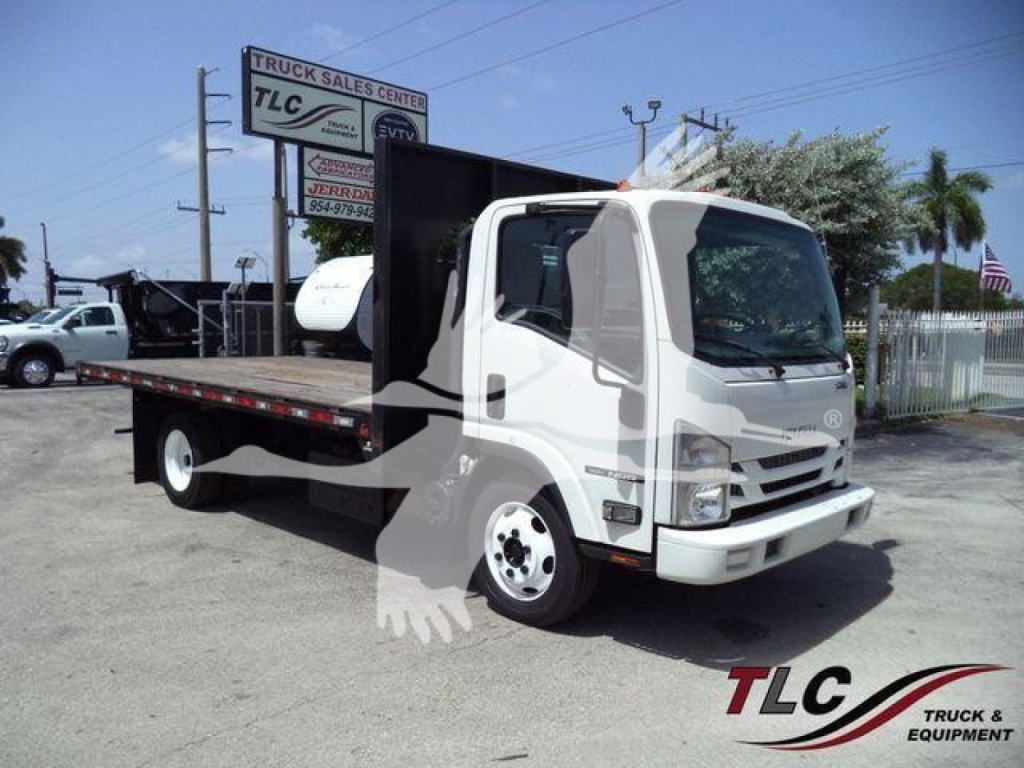
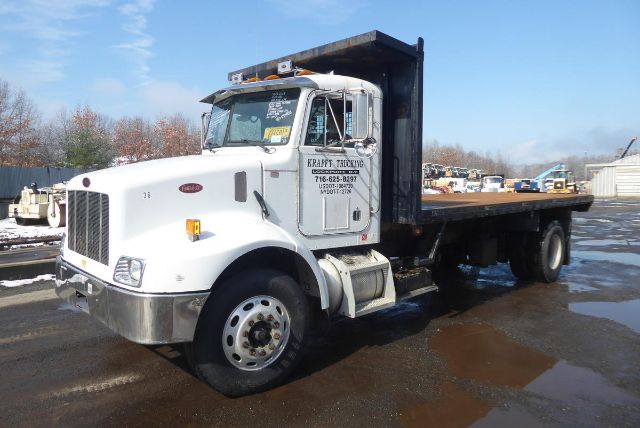
Selling a used ford flatbed dump truck? List your used ford flatbed dump truck for sale and reach thousands of commercial buyers.
Used Ford Flatbed Dump Trucks
The first buying decision is usually chassis size and bed setup. A Ford F-350 flatbed dump truck can work well for lighter material, tools, and crew support, while F-450 and F-550 trucks are more common when higher payload, heavier upfit equipment, or regular trailer towing is part of the job. Bed lengths often fall in the 9-foot to 12-foot range, with steel bodies favored for durability and aluminum bodies chosen to save weight. Many units include fold-down sides, removable stake sides, underbody toolboxes, tarp systems, pintle hitches, trailer brake controllers, and PTO-driven hydraulic hoists. If the truck is set up for winter work, buyers may also see spreaders, plows, central hydraulics, or electrical upgrades already in place.
Condition matters more on this category than the odometer alone. Buyers should inspect the dump subframe, hoist cylinder, hinge points, crossmembers, floor thickness, and any rust around the body mounts or rear sill. On used Ford flatbed dump trucks, it is also smart to verify engine and transmission pairing, spring capacity, brake condition, tire date codes, and whether the truck has been operated consistently at or near rated capacity. If the body has been used for salt, fertilizer, or demolition debris, corrosion and wiring condition deserve extra attention. A clean PTO engagement, smooth hoist cycle, and straight frame rails tell you more about future service life than paint condition.
Ford flatbed dump trucks are often chosen because parts availability, service familiarity, and upfit flexibility are strong across the Super Duty platform. Gas and diesel configurations are both common in the used market, and the right choice depends on route density, idle time, towing demand, and maintenance budget. Buyers comparing listings should pay close attention to axle ratio, cab configuration, drivetrain, hydraulic setup, and bed construction, because two trucks with similar model names can perform very differently once loaded. A well-matched Ford flatbed dump truck can handle bulk material one day, palletized product the next, and equipment support work throughout the week.
Frequently Asked Questions about Used Ford Flatbed Dump Trucks
What is a flatbed dump truck used for?
A flatbed dump truck is used for jobs that require both open-deck versatility and the ability to unload bulk material by raising the bed. Common applications include mulch, gravel, topsoil, bagged material, pallets, jobsite tools, small equipment, and seasonal work such as salting or snow removal. The design is especially useful for operators who need one truck to handle several duties instead of dedicating separate platform and dump units.
Which Ford models are most common in the flatbed dump category?
Ford Super Duty chassis are the most common foundation for this category, especially the F-350, F-450, and F-550. The F-350 typically fits lighter-duty applications, while F-450 and F-550 models are more common when buyers need more payload, stronger rear axle capacity, or heavier body and hydraulic equipment. The exact capability depends on GVWR, cab style, wheelbase, drivetrain, and the upfit installed on the chassis.
What should I inspect on a used Ford flatbed dump truck?
Focus on the structure and hydraulic system first. Inspect the dump bed floor, crossmembers, hoist, PTO operation, hinge assembly, body mounts, frame condition, and any corrosion from salt or chemical exposure. Then check drivetrain and chassis items such as transmission shifting, brake wear, suspension condition, steering play, tire condition, and signs of overloading. Service records and evidence of consistent maintenance can be more important than mileage by itself.
Is steel or aluminum better for a flatbed dump body?
Steel bodies generally hold up better in hard-use applications involving rock, demolition debris, and repeated loading with skid steers or compact equipment. Aluminum bodies reduce empty weight and can improve payload, which is helpful for lighter materials and operators trying to stay within weight limits. The better choice depends on what the truck hauls most often, how rough the loading process is, and how much corrosion resistance matters in the operating environment.
Are used Ford flatbed dump trucks good for snow and ice work?
Yes, many are well suited for snow and ice operations, especially when they already have spreader controls, plow prep, auxiliary lighting, or upgraded electrical systems. A flatbed dump setup can carry a spreader while still allowing seasonal flexibility when winter equipment is removed. Buyers should confirm front axle capacity, charging system output, hydraulic or electric accessory compatibility, and any corrosion from prior salt exposure before purchase.