
Used Fire Trucks For Sale in North Carolina
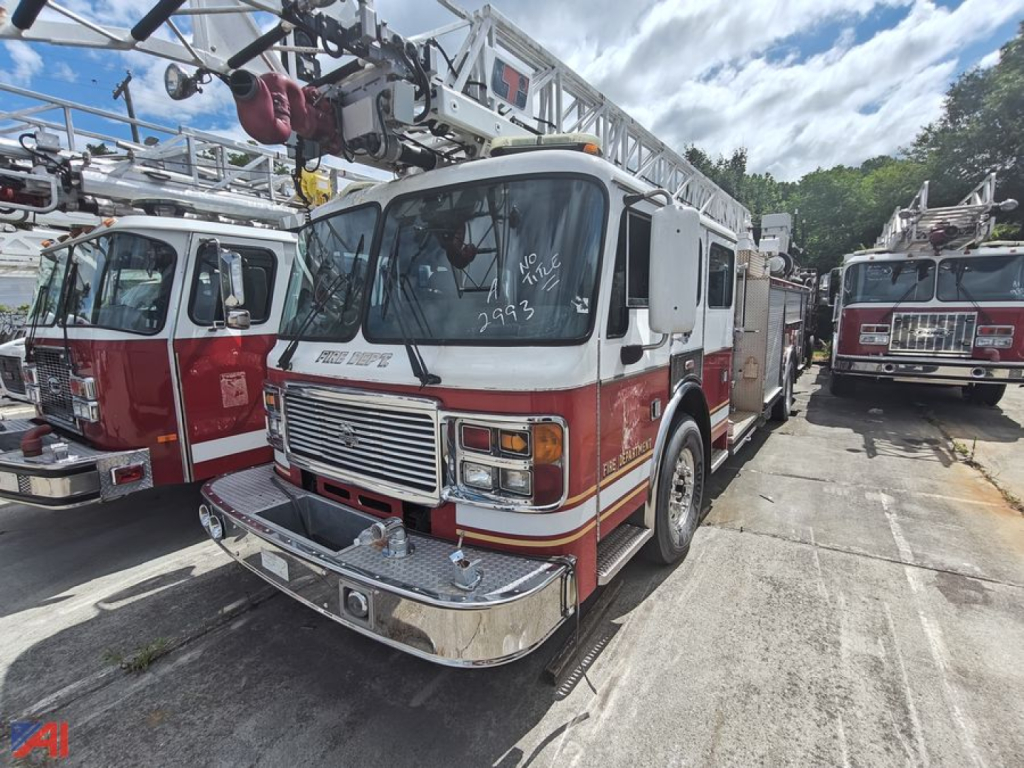
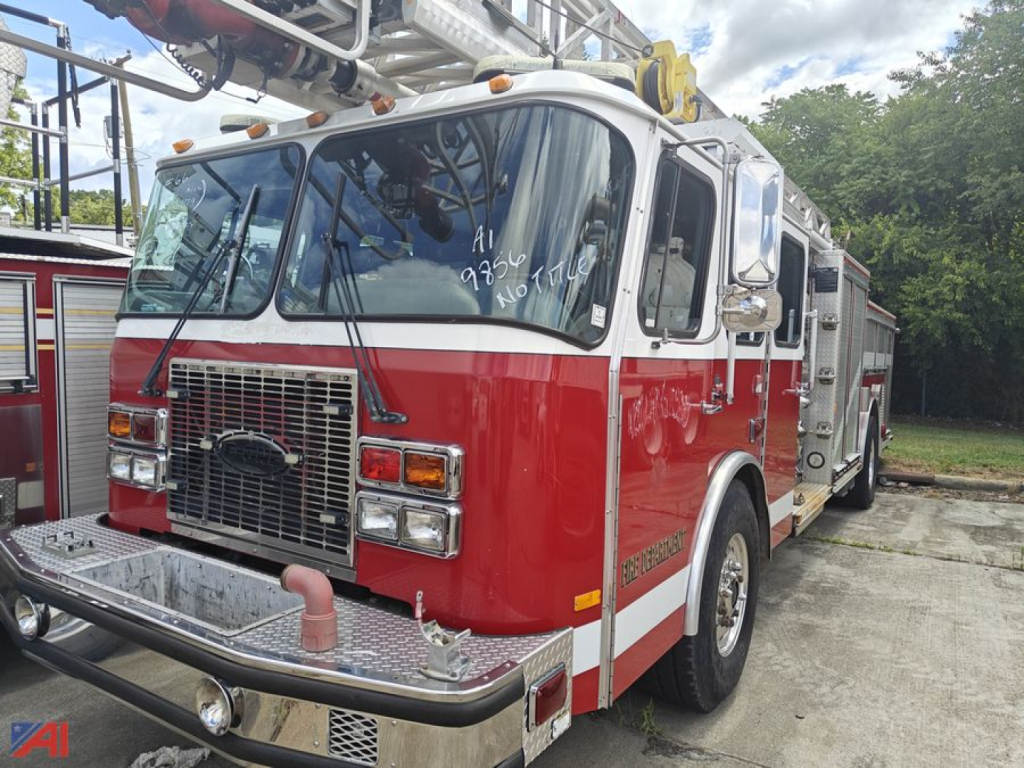
Browse used fire trucks for sale in North Carolina, including pumpers, quints, and ladder trucks with key specs buyers compare most.
Learn more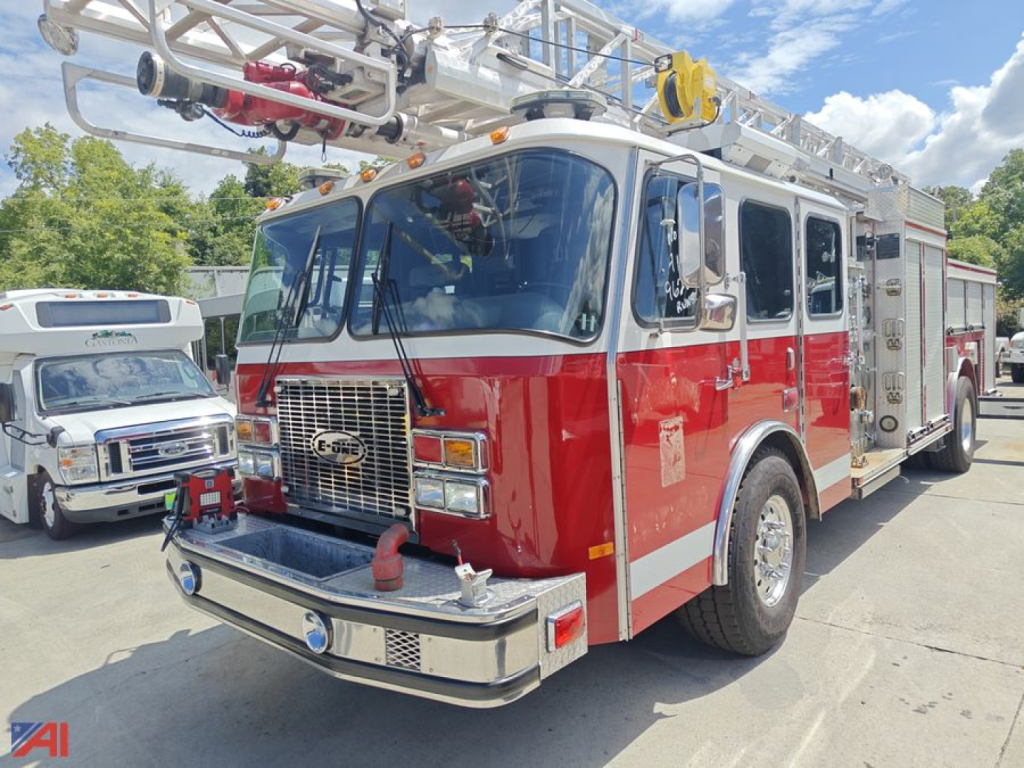
Have used fire truck to sell? List it here to reach thousands of buyers.
About Used Fire Trucks in North Carolina
A smart used fire truck purchase starts with the pump, water tank, aerial equipment if equipped, and the condition of the chassis. Buyers typically compare pump ratings such as 1,250 GPM, 1,500 GPM, or higher, tank capacities, hose bed layout, PTO or midship pump configuration, and generator or scene lighting systems. On ladder trucks and quints, pay close attention to aerial length, waterway setup, turntable condition, interlock function, and service records for the ladder testing cycle. On any used apparatus, engine hours, idle hours, transmission type, corrosion in body compartments, frame condition, electrical system integrity, and the status of warning lights, sirens, and communication equipment matter just as much as mileage. Fire apparatus often accumulate substantial idle time, so hour readings can be more important than odometer numbers.
Chassis layout and body construction also affect long-term operating cost. Common used fire trucks may be built on custom or commercial chassis from builders such as American LaFrance, E-One, Pierce, Spartan, Freightliner, or International. Aluminum body construction can help with corrosion resistance, while stainless components and well-maintained plumbing are important in apparatus that have seen heavy pump use. Departments reviewing older units should verify parts support, emissions system complexity, axle ratings, tire date codes, brake condition, and whether the truck still meets local requirements for NFPA-related inspection, testing, and safety equipment. Refurbished reserve apparatus can still offer strong value, but deferred maintenance on pumps, aerial devices, foam systems, and electrical controls can quickly change the cost equation.
Used fire trucks for sale in North Carolina often appeal to volunteer departments, smaller municipalities, industrial sites, contractors needing specialty support vehicles, and buyers exporting apparatus for secondary service. The best value usually comes from matching the truck's original build purpose to the new duty cycle. A former city quint may be ideal for training or backup service, while a lower-hour pumper with documented maintenance may be a better fit for regular response. Buyers should review maintenance logs, pump test history, aerial certification where applicable, and title status before purchase, then confirm that wheelbase, overall length, compartment space, and GVWR fit the roads, station dimensions, and staffing model where the apparatus will operate.
Frequently Asked Questions
What should I check first when buying a used fire truck?
Start with the service records, pump test documentation, and any aerial certification records if the apparatus is a ladder truck or quint. After that, review engine hours, idle hours, drivetrain condition, brake system, tire age, electrical systems, and signs of corrosion in the body, frame, and plumbing. A used fire truck can look clean cosmetically but still have expensive deferred maintenance in the pump, valves, ladder interlocks, generator, or warning systems.
Is mileage or engine hours more important on a used fire truck?
Engine hours and idle hours are usually more important than mileage. Fire apparatus often spend long periods idling at scenes, during training, and while powering pumps, lights, or onboard systems. A truck with moderate mileage but very high idle time may show more wear in the engine, cooling system, and auxiliary components than the odometer suggests.
What is the difference between a pumper, a ladder truck, and a quint?
A pumper is built primarily to carry water, hose, and a fire pump for suppression operations. A ladder truck adds an aerial device for elevated access, rescue, and master stream use. A quint combines five core functions in one apparatus, typically pump, water tank, hose storage, aerial device, and ground ladders. Quints are versatile, but buyers need to confirm that the truck's size, turning radius, and maintenance demands fit their service area.
Do older used fire trucks still make sense for departments or support operations?
Yes, if the apparatus is being matched to the right role and has solid maintenance history. Older fire trucks are often used successfully as reserve units, training apparatus, industrial emergency response vehicles, or export equipment. The key is to budget realistically for inspection, testing, repairs, and any upgrades needed to meet current operational or local compliance standards.
What matters most on a used ladder truck or aerial fire truck?
The aerial device condition is the top priority. Buyers should verify ladder length, rated capacity, waterway configuration, turntable operation, interlocks, stabilizer performance, and recent inspection or certification records. Structural corrosion, hydraulic leaks, electrical faults, and incomplete test history can turn an aerial truck into a high-cost project, so documentation and functional testing are critical.