
Used Fire Trucks For Sale in New York
Have used fire truck to sell? List it here to reach thousands of buyers.
Used Fire Trucks in New York
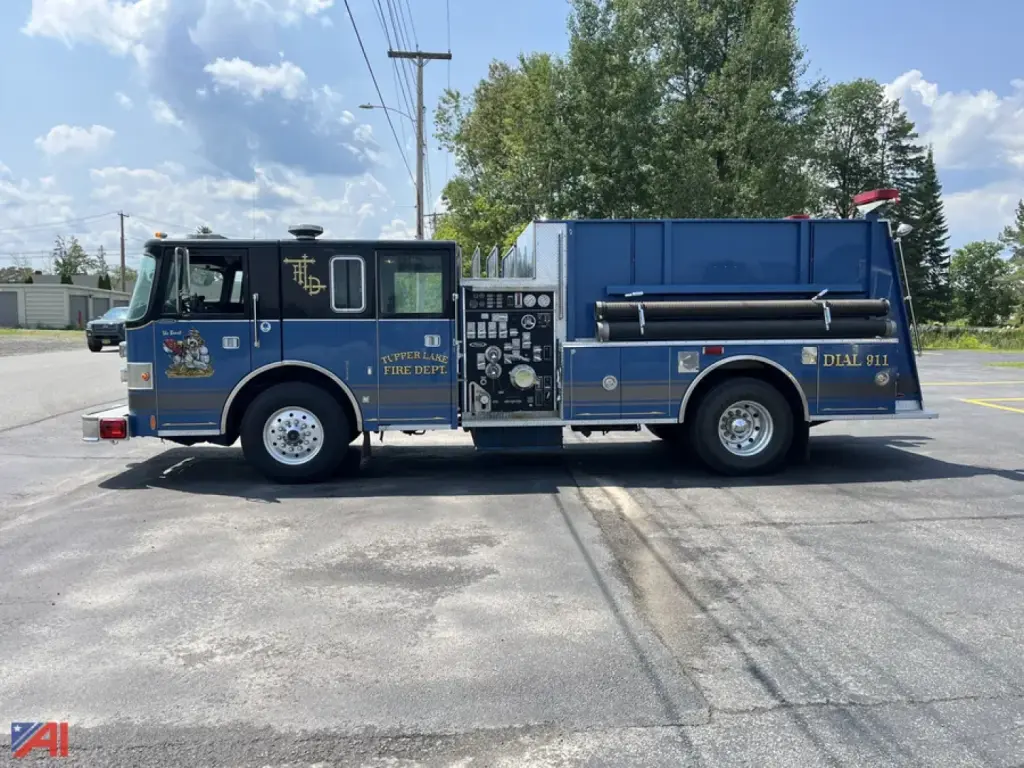
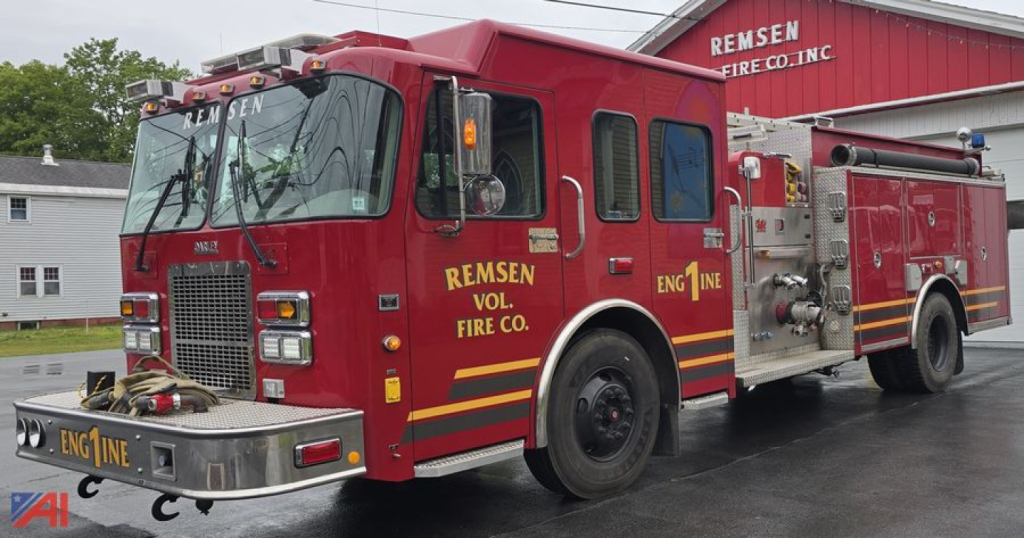
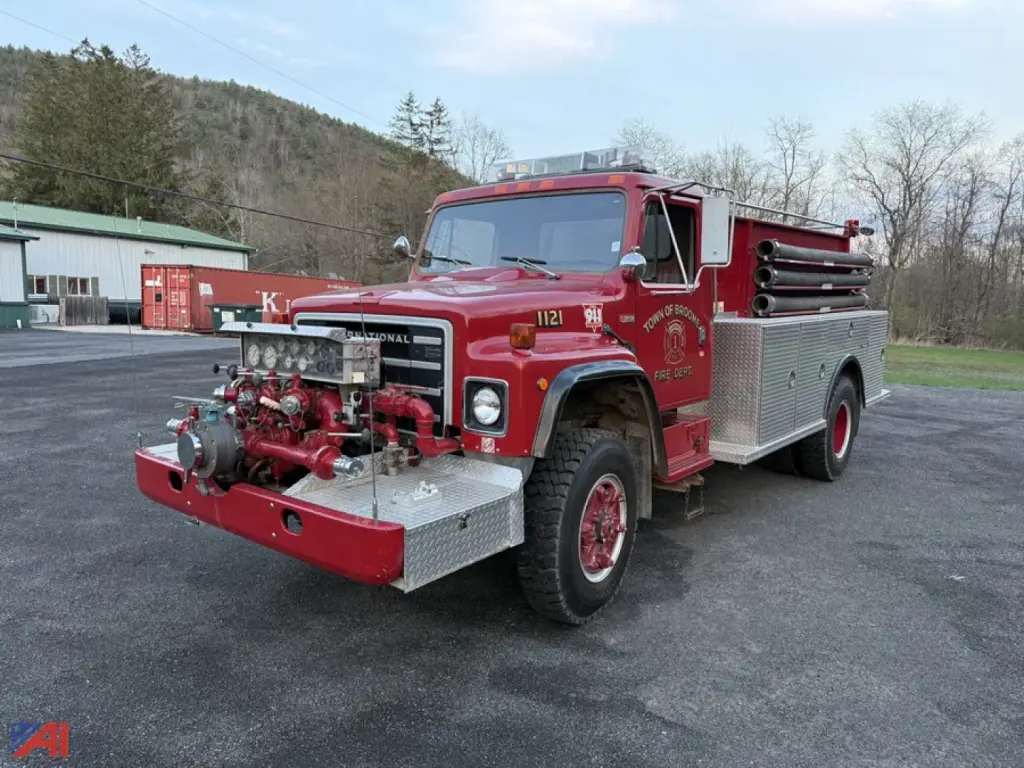
For pumper trucks, buyers typically compare pump rating, tank capacity, hose bed layout, intake and discharge configuration, and the condition of the pump panel. A common used pumper may carry a 500 to 1,000 gallon water tank and a midship pump rated from 1,000 to 1,500 GPM, though older units can vary widely. Rescue and squad-style fire trucks are more about compartment space, crew seating, electrical capacity, air systems, and scene support equipment than pump performance. On any used fire apparatus, pay close attention to pump test records, hour meter readings, foam system condition if equipped, corrosion around cab mounts and body supports, and the state of valves, plumbing, and electrical wiring. If the unit has been in municipal service for decades, service documentation matters as much as engine mileage.
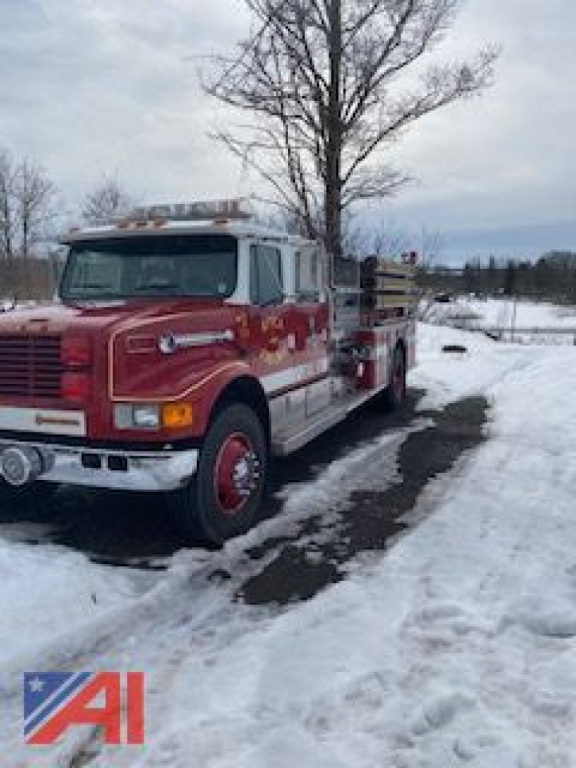
Chassis and drivability are a bigger factor than many buyers expect. Older fire trucks may have manual transmissions, non-synchronized gearboxes, drum brakes, or limited parts support depending on the platform and body builder. Wheelbase, overall height, and turning radius matter if the truck will operate in tighter streets, older station bays, wooded access roads, or rural water shuttle routes. Buyers in New York also need to consider cold-weather storage history, frame and body corrosion from road salt, and whether the apparatus has been winterized and maintained for reliable seasonal service. Tires, brake components, steering wear, and PTO operation deserve a careful inspection because an apparatus can look serviceable cosmetically while hiding expensive mechanical needs.
A used fire truck can still be a practical purchase for fire departments, industrial sites, airports, training facilities, farms, and private emergency response programs, provided the truck is evaluated as a piece of working equipment and not just surplus fleet. Check title status, GVWR, seating capacity, warning light compliance, and any department-specific equipment that may have been removed before sale. Replacement cost for comparable new apparatus is high, which keeps demand strong for well-maintained older pumpers and rescue units. Buyers who focus on pump certification, structural condition, drivetrain support, and service records usually make better long-term decisions than buyers who shop by price alone.
Frequently Asked Questions about Used Fire Trucks in New York
What should I inspect first on a used fire truck?
Start with the truck’s core systems: engine, transmission, brakes, steering, pump system if equipped, and the structural condition of the frame, cab, and body. On a pumper, pump test documentation and the condition of valves, plumbing, and the pump panel are critical. On rescue trucks, compartment integrity, wiring condition, generator operation, and scene lighting matter more. Corrosion, deferred maintenance, and missing specialty equipment can quickly change the real value of a used apparatus.
How important are pump test records on a used pumper truck?
Pump test records are one of the most useful indicators of whether a used pumper has been maintained to perform its intended job. A current or recent pump test helps confirm output performance, pressure stability, and overall pump health. Without documentation, a buyer may need to budget for a full inspection, testing, and possible repairs to seals, valves, gauges, or plumbing before the truck can be relied on for service or training use.
Are older used fire trucks still practical to own?
Yes, many older fire trucks remain practical if the intended use matches the condition and capability of the apparatus. An older pumper or rescue truck can still serve a volunteer department, industrial property, airport support role, farm fire protection need, or training program. The key is parts availability, mechanical simplicity, documented maintenance, and a realistic understanding of what upgrades or repairs are needed to keep the truck dependable.
What differences matter most between a pumper and a rescue fire truck?
A pumper is built around water movement and fire attack support, so buyers focus on GPM rating, tank size, hose storage, and intake and discharge layout. A rescue truck is built around personnel, tools, compartmentation, and scene support, so storage design, electrical systems, crew seating, air supply, and generator capacity are usually more important than water capacity. The right choice depends on whether the truck’s main job is suppression, rescue response, or a mixed support role.
What should New York buyers watch for on used fire trucks?
New York buyers should pay close attention to corrosion from road salt, underbody condition, brake and suspension wear, and any moisture-related damage from long seasonal storage. Bay fit is also important because older stations and municipal buildings may have limited door height or length clearance. If the truck will remain in emergency or support service, verify local registration, equipment compliance, and any operational standards that apply to warning lights, seating, or specialty fire apparatus use.