
Pierce Fire Trucks For Sale
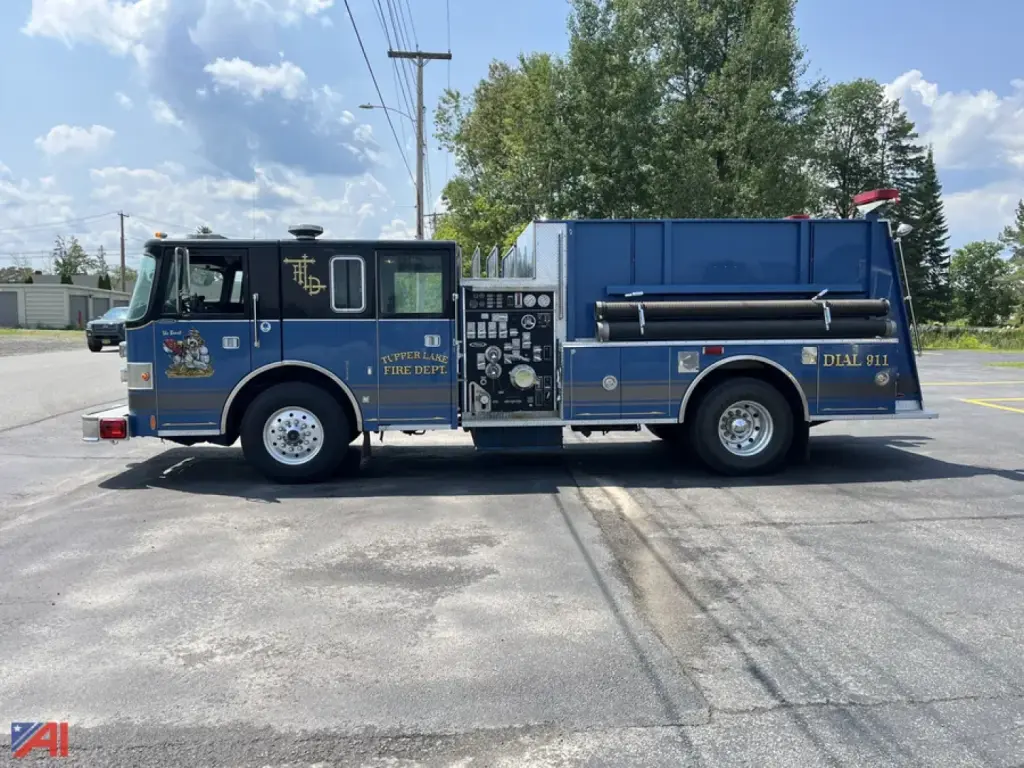
Have pierce fire truck to sell? List it here to reach thousands of buyers.
Pierce Fire Trucks
A Pierce fire truck should be evaluated first by its pump and water system. Common buyer checkpoints include pump manufacturer, rated capacity in gallons per minute, tank size, discharge layout, intake configuration, foam system presence, and the condition of valves, plumbing, and controls. A 1,250 to 1,500 GPM pump is common on municipal pumpers, while tank capacities vary based on whether the truck was built for structural firefighting, rural response, or shuttle support. On cab-over-engine Pierce models, the tighter turning radius can be a real advantage in urban response environments, but buyers should still confirm overall height, axle ratings, and compartment accessibility. Maintenance records for pump testing, aerial certification if applicable, corrosion control, and electrical system repairs are especially important on any used fire apparatus.
Pierce also stands out for custom body construction, crew ergonomics, and equipment storage. Compartments, roll-up doors, generator systems, scene lighting, ladder storage, hosebed design, and seating for SCBA-equipped personnel all affect how well the apparatus fits a department’s response profile. Older Pierce fire trucks can still deliver value when the chassis, pump, and body remain serviceable, but buyers should pay close attention to engine hours, idle hours, transmission condition, rust in frame and body mounting points, and signs of water damage in electrical components. For departments purchasing a reserve engine, training rig, airport support unit, or a cost-conscious frontline replacement, the best unit is usually the one with documented service history, compliant safety equipment, and a configuration that matches local run demands.
Because fire apparatus replacement cycles are long, many Pierce trucks on the market were built to prior standards but still offer durable service when properly maintained. The most practical buying decision comes from balancing NFPA-era design considerations, pump performance, parts support, and refurbishment needs against purchase price. A well-matched Pierce fire truck can continue serving in municipal response, rural districts, industrial protection, or campus fire operations long after its first assignment, provided the truck’s mechanical systems, fire pump, and body structure are still sound.
Frequently Asked Questions about Pierce Fire Trucks
What should I check first on a used Pierce fire truck?
Start with the pump, tank, chassis, and service records. Confirm the pump’s rated GPM, recent pump test results, tank capacity, valve operation, and plumbing condition. Then review engine hours, idle hours, transmission service, corrosion in the body and frame, and the condition of the electrical system. On any used fire apparatus, documented maintenance and testing history usually tells more than model year alone.
Are Pierce cab-over-engine fire trucks a good choice for city use?
Pierce cab-over-engine models are often well suited for urban and suburban response because they typically offer better maneuverability and tighter turning than longer conventional layouts. That can help in older neighborhoods, downtown streets, and congested station approaches. Buyers should still verify wheelbase, bumper-to-back dimensions, overall height, and front axle loading to make sure the truck fits local routes, station bays, and response conditions.
What pump size is common on a Pierce pumper fire truck?
Many Pierce pumper trucks are equipped with pumps in the 1,250 to 1,500 GPM range, which is common for municipal structural firefighting. Actual pump size depends on the truck’s original build specification and intended service. A buyer should compare pump rating with local water supply conditions, hose load, foam requirements, and mutual aid expectations rather than assuming one rating fits every department.
How important are age and miles on a fire truck compared with hours?
On fire apparatus, miles alone do not tell the full story because many trucks accumulate substantial engine and idle hours while stationary at scenes, training events, or pump operations. A lower-mile truck with very high idle time may show more wear in some systems than a higher-mile unit with consistent maintenance. Buyers should review engine hours, PTO use, pump hours if available, and maintenance records alongside mileage.
Can an older Pierce fire truck still be a practical purchase?
Yes, an older Pierce fire truck can still be practical for reserve service, training, rural response, or budget-driven fleet replacement if the apparatus has a sound pump, solid body structure, and dependable drivetrain. The key is to evaluate refurbishment needs realistically. Brake systems, tires, lighting, wiring, corrosion repair, and safety updates can quickly change the true cost of ownership, so condition and documentation matter more than badge value alone.