
Fire Trucks For Sale in New York
Browse fire trucks for sale in New York, including pumpers and specialty apparatus with key details on chassis, pump ratings, tank size, and use.
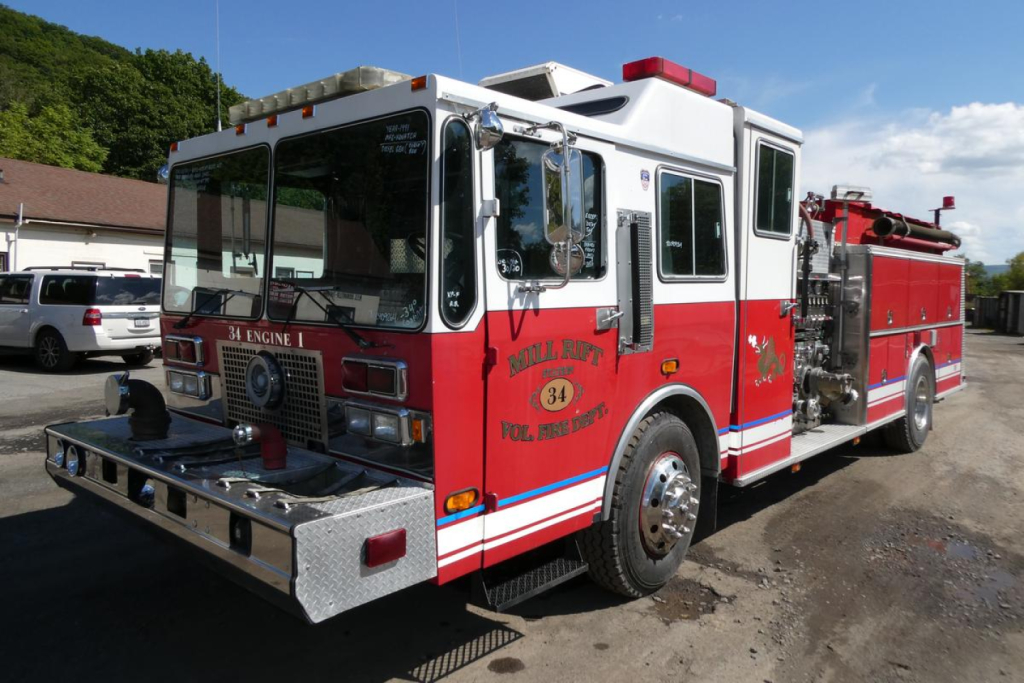
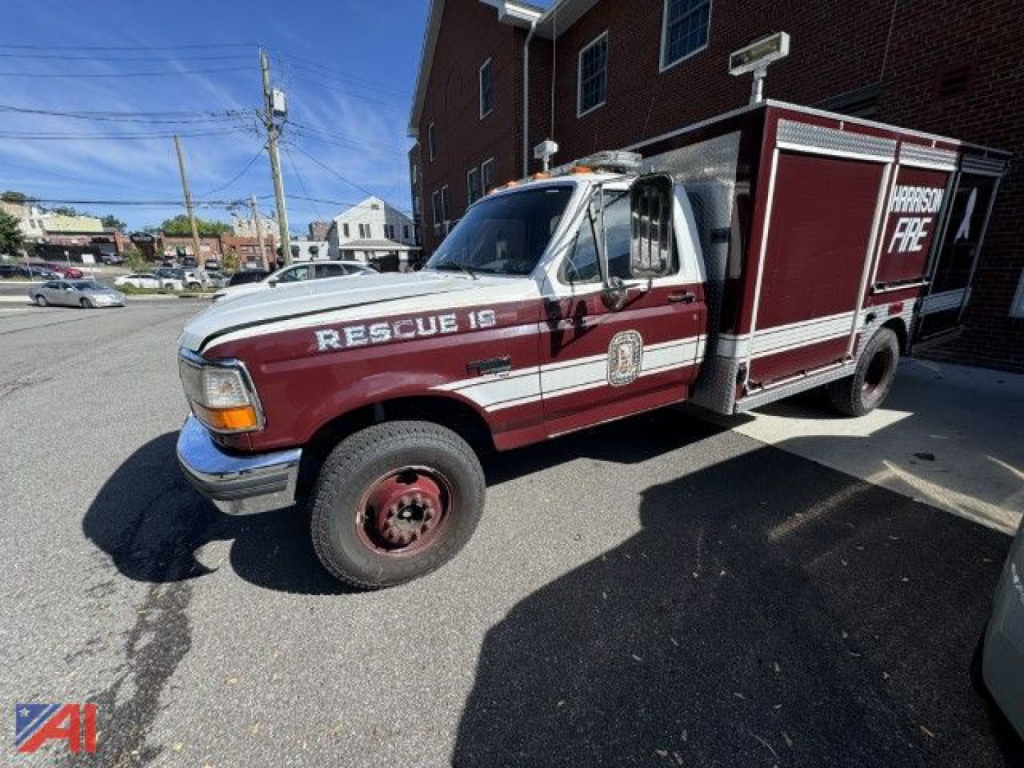
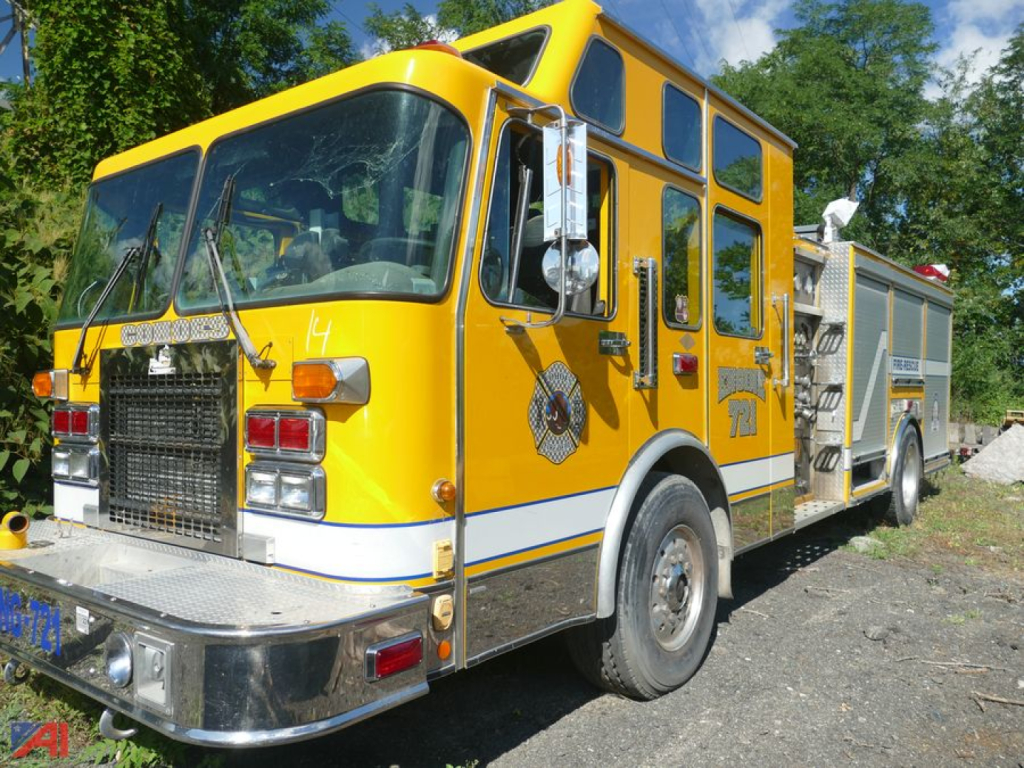
Selling a fire truck? List your fire truck for sale and reach thousands of commercial buyers.
Fire Trucks in New York
Pump ratings and water capacity matter more than appearance. Common fire pump capacities include 1,000 GPM, 1,250 GPM, 1,500 GPM, and higher, with tank sizes often ranging from 500 to 1,000 gallons on pumpers and much more on tanker units. Buyers should confirm the pump test history, PTO or transfer case operation, plumbing condition, valve function, generator output, and the status of foam systems if equipped. On older apparatus, corrosion in the body, frame, tank mounts, and plumbing can be a larger issue than engine hours or mileage. Maintenance records, ladder certification, tire date codes, brake condition, and the working order of warning lights, sirens, HVAC, and electronics are all important when comparing listings.
Chassis choice affects parts availability and operating cost. Many fire trucks are built on Freightliner, International, Ford, Spartan, Pierce, E-One, or other commercial and custom platforms, and each has different service considerations. Diesel engines are most common, paired with automatic transmissions and air brakes on larger units. GVWR, axle ratings, overall length, turning radius, and compartment layout should match the roads, station space, and staffing model the truck will serve. In tighter Upstate towns or older urban districts, maneuverability can be just as important as pump output. Buyers also need to account for New York registration, municipal surplus history, and whether the apparatus meets their department's current NFPA expectations, even if it is being purchased for secondary, reserve, training, or non-structural use.
A good fire truck purchase is usually about fit for duty rather than maximum specification. A reserve pumper may need dependable suppression basics and a documented pump test, while a brush or wildland unit may be judged more on tank capacity, portable pump support, ground clearance, and storage for forestry gear. For rescue or support applications, compartment design, electrical output, lighting package, and payload can outweigh water capacity. When reviewing fire trucks for sale, compare the apparatus by intended response role, certification status, and long-term parts support first. That approach usually leads to a better buying decision than focusing only on age or purchase price.
Frequently Asked Questions about Fire Trucks in New York
What should I check first when buying a used fire truck?
Start with the pump test records, maintenance history, and overall condition of the body, frame, plumbing, and electrical systems. A used fire truck can look clean and still have expensive issues in the pump, tank mounts, valves, corrosion points, warning systems, or generator. Mileage matters, but documented service history and operational testing usually tell you more about the truck's real condition.
What is a typical pump and tank setup on a pumper fire truck?
A typical pumper fire truck often carries a 500 to 1,000 gallon water tank and a fire pump rated at 1,000 to 1,500 GPM. Some units are spec'd higher depending on department needs. The right setup depends on hydrant availability, response area, ISO goals, staffing, and whether the truck will serve as a front-line engine, reserve apparatus, or tanker-pumper.
Are commercial chassis fire trucks easier to maintain than custom chassis units?
Commercial chassis fire trucks can be easier to support because engine, transmission, brake, and cab service parts are often more widely available through standard truck service networks. Custom chassis units may offer better visibility, tighter turning, and purpose-built ergonomics, but parts sourcing and service familiarity can vary by manufacturer and age. Buyers should consider local dealer support before deciding between the two.
Does NFPA compliance matter on an older used fire truck?
Yes, but it should be viewed in context. An older fire truck may not meet every current NFPA standard, especially if it was built years before the latest revisions. That does not automatically make it unsuitable for reserve, training, industrial, or limited-duty use, but buyers should understand exactly where it differs from current expectations and how that fits their intended application and departmental policies.
What types of fire trucks are most common on the used market?
Pumpers are the most common used fire trucks, followed by tanker-pumpers, rescues, brush trucks, ladder trucks, and specialty support units. Pumpers tend to attract the broadest buyer interest because they can serve in front-line, reserve, or rural water shuttle roles depending on their tank size and equipment package. The most useful comparison is not the truck's title alone, but how its pump, tank, compartments, chassis, and certification status match the job.