
Ford Fire Trucks For Sale
Browse Ford fire trucks for municipal, brush, and rescue use. Compare Super Duty chassis, pump capacity, tank size, 4x4 setups, and service history.
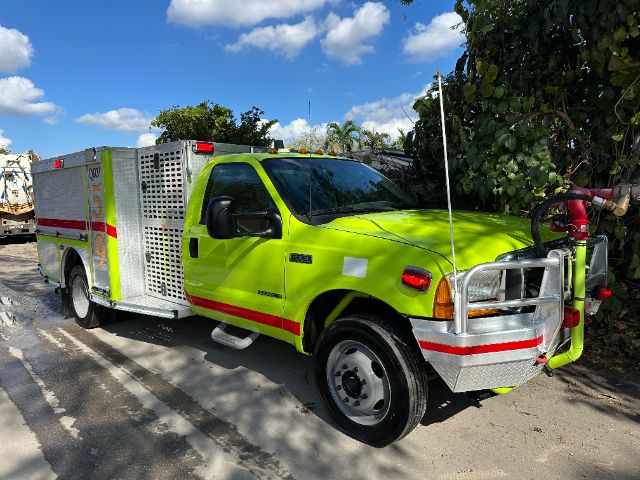
Selling a ford fire truck? List your ford fire truck for sale and reach thousands of commercial buyers.
Ford Fire Trucks
The key specifications on a Ford fire truck are usually the body builder, pump rating, water tank size, foam system, and axle rating. Many units are equipped by established fire apparatus builders and may include pumps from names like Waterous or Hale, along with booster reels, side discharges, front bumper lines, and skid-style wildland packages. Tank sizes often range from a few hundred gallons on brush trucks to substantially more on larger custom builds, and pump capacity can vary from compact wildland setups to full municipal pumper outputs. On used units, pump hours, generator operation, PTO function, and the condition of plumbing, valves, and reel systems matter just as much as engine miles.
Ford diesel platforms, especially older Super Duty models, remain popular with departments and contractors because parts support is broad and service familiarity is high. A buyer should still pay close attention to total engine hours, idle hours, rust on cab mounts and body structure, electrical integrity for warning and scene lighting, and the age and certification status of hoses, nozzles, and related firefighting equipment. Ex-municipal trucks can be a strong value because they are often maintained on a schedule, but maintenance records, corrosion exposure, and evidence of pump testing are more important than appearance alone.
Application should drive the buying decision. A rural department may prioritize 4x4 traction, shorter wheelbase, and a 300-gallon to 500-gallon tank for grass, timber, and access-road response. A buyer looking for a support or rescue truck may care more about compartment layout, power distribution, lighting, and payload for tools and medical gear than raw water capacity. Ford fire trucks are often attractive because they sit in a practical middle ground: easier to operate and maintain than a full custom pumper, but still capable enough for frontline brush response, rapid intervention support, and small-department firefighting duties.
Frequently Asked Questions about Ford Fire Trucks
What are Ford fire trucks most commonly used for?
Ford fire trucks are most commonly used as brush trucks, mini pumpers, quick attack units, rescue trucks, and departmental support vehicles. Super Duty-based apparatus are especially common in rural and wildland settings where 4x4 capability, shorter overall length, and lower operating cost matter more than the larger water and hose capacity of a full custom pumper.
What should I check first on a used Ford fire truck?
Start with the chassis and apparatus systems together. Review engine miles, engine hours, pump hours, service records, PTO operation, pump test results, tank condition, plumbing leaks, valve function, emergency lighting, siren controls, and corrosion on the frame, body, and cab structure. On ex-municipal units, documented maintenance and evidence of regular pump service are usually more important than cosmetic condition.
Is a Ford F-550 a good platform for a brush truck or mini pumper?
Yes. The Ford F-550 is a well-known platform for brush trucks and mini pumpers because it offers a useful balance of GVWR, off-road mobility, and upfit flexibility. Many departments choose it for 4x4 response, moderate water tank capacity, and easier maneuverability on narrow roads, trails, and fire breaks compared with larger commercial apparatus.
How important are pump capacity and tank size on a Ford fire truck?
They are critical, but they need to match the job. A brush truck may only need a few hundred gallons of water and a lower-volume pump setup designed for mobile attack, while a municipal pumper application may require much higher GPM output and more onboard water. Buyers should match tank size, foam capability, discharge layout, and pump rating to their actual response profile rather than buying solely on the biggest numbers.
Are ex-municipal Ford fire trucks a good buy?
They can be, especially for volunteer departments, private fire response, industrial sites, and land management use. Many ex-municipal units were maintained on a schedule and outfitted by reputable apparatus builders. The best values usually come from trucks with clear maintenance documentation, verified pump performance, manageable corrosion, and equipment systems that still meet the buyer's operational and compliance needs.