
Commercial Trucks For Sale Near Fayetteville, Arkansas
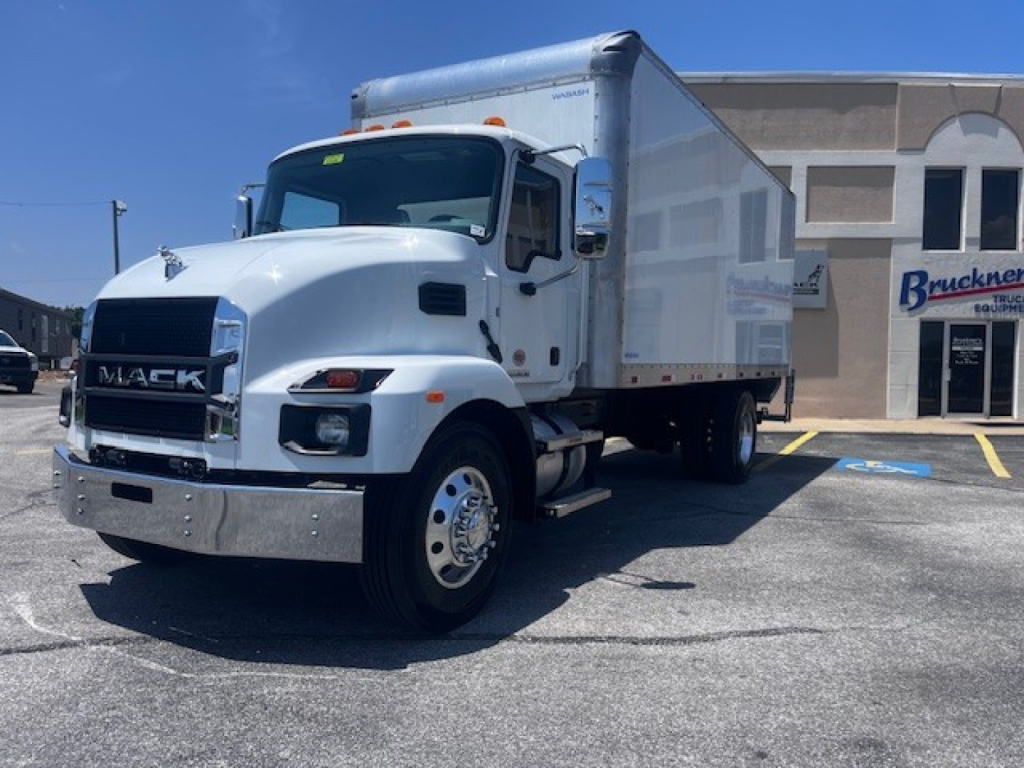
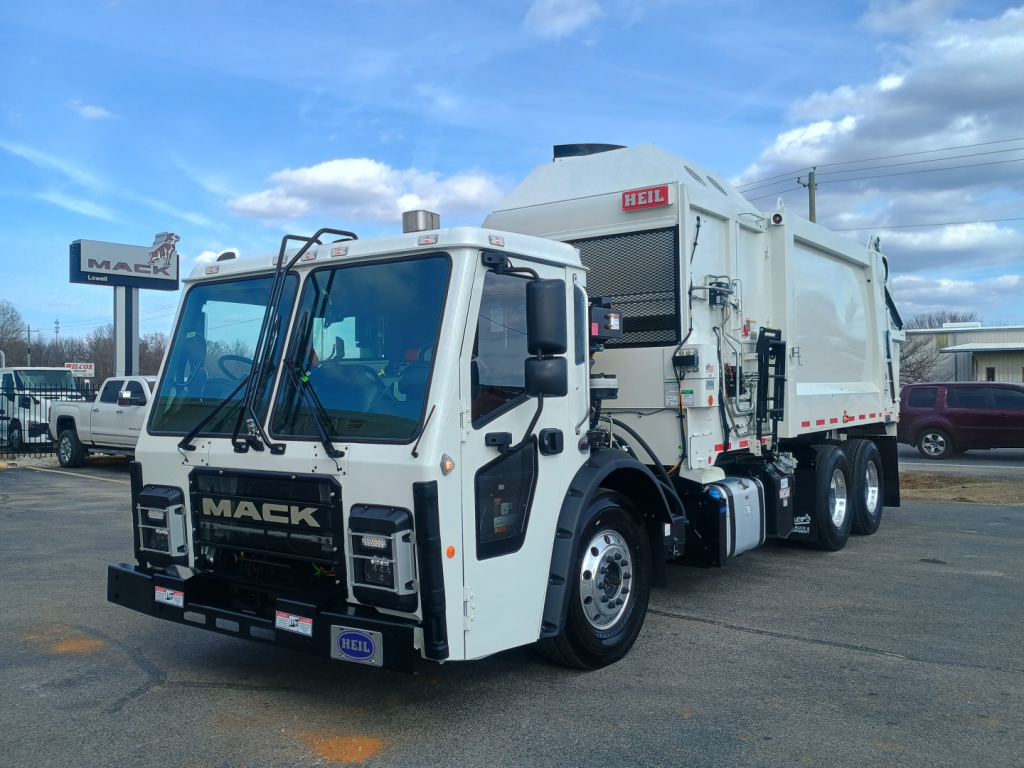
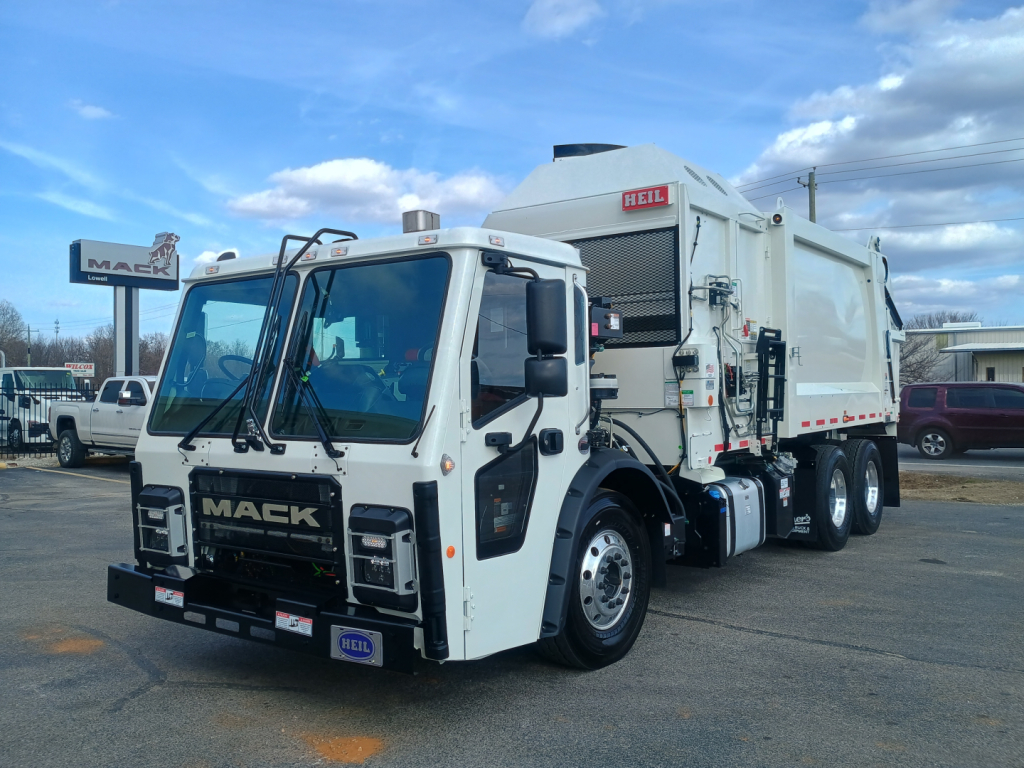
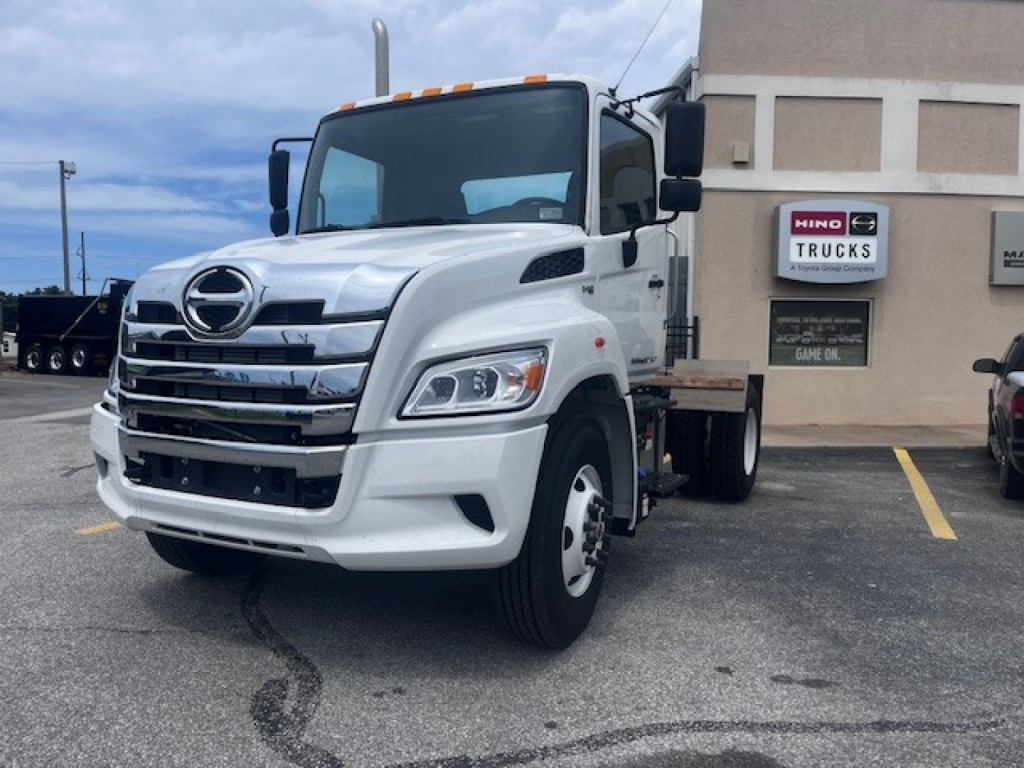
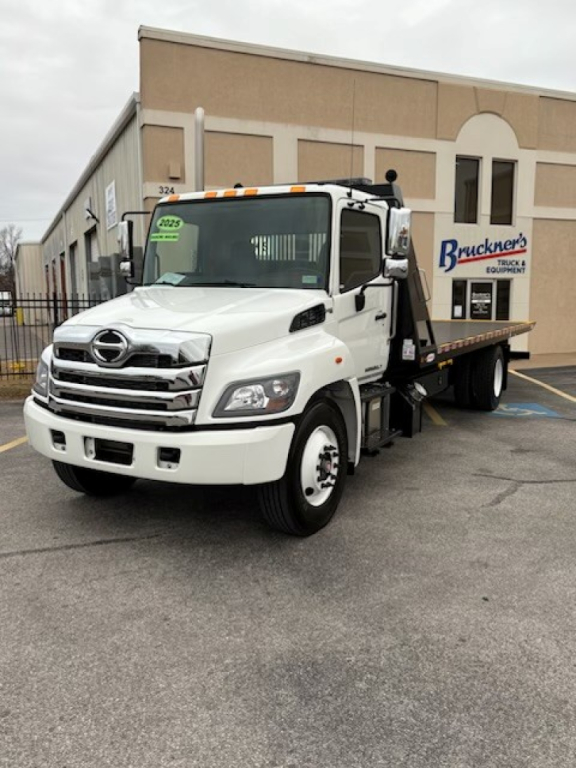
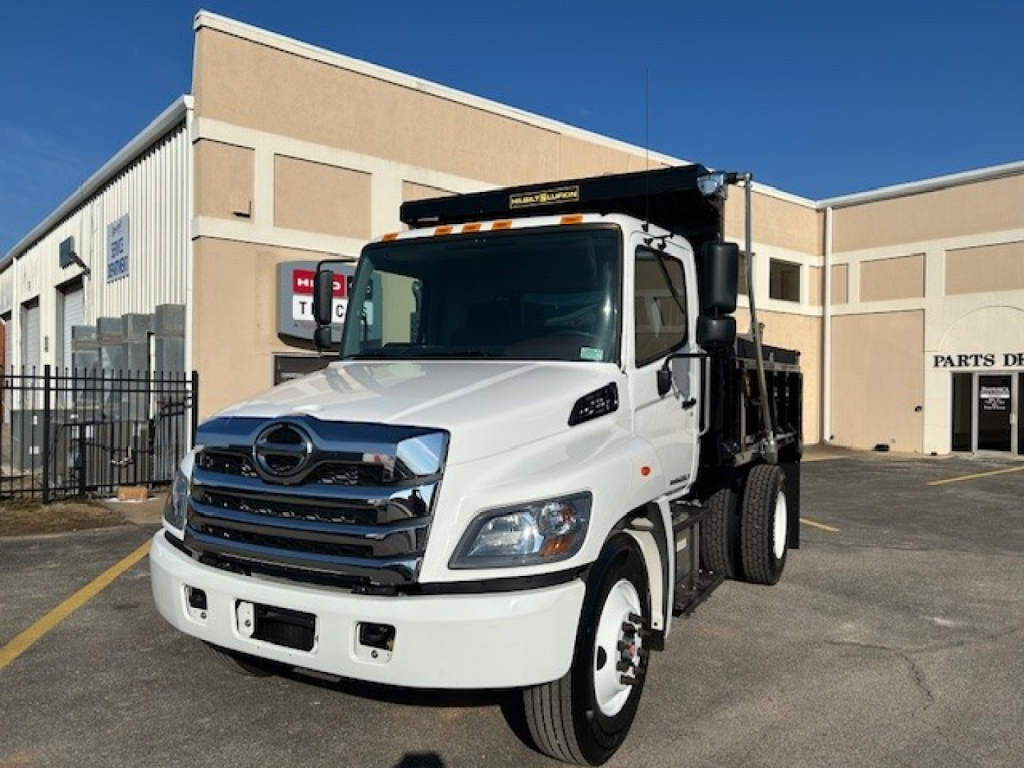
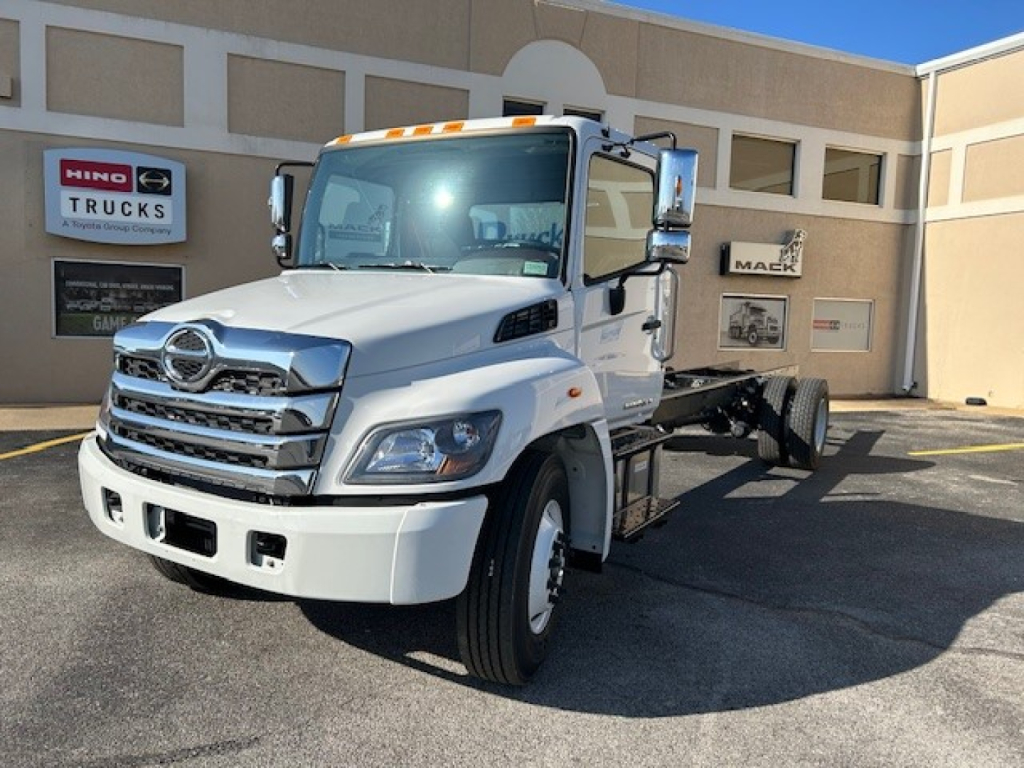
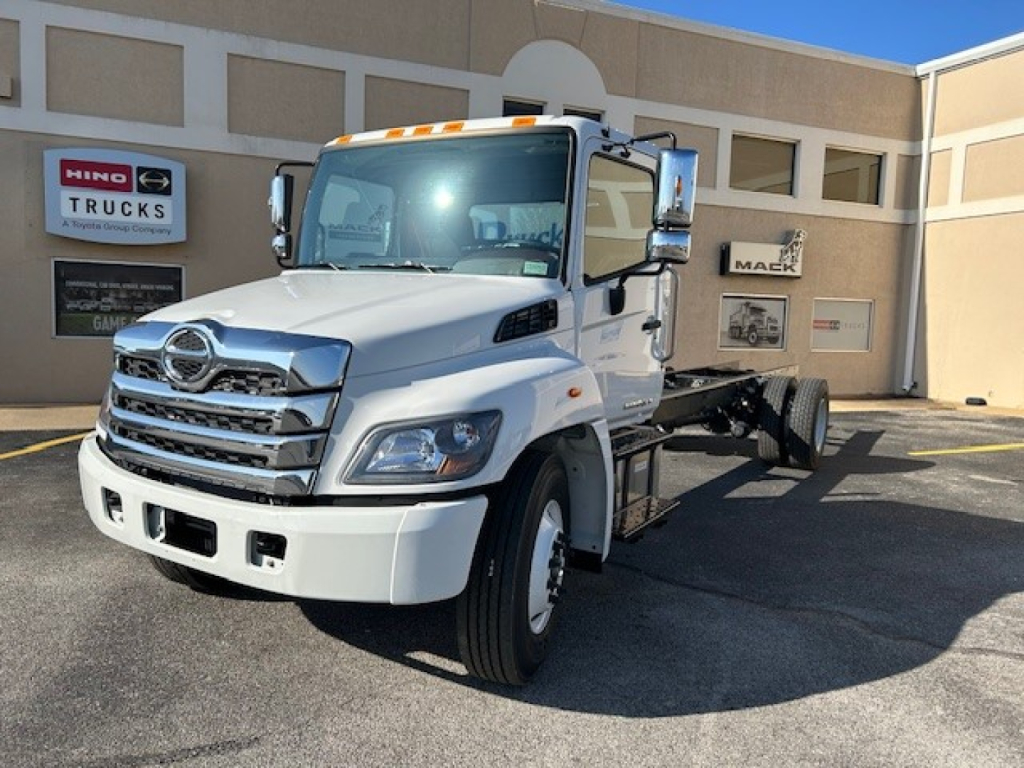
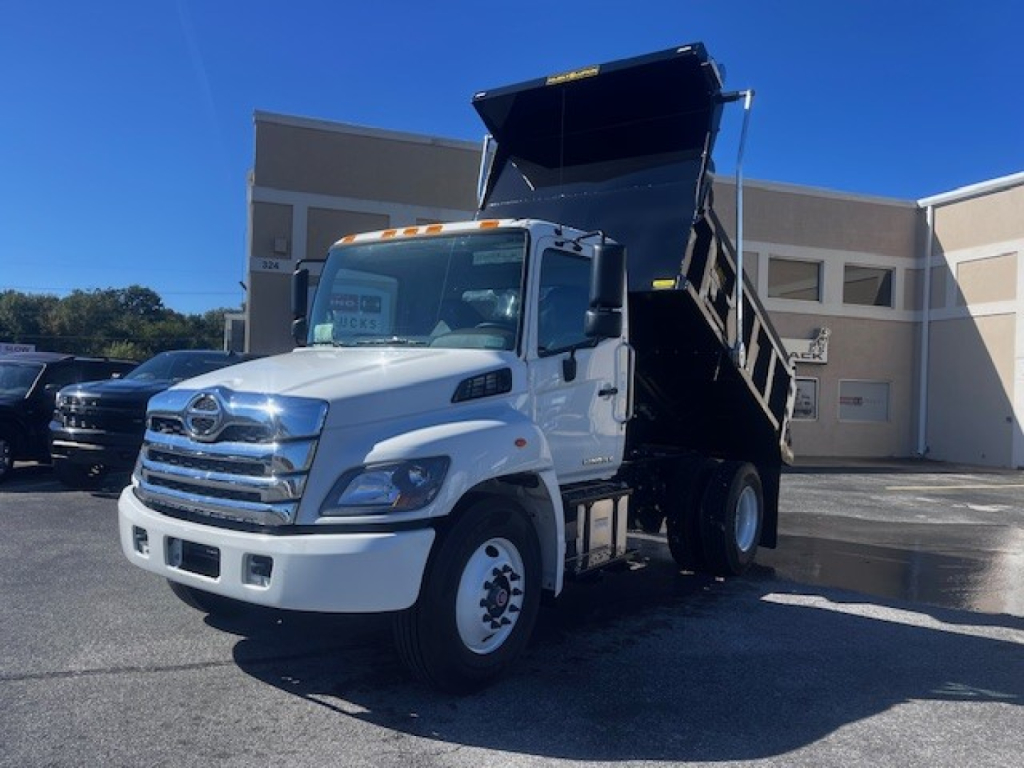
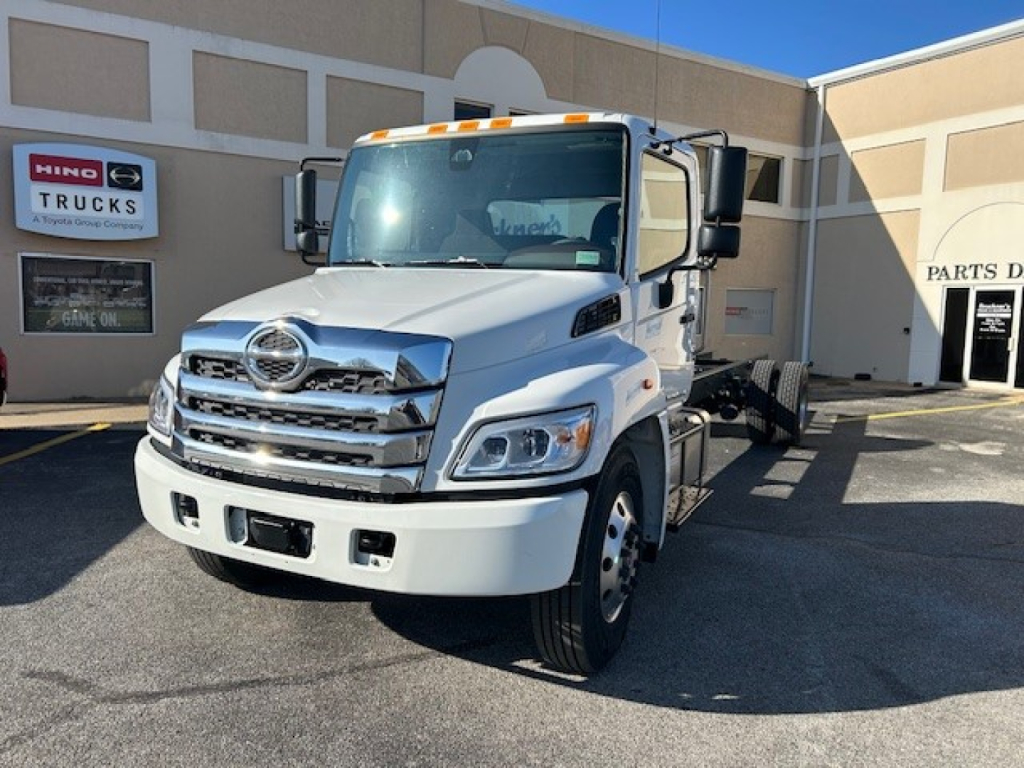
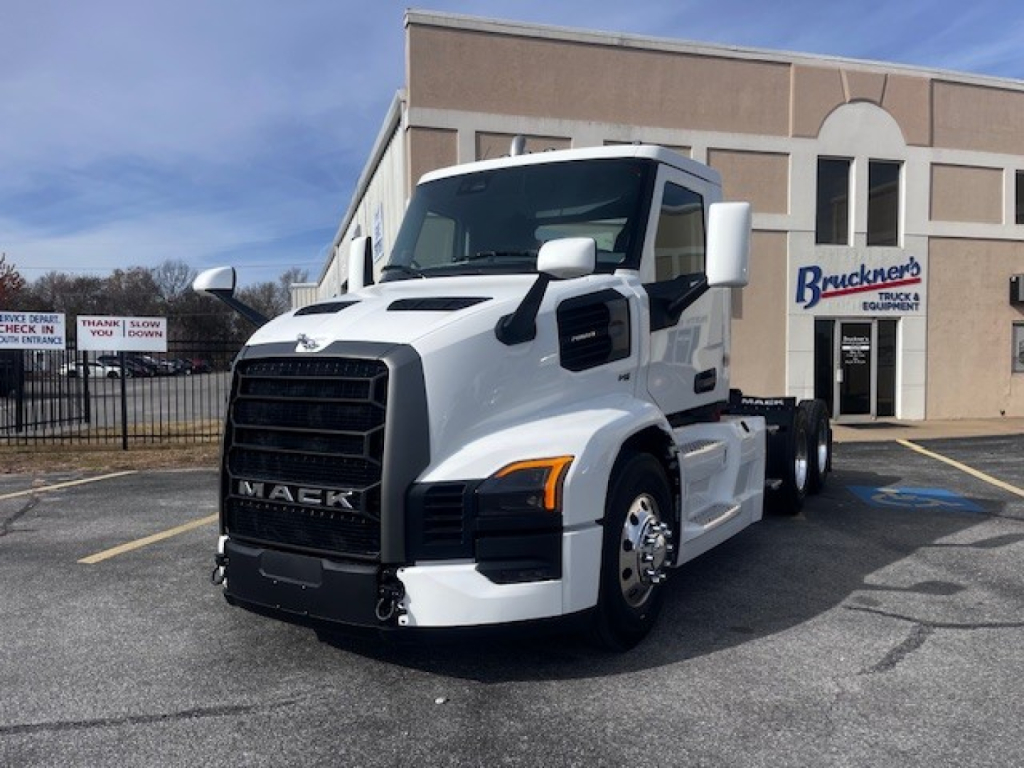

Have commercial truck to sell? List it here to reach thousands of buyers.
Commercial Trucks Near Fayetteville, Arkansas
A good truck spec is built around payload, trailer requirements, and operating environment. Medium-duty trucks are common for box truck, flatbed, dump, service, utility, and mixer applications, while heavier Class 7 and Class 8 trucks are better suited for regional haul, construction, agriculture, and high-mileage commercial work. Diesel power remains the standard for heavier work because of torque and durability, but gas engines still make sense in certain local fleets with lighter loads and simpler maintenance priorities. Buyers should also compare automatic versus manual transmissions, single-axle versus tandem setups, and cab-to-axle dimensions when a body install or upfit is part of the plan.
Condition matters beyond the odometer. Service records, engine hours, idle hours, brake life, tire condition, frame integrity, suspension wear, and emissions system history often tell more than mileage alone. On used trucks, it is smart to inspect the PTO operation, hydraulic plumbing, lift or body mounts, and any signs of corrosion or prior collision repair. Interior layout and driver comfort also affect productivity, especially on route trucks and regional units. Features like air ride seats, power windows, camera systems, and integrated telematics can make a measurable difference in daily operation and driver retention.
For buyers comparing trucks for sale in Fayetteville, the most important question is how closely the spec fits the intended work. A truck that is oversized for the load wastes fuel and adds maintenance cost, while an underspec'd truck can shorten component life and limit legal payload. Focus on the complete package: engine and transmission pairing, rear axle ratio, suspension capacity, brake configuration, body compatibility, and expected service access. A well-matched truck supports uptime, protects operating margin, and holds value better over the long term.
Frequently Asked Questions about Commercial Trucks Near Fayetteville, Arkansas
What should I look at first when buying a used truck?
Start with the truck’s intended application, then verify the core specs match the work. GVWR, axle ratings, wheelbase, cab-to-axle length, engine horsepower and torque, transmission, and rear axle ratio should all support the payload or trailer requirement. After that, inspect maintenance records, engine hours, brake and tire condition, suspension wear, and any body or frame damage. A truck with the right spec and documented service history is usually a better value than one that only looks good cosmetically.
How do I know if I need a light-duty, medium-duty, or heavy-duty truck?
The answer depends on payload, trailer weight, body type, and daily operating conditions. Light-duty trucks are typically best for lighter service work and non-CDL applications. Medium-duty trucks are common for box, flatbed, dump, utility, and local delivery use where body upfit flexibility matters. Heavy-duty trucks are built for higher gross weights, frequent towing, severe-duty vocational work, and long service life under demanding conditions. The class should be selected based on actual operating weight, not just what feels familiar to drive.
Is diesel always the best choice for a commercial truck?
Diesel is usually the preferred option for heavier commercial work because it delivers strong low-end torque, long-term durability, and better suitability for towing or high-GVWR applications. Gas engines can still be a practical choice for lighter-duty routes, lower annual mileage, and fleets that want lower upfront cost and simpler service. The best choice depends on load profile, annual miles, idle time, local fuel pricing, and whether the truck will spend most of its life in city service or under sustained heavy load.
Why does wheelbase and cab-to-axle length matter on a truck?
Wheelbase and cab-to-axle dimensions determine whether the truck can accept the body or equipment you need and how it will handle on the road. A body builder uses these measurements to fit boxes, flatbeds, dump bodies, service bodies, or mixers correctly. The wrong dimensions can create weight distribution problems, poor turning radius, or expensive modification work. For vocational trucks, these measurements are just as important as engine and axle specs because they directly affect functionality.
What is more important on a used truck, mileage or hours?
Both matter, but hours can be just as important as mileage, especially on vocational and route trucks. A truck with moderate mileage and very high idle or PTO hours may have more engine wear than the odometer suggests. Mixer, dump, utility, and municipal trucks often accumulate hours while stationary but still under load. The best evaluation looks at mileage, engine hours, service history, and the condition of driveline, brakes, suspension, and hydraulic systems together rather than relying on one number alone.