
Trucks For Sale Near Eudora, Kansas
Browse trucks for sale in Eudora, Kansas. Compare body styles, GVWR classes, engines, cabs, and vocational setups for local or regional work.
Learn moreNo exact matches found for your search
Showing Trucks in Kansas instead.

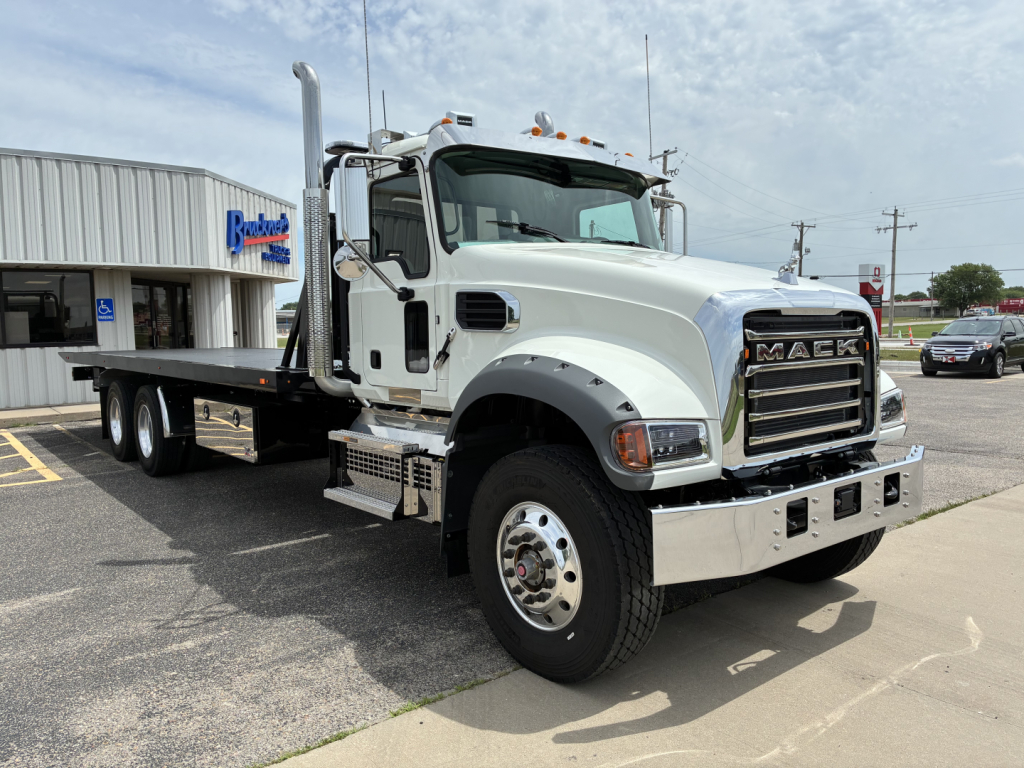
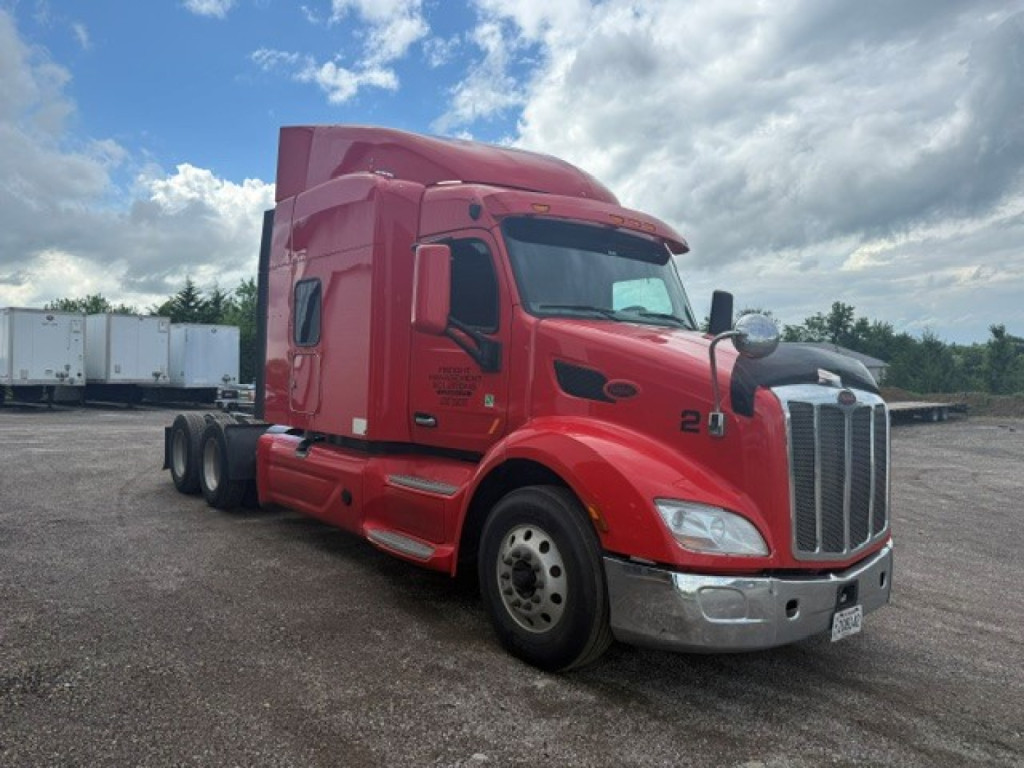
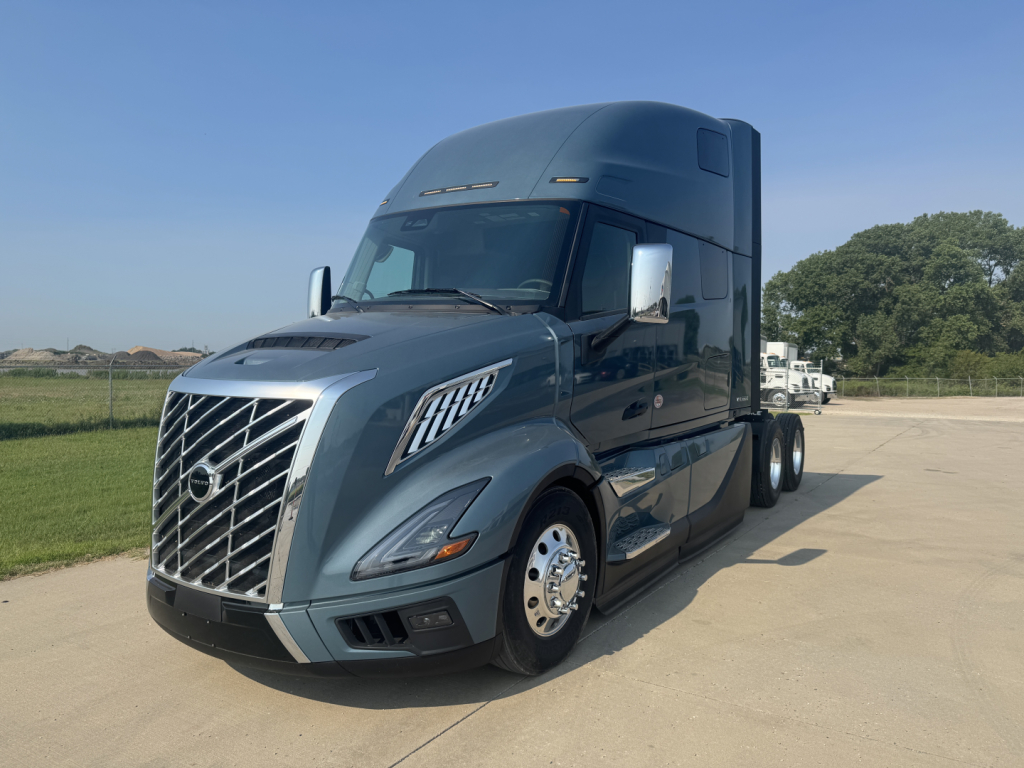
Showing 13 to 24 of 46 results
Have truck to sell? List it here to reach thousands of buyers.
About Trucks Near Eudora, Kansas
For commercial use, common configurations include regular cab, extended cab, and crew cab layouts, along with 4x2 and 4x4 drivetrains. In medium-duty and vocational segments, chassis cab trucks are often set up for flatbeds, service bodies, dump bodies, utility bodies, and landscape applications. Diesel engines remain common in heavier truck classes where torque, durability, and PTO capability are priorities, while gas engines can make sense for lighter-duty fleets with shorter routes and lower maintenance complexity. Transmission choice, rear axle ratio, suspension type, and brake system all affect operating cost and performance.
Regional conditions in eastern Kansas can also shape the right truck spec. Rural routes, gravel roads, jobsite access, and seasonal weather often push buyers toward higher ground clearance, all-terrain tires, locking differentials, and heavier suspension packages. For local delivery or municipal work, maneuverability, visibility, and wheelbase are often more important than maximum horsepower. Buyers looking at used trucks should pay close attention to engine hours, idle time, service records, rust exposure, tire condition, brake life, and signs of frame or body repairs, especially on vocational units that may have seen stop-and-go or off-pavement use.
A well-matched truck should fit both the work and the operating environment. That means checking body and frame dimensions, hitch or fifth-wheel requirements, PTO provisions, fuel tank capacity, cab comfort, and emissions system history if the truck is diesel-powered. Also known broadly as work trucks, commercial trucks, or vocational trucks depending on the setup, this category includes everything from contractor-ready units to highway-capable platforms. The best choice is usually the one with the right ratings, the right upfit potential, and a maintenance profile that matches the route and workload.
Frequently Asked Questions
What should I look at first when comparing trucks for sale?
Start with the truck’s intended job and its weight rating. GVWR, payload, towing capacity, axle ratings, wheelbase, and drivetrain should match how the truck will actually be used. A truck that is oversized for the application can add unnecessary operating cost, while an underspecified truck will wear out faster and limit productivity. Cab style, bed or body configuration, and engine type should be evaluated after the basic work requirements are clear.
Is a diesel truck always better than a gas truck for commercial use?
Not always. Diesel trucks usually make more torque and are often the better fit for heavier loads, frequent towing, PTO work, and higher annual mileage. Gas trucks can be a practical option for lighter-duty routes, shorter drive cycles, and fleets that want lower upfront cost and simpler maintenance. The better choice depends on load, terrain, idle time, annual miles, and whether the truck will spend most of its life on highways, in town, or on jobsites.
What truck configuration works best for vocational applications?
That depends on the body and the job. Chassis cab trucks are commonly used for service bodies, dumps, flatbeds, utility bodies, and other upfits because they offer more flexibility in wheelbase and frame layout. Buyers should confirm cab-to-axle measurement, frame strength, PTO compatibility, suspension capacity, and front axle loading before choosing a vocational truck. A good vocational spec is built around the finished body and the equipment it needs to carry, not just the base truck.
What matters most when buying a used commercial truck in Kansas?
Condition, maintenance history, and correct spec matter more than odometer reading alone. Buyers should inspect tires, brakes, suspension, steering components, frame rails, corrosion, fluid leaks, and any evidence of previous body or frame repairs. On diesel trucks, emissions system service history, idle hours, and diagnostic fault records are especially important. In Kansas, trucks used on rural roads or in construction and agricultural settings may show more wear in suspension, underbody components, and tires than a similar truck used only on pavement.
How do I know if a truck has the right wheelbase and axle setup?
Wheelbase and axle configuration should be matched to turning radius, ride quality, body length, and load distribution. A shorter wheelbase can improve maneuverability for city or jobsite work, while a longer wheelbase may be necessary for certain bodies, better stability, or heavier payloads. Single-rear-wheel and dual-rear-wheel setups also change carrying capacity and trailer stability. The right setup depends on the body, trailer, terrain, and the amount of weight carried on the truck versus behind it.