
Commercial Trucks For Sale Near Englewood, Florida
Have commercial truck to sell? List it here to reach thousands of buyers.
Commercial Trucks Near Englewood, Florida
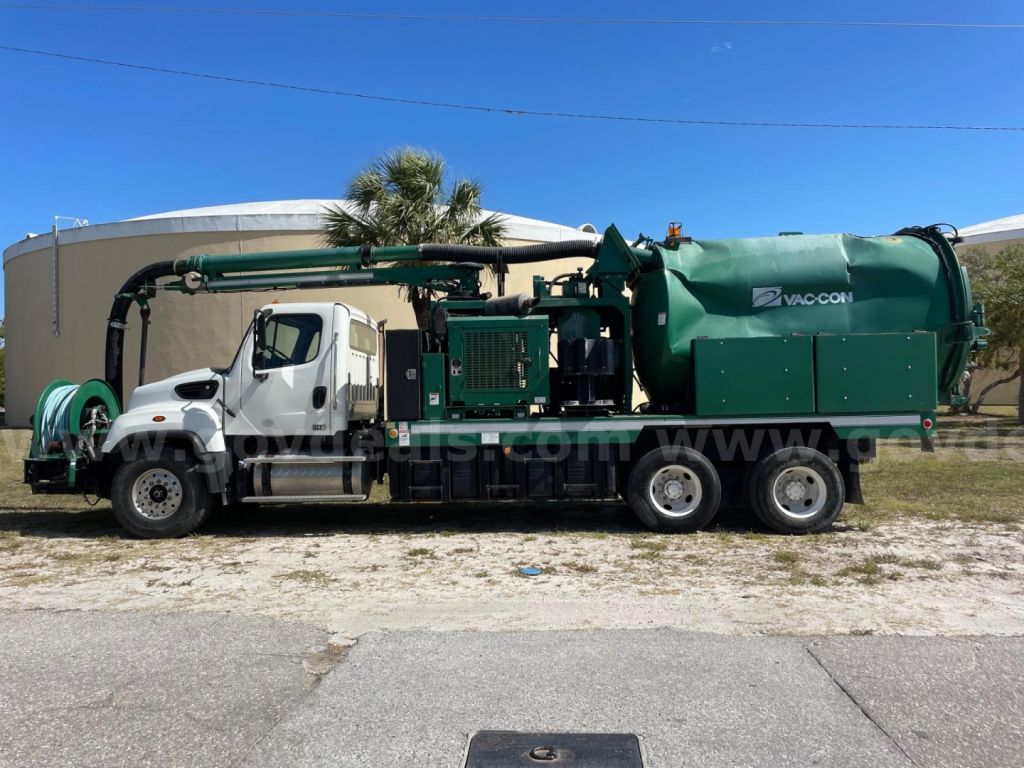
Spec matters more than badge alone. Common truck setups include Class 6, 7, and 8 diesel units, with tandem axle and tri-axle configurations showing up in heavier applications. On vocational trucks, look closely at frame strength, suspension capacity, front axle rating, PTO provisions, and body compatibility. Models used for vacuum, dump, tanker, rollback, hooklift, and service applications often have very different gearing, hydraulic layouts, and frame spacing even when the cab and engine platform are similar. If the truck carries specialized equipment, condition of the PTO, pump, hydraulics, tanks, and controls can be just as important as engine hours and odometer miles.
Florida buyers should also pay attention to corrosion exposure, cooling system condition, A/C performance, and tire health. Trucks operating in hot, humid coastal environments can show wear in electrical connections, cab components, and auxiliary systems before major drivetrain issues appear. Service records, idle hours, brake condition, emissions equipment status, and evidence of prior body or frame repairs all deserve a close review. On used diesel trucks, it is smart to verify engine family, aftertreatment history, transmission model, rear axle ratio, and any recent work to injectors, turbocharger, DEF system, or DPF components.
A good truck purchase comes down to matching the chassis to the work cycle. A local delivery unit needs different gearing and cab access than a sewer cleaner, heavy spec dump, or long-wheelbase highway tractor. Buyers should compare payload capacity, turning radius, bridge law implications, and upfit compatibility before narrowing down options. The strongest listings in this category are the ones with clear maintenance history, accurate axle and weight information, and specs that fit the intended route, body, and duty cycle.
Frequently Asked Questions about Commercial Trucks Near Englewood, Florida
What should I look for first when buying a used truck?
Start with the truck’s intended application and confirm the chassis matches the job. Key items include GVWR, axle ratings, wheelbase, engine horsepower and torque, transmission type, rear axle ratio, and suspension capacity. On vocational trucks, you should also verify PTO setup, hydraulic capability, frame condition, and compatibility with the body or equipment mounted on the chassis.
How important are miles versus engine hours on a used truck?
Both matter, but they tell different parts of the story. Odometer miles show road use, while engine hours help reveal idling and PTO time, which is especially important on vocational equipment. A truck with moderate miles but very high engine hours may have more wear on the engine, emissions system, and accessories than the odometer suggests.
What are the most important checks on a vocational truck?
Inspect more than the cab and drivetrain. You should evaluate the PTO, hydraulic pump, hoses, control systems, frame rails, crossmembers, suspension, and any mounted equipment such as tanks, booms, hoists, or vacuum systems. A truck may run and drive well but still require expensive repairs to the work-performing components.
Are diesel emissions components a major concern on used trucks?
Yes. The DPF, DEF system, EGR components, sensors, and related electronics can become a major expense if they have not been maintained properly. Buyers should ask about regen history, fault codes, recent emissions repairs, and whether the truck has documented service on aftertreatment components. A diagnostic scan is often worth the cost before purchase.
Does location in Florida affect used truck condition?
It can. Trucks in Florida may see less road salt exposure than northern units, but heat, humidity, sun exposure, and coastal air can still affect wiring, connectors, A/C systems, paint, interior materials, and metal components. A careful inspection of electrical systems, cooling performance, tires, and any corrosion on the frame or mounted equipment is a smart step.