
Trucks For Sale Near Englewood, Colorado


Showing 73 to 96 of 100 results
Have truck to sell? List it here to reach thousands of buyers.
Trucks Near Englewood, Colorado
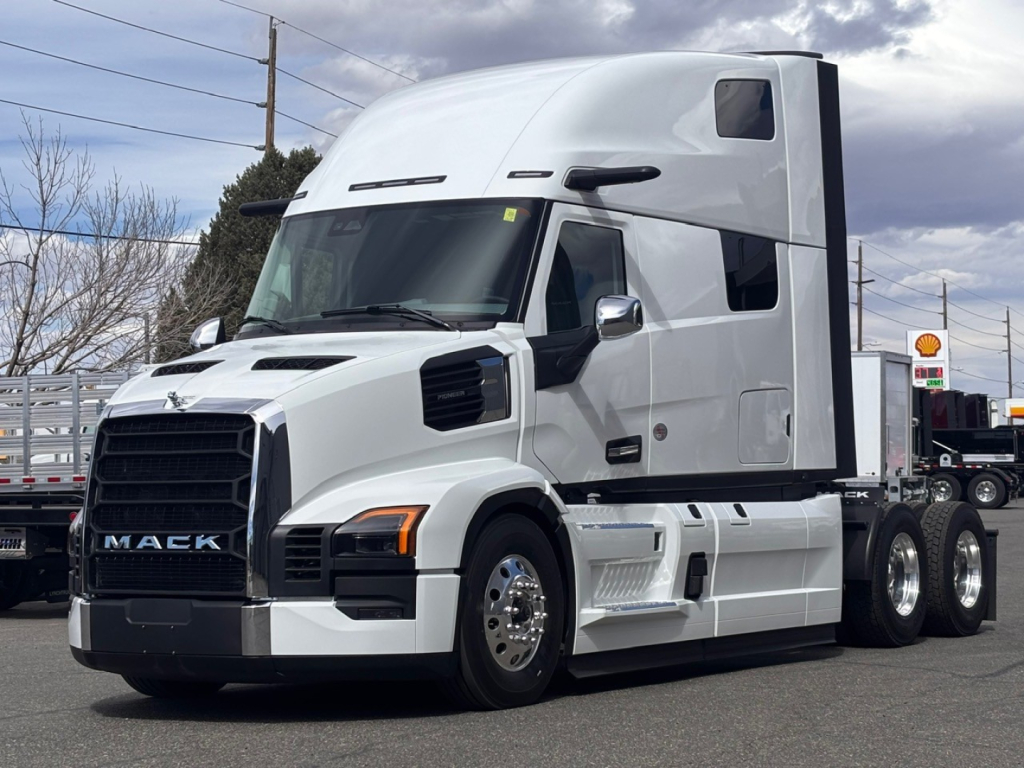
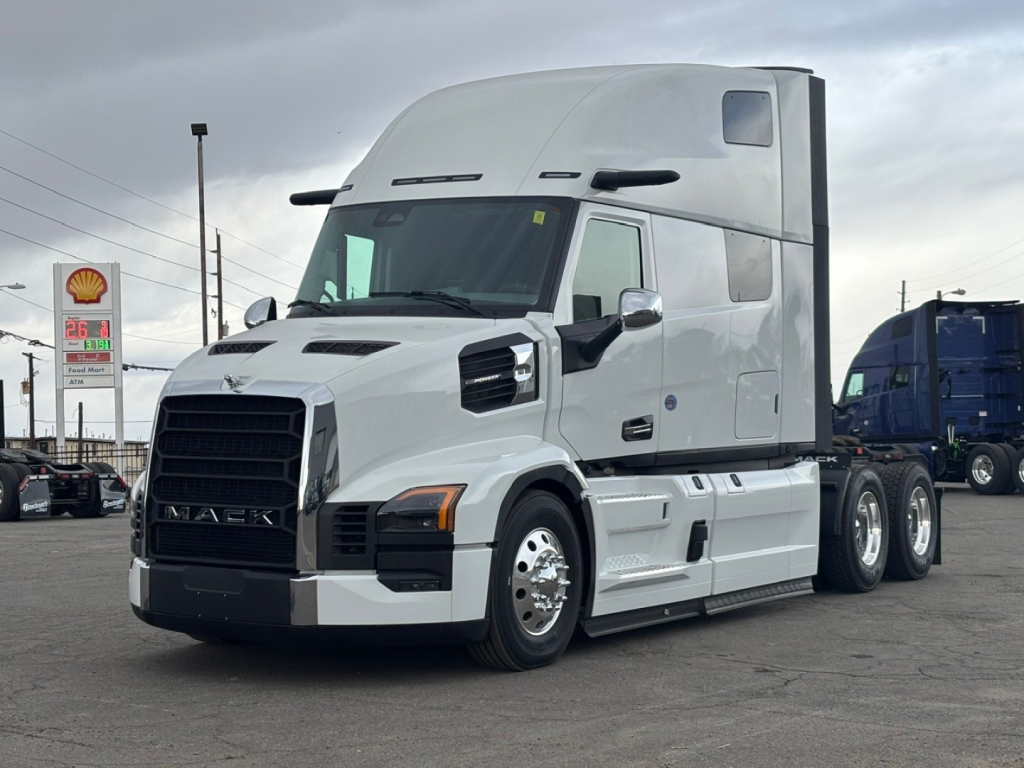
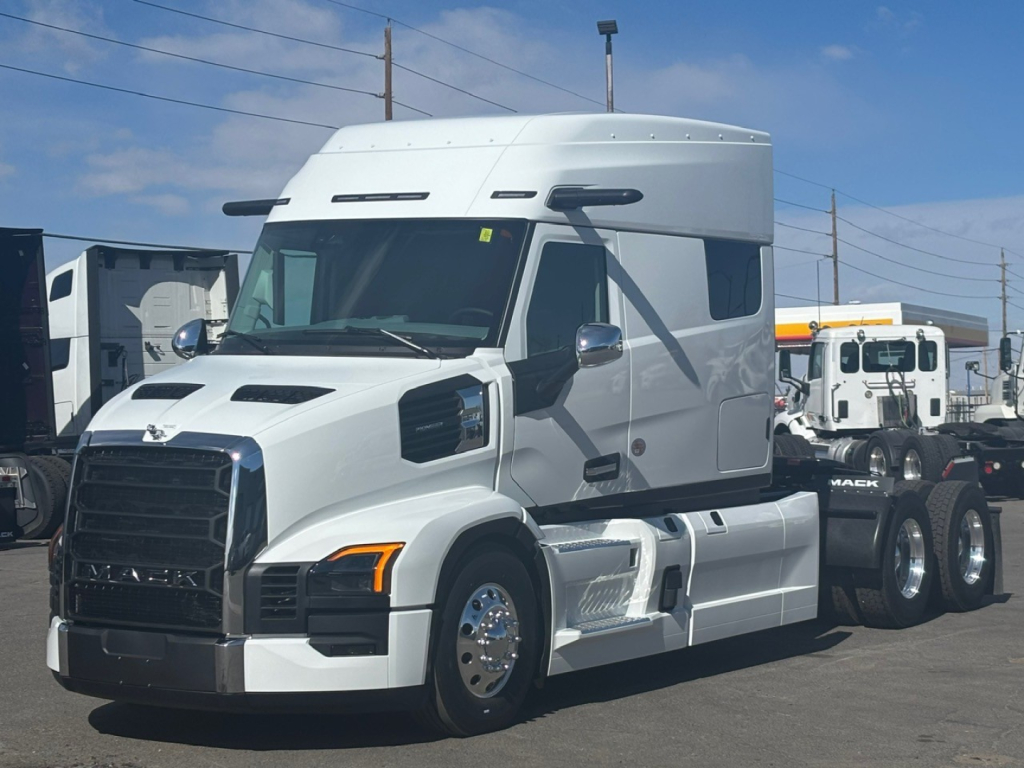
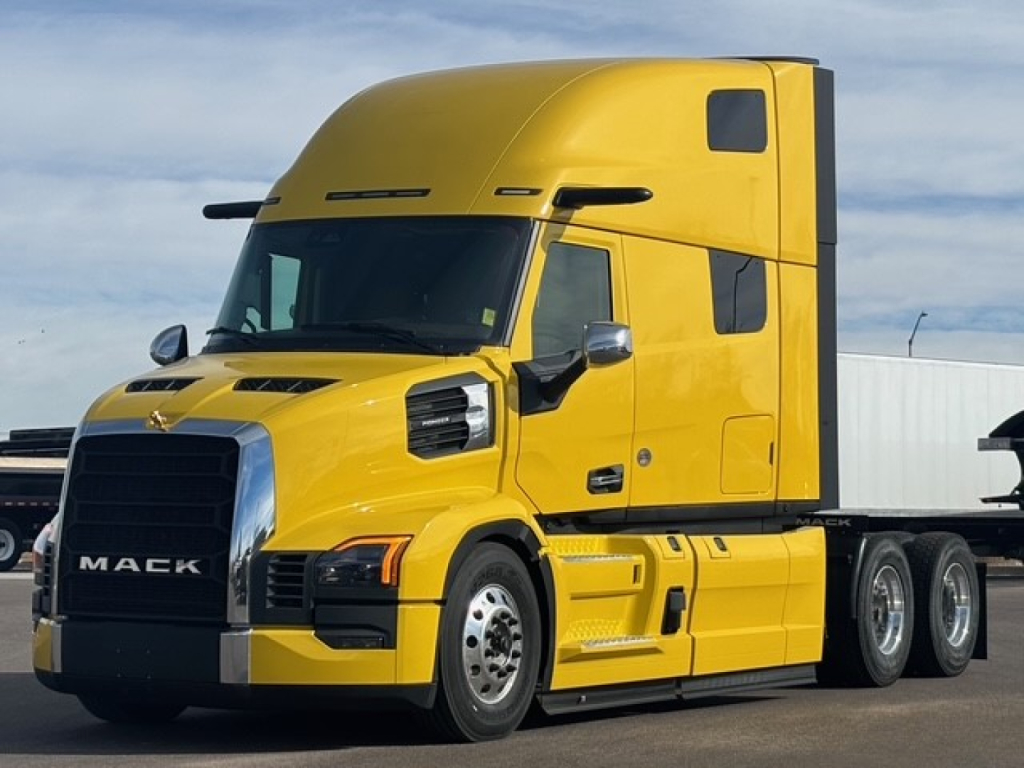
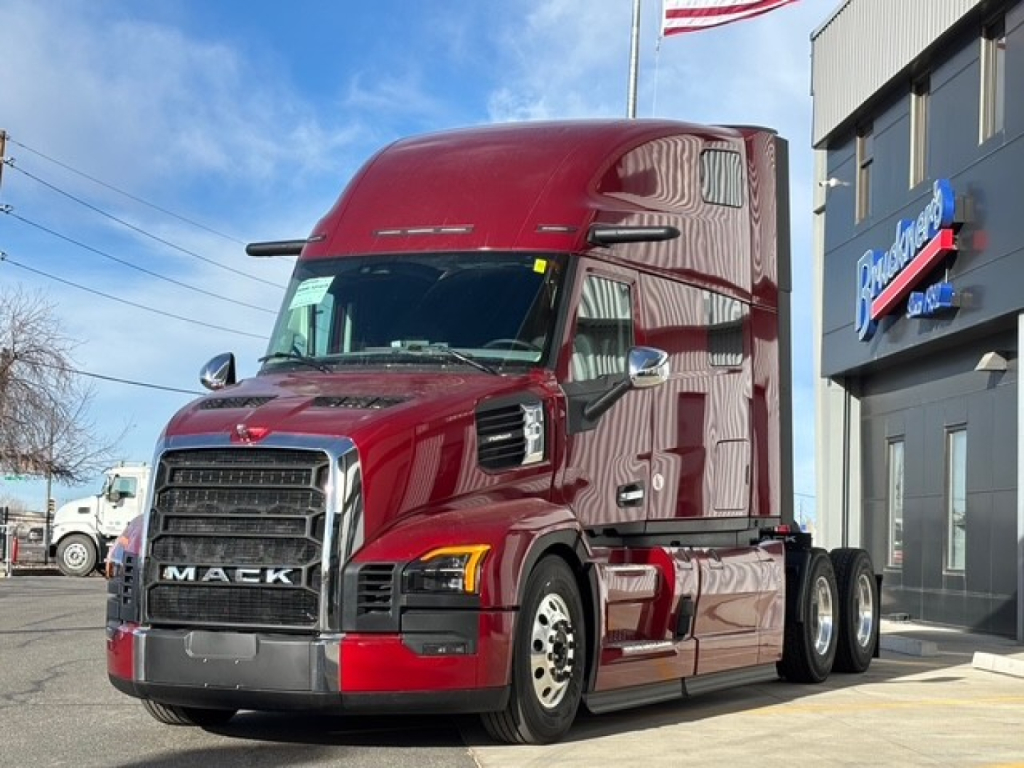
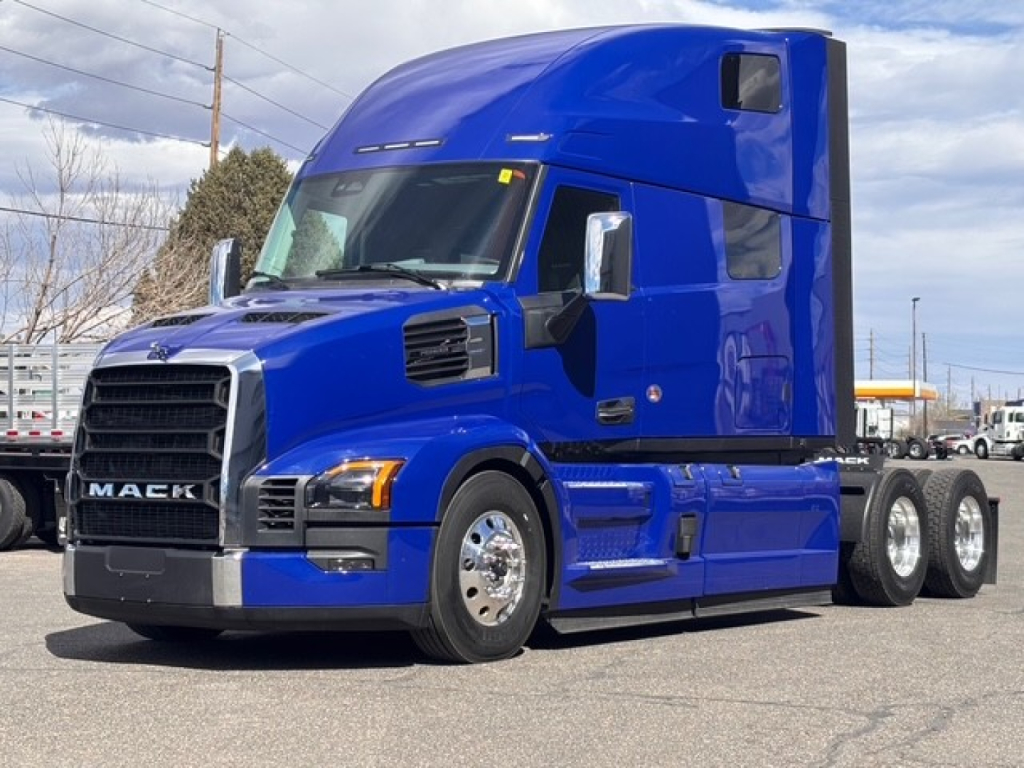
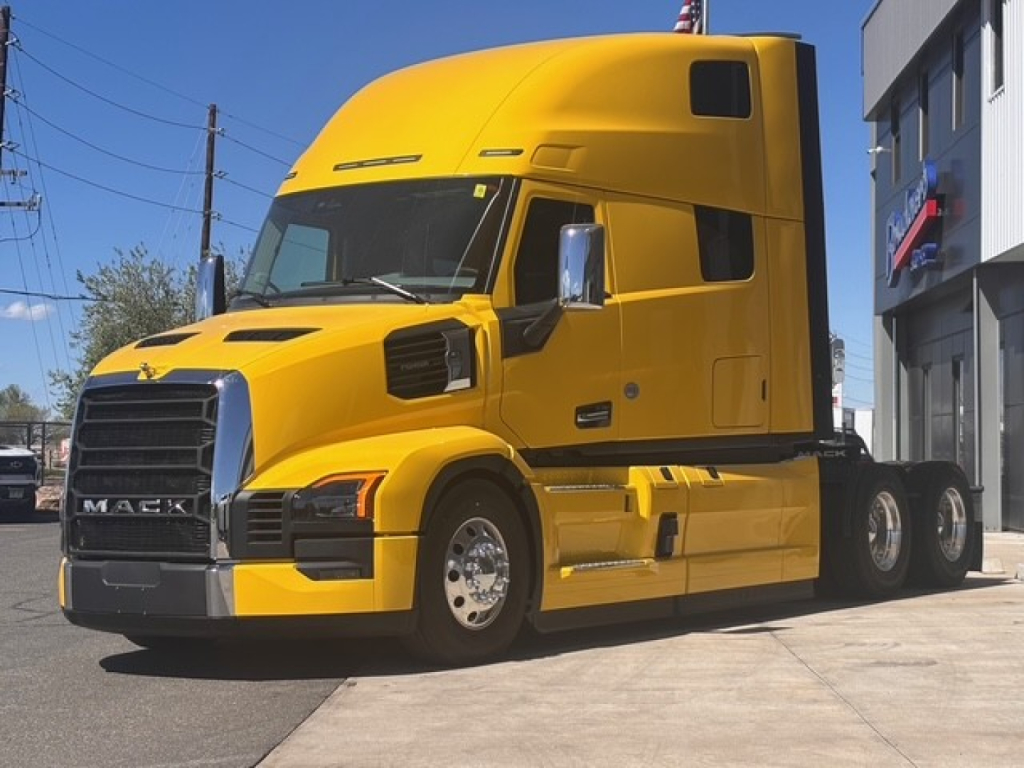
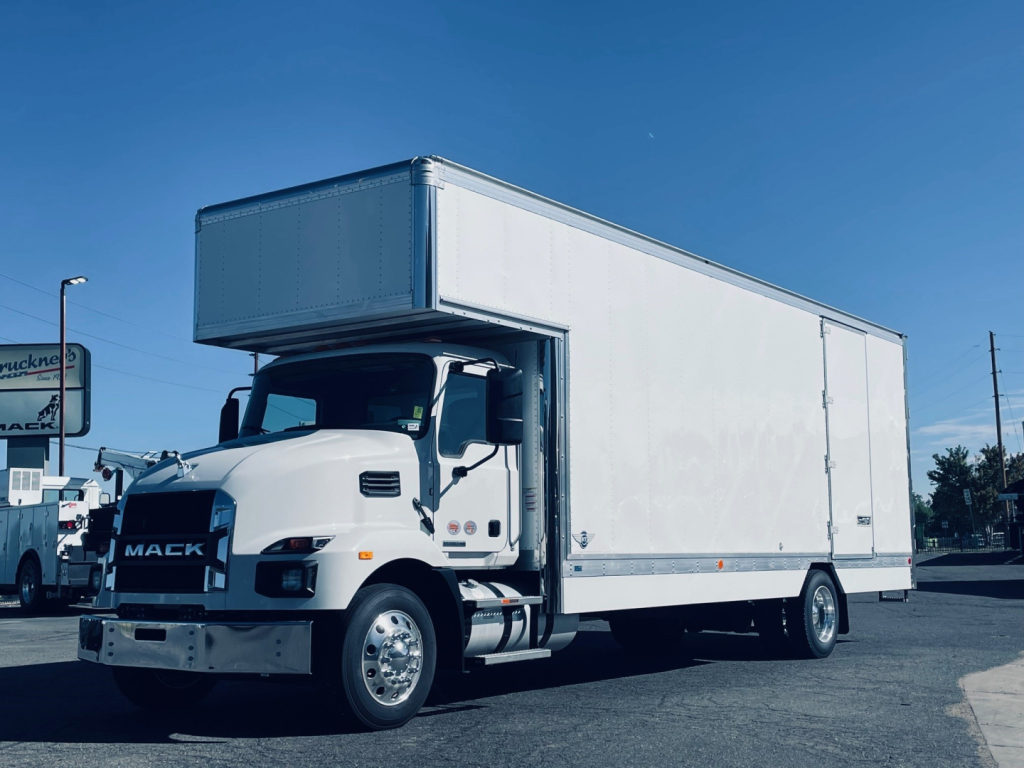
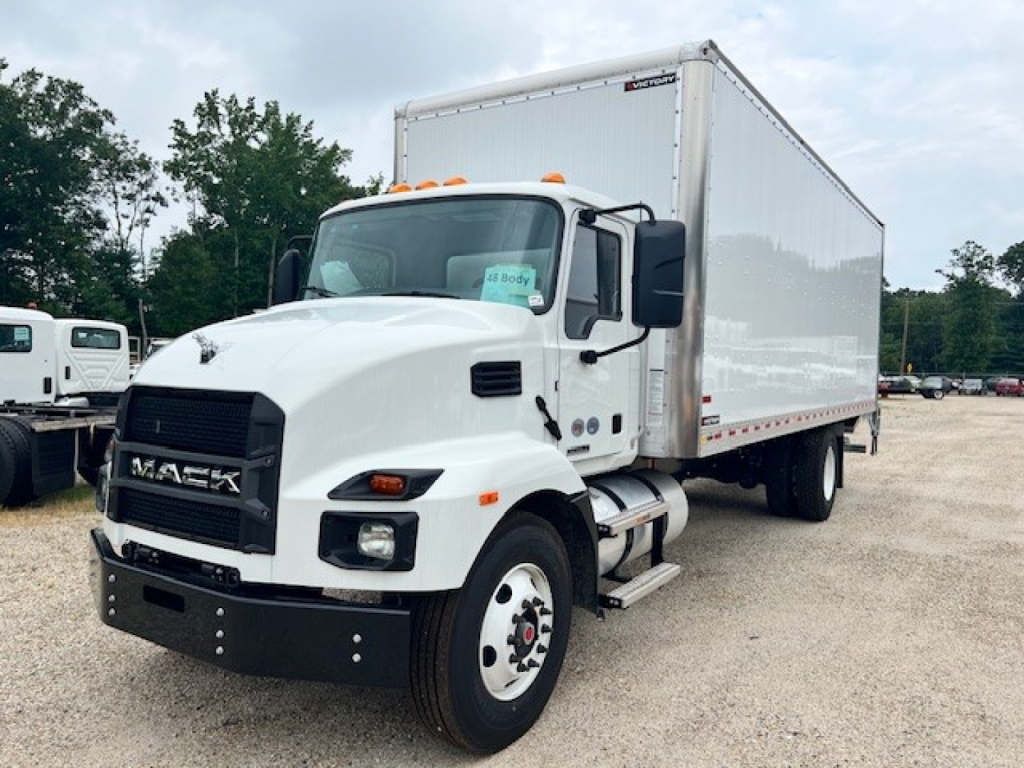
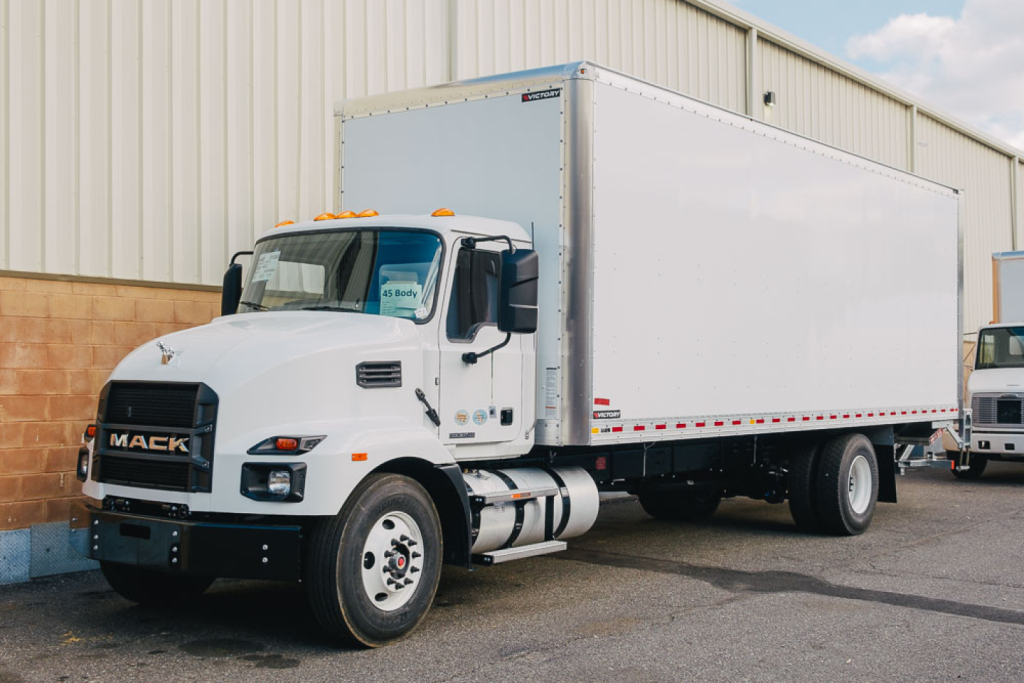
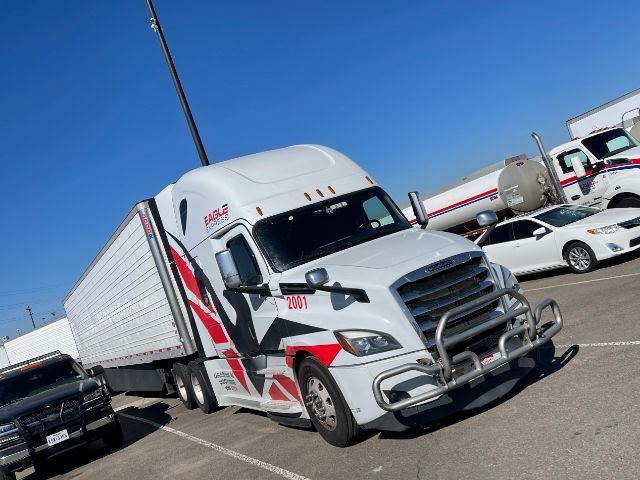
Powertrain and axle specs matter because they determine where the truck fits best. On-road tractors commonly use 13-liter engines in the 405 to 455 horsepower range, paired with 12-speed automated transmissions and fast rear axle ratios such as 2.64 for fuel-efficient highway speeds. Buyers comparing regional or over-the-road sleepers should look closely at wheelbase, rear axle rating, engine brake, disc versus drum brakes, and sleeper size. In this class, 76-inch high-roof sleepers, air slide fifth wheels, collision mitigation systems, and low-profile 22.5 tires are common decision points. For lighter delivery work, a truck like a Class 3 to Class 5 box truck may be driven more by service history, mileage, body condition, floor type, and GVWR than by raw horsepower alone.
Colorado operating conditions add another layer. Mountain grades, winter weather, and mixed urban-highway routing can make engine brake performance, traction, tire condition, and gearing more important than they would be in flatter markets. Fleets working the Front Range often prefer specifications that balance fuel economy with enough gradeability for I-70 corridor work and local elevation changes. Day cabs and medium-duty delivery trucks may be ideal for metro routes, while high-roof sleepers suit carriers running longer lanes out of Denver. If emissions strategy is part of the buying decision, electric trucks are also entering vocational service with strong low-speed torque, quiet operation, and zero tailpipe emissions, but buyers should confirm charging plans, route length, body upfit compatibility, and actual payload impact before committing.
A good truck purchase comes down to matching the chassis to the job, not just comparing model years. Pay attention to verified miles and hours when available, maintenance records, suspension type, brake specification, cab configuration, and any body equipment already installed. On specialty trucks, the upfit can be as important as the base chassis. On road tractors, comfort and driver-retention features such as bunk heaters, steering wheel adjustment, power windows, and HVAC still matter because they affect uptime and driver acceptance. The best truck for sale in this category is the one with the right axle, wheelbase, powertrain, and body combination for your freight, route density, and maintenance plan.
Frequently Asked Questions about Trucks Near Englewood, Colorado
What types of trucks are commonly found in this category?
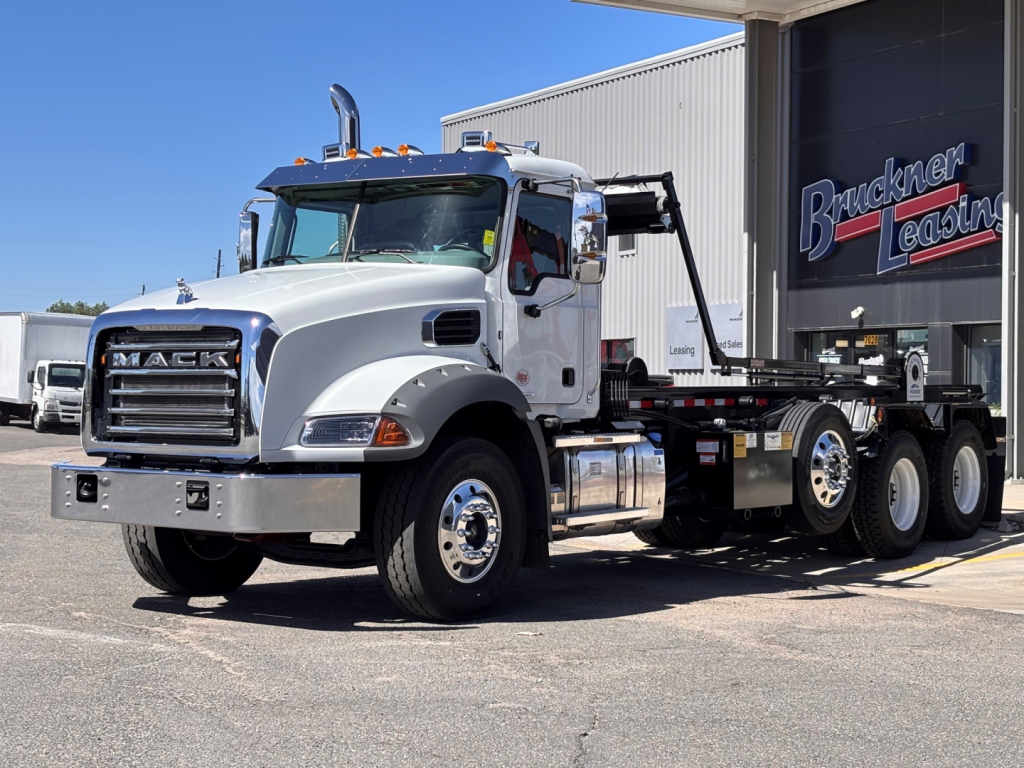
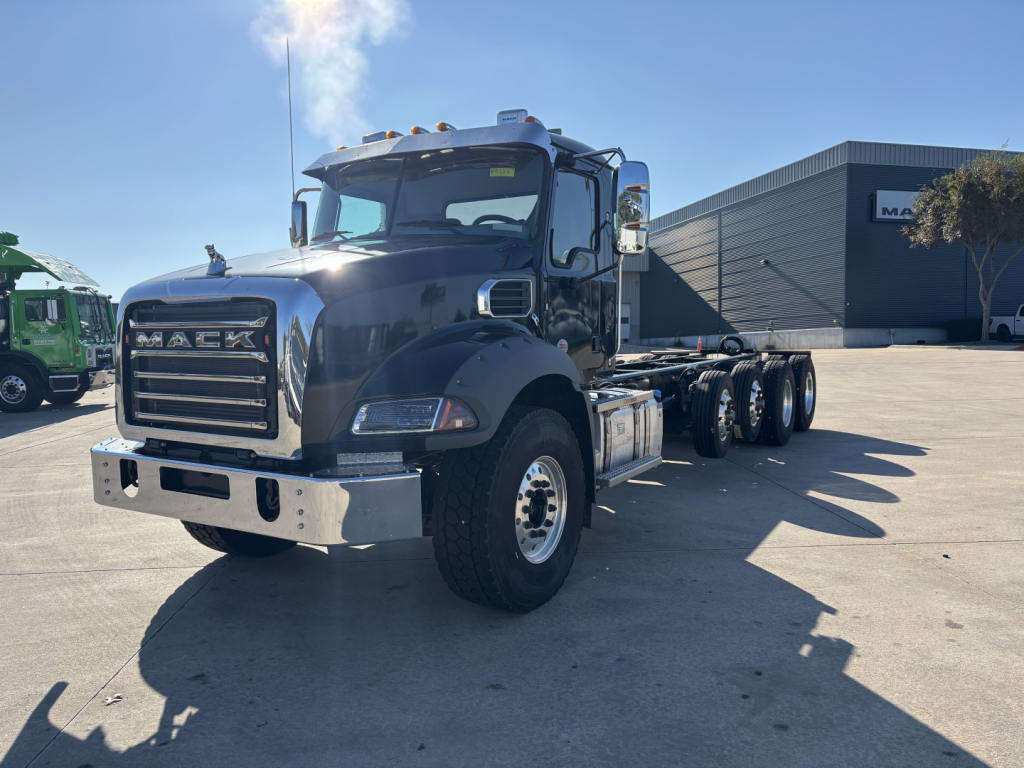
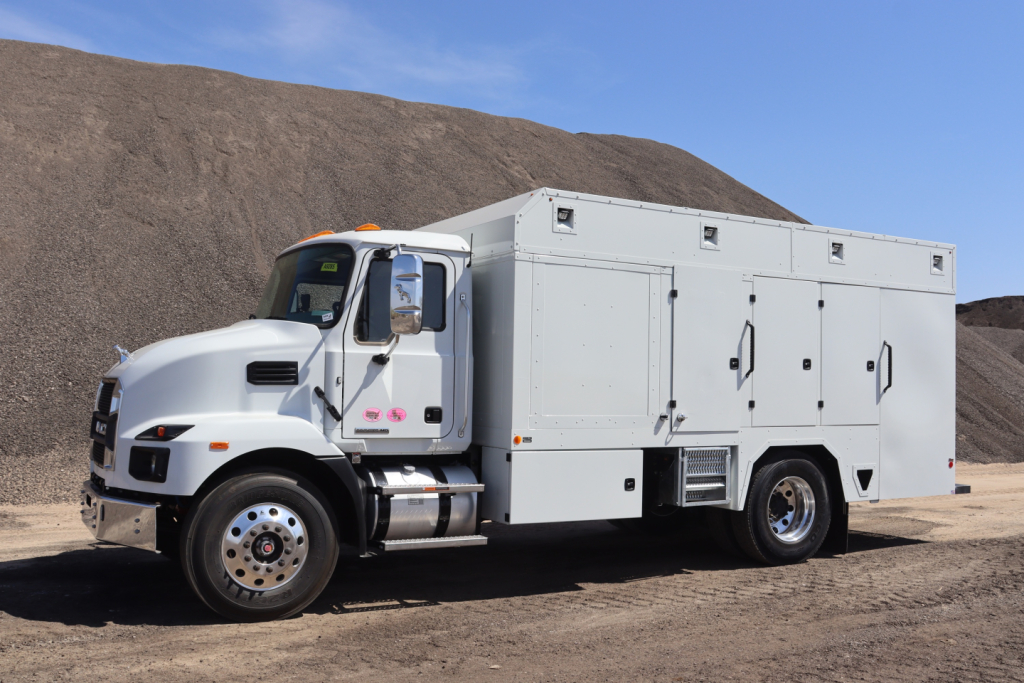
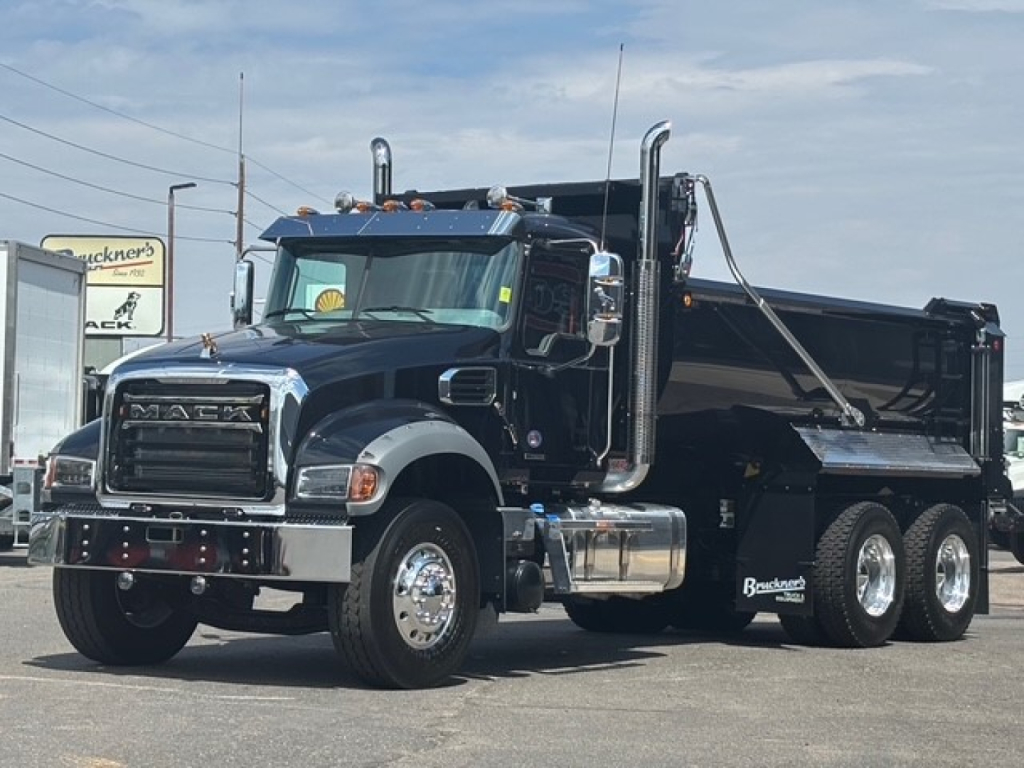
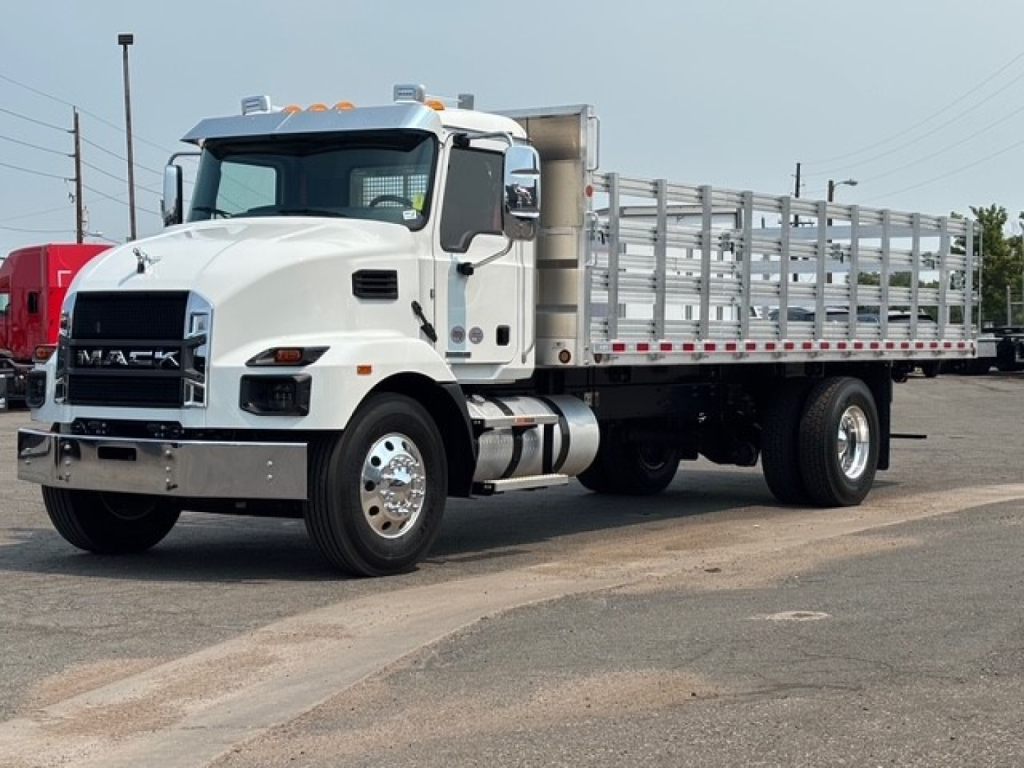
This category can include highway tractors, box trucks, and vocational trucks such as mixers, refuse chassis, feed trucks, and other specialty configurations. The key difference is intended use. Sleeper tractors are designed for long-haul freight and higher annual miles, box trucks are built for local or regional delivery, and vocational trucks are spec'd around body equipment, axle capacity, and jobsite or municipal demands.
What specs matter most when comparing sleeper tractors?
Engine rating, transmission type, rear axle ratio, suspension, sleeper size, and wheelbase are the main comparison points. A 13-liter engine with 405 to 455 horsepower and an automated transmission is common in modern fleet sleepers. Faster ratios such as 2.64 favor fuel economy on highway routes, while wheelbase and sleeper dimensions affect maneuverability, ride quality, and fuel tank capacity. Buyers should also review safety features such as collision mitigation, disc brakes, and engine brake performance.
How do I choose the right box truck?
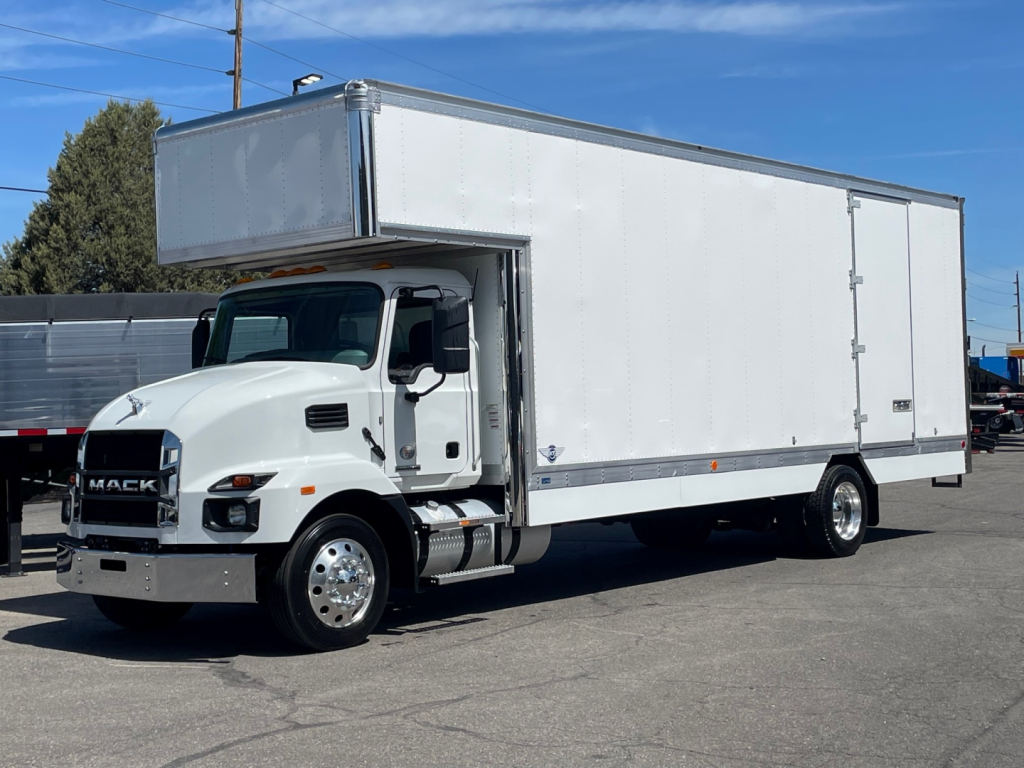
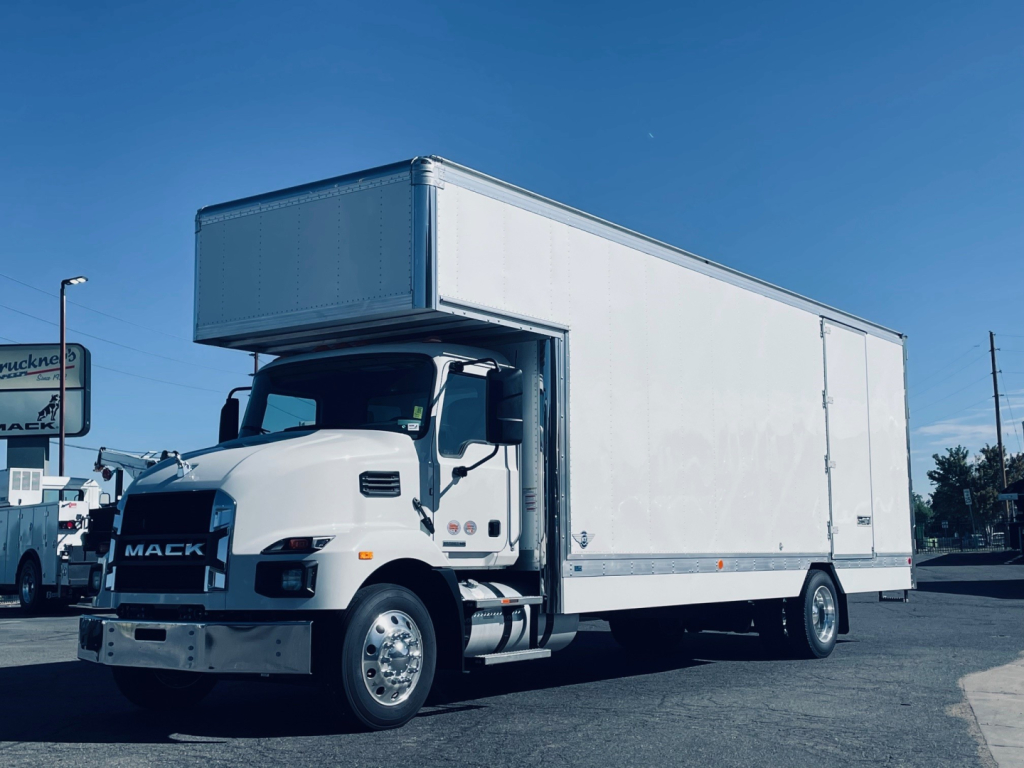
Start with GVWR and body length, then evaluate loading style and route profile. A lighter-duty box truck used for local deliveries may need a roll-up rear door, ramp access, dual rear wheels, and a simple automatic drivetrain. Body construction matters too. Buyers should inspect the floor, roof, sidewalls, door hardware, and any signs of water intrusion or hard dock impact. Service history and brake condition are often more important than cosmetic appearance on a delivery truck.
Are electric trucks practical for commercial use?
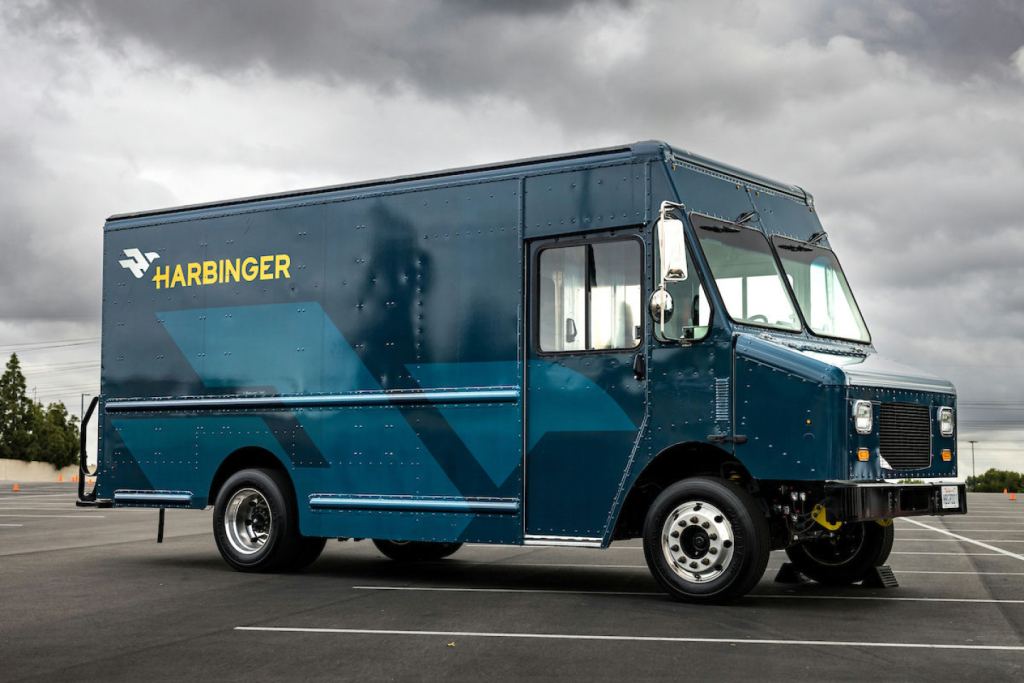
Electric trucks can be practical in vocational and return-to-base operations where route distance is predictable and charging access is planned. They offer strong launch torque, quieter operation, and zero tailpipe emissions, which can be attractive for municipal, refuse, or urban service. The tradeoff is that buyers need to confirm charger availability, charging time, body equipment integration, and how battery weight affects payload and axle loading.
What should Colorado buyers pay special attention to?
Colorado buyers should focus on gradeability, braking, traction, and cold-weather performance. Mountain routes place more demand on engine brakes, cooling systems, tires, and gearing than flatland service does. Trucks running the Front Range or westbound mountain corridors benefit from well-matched powertrain specs, strong brake systems, and suspension setups that can handle changing road and weather conditions. Cab heat, defrost performance, and overall maintenance condition also matter more in a four-season market.