
Commercial Trucks For Sale Near Elk Grove Village, Illinois
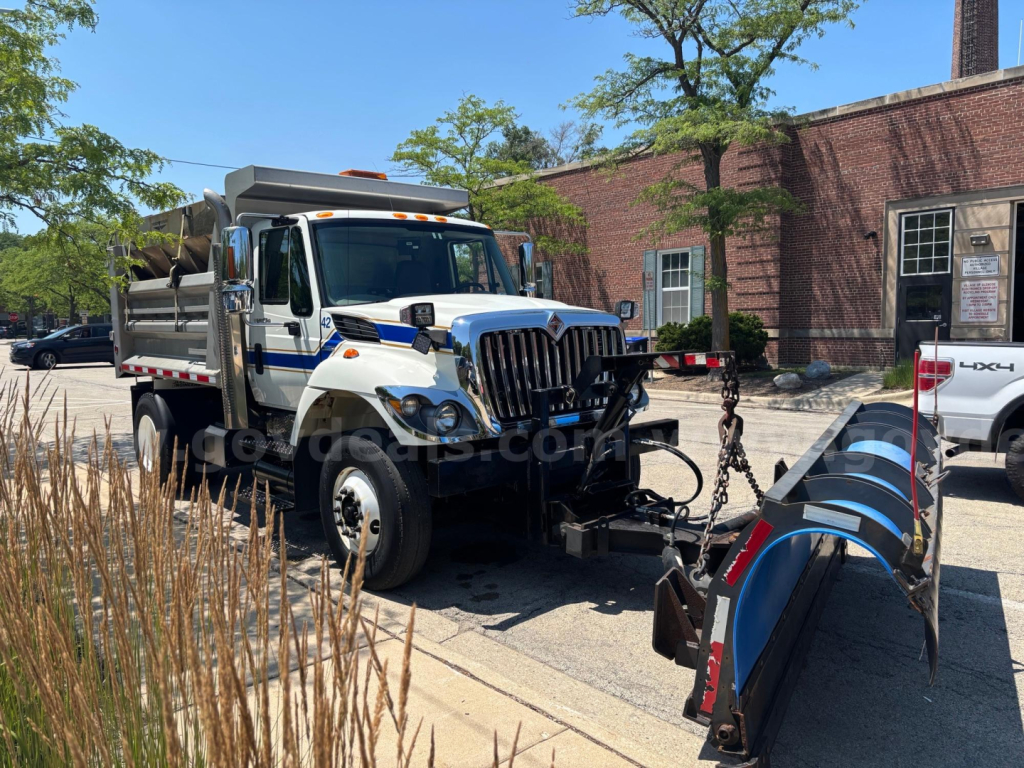
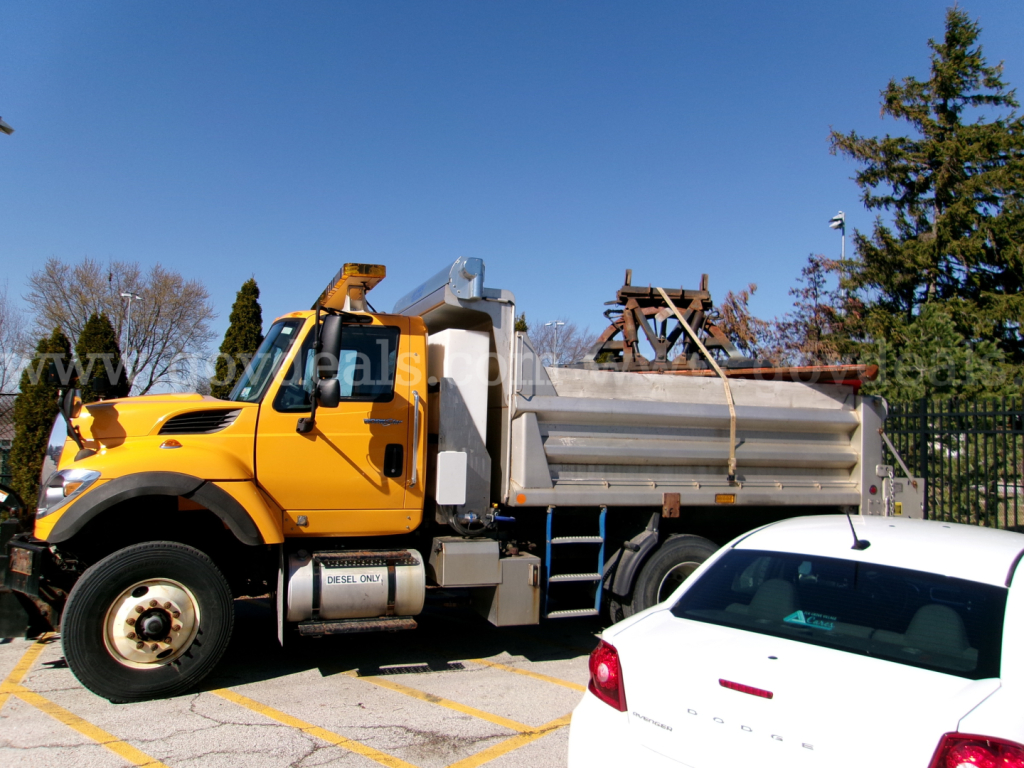
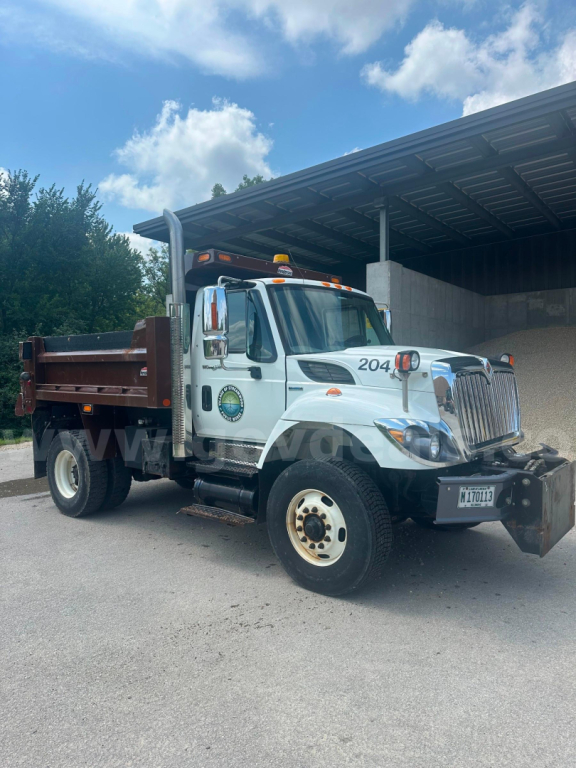
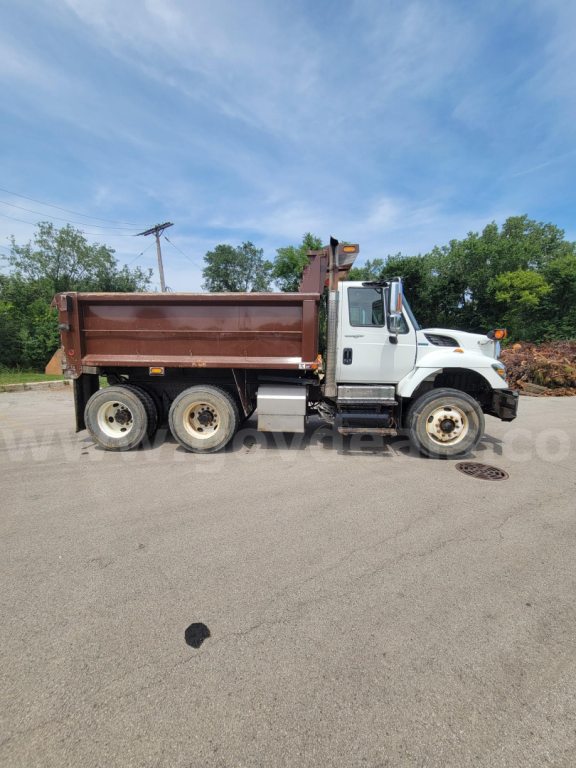


Have commercial truck to sell? List it here to reach thousands of buyers.
Commercial Trucks Near Elk Grove Village, Illinois
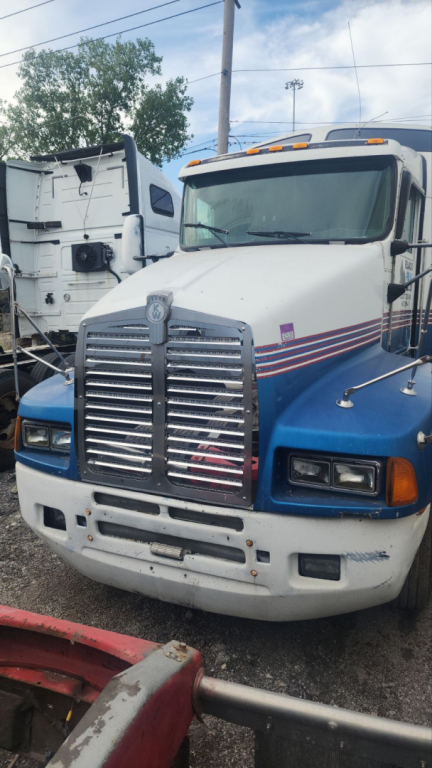
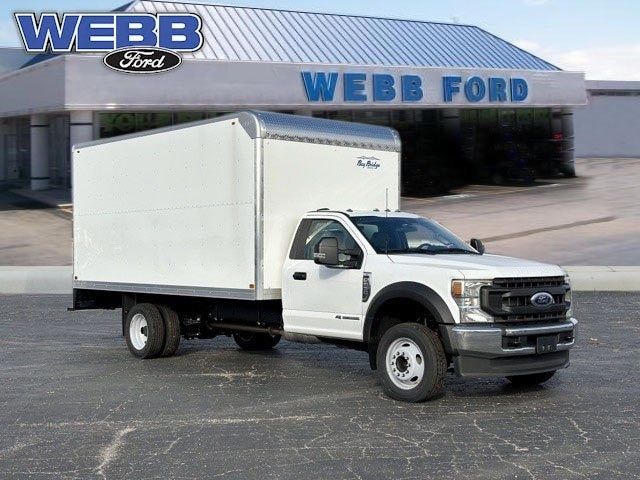
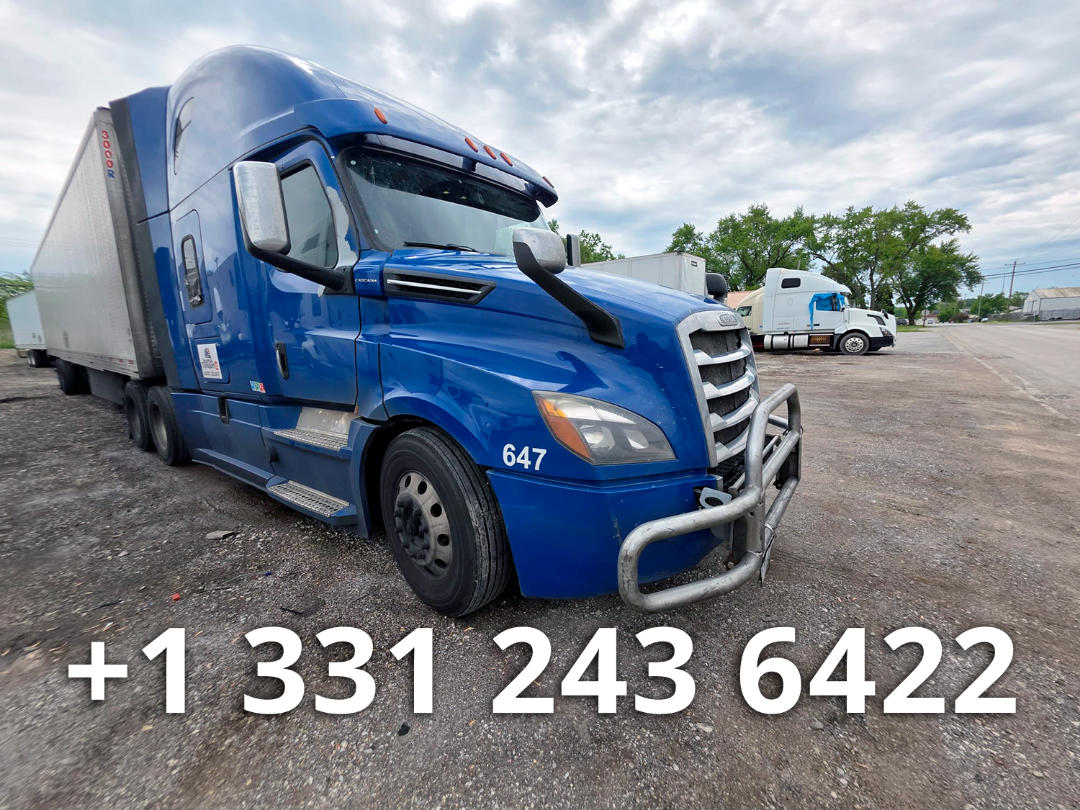
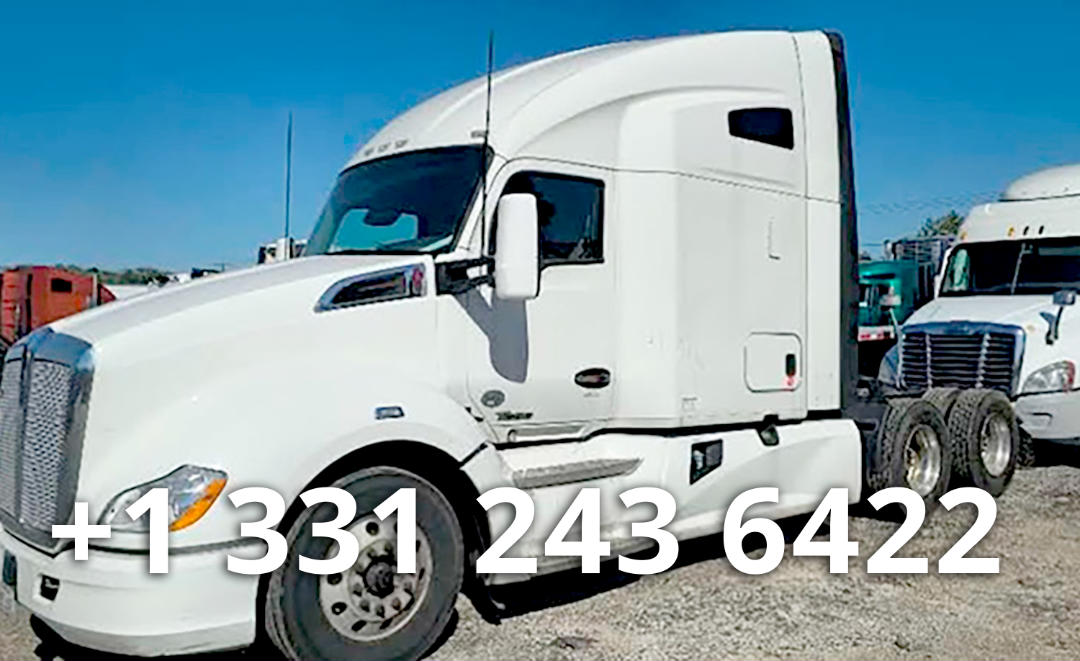
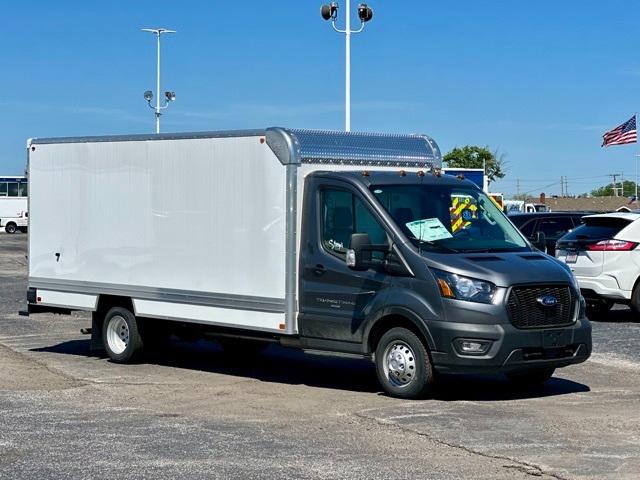
For buyers comparing road tractors, common checkpoints include engine family, transmission type, sleeper or day cab layout, rear axle ratio, and emissions history. Late-model conventional sleepers such as aerodynamic highway tractors are often spec'd with automated manual transmissions, 12 to 13 liter diesel engines, and fuel-saving features like APUs and fairings. Medium-duty trucks lean more on payload, body length, cab-to-axle measurement, and PTO compatibility. A 16-foot box truck, for example, solves a very different problem than a tandem sleeper tractor or a crane truck with outriggers and remote controls. Matching the chassis to the body is critical because frame strength, suspension rating, and brake setup determine how well the truck handles real jobsite or route demands.
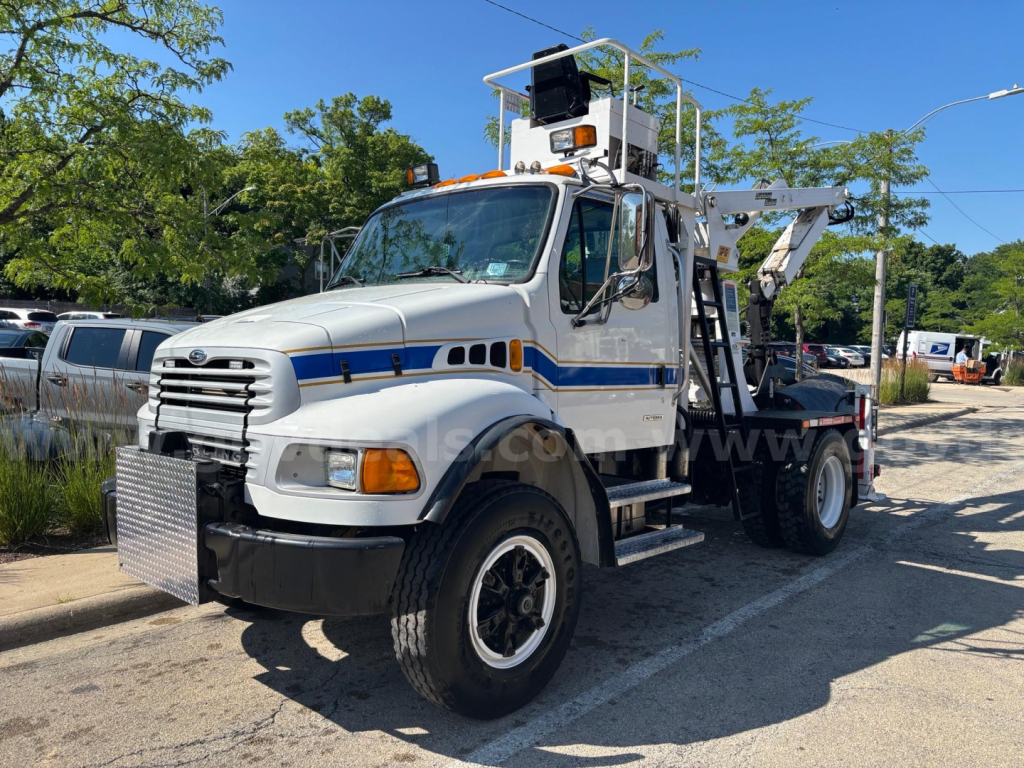
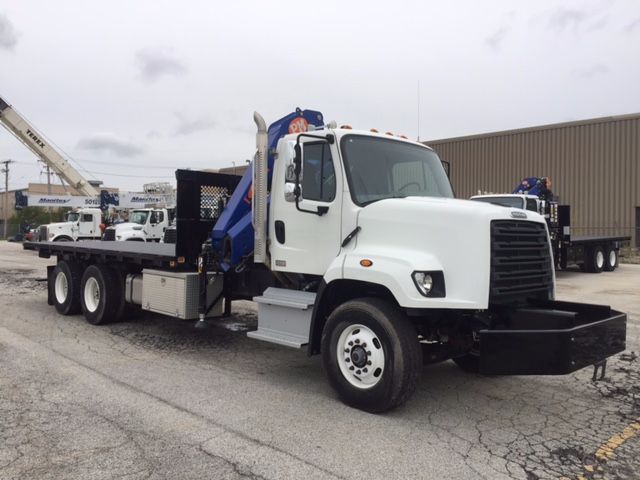
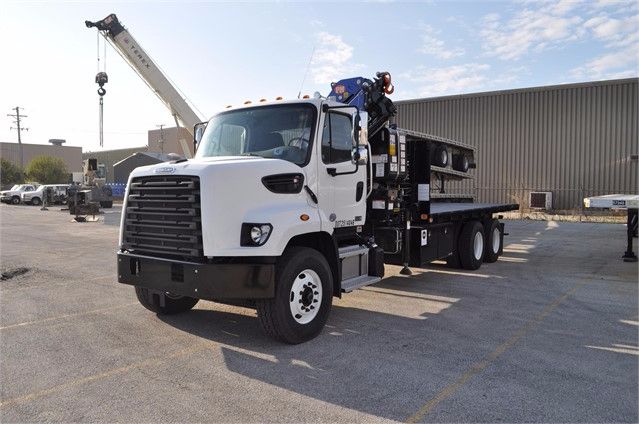
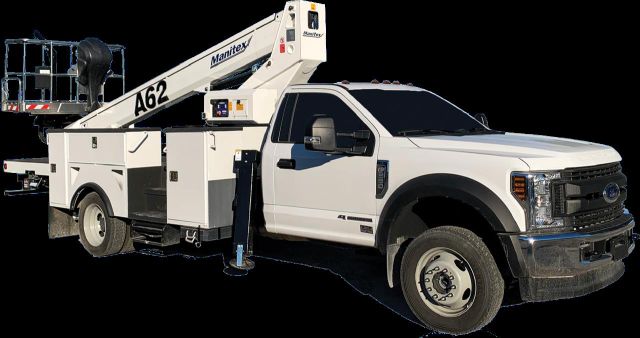
Specialty trucks deserve closer inspection because the truck and the upfit must work as one unit. Bucket trucks, also called aerial lift trucks, are often evaluated by working height, side reach, basket capacity, outrigger footprint, and whether the unit stays under CDL thresholds. Boom trucks and knuckle boom crane trucks are judged by lift capacity, load moment system, stabilizer design, and body configuration for carrying material or tools. Buyers should also verify how the equipment is mounted, where the controls are located, and whether the hydraulic system, PTO, and chassis serviceability make sense for the intended duty cycle. On used trucks, hours on the auxiliary equipment can matter as much as miles on the odometer.
A strong truck purchase comes down to operating cost and fit. Check engine hours against mileage, confirm transmission performance under load, inspect frame rails for rust or modifications, and review tire date codes, brake life, and suspension wear. On vocational trucks, pay attention to outriggers, boom pins, hoses, basket controls, and any inspection or dielectric records that apply. In the Elk Grove Village area, buyers often balance local route work, warehouse access, and interstate use, so cab size, body dimensions, and bridge law considerations can all affect the right choice. The best truck is not simply the newest or lowest-mile option. It is the one with the right chassis, legal weight capacity, and equipment package for the work it needs to do.
Frequently Asked Questions about Commercial Trucks Near Elk Grove Village, Illinois
What types of trucks are commonly listed in the trucks category?
The trucks category can include everything from highway tractors and sleeper trucks to box trucks, bucket trucks, boom trucks, service trucks, and other vocational units. Some are built for freight movement, while others are designed around a specific body or piece of equipment such as an aerial lift or knuckle boom crane. Buyers should filter by application first, then compare chassis class, axle setup, engine, transmission, and body specifications.
How do I choose between a medium-duty truck and a Class 8 truck?
The main factors are gross vehicle weight rating, payload, axle rating, and intended use. Medium-duty trucks are common for local delivery, utility work, landscaping, and lighter upfits where maneuverability matters. Class 8 trucks are typically the better fit for tandem-axle tractors, heavy hauling, larger crane bodies, and demanding regional mileage. If the body, cargo, or mounted equipment pushes weight higher on a regular basis, the heavier chassis usually provides better durability and legal capacity.
What should I check first on a used vocational truck?
Start with the condition of the upfit and the chassis together. On a bucket truck or boom truck, inspect the PTO operation, hydraulic functions, stabilizers, boom structure, hoses, pins, controls, and safety systems. Then review the truck itself for engine performance, transmission operation, brake condition, tire wear, rust on frame rails, and any signs of overload or poor body installation. Service records and inspection documentation are especially important on trucks with mounted equipment.
Are non-CDL trucks a practical option for commercial work?
They can be, if the job fits the truck's payload and equipment limits. Many buyers target non-CDL units under 26,001 pounds GVWR for easier staffing, local route work, and lower training requirements. That is common with some aerial lift trucks, service bodies, and light box trucks. The tradeoff is lower carrying capacity and less margin for heavier tools, materials, or future upfits, so buyers need to verify actual curb weight before assuming the truck will stay compliant in daily use.
Which specs matter most when buying a box truck or delivery truck?
Body length, interior height, rear door style, liftgate capacity, GVWR, wheelbase, and cab-to-axle measurement are the primary items. Buyers should also check engine and transmission pairing, payload after the body is installed, and how the truck will perform in urban traffic, loading docks, and tight warehouse approaches. A delivery truck that is easy to maneuver and properly rated for the freight often produces better real-world efficiency than a larger truck with unusable capacity.