
Trucks For Sale Near East Greenbush, New York
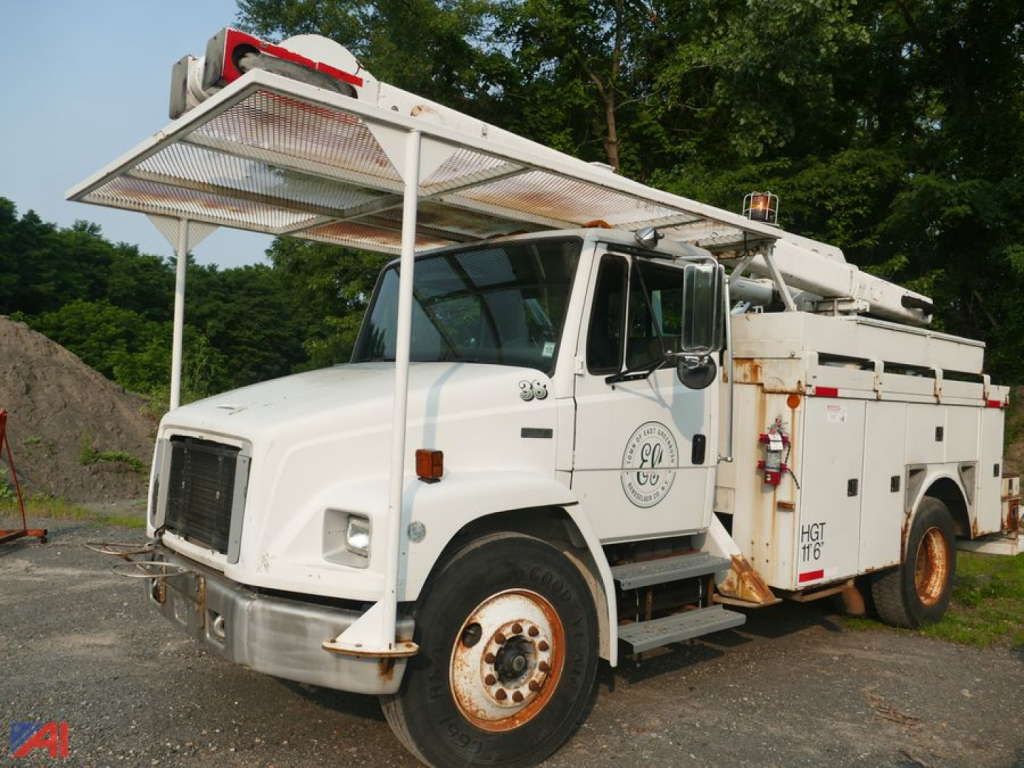
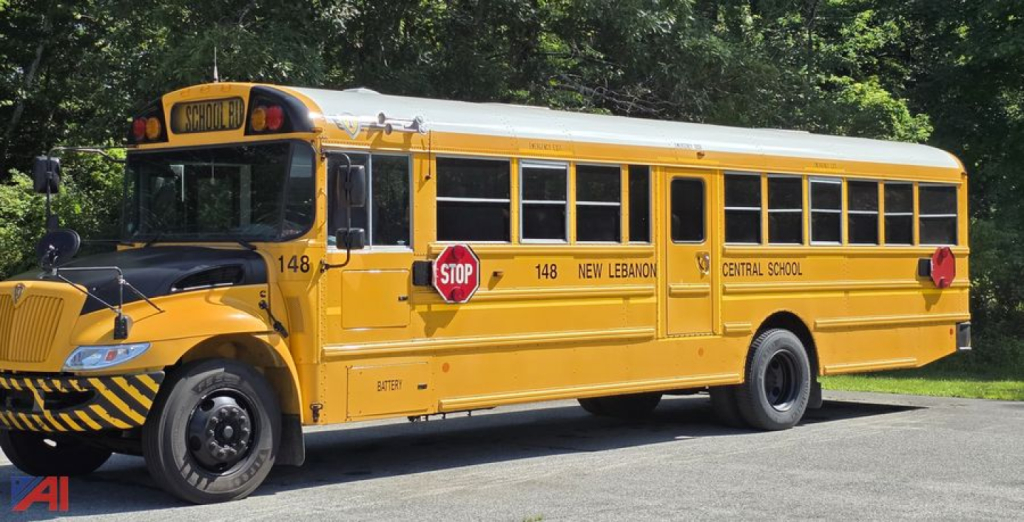
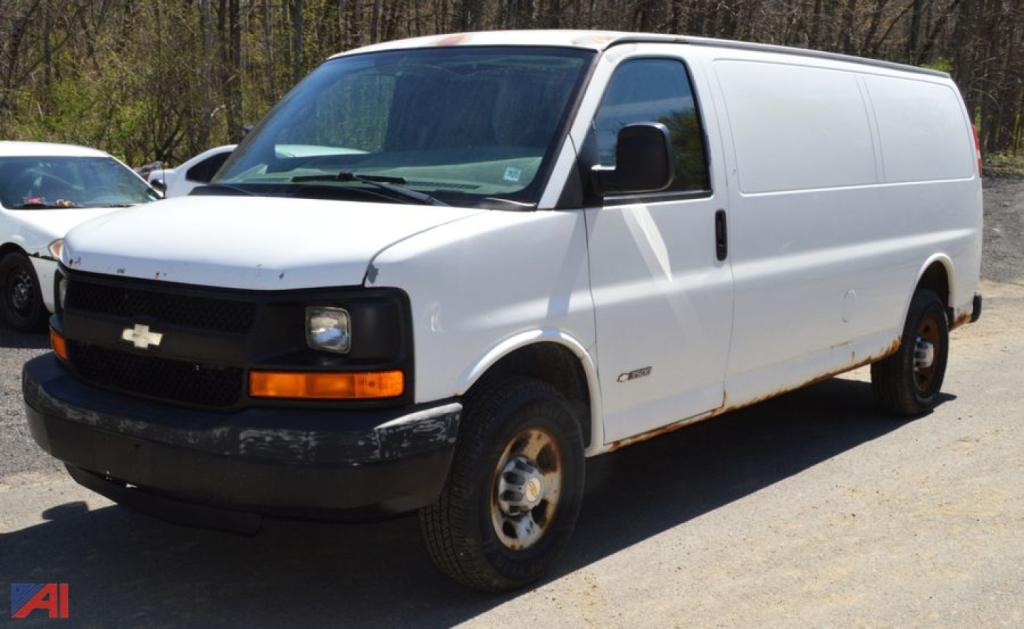
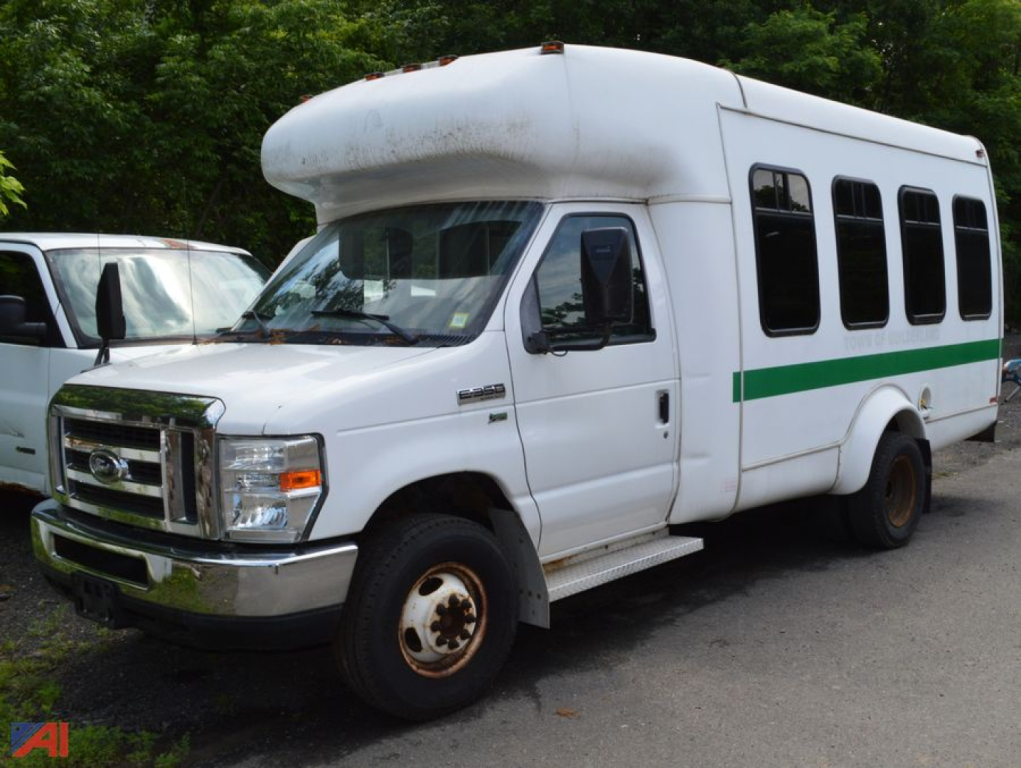
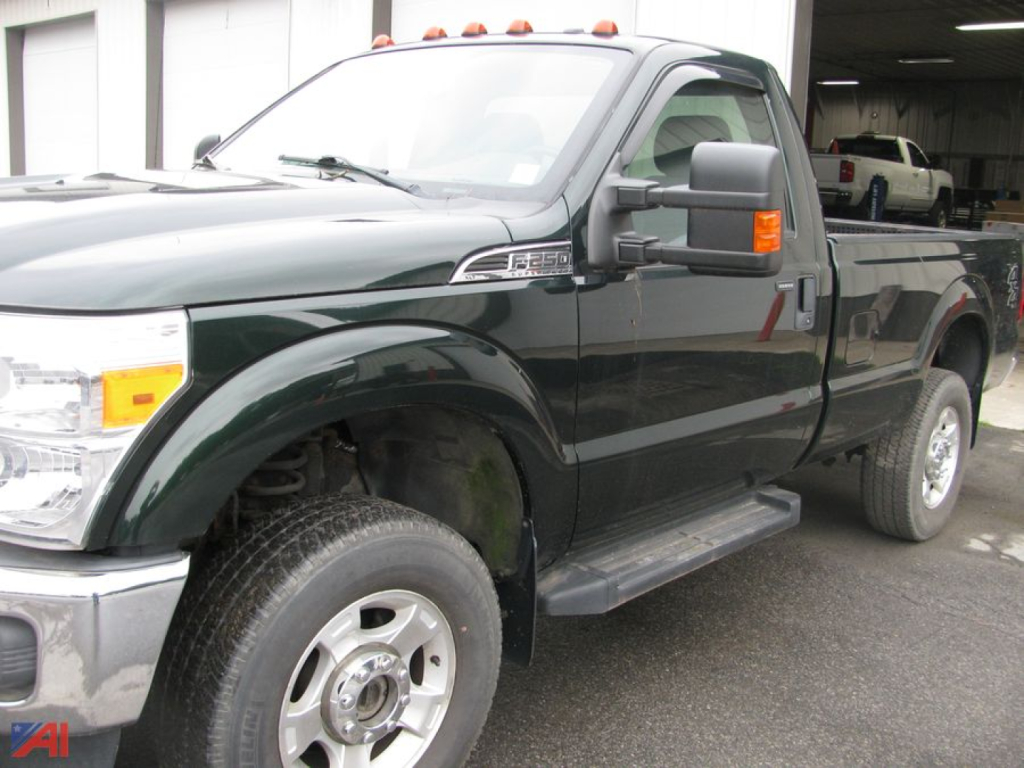
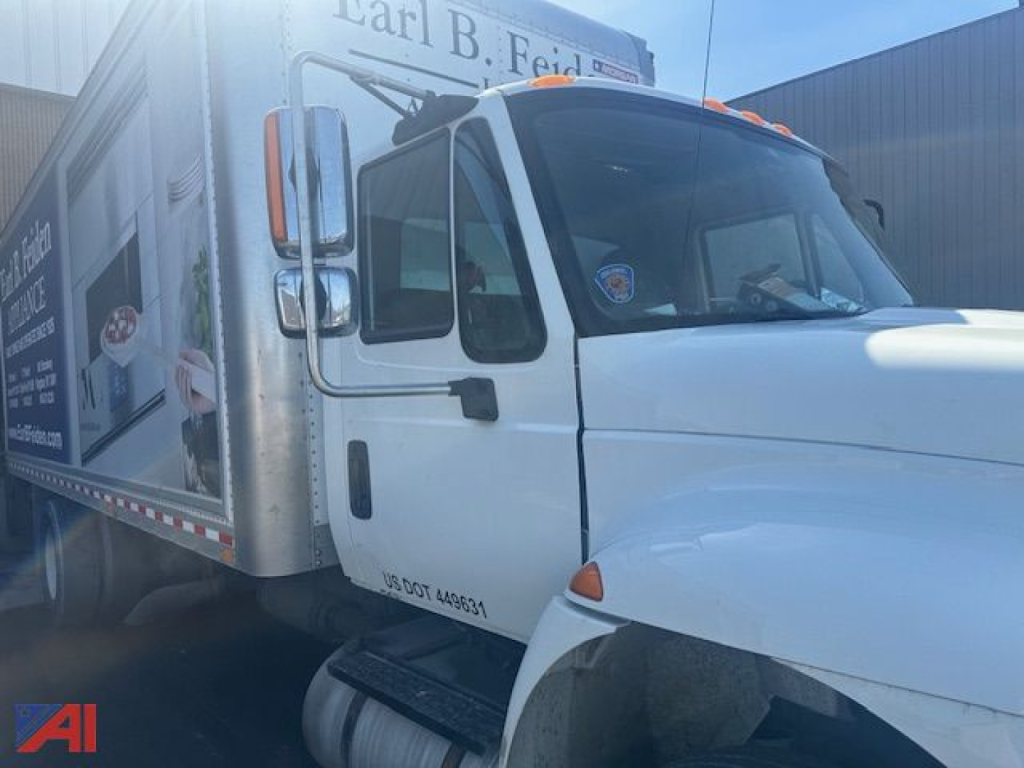
Browse trucks for sale in East Greenbush, NY, including box trucks, pickups, cargo vans, buses, and vocational work trucks.
Learn more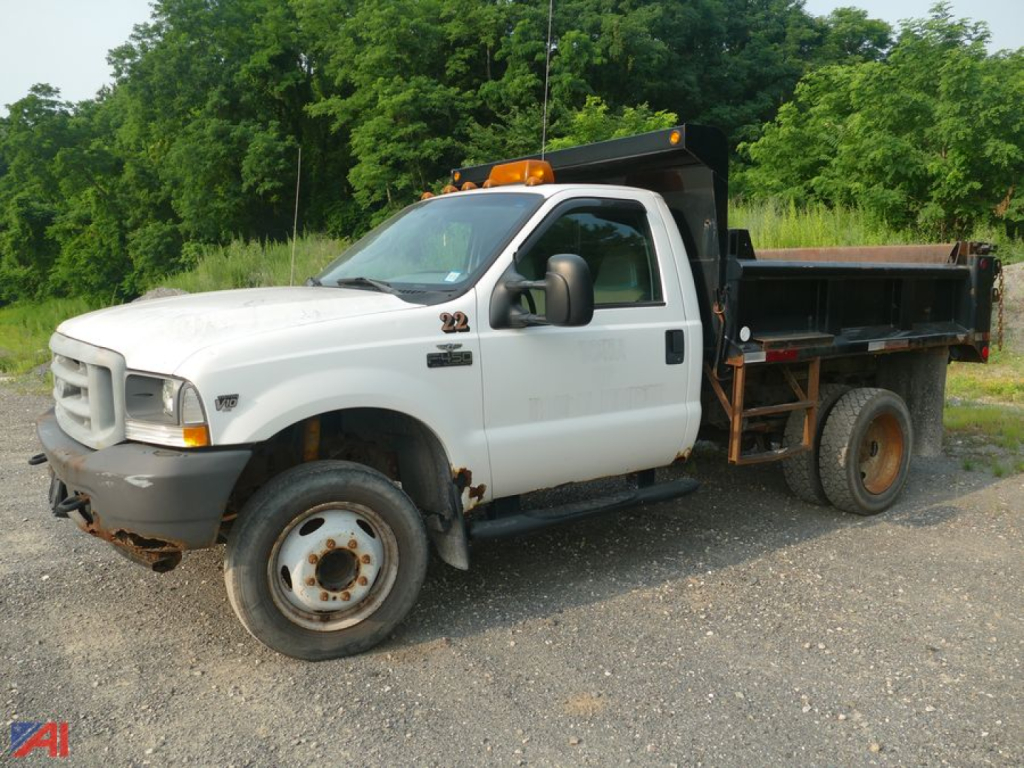
Have truck to sell? List it here to reach thousands of buyers.
About Trucks Near East Greenbush, New York
In the Northeast, condition matters as much as spec. Buyers in New York typically pay close attention to frame corrosion, cab corners, brake and fuel lines, suspension wear, and the condition of the underbody after years of road salt exposure. On diesel units, engine hours, DPF and SCR service history, and idle time can be just as important as odometer miles. On gas-powered pickups and vans, transmission condition, front-end wear, and PTO or plow-package history deserve a close look. If the truck carries a body or vocational system, inspect the upfit separately from the chassis, including pump operation, tank integrity, door seals, liftgate function, and electrical controls.
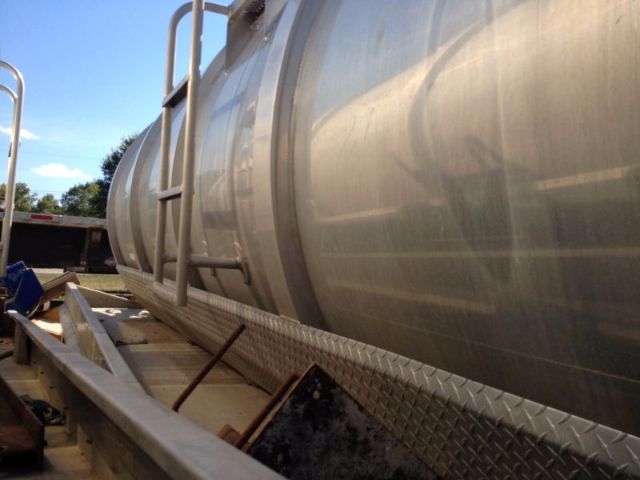
Common truck classes in this market range from light-duty pickups and vans up through Class 6 and Class 7 straight trucks. Medium-duty models like the International DuraStar are often used as box trucks, stake bodies, dump trucks, or municipal units because they balance payload, turning radius, and serviceability well. School buses and shuttle-style units bring a different set of buying criteria, including seating layout, entrance door operation, brake type, suspension setup, and state inspection compliance. Vacuum tank and sanitary units require close attention to tank material, compartment design, discharge plumbing, hatch seals, and whether the equipment is code or non-code depending on intended use.
A good truck purchase starts with duty cycle, not just price. Buyers should compare wheelbase, axle ratings, engine and transmission combinations, PTO capability, and any body-specific measurements that affect productivity. For urban and regional use around East Greenbush, Albany, and the Capital Region, maneuverability, visibility, and ease of service can matter more than maximum horsepower. For seasonal or municipal work, it also helps to verify plow prep, auxiliary lighting, hydraulic systems, and tire condition. The right truck in this category is the one that fits the workload, complies with local operating needs, and has a condition profile that supports reliable uptime.
Frequently Asked Questions
What types of trucks are commonly found in a general trucks-for-sale category?
A broad trucks-for-sale category usually includes pickup trucks, cargo vans, box trucks, buses, and vocational trucks built for specialized work. That can include light-duty service vehicles, medium-duty straight trucks, and purpose-built equipment such as vacuum tank units or municipal chassis. Buyers should sort by application first, then narrow by GVWR, drivetrain, cab style, and body type.
What should I inspect first on a used truck in New York?
Start with rust and structural condition. In New York, frame rails, crossmembers, suspension mounting points, brake lines, fuel lines, and cab mounts often show the effects of road salt. After that, review engine hours, maintenance records, tire wear, transmission operation, and any emissions-system service on diesel trucks. If the truck has a body or attachment, inspect that equipment separately because body repairs can be expensive even when the chassis is sound.
How do I choose between a pickup, cargo van, box truck, and medium-duty straight truck?
The choice depends on payload, cargo protection, towing needs, and access to job sites. A pickup is useful for towing, snow work, and mixed-duty use. A cargo van offers enclosed storage and easy access for service operations. A box truck provides cube space and protected freight capacity for delivery work. A medium-duty straight truck is better when the job requires higher GVWR, stronger axle ratings, larger bodies, or vocational equipment such as dump, utility, or tank systems.
Are miles or engine hours more important on a used truck?
Both matter, but their importance depends on the truck's duty cycle. High mileage from steady highway use can be easier on a truck than lower mileage with heavy idling, stop-and-go service, or PTO use. Engine hours help reveal how much total running time the powertrain has seen, especially on municipal, utility, and vocational trucks. Buyers get the clearest picture when miles, hours, service records, and visible wear all align.
What specs matter most when comparing trucks for commercial use?
The key specs are GVWR, wheelbase, axle ratings, engine and transmission combination, drivetrain, and body dimensions. Commercial buyers should also look at cab-to-axle measurement, PTO provision, suspension type, brake system, and tire size because those details affect upfit compatibility and operating cost. On specialized trucks, body-specific specs such as tank capacity, liftgate rating, interior cube, or plow setup can be just as important as the chassis itself.