
Dump Trucks For Sale in Vermont
Browse dump trucks for sale in Vermont. Compare body size, axle setup, PTO and hoist specs, and winter-ready features for hauling aggregate and snow.
Have dump truck to sell? List it here to reach thousands of buyers.
Dump Trucks in Vermont
Body construction matters as much as the chassis. Steel bodies are common for abrasive material like sand, gravel, riprap, and demolition debris, while lighter aluminum bodies can make sense where payload is the priority and impact loading is lower. Look closely at side height, floor thickness, crossmember design, tailgate style, and hoist type. A telescopic hoist is common on straight dump trucks, but the condition of the cylinder, hinges, trunnions, and PTO-driven hydraulic system deserves close inspection. Scuffing in the floor, cracks around the body mounts, and corrosion on the subframe are normal wear points, especially in northern states where salt exposure is part of the truck's life.
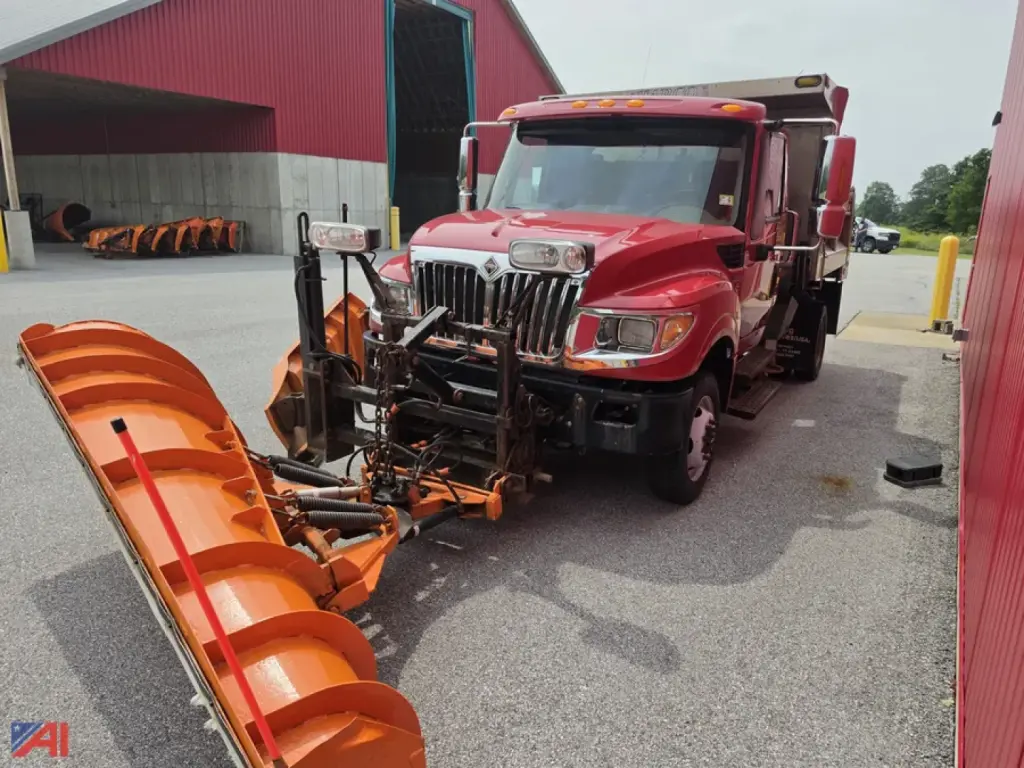
For Vermont buyers, winter equipment compatibility can be a deciding factor. A dump truck may be equipped with a front plow mount, wing provisions, underbody scraper, tailgate sander or V-box spreader hookups, and additional hydraulic circuits. Traction features like locking differentials, aggressive rubber, and the right axle ratio matter on steep grades and unpaved roads. Engine and transmission choice should fit the route profile and load cycle. Medium-duty dumps often use diesel engines paired with automatic or automated transmissions for stop-and-go work, while heavier tandem trucks may be spec'd for more demanding aggregate hauling. Brake type, frame condition, steering play, and evidence of hard municipal service are all worth checking before purchase.
A good used dump truck should be evaluated as a working system, not just a chassis with a box. Buyers usually inspect PTO engagement, hoist lift speed, tailgate operation, hydraulic leaks, frame rail integrity, spring or air suspension wear, and tire condition across all positions. If the truck will run local quarries, road crews, excavation sites, or property maintenance routes, the right spec is usually the one that minimizes downtime and matches legal payload without overbuying the chassis. Also known as a dump body truck or straight dump truck, this equipment class remains one of the most versatile vocational truck types in the Northeast.
Frequently Asked Questions about Dump Trucks in Vermont
What size dump truck is most common for local hauling and municipal work in Vermont?
Single-axle and tandem-axle straight dump trucks are the most common choices. A single-axle truck is often easier to maneuver on tighter roads, in town work, and on smaller job sites, while a tandem typically offers higher legal payload and better stability with heavier aggregate. The right choice depends on route restrictions, material type, and how often the truck will also be used for snow and ice operations.
What should I inspect on a used dump truck before buying?
Focus on the frame, body, and hydraulic system first. Check for rust-through, cracked welds, body mount damage, hoist cylinder leaks, PTO engagement issues, tailgate wear, and excessive corrosion on the subframe. Then inspect suspension components, steering, brake condition, tire wear, axle ratings, and signs of overloading. On trucks from northern climates, salt-related corrosion around wiring, hydraulic lines, and crossmembers deserves extra attention.
Are steel or aluminum dump bodies better?
Steel bodies are generally preferred for severe-duty hauling because they handle impact and abrasion better when carrying stone, broken asphalt, or demolition material. Aluminum bodies reduce empty weight and can improve payload, but they are usually better suited to lighter or less abrasive applications. Body floor thickness, side design, and reinforcement can matter as much as the material itself.
Can a dump truck also be used for snow plowing and spreading?
Yes. Many dump trucks in Vermont are spec'd as year-round vocational units with plow frames, central hydraulics, spreader controls, and lighting provisions. A truck already equipped for a front plow, wing, underbody scraper, or sander can save significant upfit cost. Buyers should confirm hydraulic capacity, front axle rating, and electrical compatibility for winter attachments.
What drivetrain features matter most on a dump truck in hilly or muddy conditions?
Rear locking differentials, proper axle ratios, adequate tire tread, and a suspension setup matched to the terrain are key. In steep or soft-ground conditions, traction can be more important than peak horsepower. Buyers should also consider transmission type, low-speed control, and whether the truck's wheelbase and weight distribution fit the job site conditions they expect to see.