
Used Dump Trucks For Sale in Ohio
Browse used dump trucks for sale in Ohio, including municipal and contractor spec trucks with dump bodies, plows, spreaders, and PTO hydraulics.
Learn more
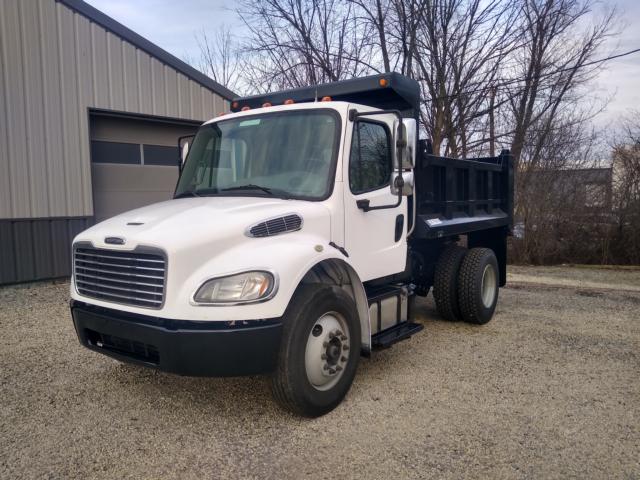
Showing 13 to 16 of 16 results
Have used dump truck to sell? List it here to reach thousands of buyers.
About Used Dump Trucks in Ohio
On a used dump truck, the body and hydraulic system deserve as much attention as the engine and transmission. Bed length, side height, hoist type, floor thickness, and tailgate design all affect payload and material release. In Ohio, it is common to see electric-over-hydraulic systems on lighter trucks and PTO-driven hoists on heavier units. If the truck has been used with a plow and spreader, inspect the front frame extensions, plow mount, hydraulic pump, controller wiring, and signs of corrosion around the dump body, crossmembers, cab corners, harness connections, and spreader components. Salt exposure is a real value driver in this state, so underbody rust, brake line condition, and frame scaling should be reviewed closely.
Chassis spec is where long-term operating cost gets decided. Common used dump truck considerations include GVWR, front axle rating, rear axle ratio, suspension type, brake type, wheelbase, and tire size. A single-axle dump truck is often the right fit for local material delivery, landscape supply, township road departments, and tighter jobsites. Diesel engines in this class commonly range from mid-displacement vocational platforms up to heavier severe-service ratings, and transmissions may be manual, automatic, or automated depending on age and intended use. Mileage matters, but idle hours matter too, especially on former municipal units that spent long periods running plow, spreader, or hydraulic functions. Service records, PTO operation, hoist cycle speed, and evidence of recent brake, cooling, or electrical work can tell more than odometer reading alone.
A good used dump truck should match payload needs, route conditions, and seasonal attachments without forcing expensive rework after purchase. In Ohio, buyers should pay close attention to frame condition, spring hanger areas, cab mounts, air system health, and the condition of plow gear if winter service is part of the plan. Trucks with toolboxes, bed vibrators, hitch equipment, tarp systems, and lighting upgrades can save real upfit cost if those features fit the job. The strongest value usually comes from a truck with a straight frame, solid hoist, clean title history, and a vocational spec that already matches the work instead of a general-purpose chassis trying to do dump duty.
Frequently Asked Questions
What should I inspect first on a used dump truck in Ohio?
Start with corrosion and hydraulic function. Ohio trucks are frequently exposed to snow, salt, and freeze-thaw conditions, so the frame rails, crossmembers, brake lines, cab corners, plow mounts, wiring, and dump body structure should be checked carefully. After that, confirm the hoist lifts smoothly, the PTO engages properly, the tailgate opens and seals correctly, and any plow or spreader equipment operates as intended. A truck with average mileage but heavy rust can become more expensive than a higher-mile unit with better structure and maintenance history.
Is a single-axle dump truck enough for most local work?
For many buyers, yes. A single-axle dump truck is a common choice for landscape materials, asphalt patch, debris removal, municipal road work, and local aggregate delivery where maneuverability matters. It is easier to place on tight jobsites and often less expensive to maintain than a tandem. The key is payload requirement. If the truck will regularly haul heavier material at the upper end of legal weight, axle ratings, wheelbase, suspension, and body size need to be matched carefully to the work.
Are municipal used dump trucks a good buy?
They can be, especially when maintenance records are available and the truck was serviced on schedule. Municipal trucks often come with desirable vocational equipment such as plows, spreaders, strobes, toolboxes, and hydraulic systems already installed. The tradeoff is that many have high idle time, seasonal corrosion exposure, and electrical wear from accessory equipment. Buyers should compare miles to engine hours, inspect the underbody closely, and verify that all winter-service components are complete and operational.
What engine and transmission choices are common in used dump trucks?
Used dump trucks in this class commonly have diesel engines from medium-duty and severe-duty vocational platforms, paired with manual or automatic transmissions. Older units may have 5-speed or 6-speed manuals, while many municipal and contractor trucks use automatics for stop-and-go routes and plow work. The best choice depends on route profile, driver preference, and PTO requirements. More important than brand alone is cold-start behavior, blow-by, cooling system condition, transmission shift quality, and documented service history.
Why do idle hours matter on a used dump truck?
Idle hours matter because dump trucks often spend long periods stationary while powering hydraulics, plows, spreaders, lights, or PTO accessories. A truck with moderate mileage can still have substantial engine wear if it spent years in municipal winter service or jobsite standby operation. High idle time can affect the engine, aftertreatment system, charging system, and accessory components. Buyers should evaluate idle hours alongside miles, maintenance records, and the truck’s actual vocational history.