
Used Dump Trucks For Sale in Arkansas
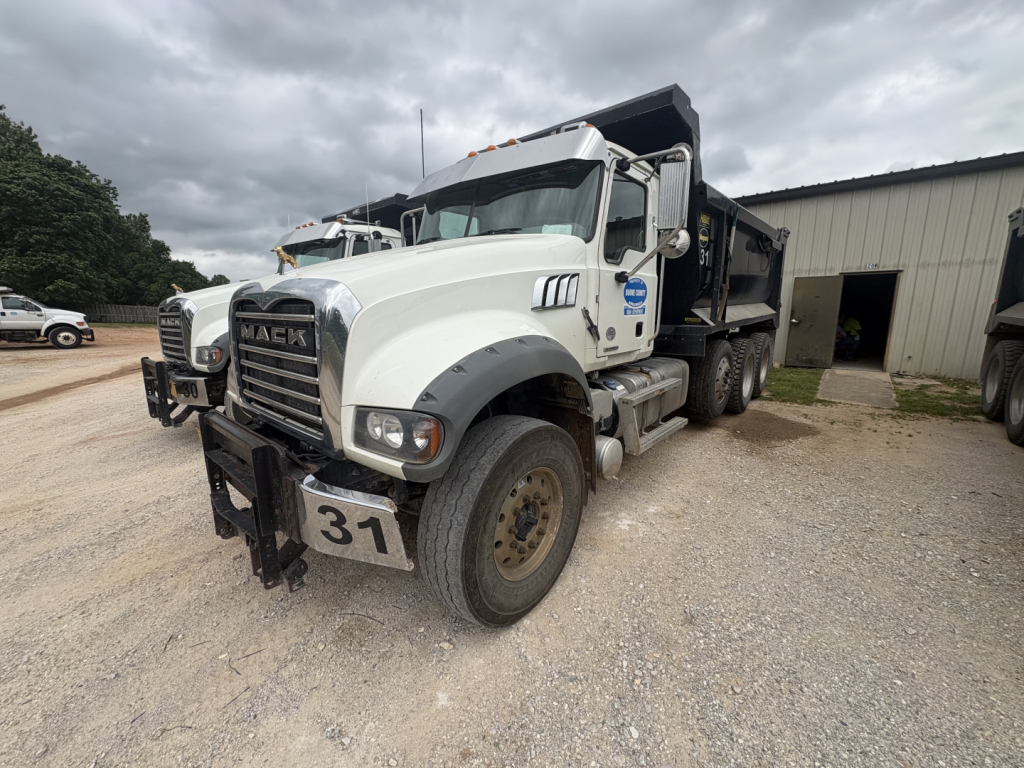
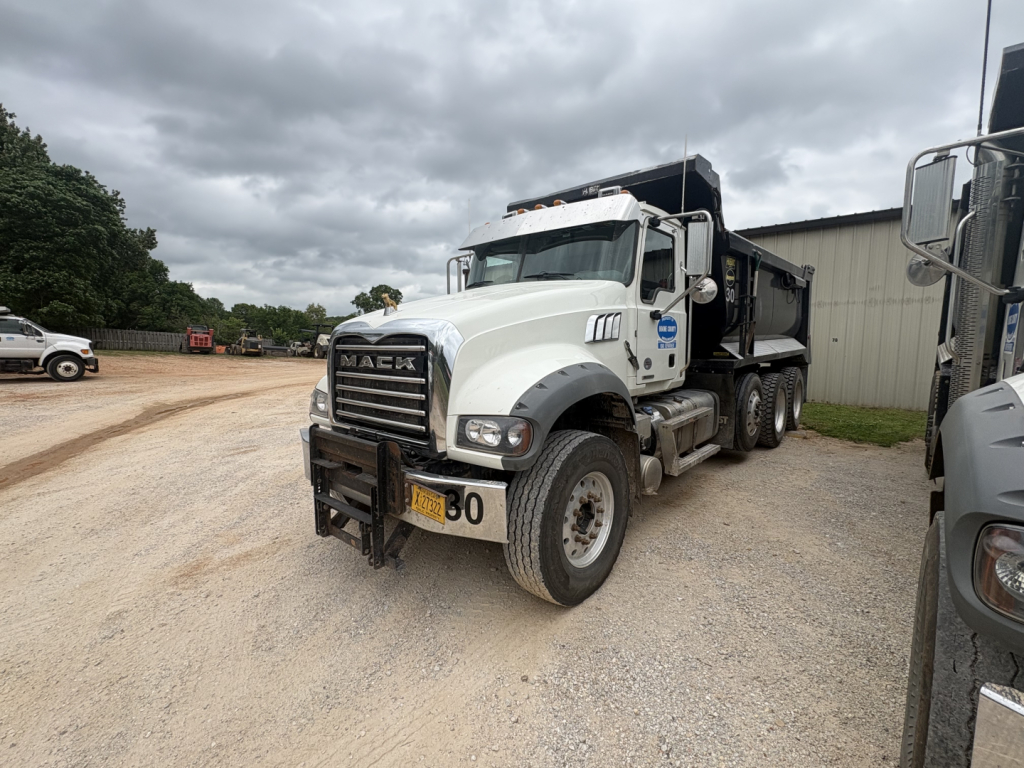
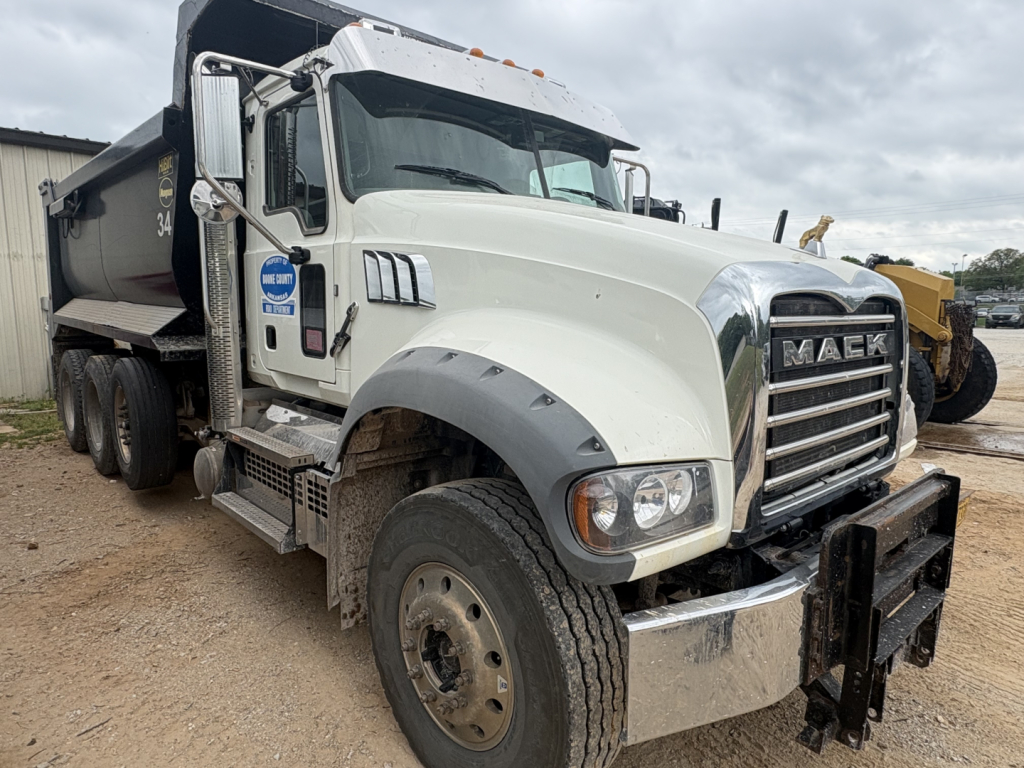
Used dump trucks for sale in Arkansas, including tandem and lift-axle setups for construction, aggregate, asphalt, and site work.
Learn more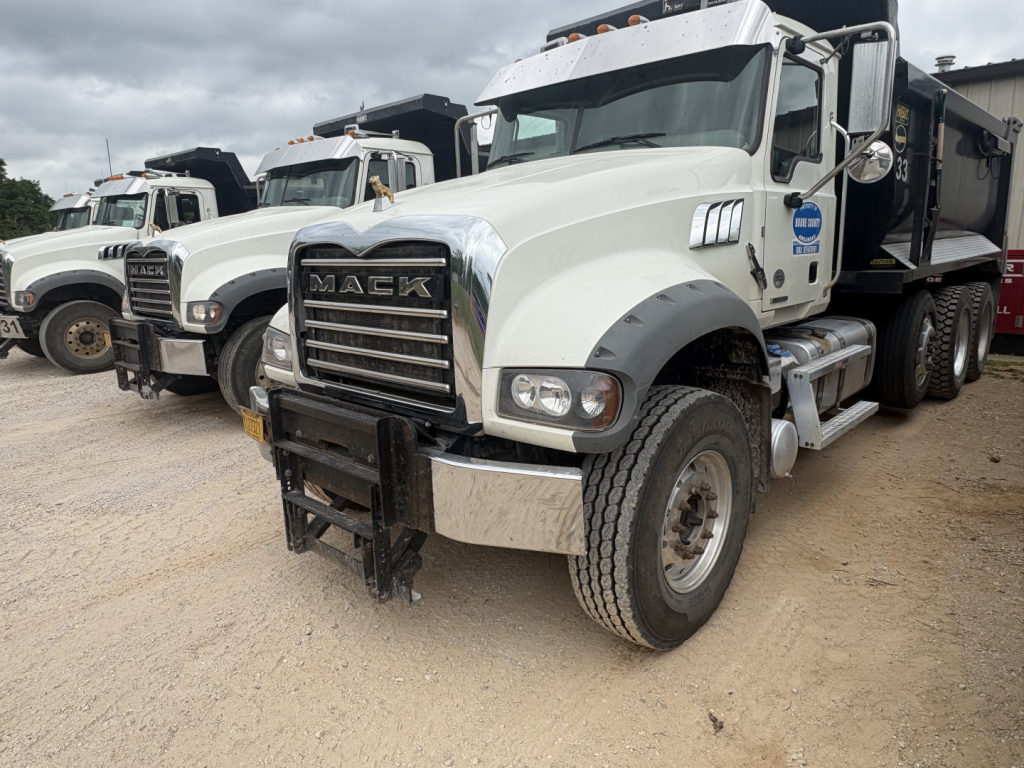
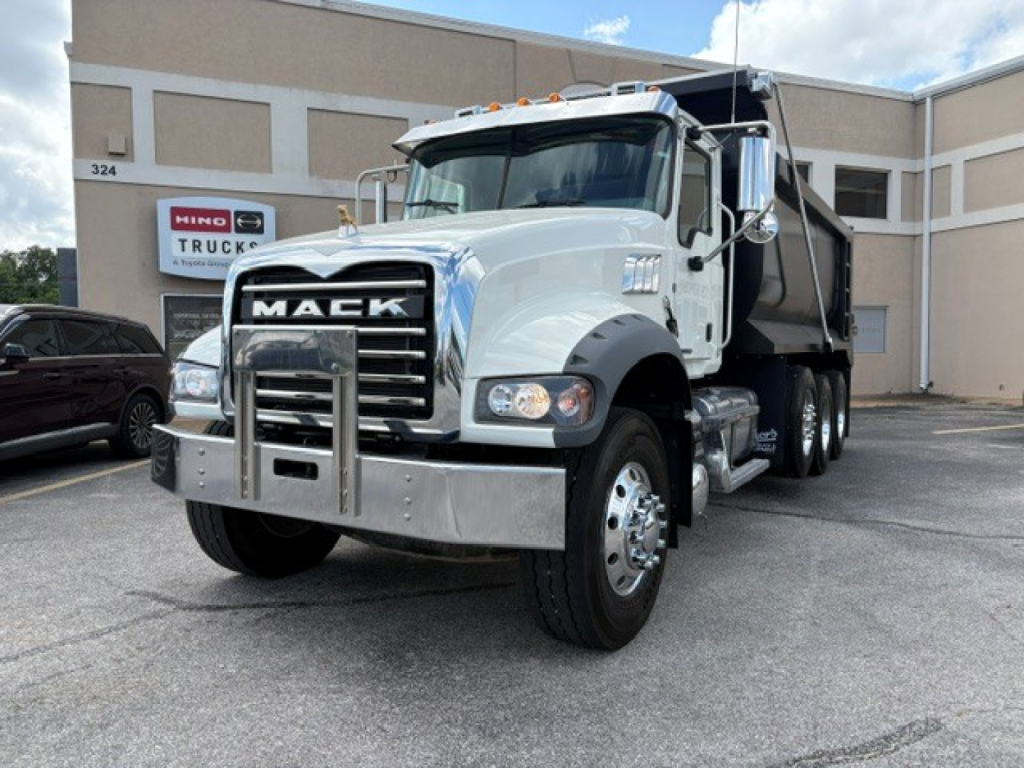
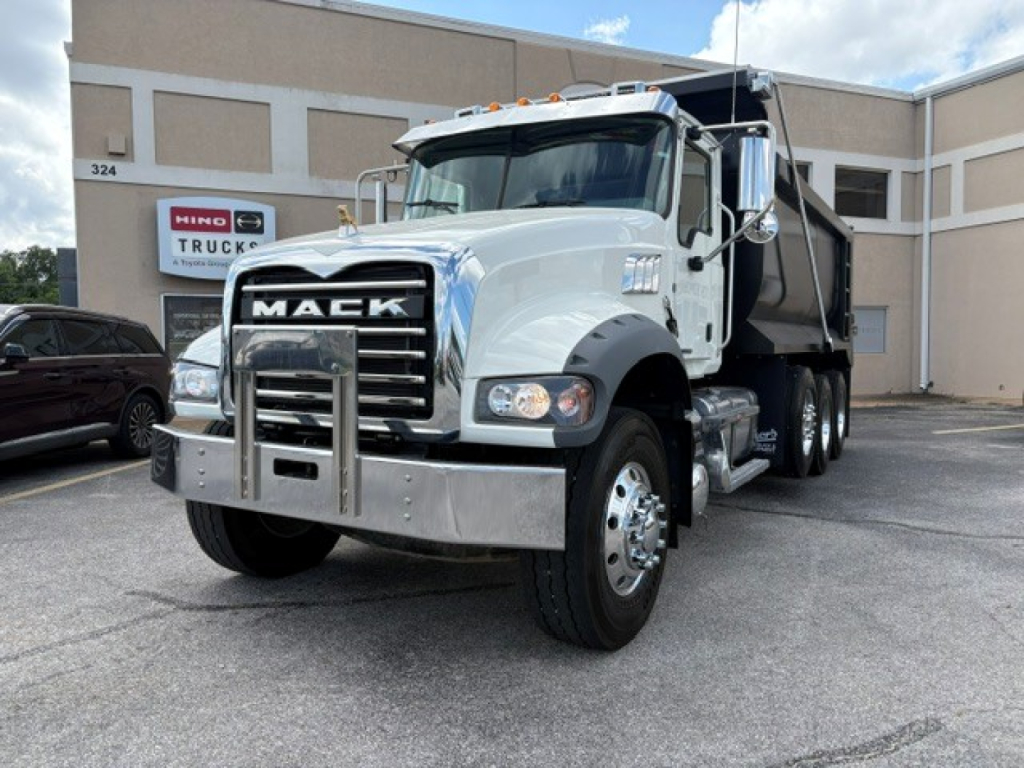
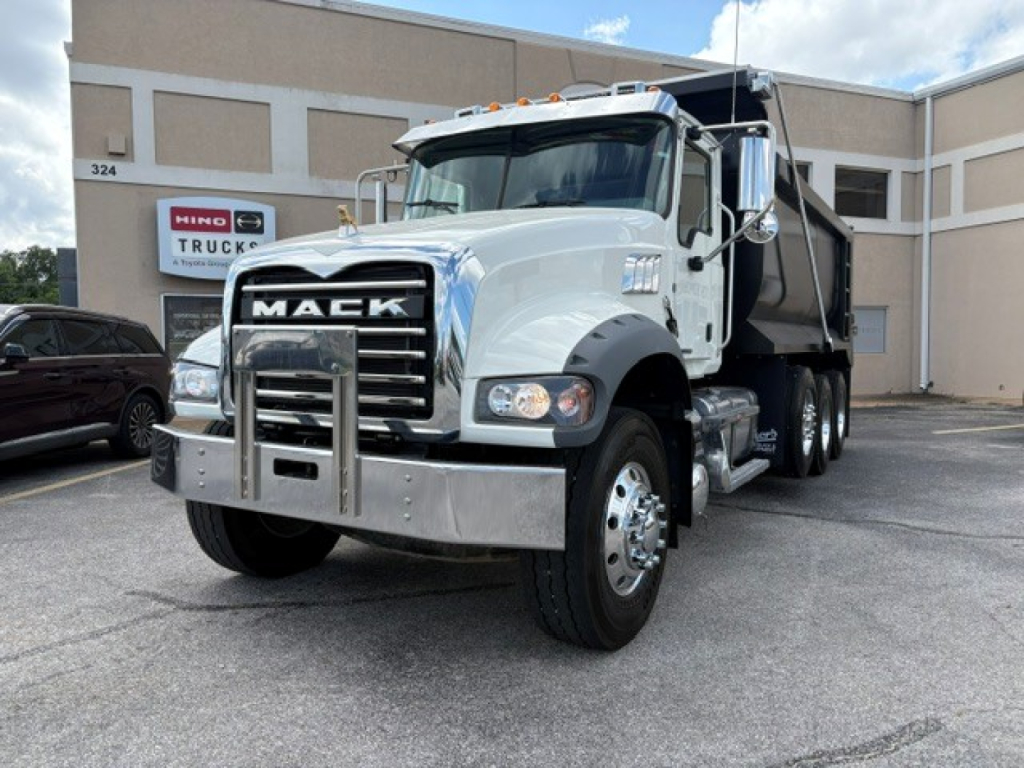
Have used dump truck to sell? List it here to reach thousands of buyers.
About Used Dump Trucks in Arkansas
The core spec decisions on a dump truck are engine, transmission, suspension, axle ratings, and body setup. Heavy vocational engines in the 400 to 500 horsepower range are common, paired with manual, automated manual, or fully automatic transmissions depending on driver preference and terrain. Rear axle ratios in the low 4s are typical on work-oriented specs that need startability under load. Many used dump trucks in this class carry 20,000 lb front axles, 40,000 to 46,000 lb rears, locking differentials, and severe-duty suspensions such as camelback or multileaf. Drum brakes remain common in vocational service because they are durable and familiar to maintain, though some buyers prefer disc brakes for stopping performance and service access.
Body and hoist details often make the biggest difference in real-world use. A steel dump body is generally preferred for rock, broken concrete, and demolition debris, while lighter-weight bodies can make sense for sand, asphalt, or other higher-volume applications. Buyers should look closely at bed length, side height, floor thickness, liner condition, tailgate style, hoist capacity, PTO operation, and cylinder condition. Crossmember corrosion, hinge wear, frame cracks, and signs of hard off-road use deserve a careful inspection. If the truck has a lift axle, verify tire condition, suspension operation, and whether the axle is steerable, since that can reduce tire scrub and improve maneuverability on tighter Arkansas jobsites.
A good used dump truck should match the work before it matches the badge. Wheelbase affects both body size and turning radius. Suspension choice affects ride quality, off-road durability, and how the truck handles uneven loading. Tire size, ground clearance, and differential locks matter on muddy sites and quarry access roads. For buyers focused on uptime, service history, hydraulic performance, transmission calibration, and body condition are usually more important than model year alone. Also known simply as a dump truck or dump body truck, this equipment class is built around one job: moving material efficiently, unloading fast, and going back for another load without wasting time.
Frequently Asked Questions
What should I look for first when buying a used dump truck?
Start with the axle and body configuration, because those determine payload, legal compliance, and job fit. After that, inspect the frame, hoist, PTO, body floor, tailgate, suspension, and driveline. A dump truck can look clean and still have expensive vocational wear, especially around frame rails, body hinges, cylinder mounts, and suspension hangers. Service records, hydraulic function, and evidence of consistent maintenance usually tell you more than odometer reading by itself.
Is a lift axle worth it on a used dump truck?
A lift axle can be worth it if your operation needs additional legal payload without moving into a larger truck. On many dump applications, a steerable lift axle helps distribute weight and improves maneuverability compared with a fixed pusher. The tradeoff is more components to maintain, including tires, bushings, steering parts, and air controls. Buyers should confirm the axle lifts, steers, and locks out correctly, and that tire wear is even.
What engine and transmission specs are common in dump trucks?
Used dump trucks commonly carry vocational diesel engines in the 400 to 500 horsepower range with strong low-end torque. Transmissions may be manual, automated manual, or automatic depending on the truck's intended use and fleet preference. Many vocational specs use lower rear axle ratios to improve launch and gradeability under load. For stop-and-go work, off-road access, and loaded starts, drivetrain gearing and differential locks are often more important than top-road speed.
Are steel dump bodies better than aluminum for this category?
Steel bodies are generally preferred for severe-duty dump work such as rock, rubble, demolition, and uneven loading because they tolerate impact better. Aluminum or lighter-weight bodies can be useful when maximizing payload on less abrasive material, but they are usually chosen with the application in mind. The right choice depends on what the truck hauls every day. On a used truck, body condition matters as much as body material, so inspect the floor, sidewalls, crossmembers, and tailgate structure closely.
How important is wheelbase on a used dump truck?
Wheelbase directly affects body length, bridge compliance, ride characteristics, and turning radius. A longer wheelbase can support a larger body and help with axle spread, but it may be less maneuverable on tight jobsites or urban routes. A shorter wheelbase is easier to place and back, though it may limit body options or legal payload setup. Buyers should match wheelbase to the type of hauling, site access, and typical road conditions in their operating area.