
Dump Trucks For Sale in Maine
Browse dump trucks for sale in Maine, including light, medium, and heavy-duty models for hauling gravel, salt, asphalt, and site materials.
Learn moreNo exact matches found for your search
Showing Dump Trucks instead.
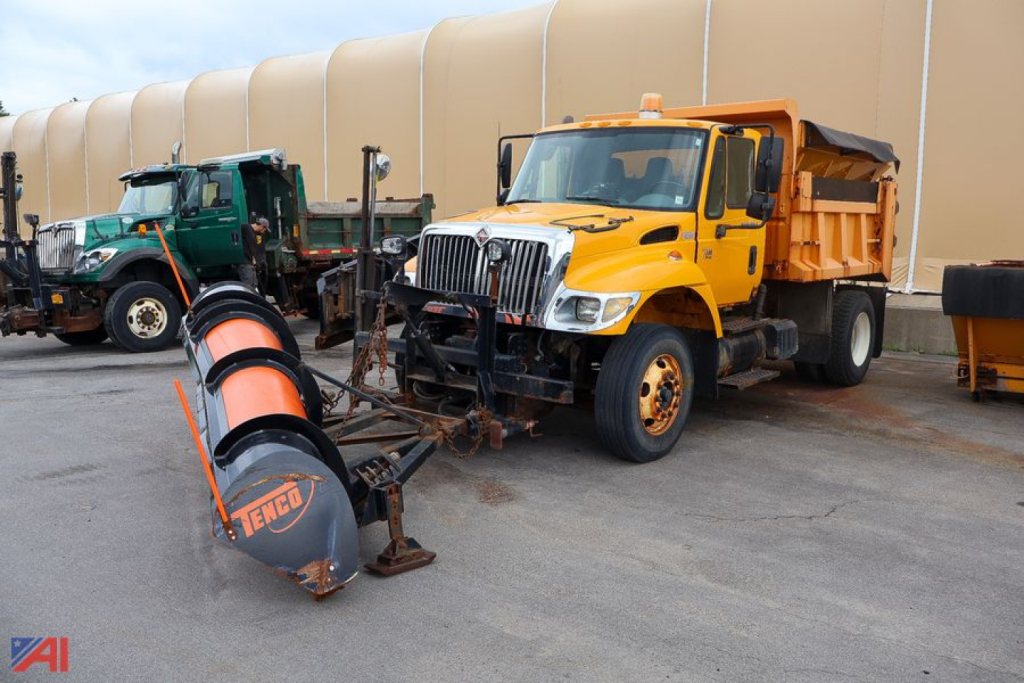
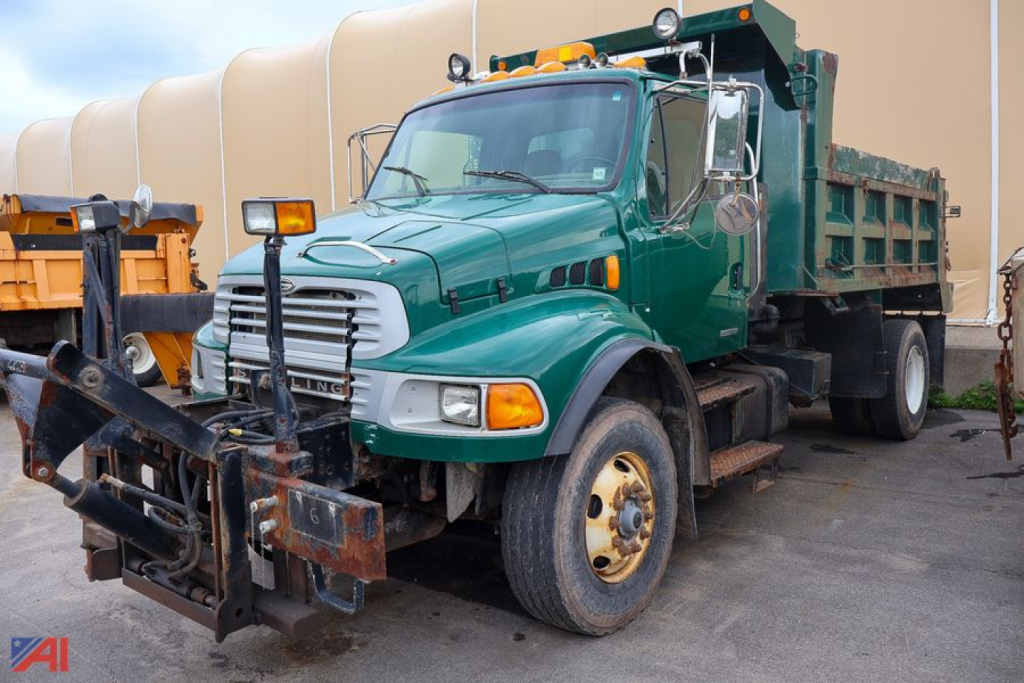
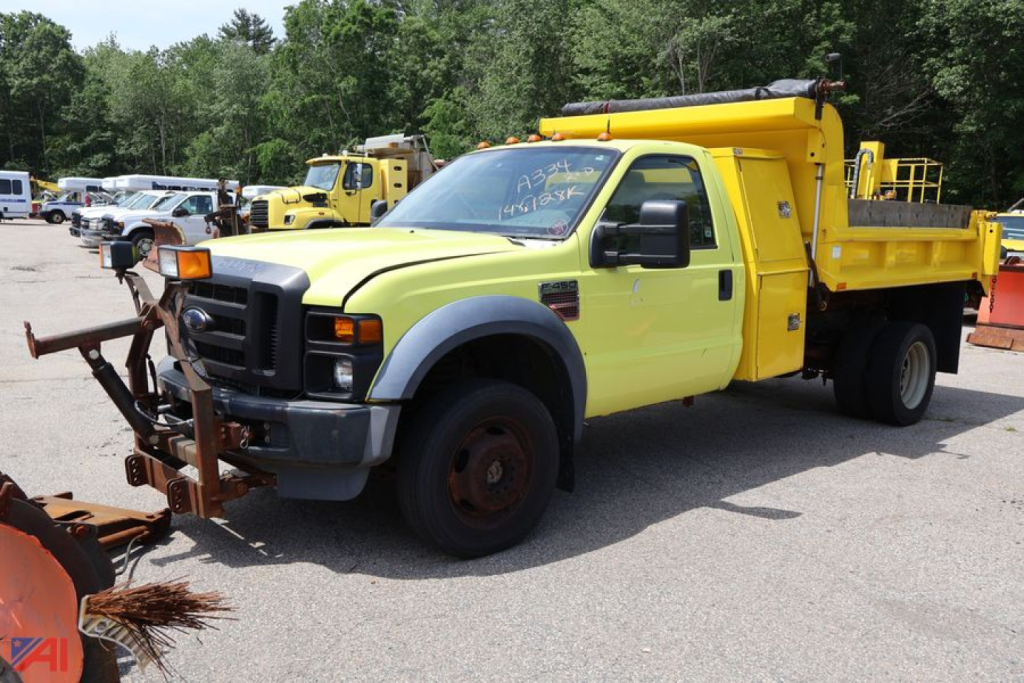
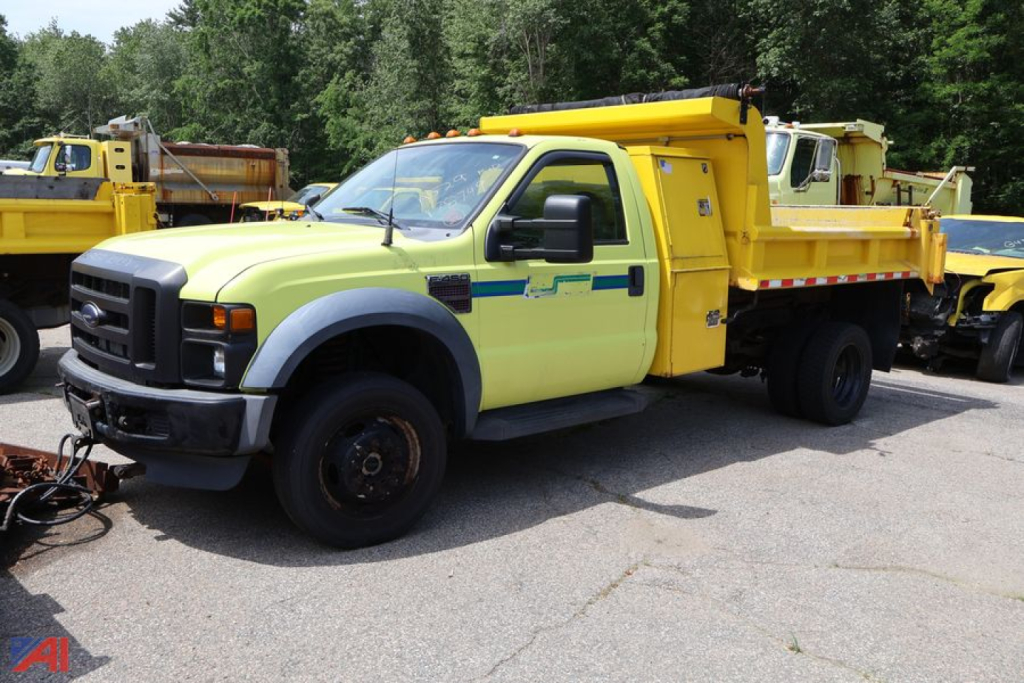
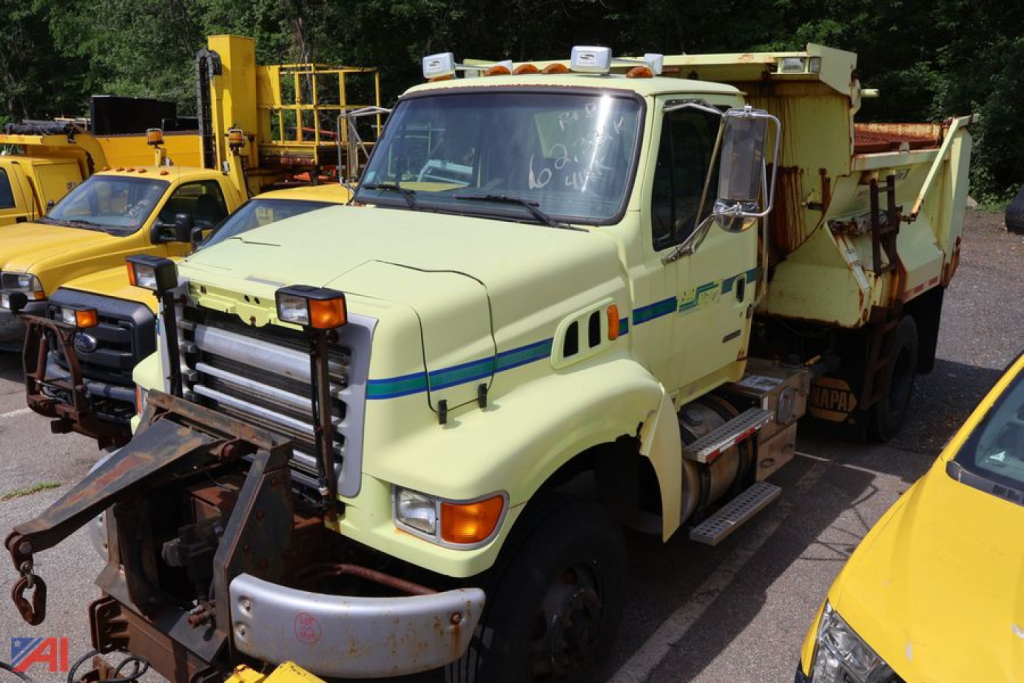
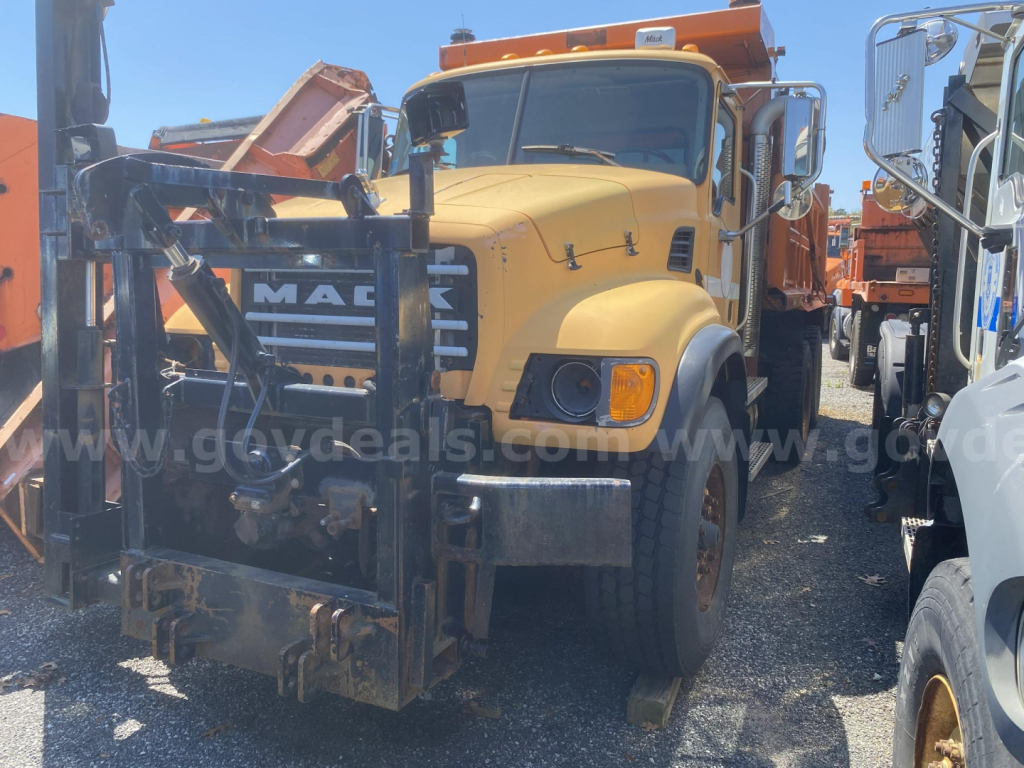
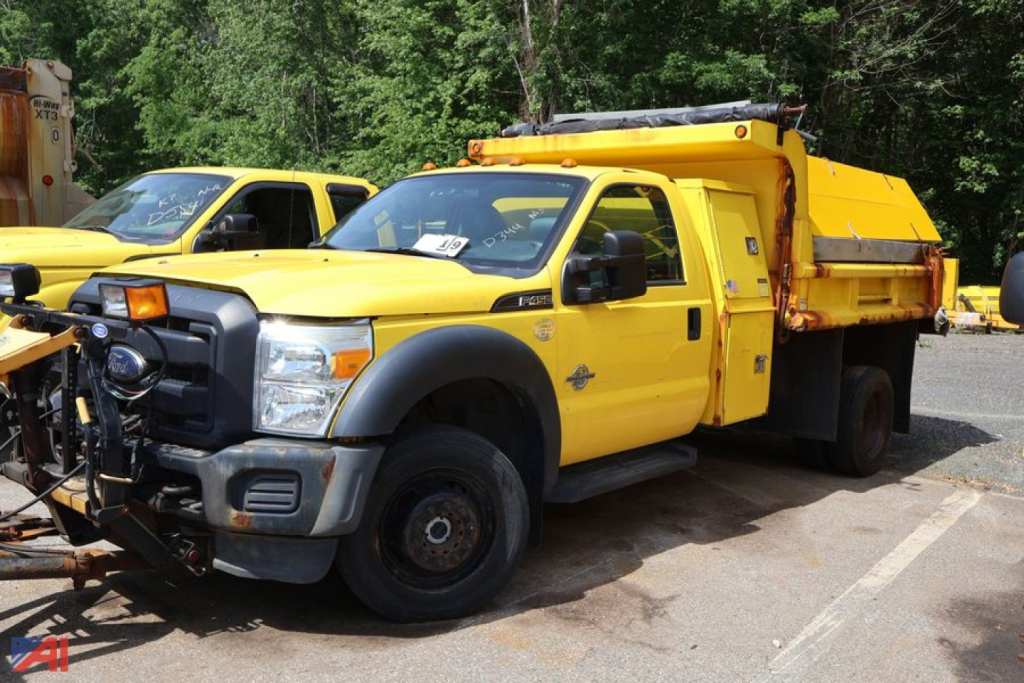
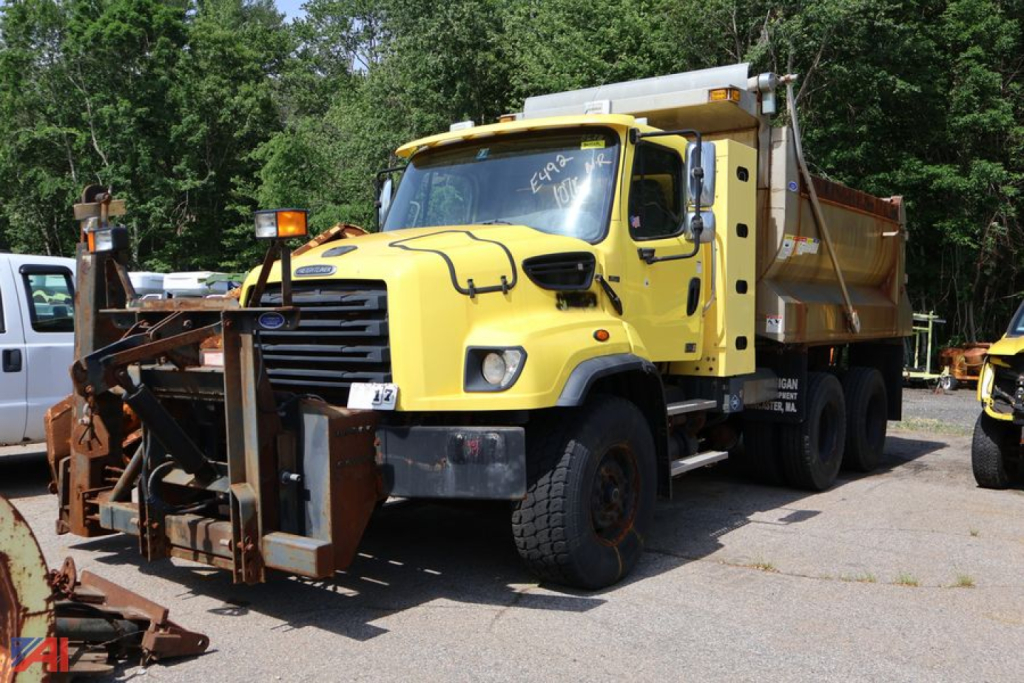
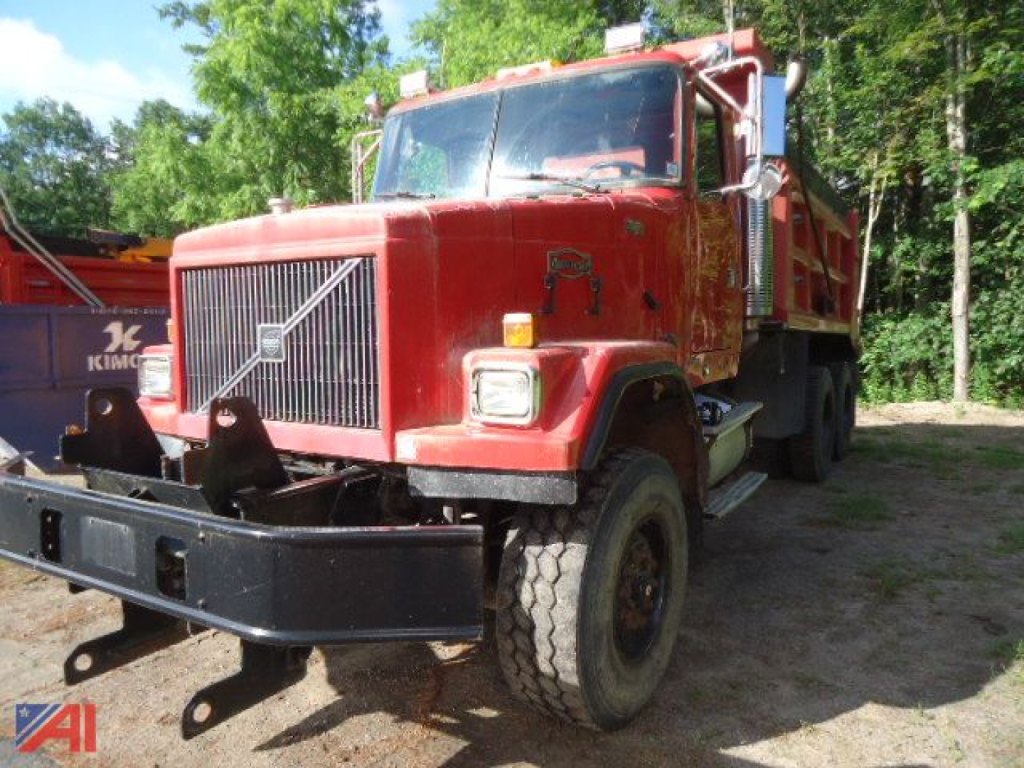
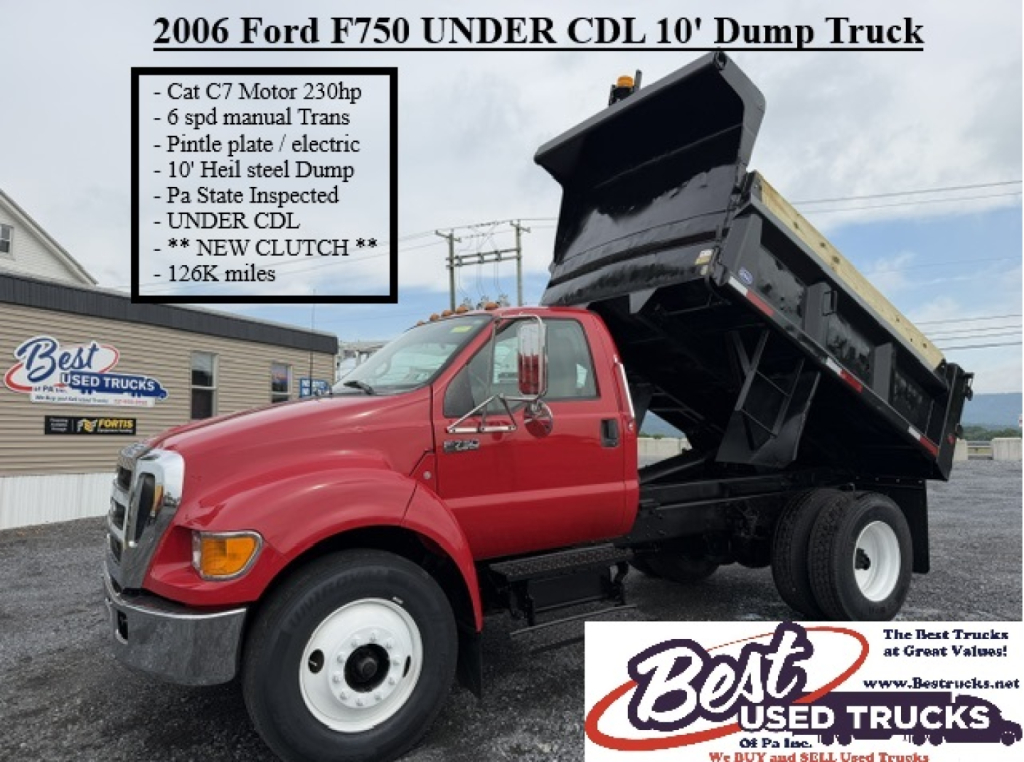
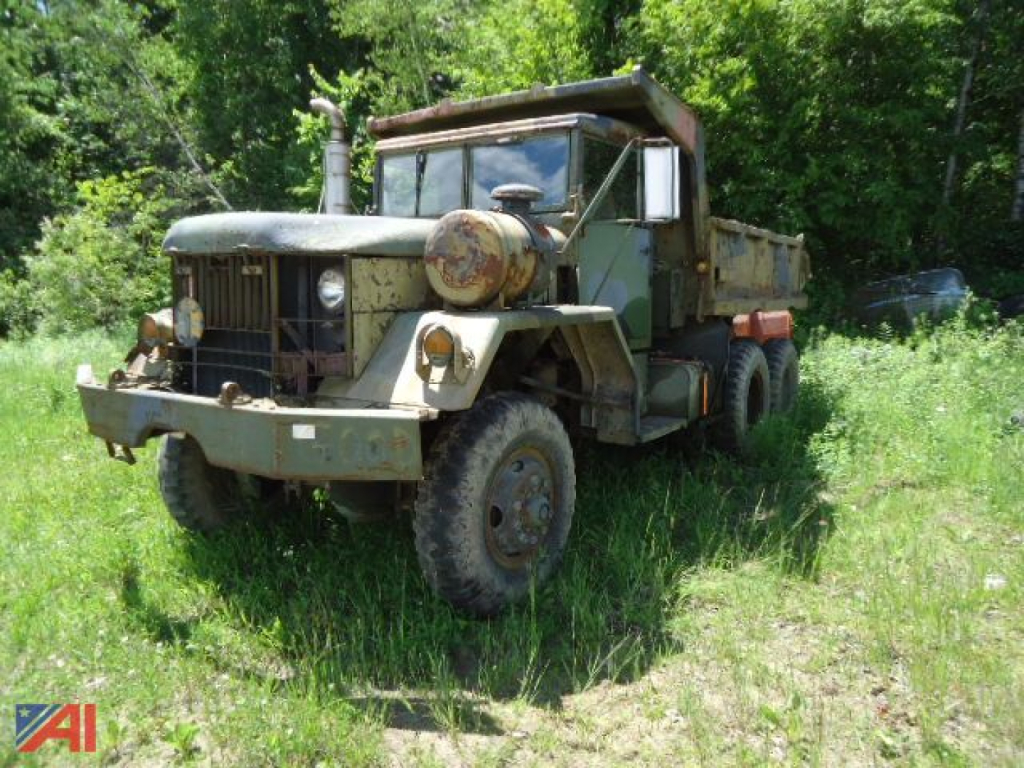
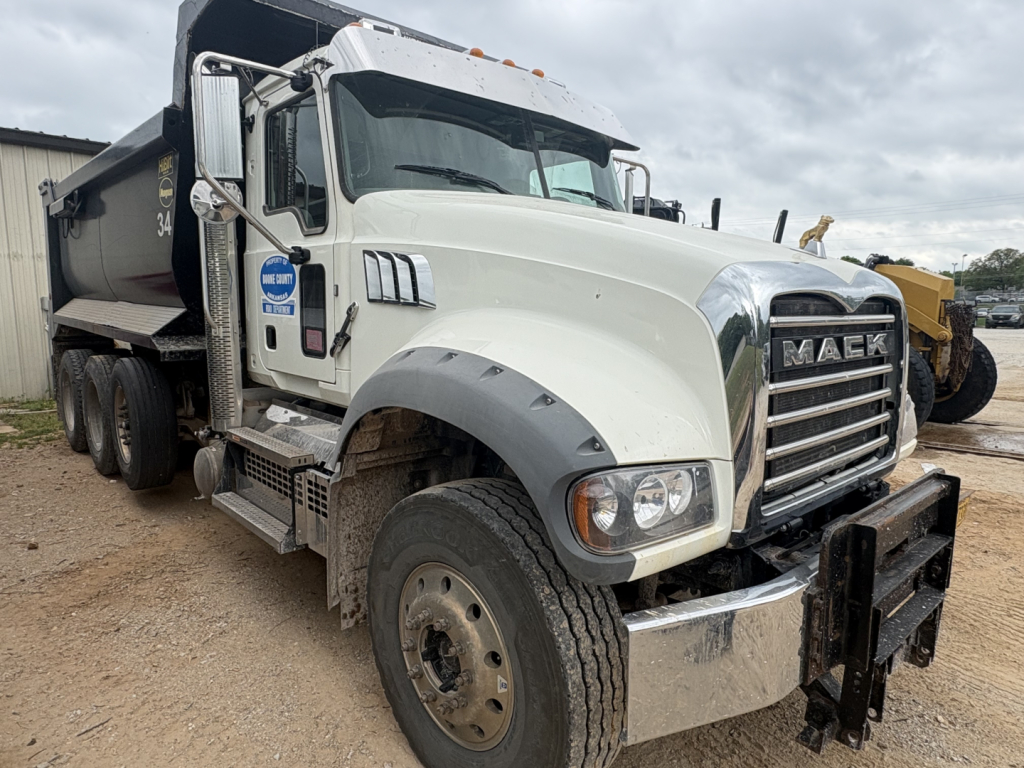
Showing 73 to 84 of 368 results
Have dump truck to sell? List it here to reach thousands of buyers.
About Dump Trucks in Maine
In the dump truck category, common configurations range from light-duty pickup-based dumps up to medium-duty and heavy-duty single-axle or tandem-axle chassis. Light-duty dump trucks are often used by landscapers, property maintenance crews, and municipal departments that want one truck to plow, spread, and haul loam or stone. Larger Class 6 through Class 8 dump trucks are built for aggregate, excavation, paving, and site work, with steel or aluminum dump bodies sized for the job. Steel bodies are common where abrasion resistance matters, while aluminum bodies help reduce empty weight and improve payload. Key details include body length, side height, hoist type, tailgate style, tarp system, and whether the truck is equipped for a plow, wing, or salt spreader.
A buyer should pay close attention to axle ratings, suspension, wheelbase, and drivetrain because these directly affect legal payload and jobsite performance. In Maine, 4x4 and 6x4 setups are especially relevant for winter service and unpaved access roads. Automatic transmissions are common in municipal and stop-and-go work, while manual transmissions still appeal in some vocational applications. Diesel power dominates the medium-duty and heavy-duty market, but gas-powered dump trucks remain common in lighter GVWR classes. If the truck has seen plow or sander service, inspect the frame, crossmembers, hydraulic lines, electrical connections, cab corners, and bed substructure for corrosion and repair history. Buyers should also verify PTO engagement, cylinder condition, floor wear, hinge integrity, and signs of twist or cracking around the hoist mounts.
The best dump truck choice depends on material type, average haul distance, and how many roles the truck needs to cover. A compact dump body with a spreader and front plow mount can be a practical year-round municipal or contractor setup. A larger single-axle dump may offer the best balance of maneuverability and payload for residential excavation and paving support. Tandem dumps make more sense when production volume and heavier material loads justify the extra capacity. For buyers comparing listings, the most valuable information is usually not just miles or hours, but how the truck was spec'd, what body and hydraulic system it carries, and whether it was maintained for seasonal vocational work rather than general road use.
Frequently Asked Questions
What size dump truck is best for Maine contractors and municipalities?
The right size depends on the truck’s primary role. Light-duty dump trucks work well for landscaping, grounds maintenance, snow work, and small material deliveries where maneuverability matters more than maximum payload. Medium-duty and heavy-duty single-axle dump trucks are common for paving support, excavation, and municipal road departments because they balance capacity with access to tighter roads and jobsites. Tandem-axle dump trucks are better suited for higher-volume aggregate hauling and heavier production work, but they come with higher operating costs and a larger footprint.
What should I inspect on a used dump truck that has done snow and ice work?
Snow and ice service adds wear that is different from normal hauling. Check the frame rails, bed supports, crossmembers, cab mounts, brake and fuel lines, wiring, hydraulic plumbing, and spreader or plow mounting points for corrosion, patch repairs, and fatigue. Look for rust around the dump body floor, tailgate, hinge points, and underbody hoist mounts. It is also smart to confirm that the charging system, PTO controls, lights, and auxiliary electrical circuits still operate correctly, since plows, sanders, and electric tarp systems put added demand on the truck.
Is a steel or aluminum dump body better?
Steel dump bodies are generally preferred when the truck will carry abrasive or heavy material such as broken asphalt, demolition debris, and large aggregate because steel handles impact and abrasion well. Aluminum dump bodies reduce tare weight, which can improve legal payload and fuel efficiency, and they also resist corrosion better in salted environments. The tradeoff is that aluminum may not hold up as well in severe impact applications. The right choice depends on the mix of payload goals, material type, and expected body life.
Do I need 4x4 in a dump truck in Maine?
Not always, but it can be a major advantage in Maine. A 4x4 dump truck is valuable for snow removal, muddy jobsites, steep driveways, and rural or unpaved access roads. It is especially common in pickup-based and lighter medium-duty dump trucks that serve year-round contractor or municipal fleets. For larger vocational dump trucks that spend more time on paved roads and established sites, a 4x2 or 6x4 configuration may be more cost-effective while still providing the capacity needed for regular hauling.
What dump truck specs matter most when comparing listings?
Start with GVWR, axle ratings, body size, body material, hoist type, wheelbase, and drivetrain because those determine payload, handling, and suitability for the work. Then look at PTO operation, hydraulic cylinder condition, bed floor wear, tailgate function, tarp system, and any vocational equipment such as plows or spreaders. Maintenance history matters, but in this category the truck’s vocational specification is just as important as mileage. A properly spec'd dump truck with the right body, gearing, and hydraulic setup will usually outperform a cheaper truck that was not built for the intended application.