
2004 International Dump Trucks For Sale in New York
Shop 2004 International dump trucks for sale in New York. Compare WorkStar and severe-duty specs, plow setups, GVWR, axle ratings, and body options.
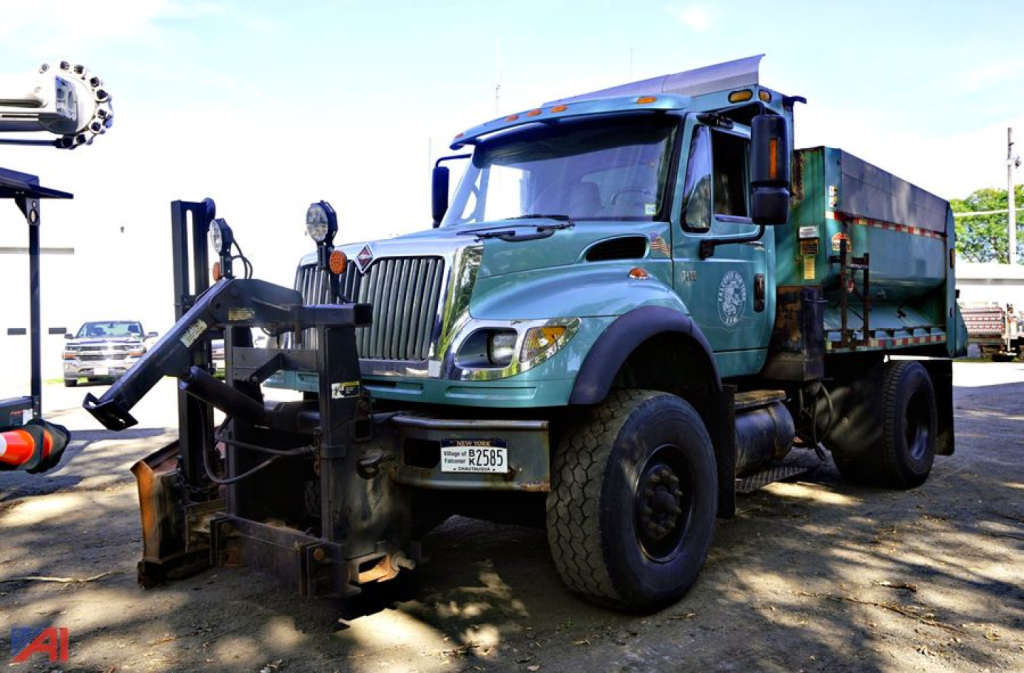
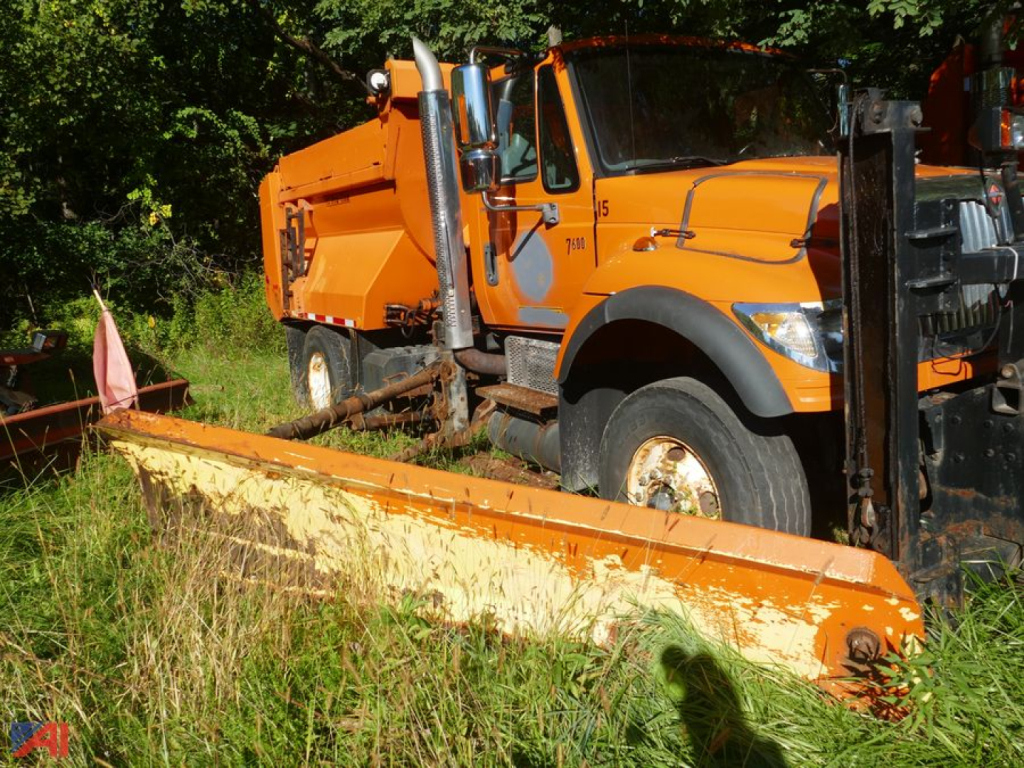
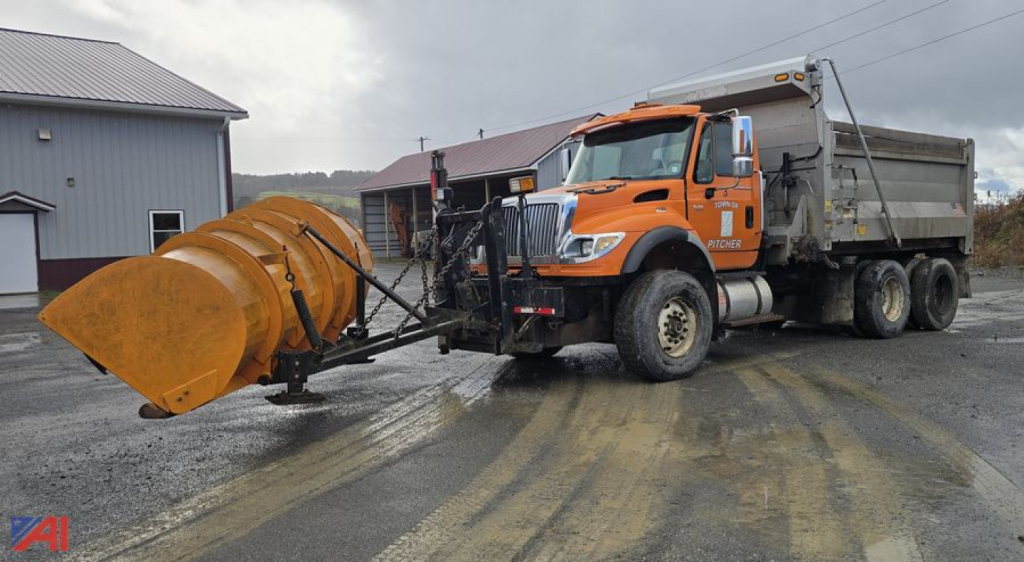
Looking for the easiest place to sell your 2004 international dump truck? List it here to reach thousands of buyers.
2004 International Dump Trucks in New York
For a buyer comparing listings, the key differences are usually under the frame. Look closely at GVWR, front axle capacity, rear axle rating, suspension type, wheelbase, and cab-to-axle measurement. Those numbers tell you if the truck was built for a short municipal body, a contractor dump body, or a heavier tandem application. A single-axle International dump truck from this era may suit landscape supply, paving support, or local material delivery, while heavier severe-duty models are better aligned with aggregate, demolition, and plow routes that need higher front axle ratings. If the truck has already been used for snow and ice control, check for wetline plumbing, underbody scraper provisions, front frame extensions, and any signs of corrosion around the spreader, hoist mounts, crossmembers, and electrical connections.
Powertrain specs vary widely in 2004 International dump trucks, so engine and transmission verification matters. Common vocational setups from this period include International diesel engines paired with manual transmissions, Fuller or Spicer gearboxes, or Allison automatics depending on the truck's application. Dump buyers should pay attention to startability, blow-by, clutch operation, PTO engagement, hydraulic cylinder condition, and evidence of frame repairs or hoist stress. On New York trucks in particular, rust can be as important as mileage. Inspect cab corners, floors, spring hangers, brake lines, body sills, tailgate hardware, and the underside of the dump body. A solid older International with a straight frame, working hydraulics, and a sound body often matters more than cosmetic appearance.
Body configuration is the other major buying decision. Steel bodies remain common for abrasive material and municipal work, while lighter applications may place more value on overall payload and maneuverability. Check side height, floor condition, tailgate style, hoist type, and whether the truck has tarp systems, pintle hitch equipment, or plow gear already installed. If the truck will be used on tight jobsites or local routes, turning radius, visibility, and body length may matter more than raw capacity. If it is being bought for winter service, confirm the front axle is rated to carry the plow package and that the hydraulic and charging systems can support the added load. A well-matched 2004 International dump truck can still be a productive vocational truck when the chassis, body, and hydraulic package line up with the intended work.
Frequently Asked Questions about 2004 International Dump Trucks in New York
What should I look for first on a 2004 International dump truck?
Start with the truck's GVWR, axle ratings, wheelbase, cab-to-axle measurement, and hydraulic setup. Those core specs determine payload, body compatibility, and whether the truck is suited for contractor hauling, municipal work, or plow duty. After that, inspect the frame, hoist, dump body floor, tailgate operation, PTO function, and any rust on structural areas such as crossmembers, spring hangers, and body mounts.
Are 2004 International dump trucks good for snow plow and municipal service in New York?
Many are, especially trucks originally spec'd for vocational or municipal use with front frame extensions, central hydraulics, spreader controls, and adequate front axle capacity. The most important factor is whether the truck was built to carry a plow and related equipment without overloading the front axle. On New York municipal trucks, corrosion from salt exposure is a major inspection point, so buyers should closely check the frame, wiring, hydraulic lines, and dump body substructure.
Which specs matter most when comparing single-axle and heavier International dump trucks from this era?
Single-axle trucks are often favored for maneuverability, lower empty weight, and local delivery work, but they have lower axle and payload limits than heavier severe-duty configurations. Compare rear axle rating, suspension type, brake system, body length, and hoist capacity. A truck intended for aggregate, demolition, or multi-season municipal work should have a chassis and hydraulic package that match repeated heavy-cycle use rather than just a dump body added to a lighter platform.
What engines and transmissions are common in a 2004 International dump truck?
This model year can include International diesel engines in medium-duty and severe-duty chassis, with manual transmissions and Allison automatics both appearing in vocational applications. The exact combination depends on how the truck was ordered new. Buyers should confirm engine model, horsepower, transmission type, PTO configuration, and service history because those details affect performance, maintenance cost, and compatibility with dump, plow, and spreader equipment.
How important is dump body condition on an older International chassis?
Body condition is critical because floor wear, sidewall damage, hoist mount fatigue, and tailgate issues directly affect daily usability and repair cost. A clean-running chassis can still require significant investment if the body is thin, patched, twisted, or leaking at structural seams. Buyers should inspect the body floor, cross sills, hinge points, cylinder mounts, and tailgate hardware, especially on trucks that have hauled abrasive material or seen winter road service.