
2004 International Dump Trucks For Sale
Shop 2004 International dump trucks with WorkStar and 7000-series specs, common axle ratings, dump body setups, and vocational features.
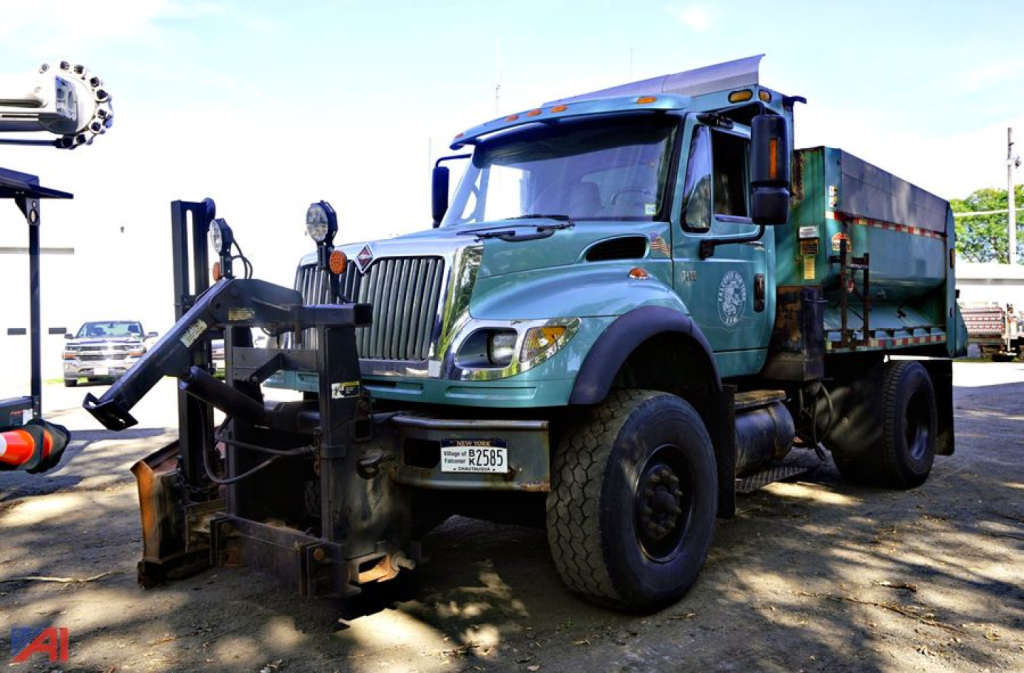
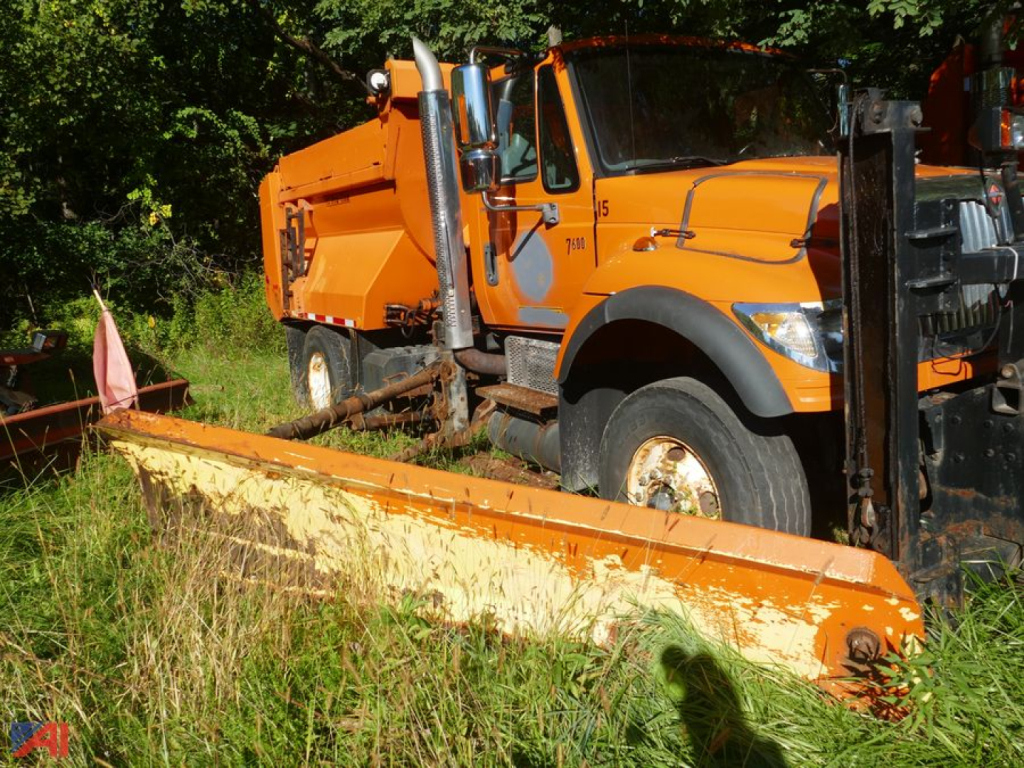
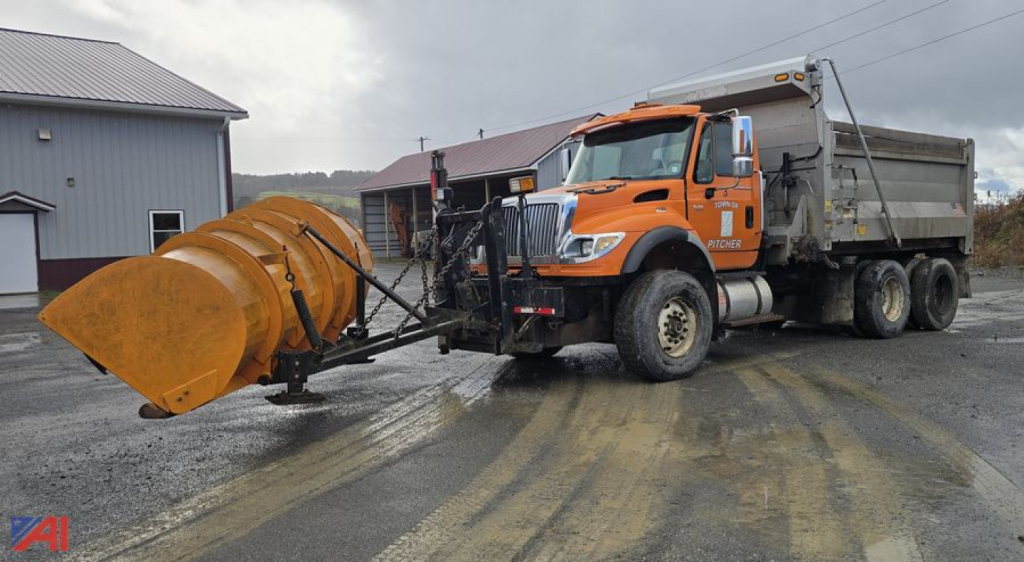
Looking for the easiest place to sell your 2004 international dump truck? List it here to reach thousands of buyers.
2004 International Dump Trucks
The most important buying decisions usually come down to axle layout, body size, and drivetrain. A single-axle 2004 International dump truck is often easier to maneuver and works well for paving crews, landscapers, and local material delivery. Tandem-axle versions bring higher GVWR, better payload potential, and improved traction on rough jobsites. Expect common dump body lengths in the 10-foot to 16-foot range, with steel bodies dominating this age group. Hoist types may include underbody or scissor hoists, and tailgate configuration matters if the truck will handle demolition debris, asphalt, or spread material. Look for working PTO engagement, clean hydraulic response under load, and signs that the hoist pins, hinges, and cylinder seals have been maintained.
Engine and transmission combinations on 2004 International dump trucks vary by chassis and original application, but this is a period where buyers often focus on simplicity, serviceability, and vocational gearing. Manual transmissions remain common, though some trucks were spec'd with Allison automatics for stop-and-go municipal or snow work. Rear axle ratios are frequently low enough to prioritize launch and gradeability over highway speed, which is exactly what many dump applications require. Check for full locking rears or driver-controlled traction equipment if the truck will spend time off pavement. Suspension type also matters. Hendrickson spring, multi-leaf, and other heavy mechanical suspensions are common and usually preferred for durability, while front axle ratings can be especially important on trucks equipped with plows or heavy front-mounted accessories.
Body condition and rust are often the deciding factors on a 2004 dump truck. Inspect floor thickness, sidewall bowing, tailgate wear, and any patchwork around the body mounts. Frame rails, cab mounts, pintle areas, and the underside of the body deserve a close look, especially on former municipal trucks exposed to salt. Buyers should also verify brake type, tire size, wheelbase, cab-to-axle measurement, and whether the truck has a wet kit, tarp system, hitching equipment, or auxiliary hydraulics. A well-spec'd 2004 International dump truck can still be a practical machine for local hauling and seasonal work, but the best value usually comes from a truck with a sound frame, a tight hoist system, and a body matched to the material being hauled.
Frequently Asked Questions about 2004 International Dump Trucks
What should I check first on a 2004 International dump truck?
Start with the frame, dump body, and hydraulic system. On a truck of this age, structural condition usually matters more than paint or interior wear. Look closely at frame rails, crossmembers, hoist mounts, hinge points, and body supports for cracks, heavy scaling, or poor repairs. Confirm that the PTO engages properly, the hoist raises smoothly, and the tailgate functions the way your application requires. If the truck was used for snow and ice control, inspect plow mounts, front frame horns, and corrosion-prone areas very carefully.
Are 2004 International dump trucks good for municipal and snow work?
Yes, many 2004 International dump trucks were originally spec'd for municipal service and can still fit that role well. Common setups include front plow provisions, spreader controls, heavy front axles, automatic transmissions, and durable steel bodies. The key is making sure the truck was maintained through its seasonal workload. Snow equipment adds value when it is complete and functional, but it also increases wear on the front end, electrical system, and hydraulics, so a detailed inspection is important.
What is the difference between a single-axle and tandem-axle 2004 International dump truck?
A single-axle dump truck is usually better for tighter jobsites, local delivery routes, and lighter payload requirements. It generally costs less to operate and is easier to maneuver. A tandem-axle dump truck is built for higher gross weight ratings, heavier material hauling, and rougher site conditions. Tandems usually offer better traction and payload capability, but they bring more tire, brake, and suspension expense. The right choice depends on material type, route conditions, and legal bridge and axle limits in your area.
What body and hoist features matter most on this category?
Body material, side height, tailgate design, and hoist type should match the work. Steel bodies are common on 2004 International dump trucks and hold up well in aggregate, demolition, and asphalt service, though they need close inspection for rust and wear. Scissor hoists are common and provide stable lifting, while underbody hoists can simplify some body configurations. Buyers should verify floor condition, cylinder performance, body alignment, and whether the truck includes a tarp, boards, hitch, or spreader-ready setup.
Are pre-emissions era International dump trucks still desirable?
For many buyers, yes. Trucks from this period are often attractive because of their mechanical simplicity and vocational focus. They can be easier to keep in service than later emissions-equipped models, especially in seasonal or lower-mileage applications. That said, age alone does not make a truck a good buy. Maintenance history, engine condition, transmission operation, rust level, and body integrity are still the factors that determine whether a 2004 International dump truck is a dependable work truck or a project.