
Used GMC Dump Trucks For Sale
Browse used GMC dump trucks including C5500, C7500, and C8500 models built for municipal work, site hauling, snow removal, and material delivery.
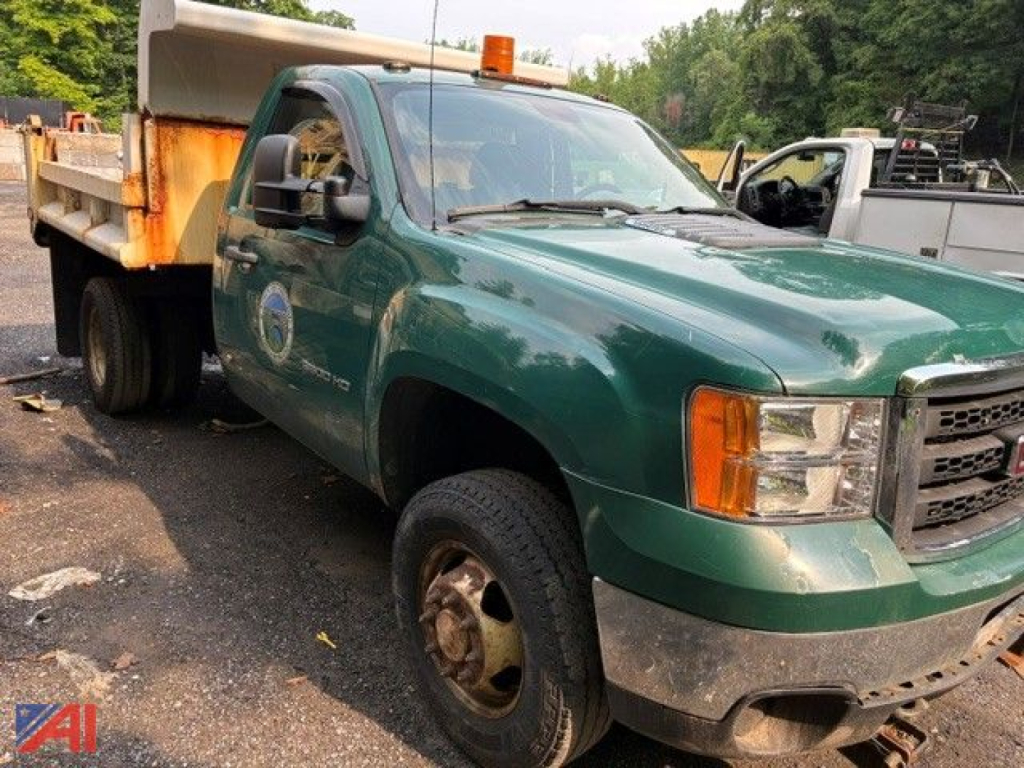

Selling a used gmc dump truck? List your used gmc dump truck for sale and reach thousands of commercial buyers.
Used GMC Dump Trucks
A used GMC dump truck is often judged by its body and hydraulic system as much as its engine and transmission. Look closely at dump body material, hoist design, PTO operation, and signs of hard use around the hinge points, crossmembers, and tailgate. Steel bodies hold up well in abrasive material service, while aluminum bodies can save weight for payload-sensitive applications. Common buyer checkpoints include cylinder seepage, pump response, frame condition, floor wear, apron integrity, and whether the truck has a central hydraulic system for additional equipment such as a snow plow or spreader. If the truck is set up for winter work, confirm plow mount condition, front axle capacity, and electrical controls in the cab.
Powertrain specs vary by model year and chassis class, but many used GMC dump trucks in this segment are equipped with medium-duty diesel engines, manual or automatic transmissions, and either 4x2 or 4x4 drivetrains. A C5500 with 4x4 can make sense for off-pavement access, township roads, and snow response, while 2WD C7500 and C8500 trucks are common in fleet hauling and municipal yard use. Check wheelbase, suspension type, brake setup, and GVWR against the material you plan to carry. A truck that spends its life on short, repetitive runs may show lower miles but higher body-cycle wear, so hour usage, PTO engagement history, and maintenance records matter as much as odometer reading.
The best used GMC dump truck is the one whose chassis, body, and hydraulic package match the job without overbuying capacity. Contractors should pay attention to legal payload, side height, tarp setup, and ease of loading with skid steers or loaders. Municipal buyers often focus on corrosion, upfit compatibility, and service access for year-round use. GMC dump trucks remain a practical option in the used market because parts support for common vocational components is broad, the trucks are familiar to many fleet shops, and the platform is simple enough to evaluate carefully before purchase.
Frequently Asked Questions about Used GMC Dump Trucks
What should I inspect first on a used GMC dump truck?
Start with the dump body, hoist, and frame because those components show the clearest signs of vocational use. Inspect the floor, tailgate, hinge points, crossmembers, and body mounts for cracking, patching, or heavy corrosion. Cycle the bed fully and check for smooth PTO engagement, consistent lift speed, cylinder leaks, and signs the body is twisting or settling unevenly. After that, review engine condition, transmission operation, brake performance, front axle wear, and service records.
What is the difference between a GMC C5500, C7500, and C8500 dump truck?
The main difference is chassis class and working capacity. A GMC C5500 is typically used for lighter-duty dump applications, especially where maneuverability, 4x4 capability, or snow equipment compatibility matters. A C7500 steps up into heavier municipal and contractor work with more axle, frame, and body capacity. A C8500 is generally the better fit for heavier payloads, larger dump bodies, and more demanding site or road maintenance service.
Is an aluminum or steel dump body better on a used GMC dump truck?
Steel bodies are usually preferred for abrasive material like stone, riprap, and demolition debris because they tolerate impact and wear better. Aluminum bodies reduce empty weight and can improve payload for lighter bulk materials such as mulch, topsoil, or salt. On a used truck, condition matters more than material alone. A well-maintained steel body can outlast a neglected aluminum body, and vice versa, so inspect floor thickness, weld quality, sidewall straightness, and corrosion before deciding.
Are used GMC dump trucks good for snow plow and municipal work?
Yes, many GMC dump trucks are well suited for snow and municipal applications, especially units equipped with central hydraulics, front plow mounts, and spreader controls. Buyers should verify front axle rating, charging system capacity, hydraulic plumbing, and in-cab switchgear if the truck will handle plowing or salting. Rust inspection is especially important on former snow-service trucks because exposure to salt can affect the frame, body, wiring, and hydraulic components.
How important are miles on a used dump truck?
Mileage matters, but it does not tell the full story on a vocational truck. Dump trucks often operate on short routes with frequent stops, heavy loads, and repeated PTO cycles, which can create significant wear even with moderate miles. A lower-mile truck with severe body corrosion or hard hydraulic use may be a worse value than a higher-mile truck with documented maintenance and a cleaner frame. Compare miles with engine hours, body condition, maintenance history, and overall job type to judge the truck accurately.