
GMC Dump Trucks For Sale
Shop GMC dump trucks for hauling, paving, snow work, and site service. Compare C5500, C7500, C8500 specs, body types, and drivetrain options.
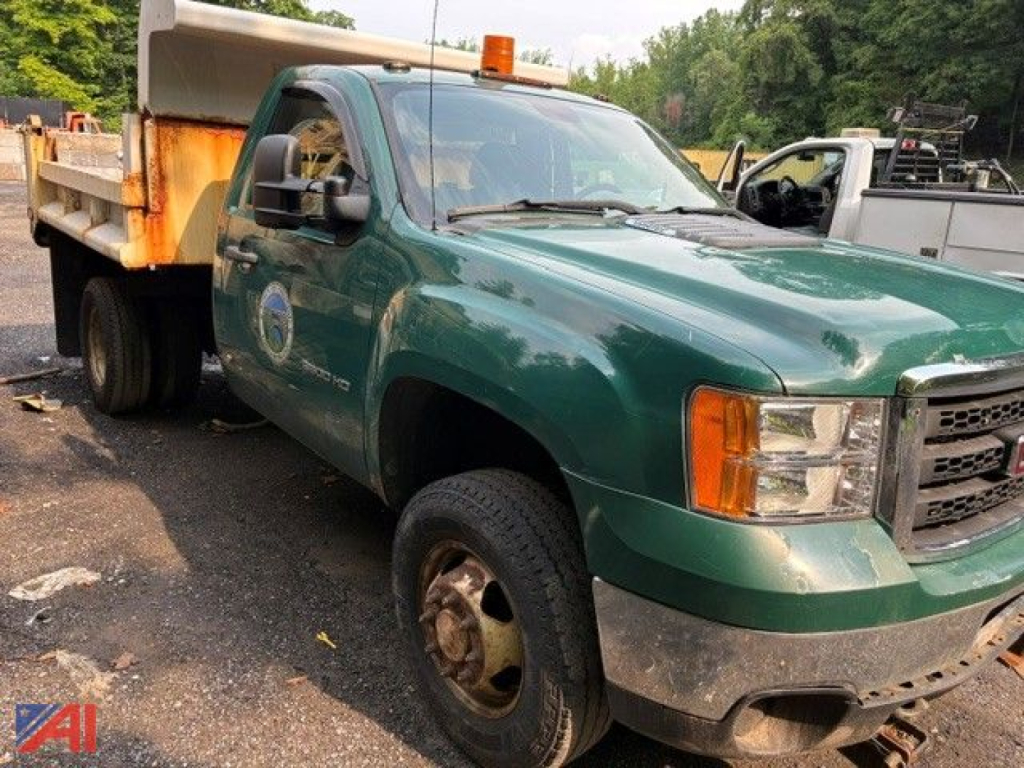

Selling a gmc dump truck? List your gmc dump truck for sale and reach thousands of commercial buyers.
GMC Dump Trucks
Powertrain and driveline matter more in this category than brand loyalty alone. GMC dump trucks are commonly found with diesel engines such as the Duramax in smaller medium-duty applications and Caterpillar power in larger conventional models like the C7500 or C8500. Transmission choice affects both resale and job fit. Manuals are still valued by some fleets for durability and control on rough sites, while automatics are often preferred for stop-and-go routes, snow service, and less experienced driver pools. A 4x4 GMC dump truck can be a strong fit for municipal roads, plowing, and soft jobsite access, but a 4x2 layout usually carries less weight, costs less to maintain, and suits paved-route or yard-to-site hauling.
Body length, hoist type, and hydraulic condition deserve a close look on any GMC dump truck. Common body sizes in this segment run roughly 9 to 14 feet depending on the chassis and intended use. Buyers should check floor thickness, sidewall condition, hinge wear, hoist cylinder performance, PTO engagement, and any signs of frame rust or cracking around body mounts. If the truck is equipped with a plow or spreader setup, inspect the front frame extension, hydraulic valves, pump condition, and electrical controls in the cab. On older municipal trucks, corrosion from salt use can matter as much as engine hours or mileage.
A good GMC dump truck is often judged by application fit more than age alone. For tight urban work, landscaping, and lighter material delivery, a C5500-sized truck offers better maneuverability and lower operating cost. For asphalt crews, public works departments, excavation support, and heavier payloads, the larger C7500 and C8500 platforms provide stronger frame capacity and more room for robust dump bodies and auxiliary equipment. The best choice comes down to payload target, legal axle weights, body specification, and how much of the truck's life was spent on road maintenance, construction hauling, or seasonal snow duty.
Frequently Asked Questions about GMC Dump Trucks
What are the most common GMC dump truck models on the used market?
The most common GMC dump trucks are typically the C5500, C7500, and C8500. The C5500 is usually seen in medium-duty applications with shorter bodies, lighter payloads, and options like 4x4, plows, or aluminum dump bodies. The C7500 and C8500 are heavier conventional trucks better suited for construction, municipal hauling, and larger steel dump bodies. Older specialty units, including GMC-badged Autocar trucks, also appear in the market from time to time.
Is an aluminum or steel dump body better on a GMC dump truck?
An aluminum dump body is generally better when payload matters most and the truck is hauling lighter materials such as mulch, topsoil, salt, or grain-like bulk products. A steel dump body is heavier but holds up better against loader impact, rock, broken concrete, asphalt chunks, and abrasive demolition material. The right choice depends on what the truck hauls every day, not just the chassis rating.
Are GMC dump trucks good for snow plow and municipal work?
Yes. Many GMC dump trucks were spec'd for municipal duty and are commonly equipped with front plows, sanders, central hydraulics, and other snow-control equipment. Models such as the C5500 in 4x4 trim are especially useful for plowing and secondary road work, while larger C7500 and C8500 trucks are often used for salting, snow hauling, and year-round public works service. Buyers should pay close attention to rust, hydraulic wear, and front-end condition on former snow trucks.
What should I inspect first on a used GMC dump truck?
Start with the frame, dump body, hoist, and hydraulic system because those items drive repair cost quickly. Check for rust-through, cracked frame areas near body mounts, excessive hinge play, leaking cylinders, weak PTO engagement, and uneven body lift. After that, review engine condition, transmission operation, brake system health, tire wear, and any added equipment such as plows or spreaders. On municipal units, corrosion can be a bigger issue than mileage.
Should I choose a GMC C5500, C7500, or C8500 dump truck?
Choose a C5500 if you need maneuverability, lighter operating costs, and a truck suited for smaller payloads, local delivery, landscaping, or snow service. A C7500 is a middle-ground option for contractors who need more body capacity and frame strength without stepping into the largest setup. A C8500 is the better fit for heavier hauling, larger dump bodies, and more demanding construction or municipal applications where payload and durability take priority over compact size.