
Used 2011 Ford Dump Trucks For Sale in New York
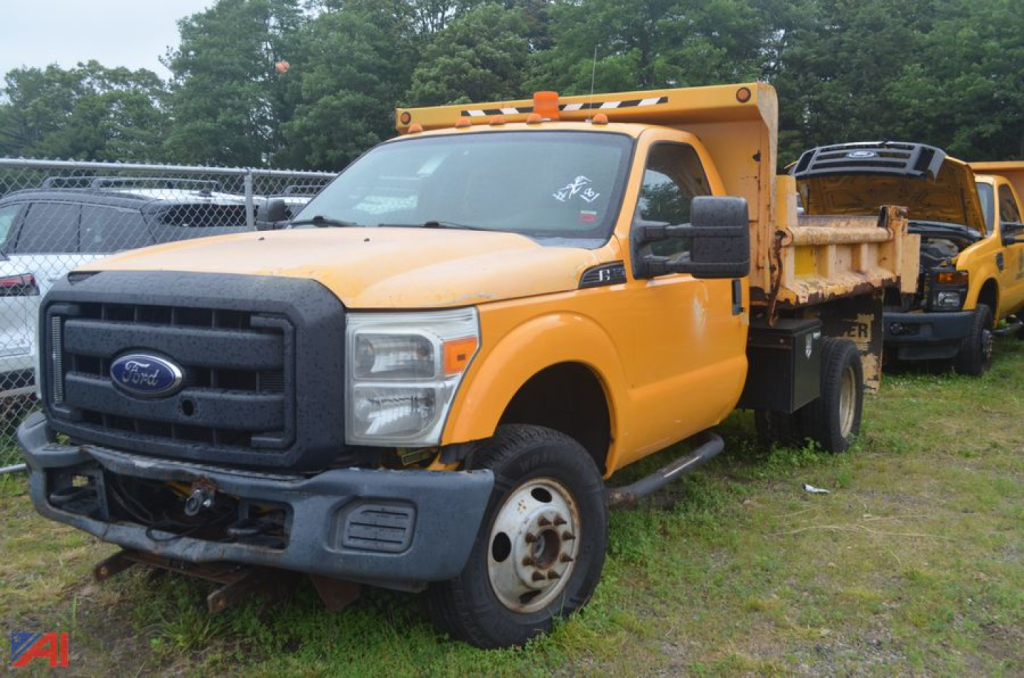
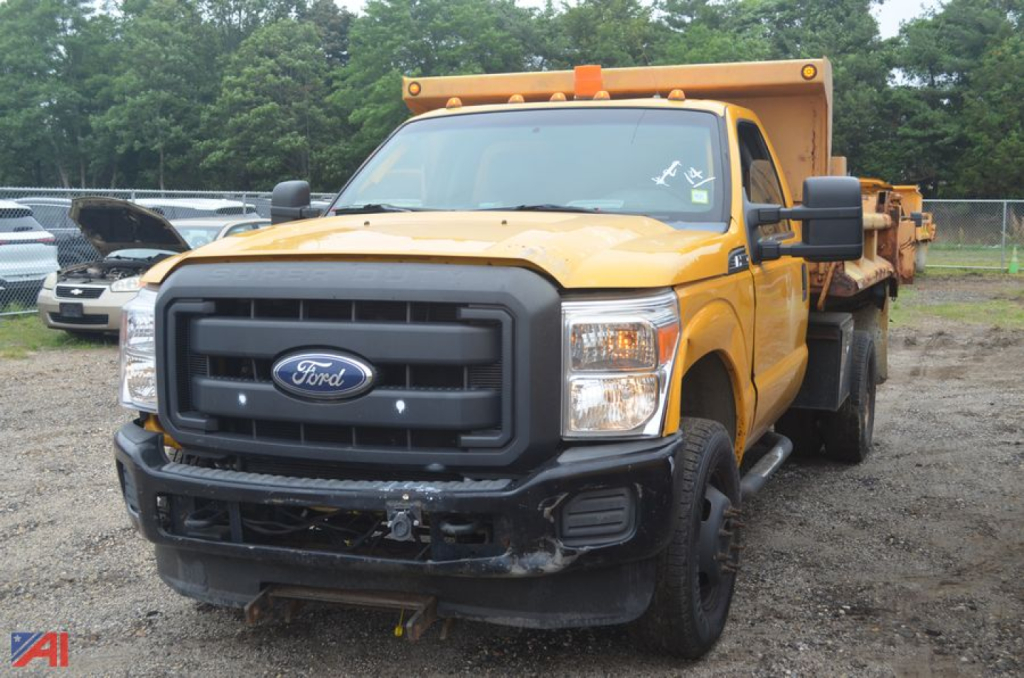
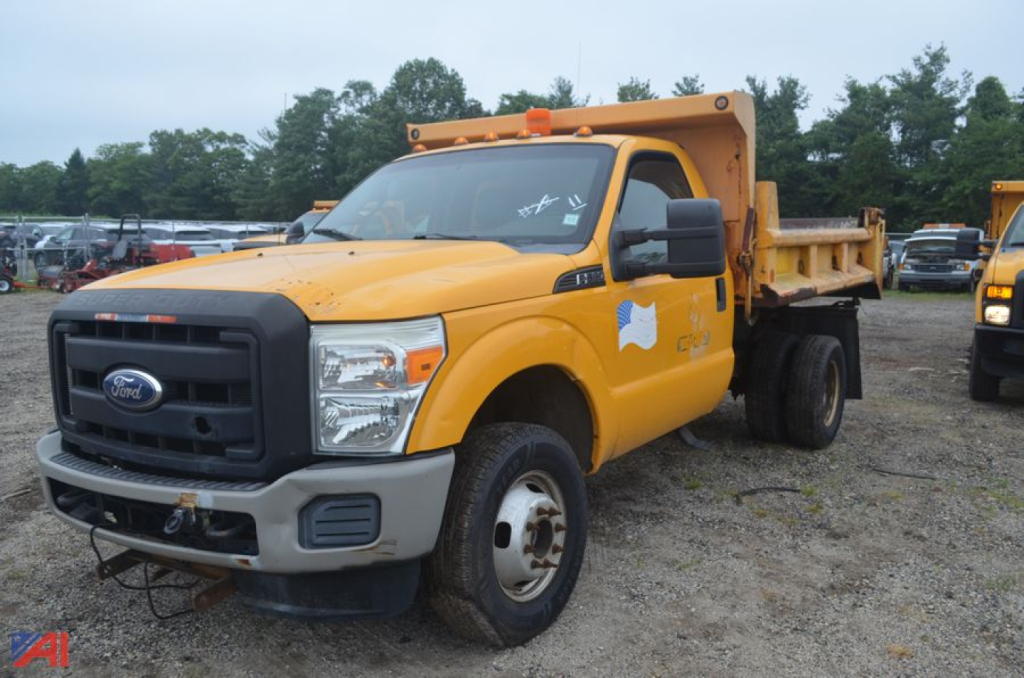
Shop used 2011 Ford dump trucks for sale, including Super Duty chassis commonly used for landscaping, municipal work, snow and material hauling.
Learn more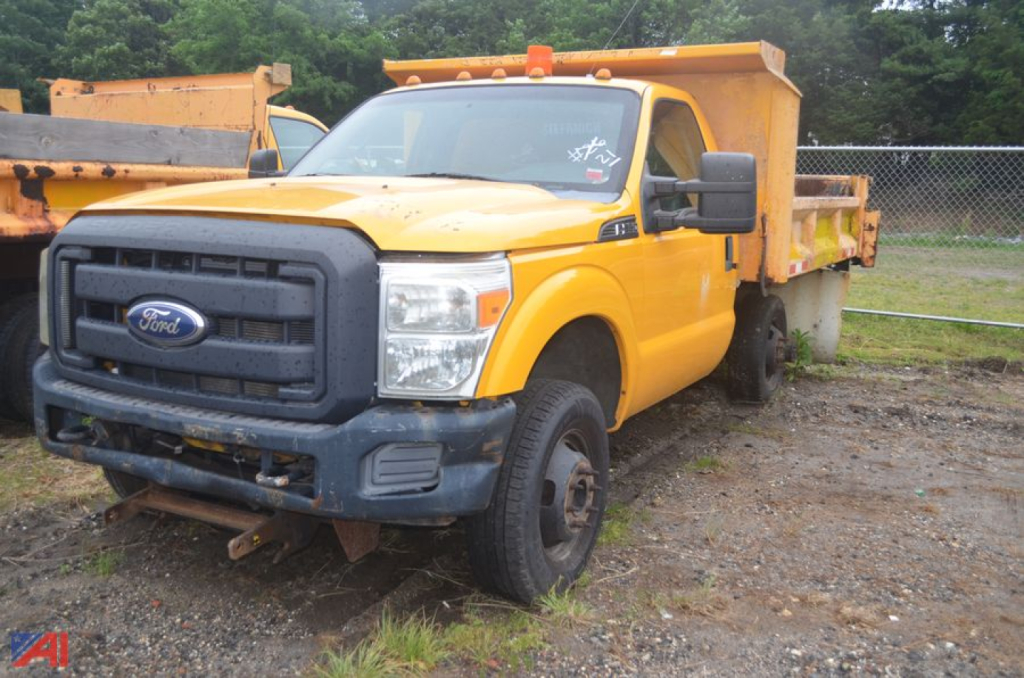
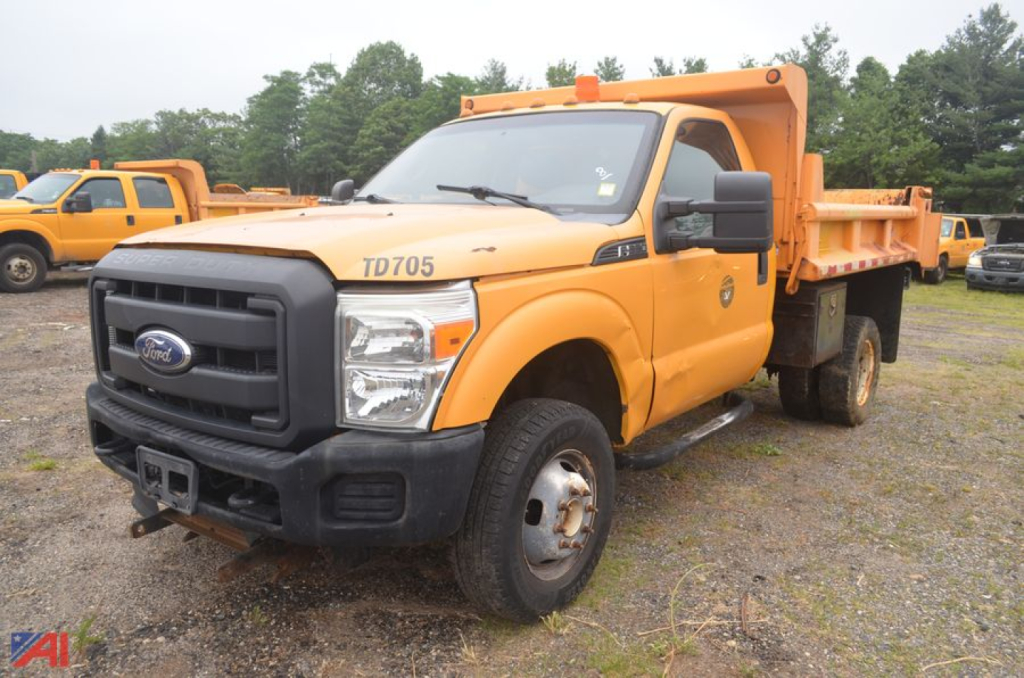
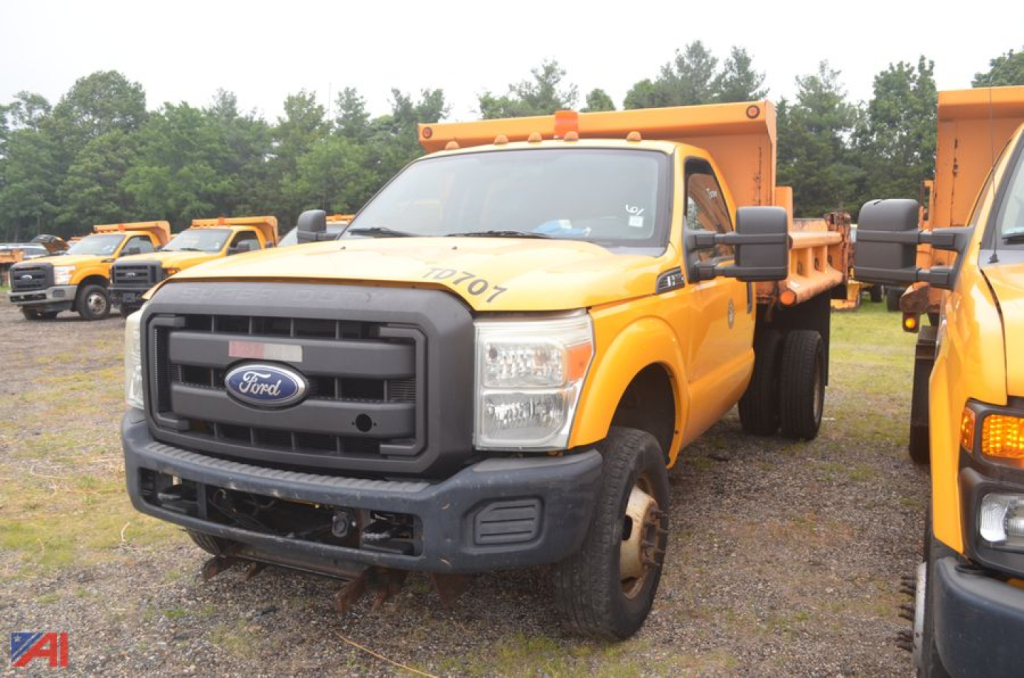
Have used 2011 ford dump truck to sell? List it here to reach thousands of buyers.
About Used 2011 Ford Dump Trucks in New York
The main buying decision is payload versus maneuverability. A 2011 Ford F-350 dump truck can work well in tighter residential sites, parking lots, campuses, and municipal routes where a larger tandem axle dump truck is excessive. Typical considerations include GVWR, axle ratings, dump body length, hoist condition, and whether the truck is a regular cab, extended cab, or crew cab. Diesel and gas configurations both exist in this class, and each matters for maintenance planning. Diesel trucks can offer stronger low-end torque for loaded starts and plow work, while gas engines may be simpler for buyers trying to control repair costs on older units. On any used 2011 model, body condition matters as much as the chassis, especially around the floor, crossmembers, hinge points, cab corners, rocker panels, and hydraulic components.
For New York buyers, corrosion is a serious value driver. Dump trucks used in snow service are exposed to salt, brine, wet aggregate, and repeated plow-frame stress, so it is smart to inspect the frame, brake lines, fuel and hydraulic lines, spring hangers, bed mounts, and electrical connections. A truck with a solid hoist, clean PTO operation if equipped, straight frame rails, and a dump body that raises smoothly under load is usually more desirable than one with cosmetic appeal alone. Tire condition, front axle wear, transmission behavior, four-wheel-drive operation where applicable, and evidence of municipal fleet maintenance can tell you a lot about remaining service life.
A 2011 Ford dump truck fits buyers who need a compact jobsite hauler rather than a dedicated highway dump unit. Common applications include mulch, stone, topsoil, debris, salt, and equipment support for construction or public works crews. The category is also referred to as a dump body truck or landscape dump truck when configured with higher sidewalls and lighter bulk material use. The best choice depends on how often the truck will run loaded, whether it needs to tow, and if it will be used year-round for plowing, spreading, or off-pavement work. On older dump trucks, service records, rust level, and upfit quality often matter more than odometer reading alone.
Frequently Asked Questions
What should I inspect first on a used 2011 Ford dump truck?
Start with the frame, dump body, and hydraulic system before focusing on cosmetics. On a 2011 Ford dump truck, buyers should check for rust through on the bed floor, crossmembers, hinges, hoist mounts, cab corners, rocker panels, and frame rails. Cycle the dump body fully, listen for strain or chatter in the hydraulic system, and confirm the body lifts evenly and lowers without hesitation. In New York use, brake lines, wiring, plow mounts, and front suspension components also deserve close inspection because snow service can accelerate wear.
Is a 2011 Ford F-350 dump truck big enough for commercial work?
For many contractors, landscapers, and municipal departments, yes. A 2011 Ford F-350 dump truck is well suited to short-haul work involving mulch, soil, stone, debris, and winter maintenance, especially where tight access matters. It is not a substitute for a larger single-axle or tandem dump when payload demands are high every day, but it can be a strong fit for mixed-duty fleets that need one truck to haul material, tow light equipment, and work in confined areas.
Are diesel or gas 2011 Ford dump trucks better to buy used?
The better choice depends on duty cycle and maintenance tolerance. A diesel 2011 Ford dump truck may provide stronger torque for plowing, towing, and loaded starts, which can be useful in commercial service. A gas truck may be simpler and sometimes less expensive to maintain as the truck ages. On a used unit, overall condition, repair history, and how the truck was upfitted usually matter more than fuel type alone.
Why are many used Ford dump trucks in New York equipped with plows or spreaders?
Many light-duty Ford dump trucks in New York are used by towns, campuses, contractors, and landscape companies for four-season work. The same truck that hauls aggregate in warm months may handle snow removal and salt spreading in winter. That versatility makes the platform popular, but it also means buyers should inspect for plow-frame stress, front axle wear, corrosion from salt exposure, and added electrical complexity from lighting, controllers, and spreader systems.
What is the difference between a dump truck and a landscape dump truck?
A dump truck is the broader category, covering trucks with a hydraulic dump body used to unload bulk material. A landscape dump truck is usually a lighter configuration with higher side panels designed for lower-density materials like mulch, brush, and yard waste. Many 2011 Ford dump trucks fall into this lighter commercial segment, though some are outfitted for heavier material like gravel, topsoil, or asphalt patch. The body style, side height, hoist capacity, and GVWR determine where the truck fits best.