
Used 1995 Ford Dump Trucks For Sale
Browse used 1995 Ford dump trucks, including medium and heavy-duty models built for hauling gravel, debris, asphalt, and jobsite materials.
Learn more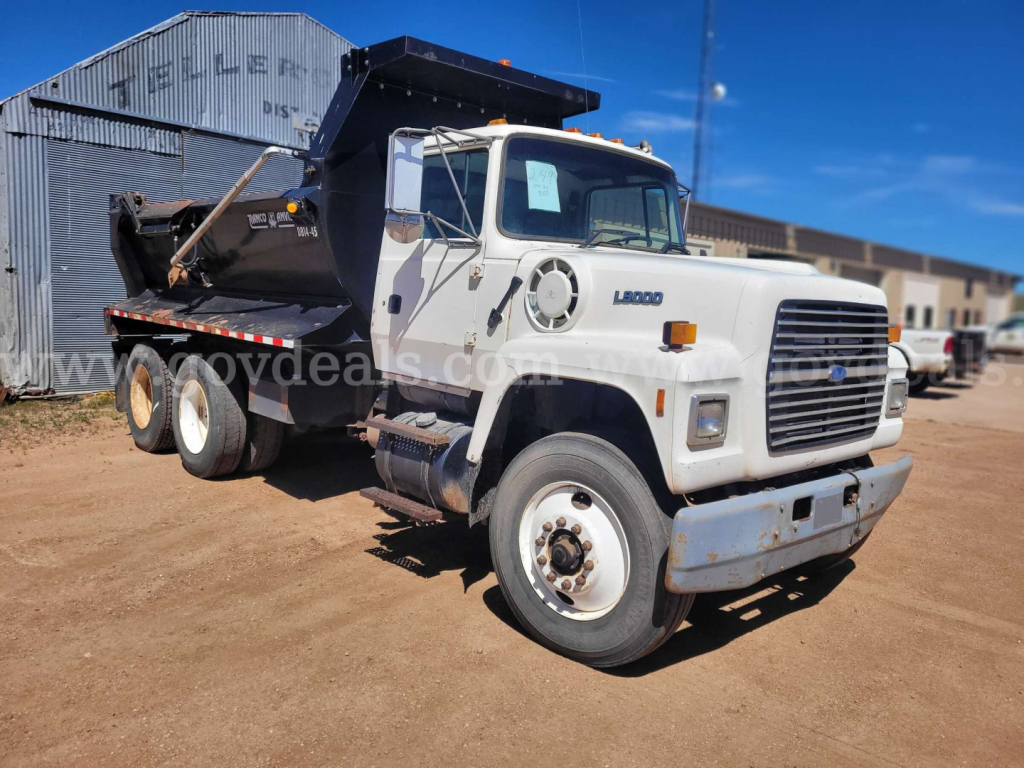
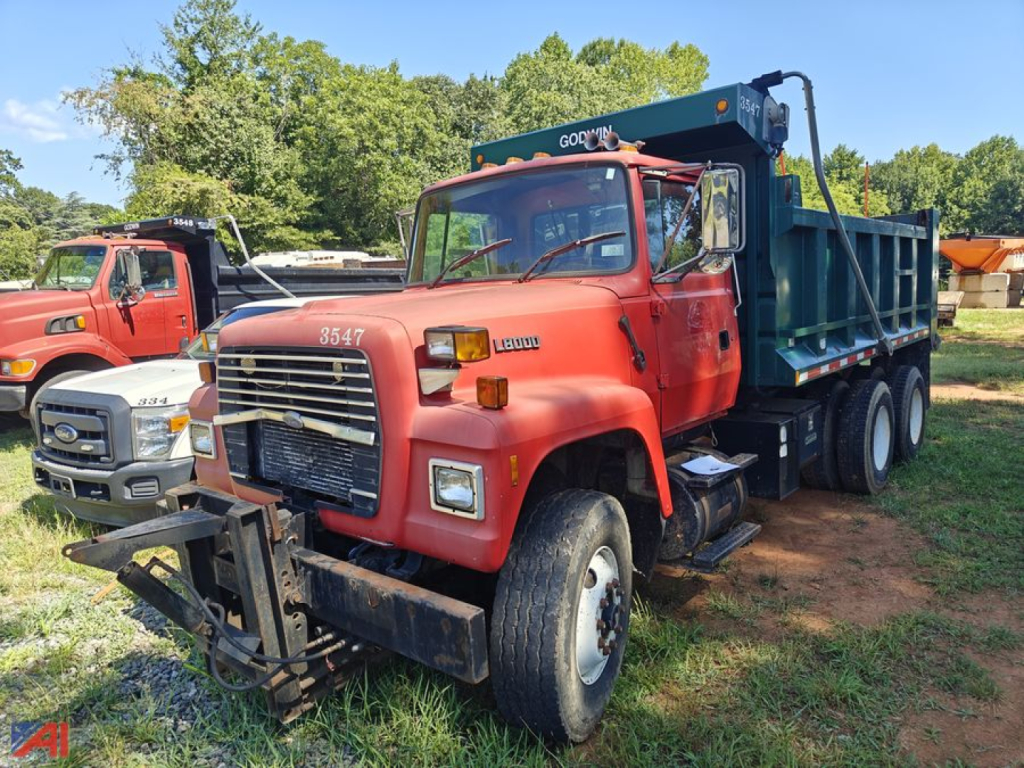
Have used 1995 ford dump truck to sell? List it here to reach thousands of buyers.
About Used 1995 Ford Dump Trucks
Many 1995 Ford dump trucks on the market are equipped with diesel engines in heavier models, while some lighter units may be gas-powered. Buyers should confirm engine family, transmission type, rear axle ratio, and suspension, especially if the truck will spend time off-road or carry dense material. A manual transmission and spring suspension are common on older vocational trucks, and they can be durable in severe-service use. On heavier Ford models such as the LT9000, it is important to verify front axle capacity, rear axle rating, frame condition, and whether the truck is spec'd as a single-axle or tandem. Wheelbase and cab-to-axle dimensions also matter if future body changes or repurposing are part of the plan.
The dump package deserves as much attention as the powertrain. Body length, side height, floor thickness, tailgate style, and hoist design all affect how the truck performs with gravel, millings, topsoil, scrap, or construction debris. Older trucks may use an underbody hoist or scissor lift, and buyers should inspect cylinder operation, hinge points, PTO engagement, hydraulic leaks, and any signs of twisted frame rails or hard loading. Steel bodies are common and usually preferred for abrasive materials, but condition around crossmembers, rear posts, and the apron is critical. A working tarp system, pintle hitch, wet line setup, and usable tires can also change the real value of a used dump truck in this age range.
For a 1995 Ford dump truck, maintenance history often matters more than mileage alone. Engine hours, cold-start behavior, brake condition, steering play, and evidence of rust or previous frame repair tell a clearer story than the odometer on an older vocational unit. Buyers comparing listings should look closely at title status, municipal or contractor ownership history, and whether the truck starts, runs, drives, and dumps under load. When the truck is intended for local hauling, farm use, landfill work, or backup fleet duty, a well-kept 1995 Ford dump truck can still deliver solid service if the chassis, hydraulics, and body are matched to the job.
Frequently Asked Questions
What should I check first on a used 1995 Ford dump truck?
Start with the chassis and hoist system. Confirm that the truck starts cleanly, builds air properly if air brakes are equipped, shifts as it should, and raises and lowers the dump body without hesitation or hydraulic leaks. Inspect the frame for cracks, rust scaling, weld repairs, and signs of overload. On an older dump truck, the condition of the body, PTO, cylinder, hinges, and rear gate often has a major impact on usable value.
Are 1995 Ford dump trucks better suited for light-duty or heavy-duty hauling?
That depends on the specific chassis. Some 1995 Ford dump trucks are lighter contractor units, while others are true heavy-duty vocational trucks built for aggregate, demolition, and municipal service. Buyers should focus on GVWR, axle ratings, suspension, and body size instead of assuming all 1995 Ford dump trucks are comparable. A single-axle truck may be ideal for tighter jobsites and local routes, while a heavier tandem-axle spec is better for dense payloads and rougher service.
Is mileage or engine hours more important on a 1995 Ford dump truck?
On an older vocational truck, engine hours and overall condition are usually more informative than mileage alone. Dump trucks often spend long periods idling at jobsites, in queues, or during PTO operation, so odometer readings can understate total wear. A truck with documented service records, good cold-start behavior, stable engine temperatures, and a healthy hydraulic system is often a better buy than one with lower mileage but unknown maintenance history.
What dump body features matter most on a 1995 Ford dump truck?
Body length, side height, steel condition, and hoist design are the main items to evaluate. Buyers hauling rock, asphalt, or demolition debris usually prefer a solid steel body with minimal floor damage and tight rear gate sealing. Check for rust-through, bent side panels, worn hinge points, and hydraulic cylinder seepage. If the truck will haul lighter material such as mulch or brush, side height and tarp setup may matter more than floor thickness alone.
Can a used 1995 Ford dump truck still be a good fleet or backup truck?
Yes, if the truck is mechanically sound and the spec matches the intended work. Many buyers use older dump trucks for seasonal hauling, farm and ranch work, municipal support, landfill runs, or as backup units that do not justify the cost of a newer chassis. The best candidates are trucks with a working dump system, solid frame, acceptable brake and tire condition, and parts support for the engine and driveline. Practicality comes down to inspection results, not just age.