
1998 Dump Trucks For Sale in New York
Shop 1998 dump trucks for sale in New York. Compare tandem and tri-axle specs, dump bodies, hydraulics, axle ratings, and vocational setups.
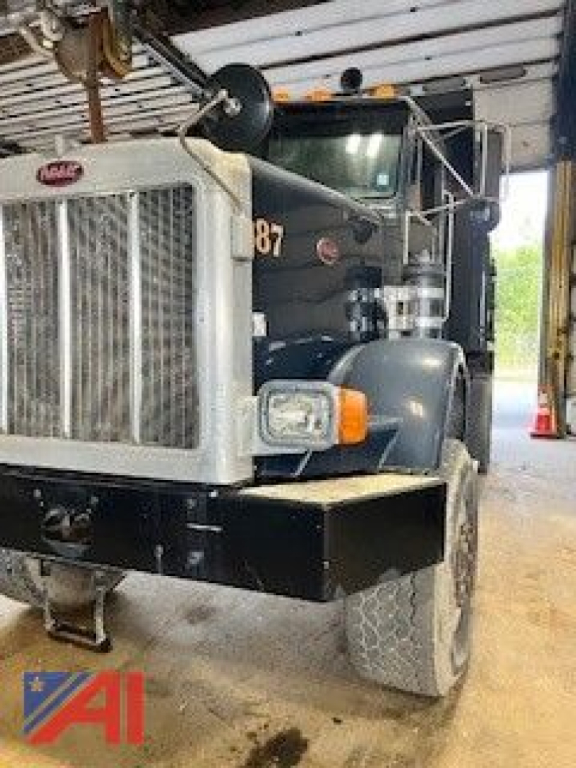
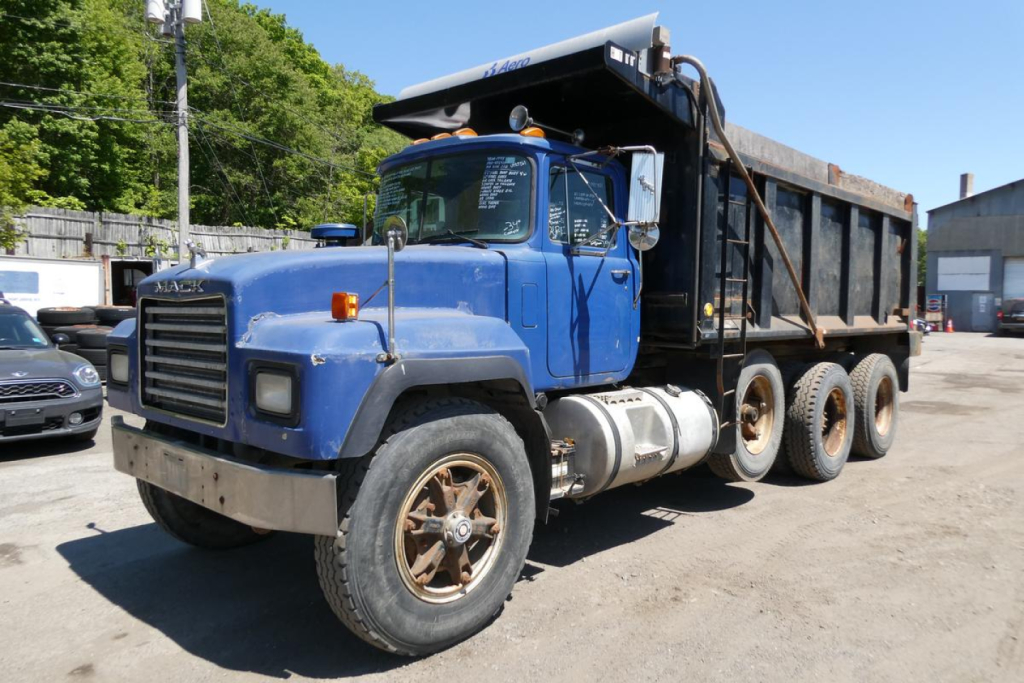
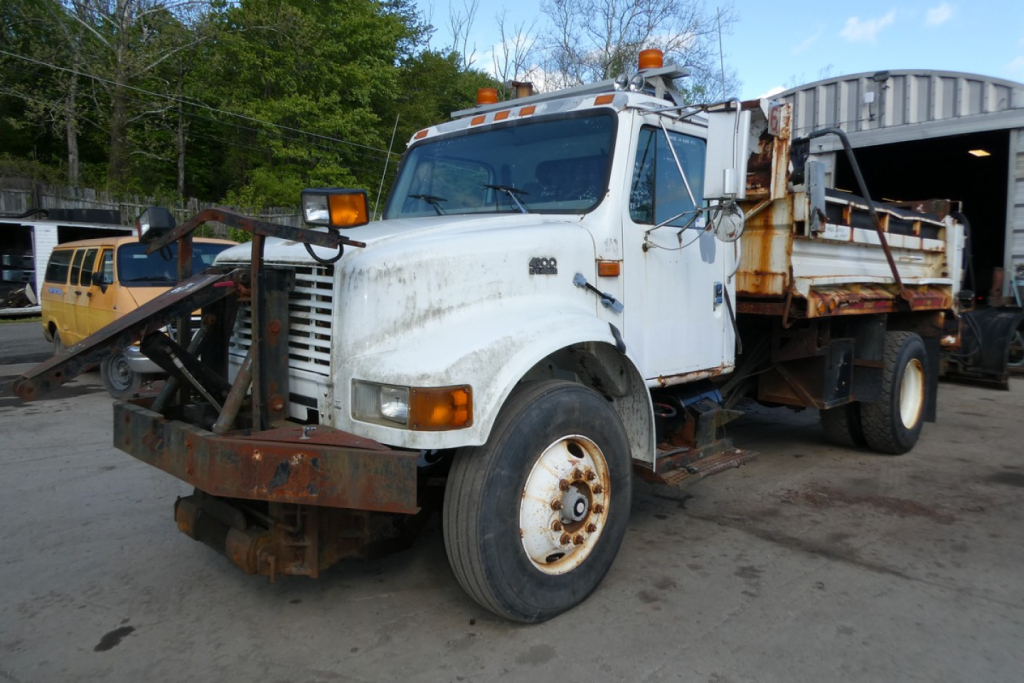
Selling a 1998 dump truck? List your 1998 dump truck for sale and reach thousands of commercial buyers.
1998 Dump Trucks in New York
Frequently Asked Questions about 1998 Dump Trucks in New York
What should I check first on a 1998 dump truck?
Start with the frame rails, crossmembers, hoist, and body floor. Rust, plating, and cracked welds matter more than paint on a truck of this age. In New York, pay close attention to corrosion around the cab mounts, underbody, suspension hangers, tailgate hardware, and hydraulic tank or lines. A dump truck can run well and still need expensive structural work if the body, subframe, or hoist mounts are compromised.
Are 1998 dump trucks good for municipal and snow work?
Many are, especially trucks already set up with front plow mounts, central or front-mounted hydraulics, sanders, and heated bodies. Older dump trucks are common in highway departments, local fleets, and seasonal operations because they can handle plowing, salting, and material hauling with relatively simple systems. Buyers should confirm the PTO configuration, hydraulic pump arrangement, remaining plow gear, and whether the truck has enough front axle capacity for the intended snow package.
What drivetrain specs are common on 1998 dump trucks?
Typical 1998 dump trucks were built with diesel engines in the mid-200 to mid-300 horsepower range, manual transmissions such as 7, 8LL, or 9-speed boxes, and vocational rear axle ratios designed for low-speed pulling power. Tandem axle trucks often carry 40,000-pound to 52,000-pound rear ratings, while front axles commonly range from about 16,000 to 20,000 pounds depending on the application. A buyer should match horsepower, transmission, axle ratio, and suspension type to the route, payload, and terrain rather than shopping by engine alone.
Is a steel or aluminum dump body better on a 1998 truck?
Steel bodies are generally preferred for abrasive or impact-heavy materials such as demolition debris, riprap, or chunk asphalt because they tolerate abuse better. Aluminum bodies reduce empty weight and can improve payload for sand, stone, or general construction material, but condition is critical on an older truck. Look at floor wear, sidewall damage, hinge points, tailgate seal, and cylinder operation before deciding that one body material is automatically better than the other.