
Used Digger - Derrick Trucks For Sale in Massachusetts
Have used digger - derrick truck to sell? List it here to reach thousands of buyers.
Used Digger - Derrick Trucks in Massachusetts
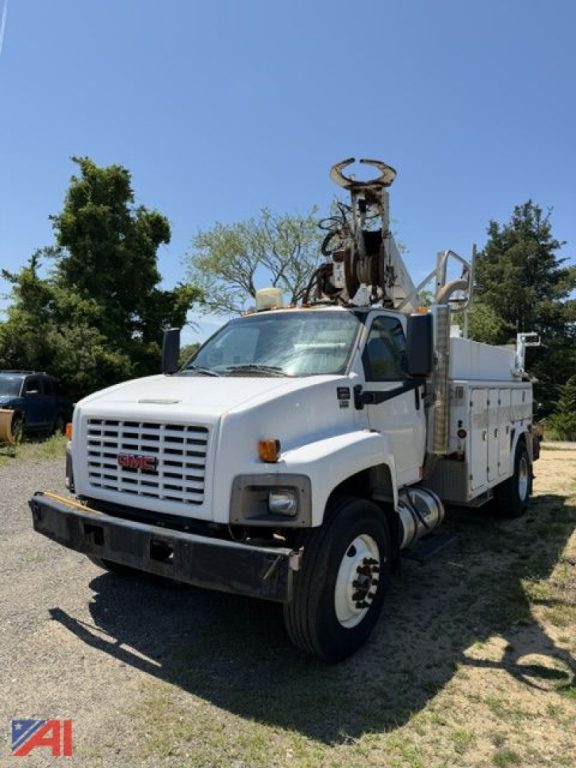
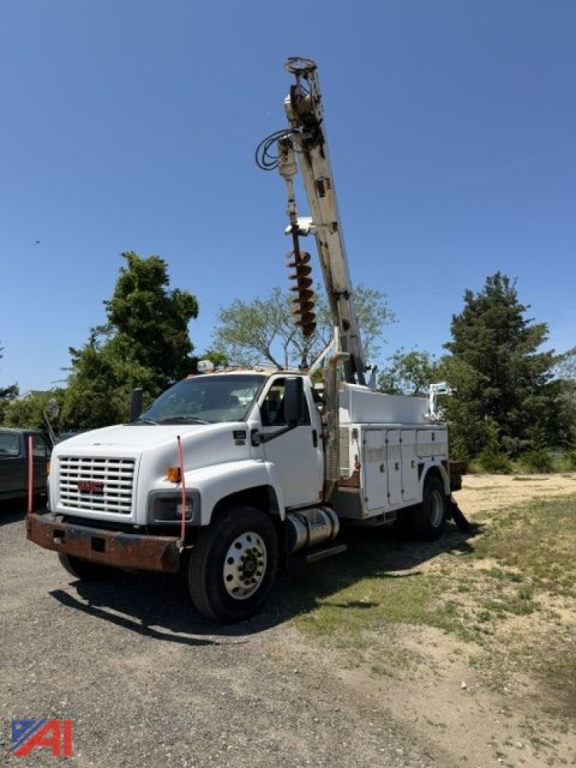
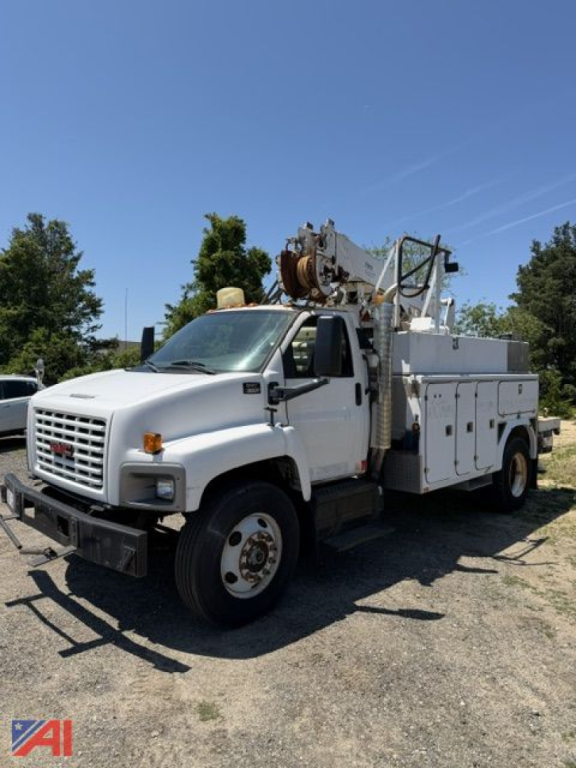
A buyer should start with the derrick and drilling package, not just the chassis badge. Key details include maximum sheave height, boom reach, lifting capacity at different radiuses, auger diameter compatibility, auger storage, and whether the truck has a pole guide, riding seat, and multi-speed digger drive. Outrigger configuration matters on uneven ground and narrow roadside setups, especially in older New England streets where setup space is limited. Many used digger derricks in this class are mounted on platforms such as the GMC C8500 and similar vocational chassis, and buyers should confirm PTO operation, hydraulic function, subframe condition, boom inspection history, and any signs of stress cracking around the pedestal and outrigger mounts.
On used units, condition is heavily tied to maintenance discipline and prior application. A truck that spent its life in utility fleet service may have strong service records, but corrosion, frame scale, and rust in tool compartments, hydraulic lines, and outriggers deserve close inspection in Massachusetts conditions. Check dielectric testing records if insulated boom work is relevant, and verify current ANSI compliance, load charts, and annual inspection status. Engine hours and odometer miles both matter, but on a digger derrick the wear in the hydraulic system, turntable, boom pins, winch line, and auger drive often tells the real story.
The best used digger derrick truck is the one matched to your crew’s daily work. Shorter wheelbase units can be easier to position in urban utility work, while larger tandem or high-CGVW configurations may be better for heavier pole handling and more tooling. Buyers should also look at storage layout, crew cab versus single cab, CDL requirements, and axle ratings once augers, poles, mats, and attachments are on board. When the truck is correctly spec’d, a digger derrick can replace multiple pieces of equipment on the jobsite and improve setup speed, labor efficiency, and fleet utilization.
Frequently Asked Questions about Used Digger - Derrick Trucks in Massachusetts
What is a digger derrick truck used for?
A digger derrick truck is used to drill holes and set poles, foundations, signs, and similar vertical structures. It combines an auger for excavation with a boom and winch for lifting and placement, which makes it common in electric utility, telecom, lighting, traffic signal, and contractor applications. Many crews use one unit to handle boring, lifting, and placement without bringing separate drilling and crane equipment to the site.
What should I inspect first on a used digger derrick truck?
Start with the boom, turntable, outriggers, hydraulic system, and PTO operation because those components define the truck’s working value. Look for hydraulic leaks, worn pins and bushings, pedestal cracks, outrigger damage, winch line wear, and signs of structural repairs. On the chassis side, inspect frame condition, suspension, brake system, tires, and corrosion, especially on trucks that have spent years in snow and road salt environments like Massachusetts.
Do digger derrick trucks require dielectric testing?
Dielectric testing is important if the truck will be used for energized utility work or if the boom is insulated. The buyer should verify test records, inspection intervals, and current compliance with the applicable utility and safety standards. If dielectric capability is part of the intended work, missing or outdated test documentation should be treated as a real cost item before the truck goes into service.
How do I choose the right digger derrick size?
The correct size depends on pole height, hole depth, lifting radius, auger diameter, and the access conditions where the truck will work. Municipal and urban jobs often favor a more compact wheelbase for positioning, while utility distribution and heavier pole work may require more boom height, higher lifting capacity, and greater GVWR. Buyers should compare the load chart and auger specs to actual field requirements instead of relying only on chassis class or overall truck size.
Is a medium-duty chassis like a GMC C8500 common for digger derrick trucks?
Yes, medium-duty vocational chassis such as the GMC C8500 have been common platforms for digger derrick applications. They offer a good balance of payload, PTO compatibility, and service access for utility body installations. The chassis is only part of the equation, though, because the usefulness of the truck depends more on the derrick manufacturer, boom rating, hydraulic package, and overall condition of the mounted equipment.