
Used GMC Digger - Derrick Trucks For Sale in Massachusetts
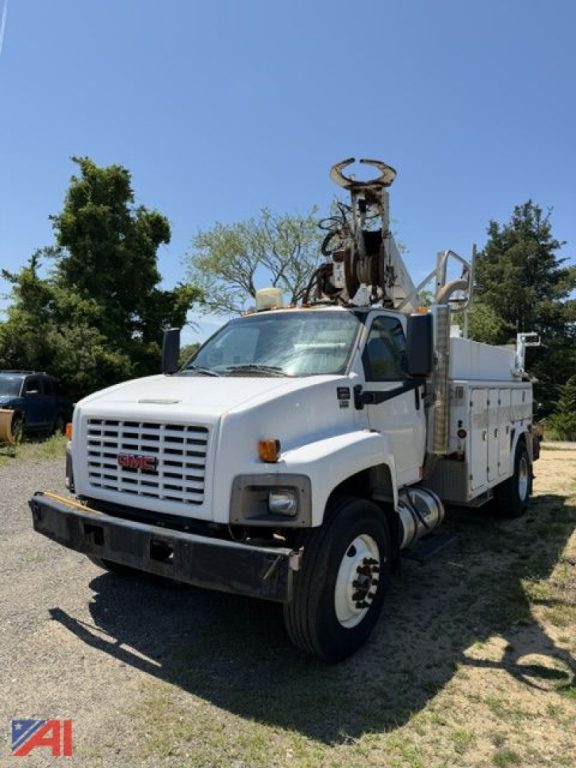
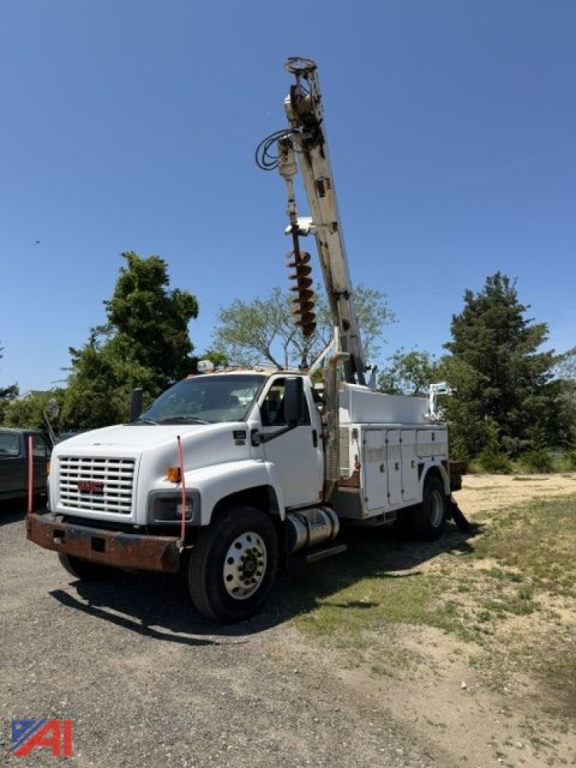
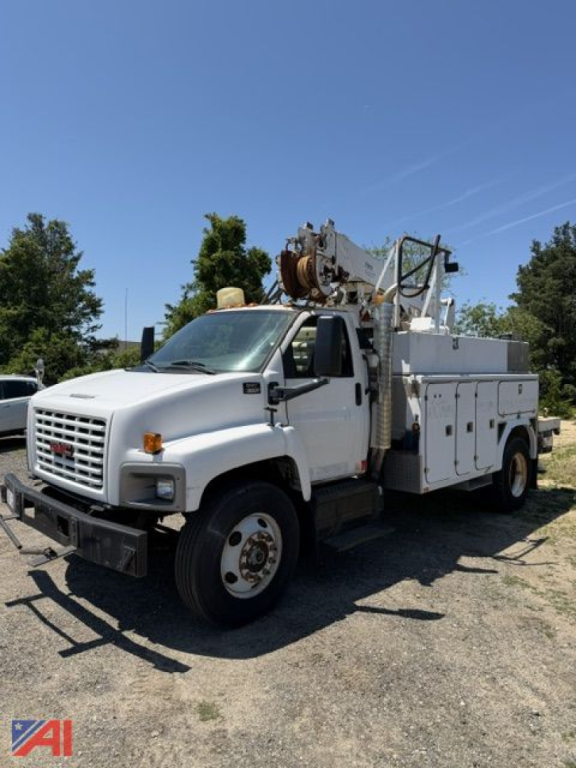
Have used gmc digger - derrick truck to sell? List it here to reach thousands of buyers.
Used GMC Digger - Derrick Trucks in Massachusetts
On a used GMC digger derrick, the most important specs are the boom class, sheave height, winch rating, auger torque, digger depth, and outrigger design. Buyers should also confirm PTO operation, hydraulic response under load, and whether the truck uses a rear-mounted or turret-style derrick arrangement. Chassis details matter just as much. Look at GVWR, axle ratings, wheelbase, transmission type, brake setup, and whether the engine has enough low-speed torque for PTO-driven utility work. Older GMC conventionals in this class are often valued for straightforward serviceability, but body age and derrick condition usually matter more than cab cosmetics. A clean frame, stable outrigger deployment, and documented inspections on the boom and winch system carry more weight than appearance alone.
Massachusetts buyers should pay close attention to corrosion, especially on frames, crossmembers, outriggers, subframes, tool compartments, and hydraulic line routing. Utility trucks that have spent years in snow and road salt need a careful underbody inspection. Check for weld repairs around outrigger mounts, signs of leakage at hydraulic cylinders and valve banks, and wear in the auger drive, boom pins, and rotation components. If the truck will be used on roadside utility work in New England, maneuverability, overall height, and legal operating weight can be just as important as maximum dig depth. Buyers also benefit from checking if the truck is set up for current fleet standards such as backup alarms, work lighting, pintle or trailer provisions, and storage for rigging, pads, and grounding gear.
A used GMC digger derrick can be a practical fit for contractors and municipalities that need utility capability without stepping into a new-unit price point. The best value usually comes from matching the derrick package to the actual work. Pole setting, anchor handling, foundation drilling, and sign installation all put different demands on boom geometry, lifting chart, and auger performance. Before buying, verify annual dielectric or crane-style inspection records if applicable, confirm the derrick manufacturer and model, and review service history on both the chassis and hydraulic system. A truck with the right boom capacity, stable outriggers, and a sound GMC chassis will typically be more useful in day-to-day field work than one chosen on age or price alone.
Frequently Asked Questions about Used GMC Digger - Derrick Trucks in Massachusetts
What is a GMC digger derrick truck used for?
A GMC digger derrick truck is used for drilling holes and lifting or setting materials such as utility poles, anchors, light standards, and sign structures. It combines an auger system and a derrick boom on one chassis, which makes it common in electric utility, telecom, municipal, and contractor fleets. The main advantage is that one truck can handle both excavation and lifting tasks at the jobsite.
What should I inspect first on a used digger derrick truck?
Start with the boom, winch, auger drive, outriggers, and hydraulic system, because these components define the truck’s working value. Check for cylinder leaks, cracked welds, excessive pin and bushing wear, uneven outrigger operation, and signs of structural repair on the subframe. After that, inspect the chassis for corrosion, axle and suspension wear, PTO engagement, brake condition, and engine performance under hydraulic load.
Are GMC C8500 digger derrick trucks a good fit for utility work?
Yes, GMC C8500 models are a common platform for digger derrick applications because they offer the frame strength, axle capacity, and PTO compatibility needed for utility bodies. Their suitability depends on the actual derrick package, wheelbase, and GVWR rather than the chassis name alone. A properly spec'd C8500 can handle many municipal and contractor jobs effectively, but buyers still need to verify boom rating, auger capability, and legal operating weight.
Why does rust matter so much on used digger derrick trucks in Massachusetts?
Rust affects more than appearance on a digger derrick truck. In Massachusetts, road salt can accelerate corrosion on the frame, outrigger boxes, body mounts, tool compartments, hydraulic supports, and electrical connections. Because these trucks rely on structural stability during drilling and lifting, corrosion around the subframe and outrigger area can become a safety and repair-cost issue very quickly.
What is the difference between a digger derrick and a bucket truck?
A digger derrick is built to drill holes and lift materials, while a bucket truck is primarily built to elevate personnel in an aerial platform. Digger derricks use augers, winches, and pole-handling equipment, and their buying criteria center on boom class, auger torque, dig depth, and lifting chart. Bucket trucks are evaluated more by working height, side reach, platform capacity, and insulation rating.