
GMC Digger - Derrick Trucks For Sale
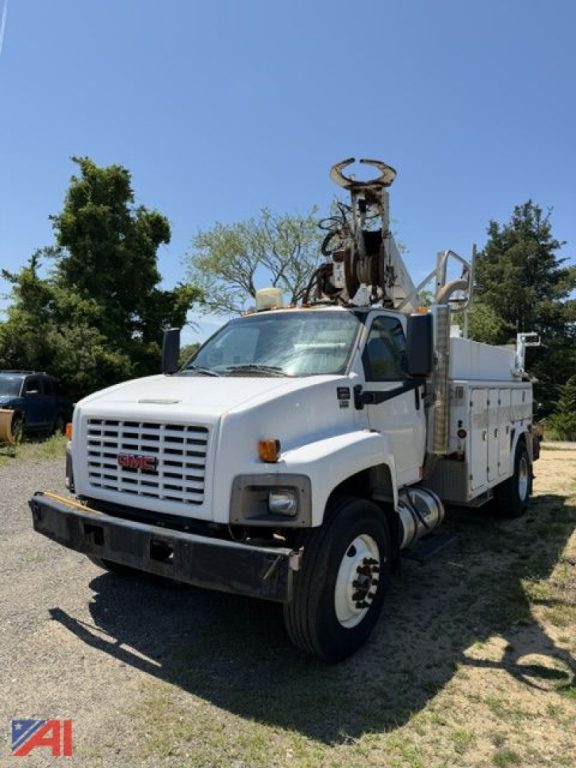
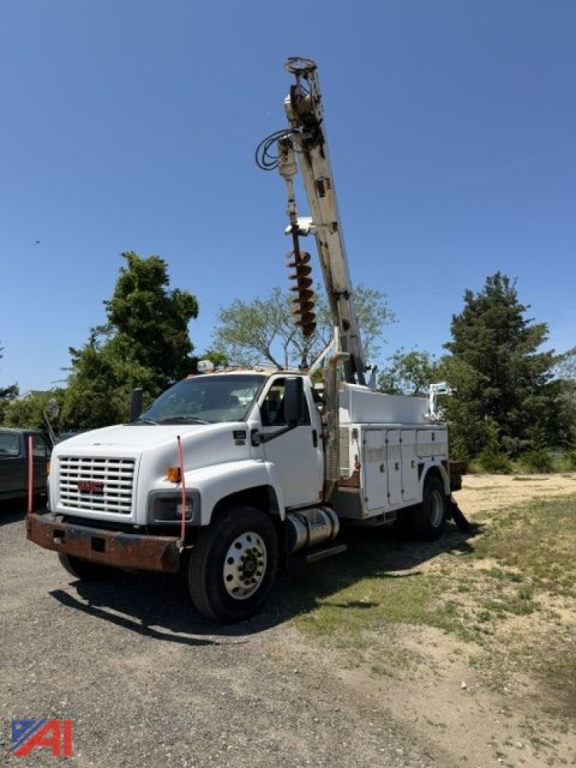
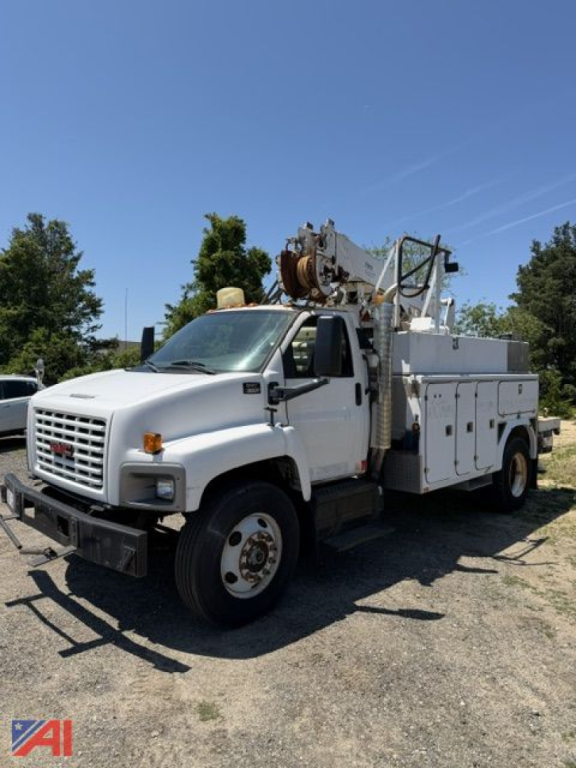
Have gmc digger - derrick truck to sell? List it here to reach thousands of buyers.
GMC Digger - Derrick Trucks
The chassis matters as much as the boom package. Buyers should pay close attention to GVWR, axle ratings, wheelbase, transmission type, PTO setup, and brake configuration, especially on older GMC platforms. Utility bodies and derrick units add substantial weight, so front and rear axle capacity, suspension condition, and frame integrity are critical. Engine support and parts availability also matter on used GMC units, particularly if the truck is powered by older diesel platforms that may have regional service limitations. A clean PTO engagement, stable hydraulic performance, and predictable steering under load are all important signs of a truck that can still work reliably.
On the derrick side, capacity and geometry drive the buying decision. Check maximum sheave height, boom reach, auger torque, digger diameter capability, and whether the unit includes a pole setting package, winch, and auger stowage. Outrigger design affects setup speed and jobsite stability, especially on shoulders, alley access jobs, and uneven utility easements. Many buyers also look for operator-friendly details like lower controls, hydraulic tool circuits, inverter or compressor provisions, and enclosed compartments for rigging, pads, and hardware. Inspection records for the boom and dielectric history can be especially important if the truck has been used in electrical utility service.
A GMC digger derrick is often a practical buy for fleets that need a specialized truck without stepping into the cost of a newer utility chassis. The best unit for the job depends on how often it will be drilling versus lifting, the pole class being handled, the typical terrain, and how tightly the truck needs to maneuver in urban or rural right-of-way work. Buyers comparing listings should balance boom capacity, chassis condition, and service history together, because a strong derrick mounted on a tired truck can become more expensive than a cleaner, better-matched package.
Frequently Asked Questions about GMC Digger - Derrick Trucks
What is a GMC digger derrick truck used for?
A GMC digger derrick truck is used for drilling holes, setting utility poles, and lifting equipment or materials on utility and construction jobsites. These trucks are common in electric utility, telecom, sign installation, streetlight, and municipal applications because they combine a roadable chassis with an auger, derrick boom, winch, and stabilizers.
What should I inspect first on a used GMC digger derrick?
Start with the chassis, hydraulics, and boom inspection history. Check the frame for corrosion or repairs, verify PTO operation, inspect outrigger function, and look for hydraulic leaks, slow cycle times, or erratic control response. On the derrick itself, confirm the auger drive, winch, boom sections, pins, and rotation system are operating properly, and review any annual inspection or dielectric test records if applicable.
How important is boom capacity on a digger derrick truck?
Boom capacity is one of the main purchase factors because it determines the truck’s lifting ability and the type of pole or material handling work it can perform safely. Buyers should compare rated lifting capacity, sheave height, boom reach, and auger performance as a package, not as isolated numbers. A truck with the right reach and drilling capability for your typical job may be more useful than one with a higher headline lift rating but less practical geometry.
Are older GMC digger derrick trucks still a good fleet option?
They can be, especially for municipalities, co-ops, and contractors that need intermittent utility service capability without the cost of a newer unit. The condition of the chassis, drivetrain support, and hydraulic system matters more than model year alone. An older GMC truck with solid maintenance records, a sound frame, and a well-kept derrick can still deliver good service, but buyers should confirm parts and service support for both the truck and the boom manufacturer before committing.