
GMC Digger - Derrick Trucks For Sale in Massachusetts
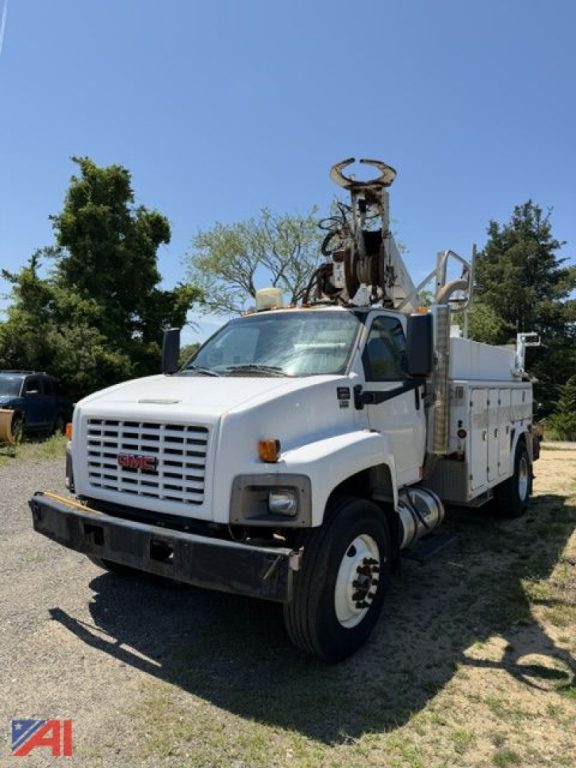
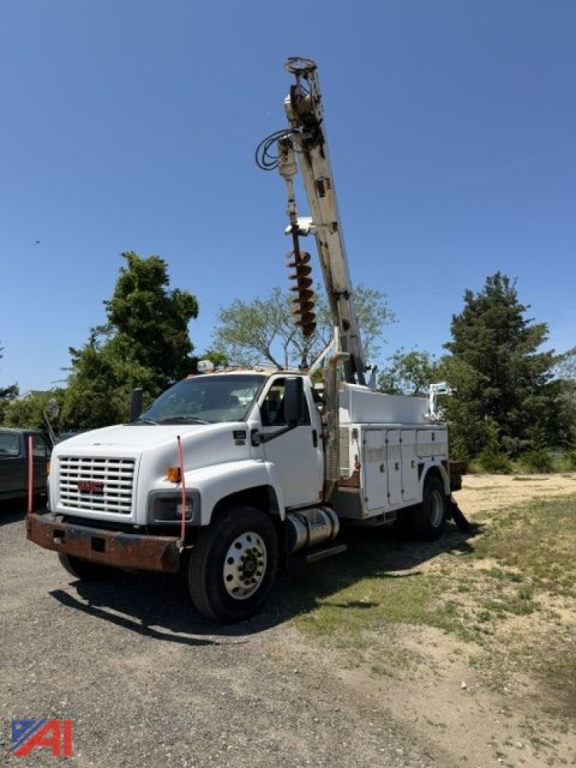
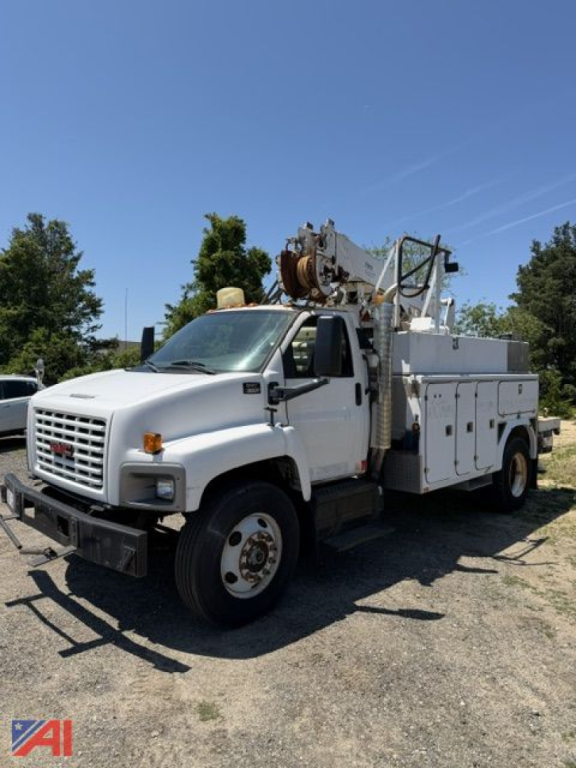
Have gmc digger - derrick truck to sell? List it here to reach thousands of buyers.
GMC Digger - Derrick Trucks in Massachusetts
On a GMC platform, pay close attention to GVWR, wheelbase, transmission setup, and how the body was integrated with the chassis. Outrigger spread, subframe condition, and hydraulic system health are critical because stability and smooth boom function drive both safety and productivity. A clean engine and cab do not tell the full story on a digger derrick truck. Buyers should inspect turntable wear, boom pins and bushings, hydraulic leaks, winch cable condition, auger storage, and any signs of stress cracking around the body mounts or outrigger boxes. If the truck has been fleet-maintained, service records for the PTO, hydraulic pump, brake system, and annual boom or dielectric inspections can add real value.
Massachusetts buyers should also consider regional operating conditions. Road salt, freeze-thaw cycles, and utility work in tight urban corridors can accelerate corrosion on frames, outriggers, tool compartments, and electrical connections. Undercarriage rust, crossmember condition, and corrosion in the body structure deserve a close look, especially on older GMC units. Maneuverability matters too. A shorter wheelbase may fit congested streets and neighborhood line work better, while a longer chassis can offer better body layout, more tool storage, and improved load distribution for heavier derrick packages.
The best GMC digger derrick truck for sale is the one matched to the crew’s actual work cycle. If the truck will mainly drill holes and set moderate poles, a simpler rear-mount unit with practical auger and winch specs may be the right fit. If it will handle heavier utility work, buyers should step up into higher-capacity derricks, stronger front axle ratings, and more robust outrigger systems. Also known as a digger truck or utility derrick truck, this equipment class combines transportation, lifting, and drilling in one chassis, so the smartest purchase decision comes from evaluating the entire package: truck, upper, hydraulics, stability system, and inspection history.
Frequently Asked Questions about GMC Digger - Derrick Trucks in Massachusetts
What should I check first on a used GMC digger derrick truck?
Start with the derrick and hydraulic system, not just the cab and engine. Check boom operation through the full range of motion, inspect the winch, PTO, outriggers, auger drive, and look for leaks, weld repairs, or structural cracking around the subframe and outrigger mounts. On the truck side, review axle ratings, brake condition, frame corrosion, and maintenance records. A digger derrick is only as useful as its stability and upper-condition, so those systems should lead the inspection.
Are GMC C8500 digger derrick trucks suitable for utility work?
Yes, the GMC C8500 is a common platform for digger derrick applications because it offers the frame strength, axle capacity, and PTO capability needed for utility bodies. Suitability depends on the exact derrick installed and the truck’s weight ratings. For pole setting, drilling, and line construction work, buyers should confirm the chassis can safely support the mounted equipment, outrigger loads, and any tools or material carried on the body.
How important are boom and auger ratings on a digger derrick truck?
They are central to the buying decision because they determine what work the truck can actually perform. Sheave height, lifting capacity, auger torque, auger diameter capability, and reach all affect jobsite productivity. A truck that is adequate for light pole or sign work may be undersized for heavier utility construction. Buyers should match the ratings to their typical hole depth, pole size, soil conditions, and lifting requirements instead of choosing on chassis appearance alone.
What issues are common on older digger derrick trucks in Massachusetts?
Corrosion is one of the biggest concerns. Massachusetts road salt and winter exposure can affect the frame, brake lines, hydraulic lines, outrigger boxes, body compartments, and electrical systems. Older units may also show wear in boom pins, bushings, hoses, and turntable components from repeated utility service. A thorough underbody inspection and a careful review of structural condition are especially important on trucks that have spent their working life in New England.
Do I need inspection or certification records for a used digger derrick truck?
Yes, those records are highly valuable because they help verify that the boom, winch, hydraulic components, and safety systems were maintained to fleet or regulatory standards. Depending on the application, buyers may want annual boom inspection records, load test documentation, and service history for PTO and hydraulic repairs. Even when not legally required for every buyer, documented inspection history reduces uncertainty and can reveal how the truck was cared for over time.