
Commercial Trucks For Sale Near Decatur, Alabama
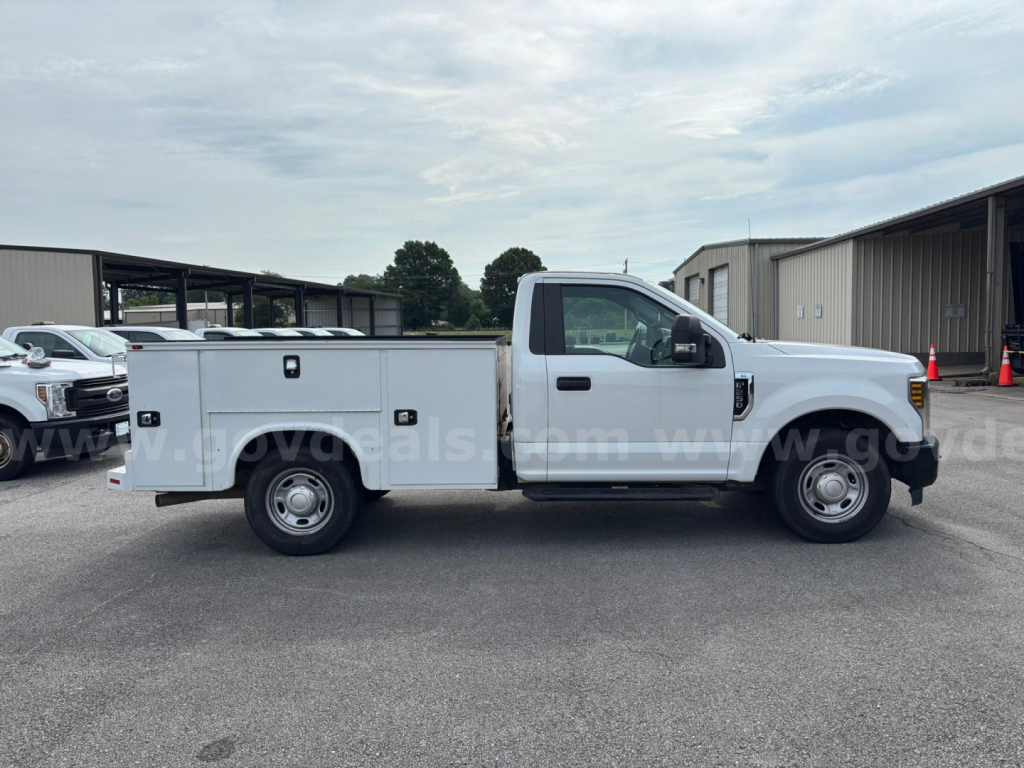
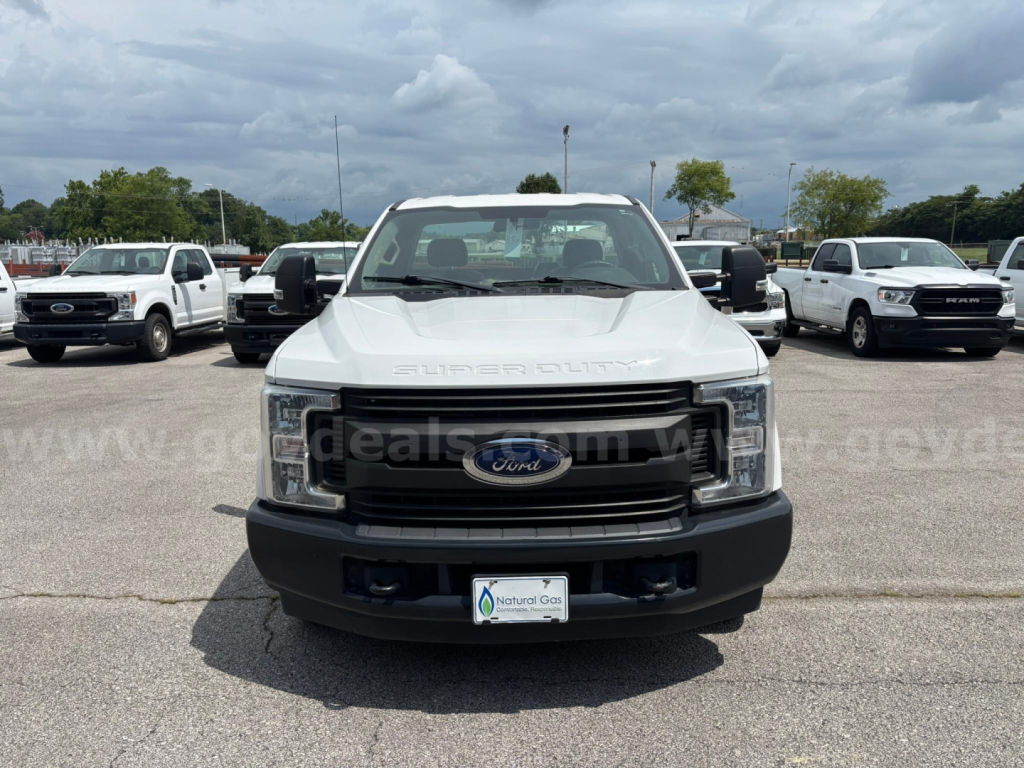
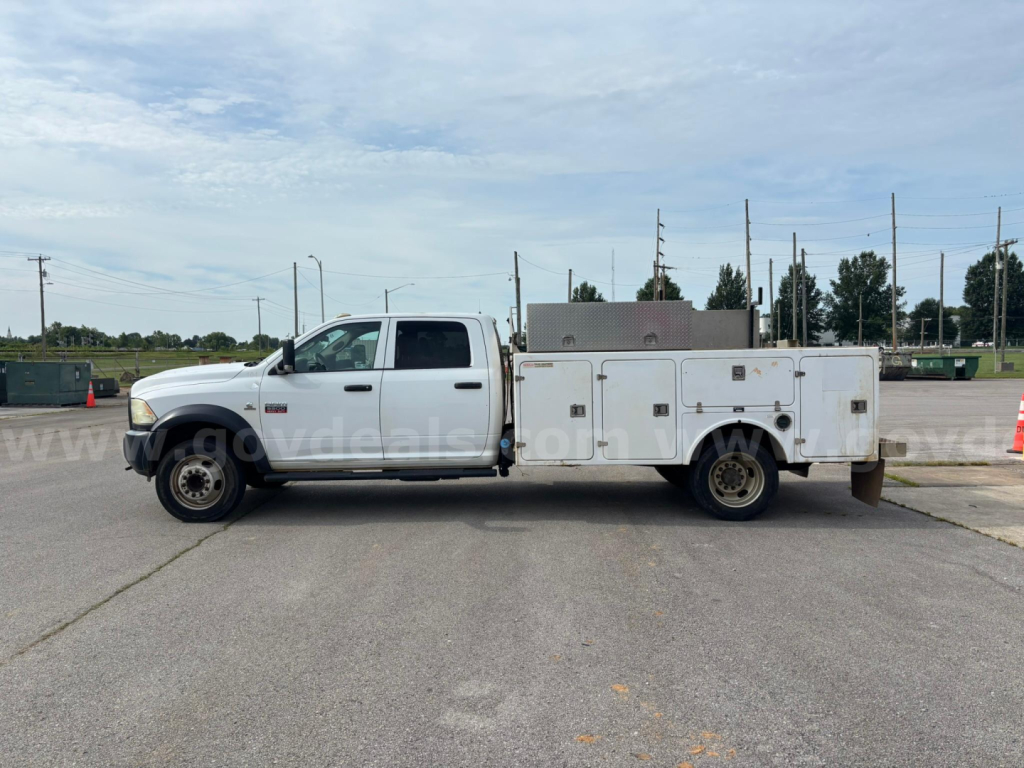
Have commercial truck to sell? List it here to reach thousands of buyers.
Commercial Trucks Near Decatur, Alabama
A smart truck purchase starts with payload, axle ratings, and body compatibility. GVWR, front and rear axle capacity, wheelbase, cab style, and PTO provisions all affect what the truck can legally and practically do. Buyers comparing used commercial trucks should pay close attention to engine hours versus odometer miles, transmission type, 2WD or 4WD layout, and the condition of wear items such as tires, brakes, suspension components, and hydraulic systems. On vocational trucks, the upfit matters as much as the chassis. Aerial devices, service bodies, hoists, liftgates, and outriggers should be evaluated for function, structural condition, and maintenance history.
Regional use in north Alabama also influences buying decisions. Local fleets often need trucks that can handle municipal service, utility work, agricultural support, building trades, and short-haul commercial routes. That makes reliability, ease of service, and parts availability especially important. Popular truck brands in this segment typically include Ford, Chevrolet, GMC, Ram, International, Freightliner, Isuzu, and Hino, with diesel and gas power depending on duty cycle. In stop-and-go or jobsite work, buyers often prioritize lower operating complexity, strong visibility, and body configurations that reduce time on task.
Used trucks can offer strong value when the spec matches the job. A bucket truck, also known as an aerial lift truck, needs a different inspection approach than a flatbed, service truck, or standard pickup. The same is true for dump bodies, mechanic trucks, and hooklift setups. Service records, idle hours, rust, frame condition, hydraulic leaks, electrical function, and title status all deserve close review. Buyers who define payload needs, trailer requirements, equipment body specs, and operating environment up front will have a much easier time narrowing down the right truck for long-term fleet use.
Frequently Asked Questions about Commercial Trucks Near Decatur, Alabama
What should I look at first when comparing trucks for sale?
Start with the truck's intended job, then match that to GVWR, axle ratings, wheelbase, cab configuration, and body type. A truck can look similar on paper but still be wrong for the work if the payload is too low, the frame is not suited for the upfit, or the wheelbase does not support the body or trailer setup you need. On used trucks, miles, engine hours, maintenance records, and the condition of major wear components should be reviewed before cosmetic items.
Are engine hours important on used commercial trucks?
Yes. Engine hours are especially important on vocational and municipal trucks that spend long periods idling or powering auxiliary equipment. A truck with moderate mileage can still have high engine wear if it has accumulated significant idle time. This matters even more on bucket trucks, service trucks, and PTO-driven applications where the chassis may sit stationary while the equipment is working.
How do I choose between a pickup-based work truck and a medium-duty truck?
The decision usually comes down to payload, towing requirement, body size, and daily duty cycle. Pickup-based work trucks are easier to maneuver and often cost less to operate, but medium-duty trucks generally offer higher GVWR, stronger frame capacity, larger body options, and better durability for sustained commercial use. If the truck will carry a heavy service body, crane, dump insert, aerial device, or tow equipment, a medium-duty chassis is often the better long-term fit.
What is especially important when buying a bucket truck or other specialty truck?
The specialty equipment needs the same level of inspection as the chassis. On a bucket truck, buyers should verify platform height, boom operation, hydraulic condition, outrigger function, insulation rating if applicable, and annual inspection history. The same principle applies to other specialty trucks such as dump trucks, mechanic trucks, and hooklifts. The value is tied not just to the truck running well, but to the mounted equipment operating safely and correctly.
Which truck specs matter most for local work in Decatur, Alabama?
For local and regional work in Decatur, buyers often focus on dependable drivetrains, strong service support, practical payload, and the right body for municipal, utility, construction, agricultural, or contractor use. Automatic transmissions, PTO capability, diesel torque, and upfit compatibility are common priorities in this kind of market. A truck that is easy to maintain and correctly sized for local routes and jobsite access usually delivers better long-term value than simply choosing the highest rated chassis.