
Day Cab Trucks For Sale
Day cab trucks for sale for regional, drayage and vocational use. Compare engines, axles, wheelbases, gearing and emissions to fit your route.
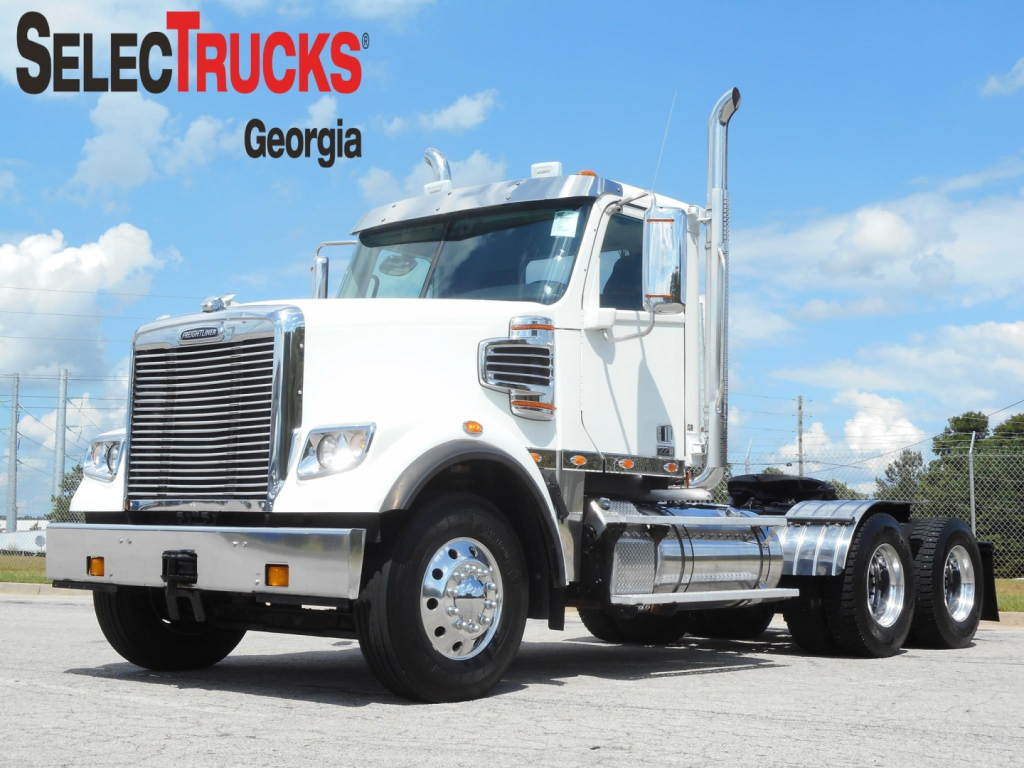
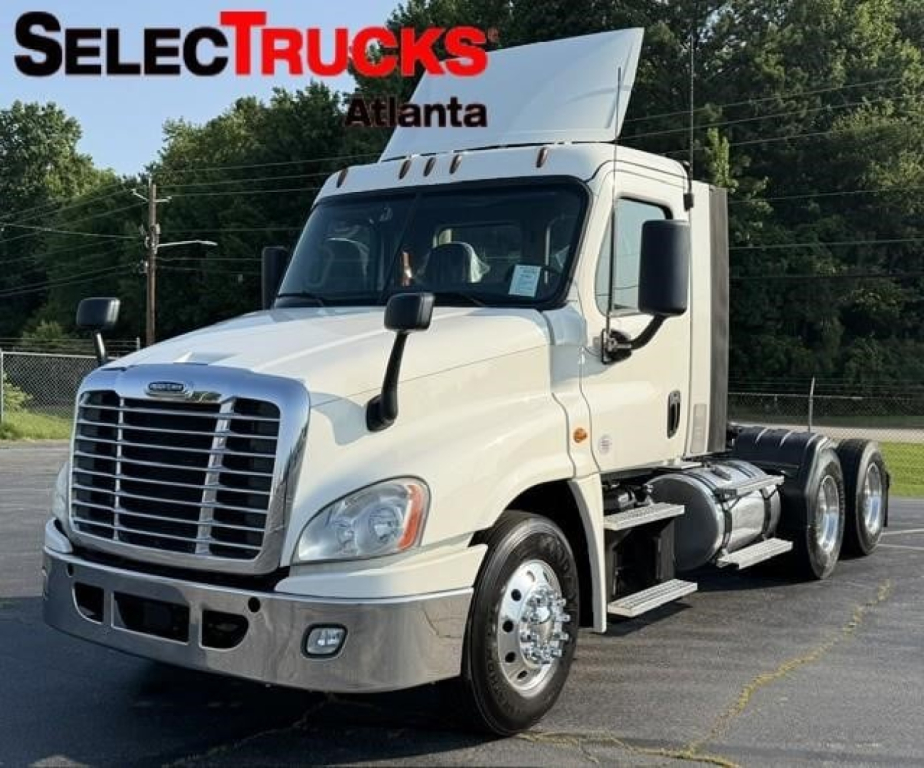
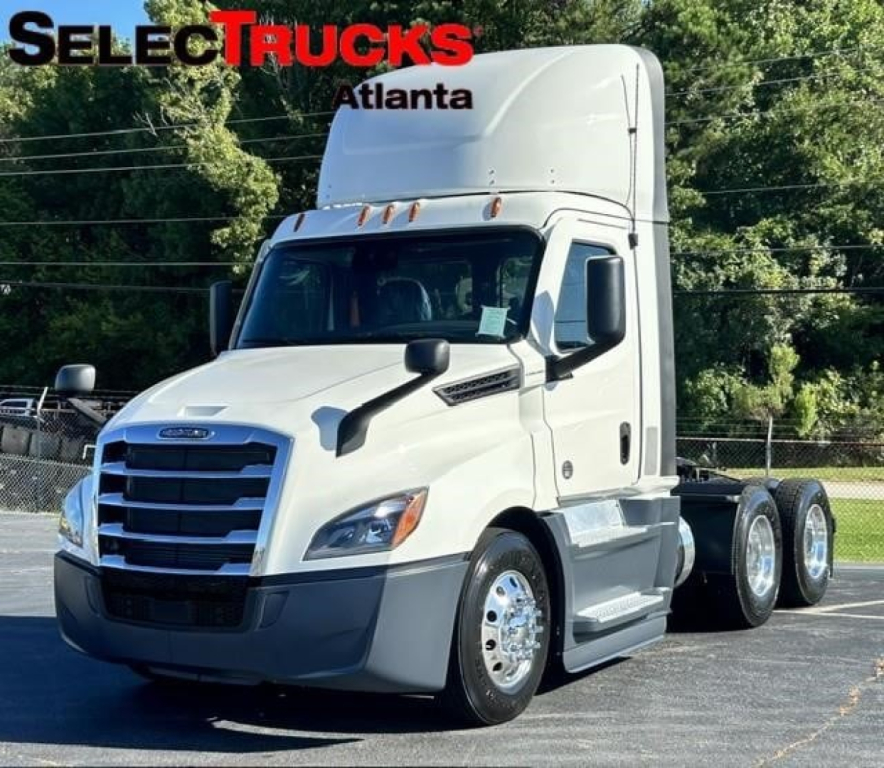
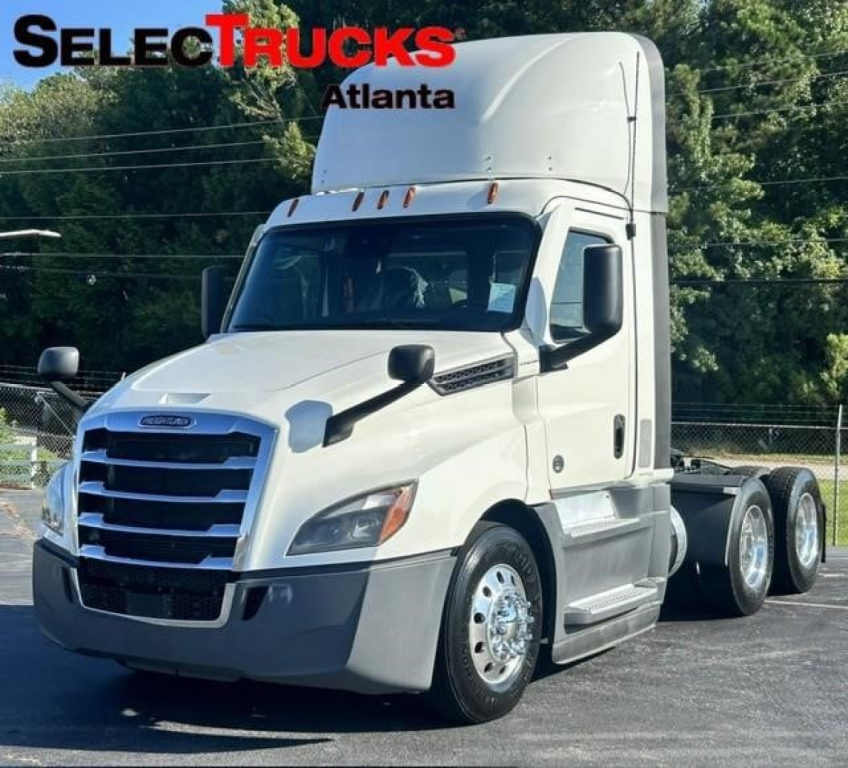
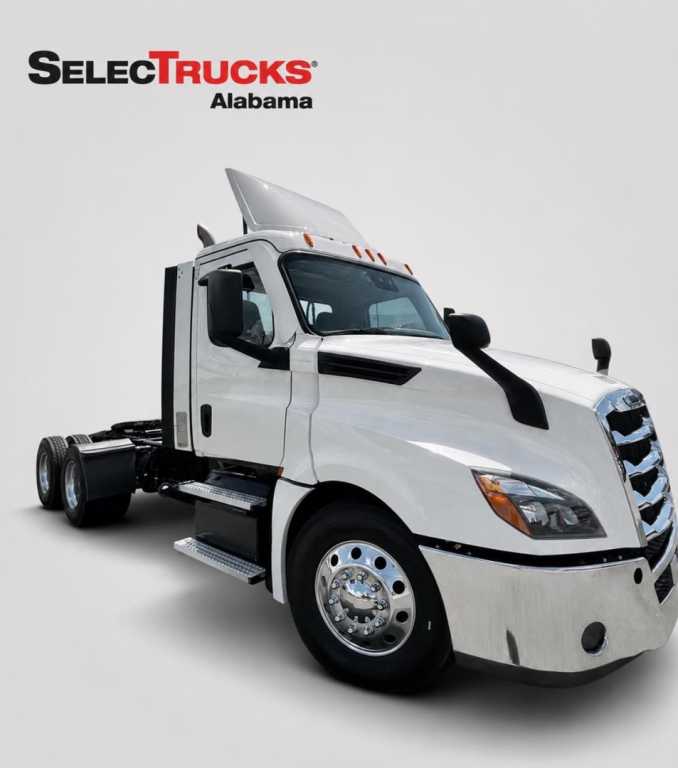
2021 Freightliner Cascadia 126
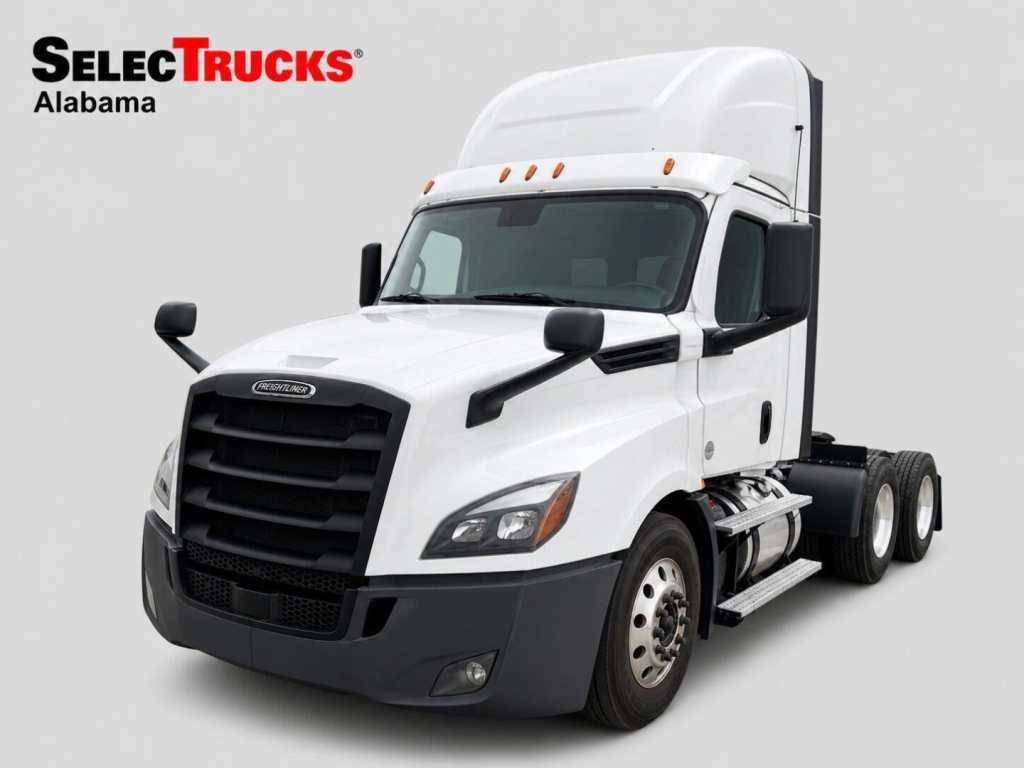
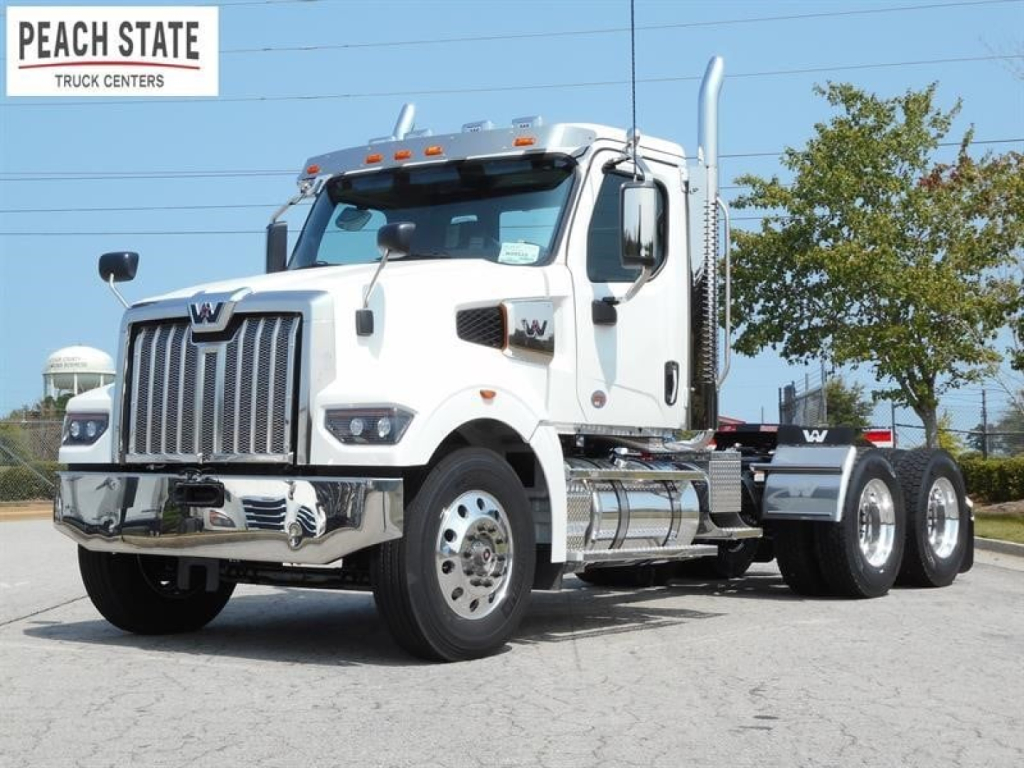
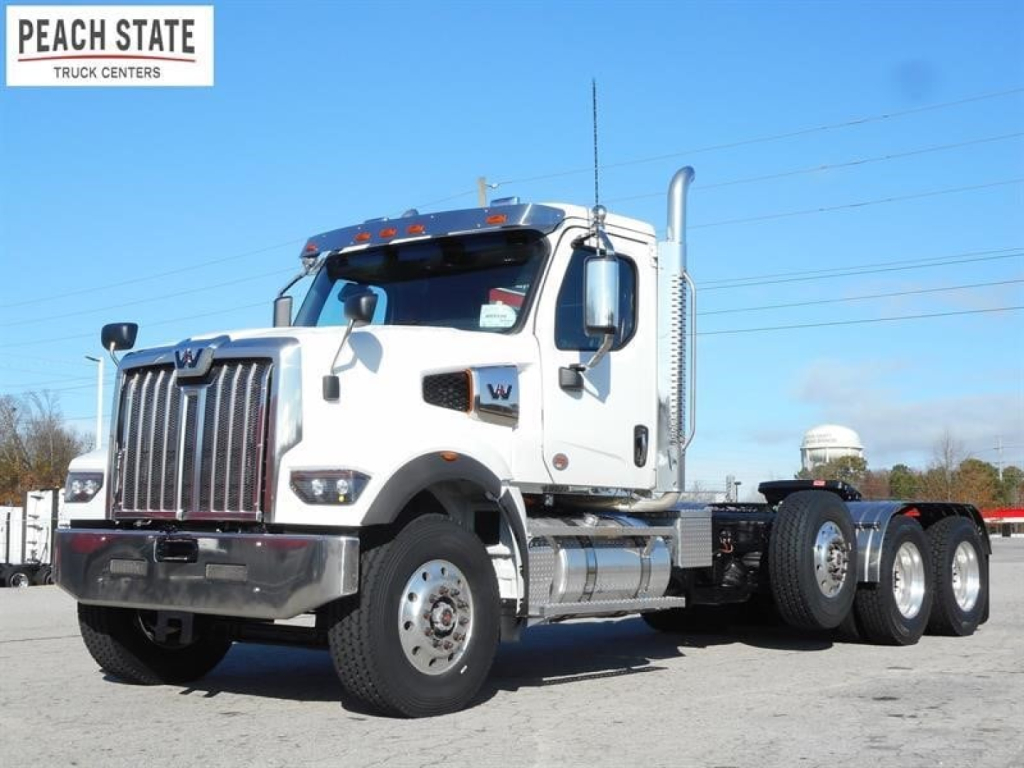
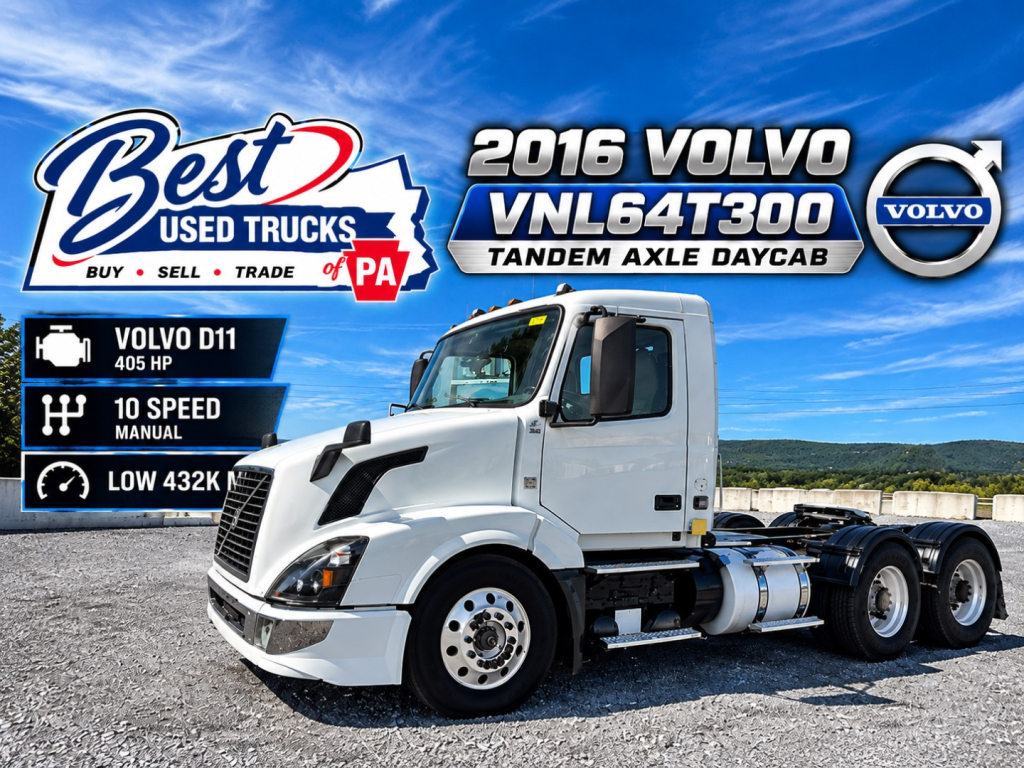
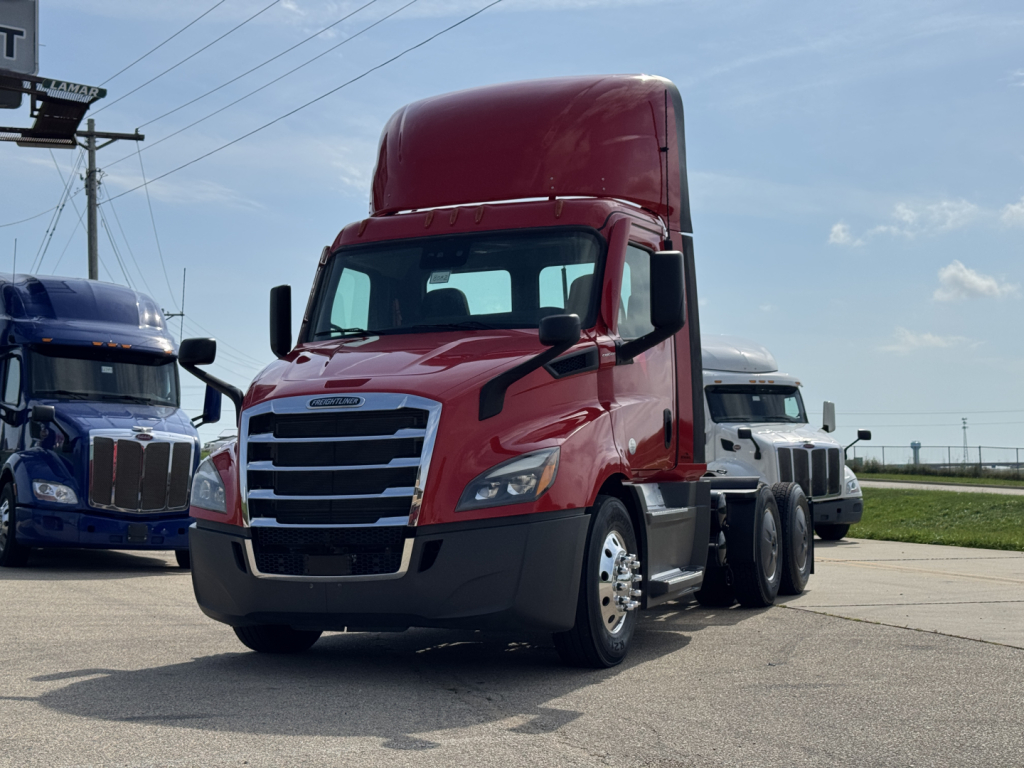
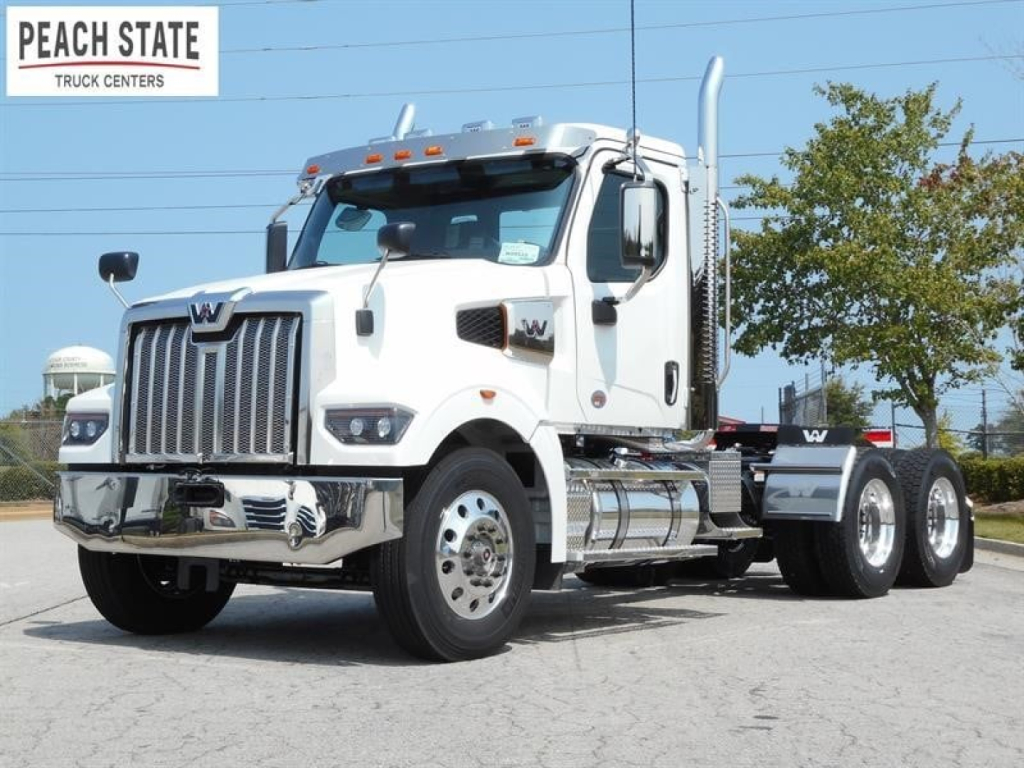
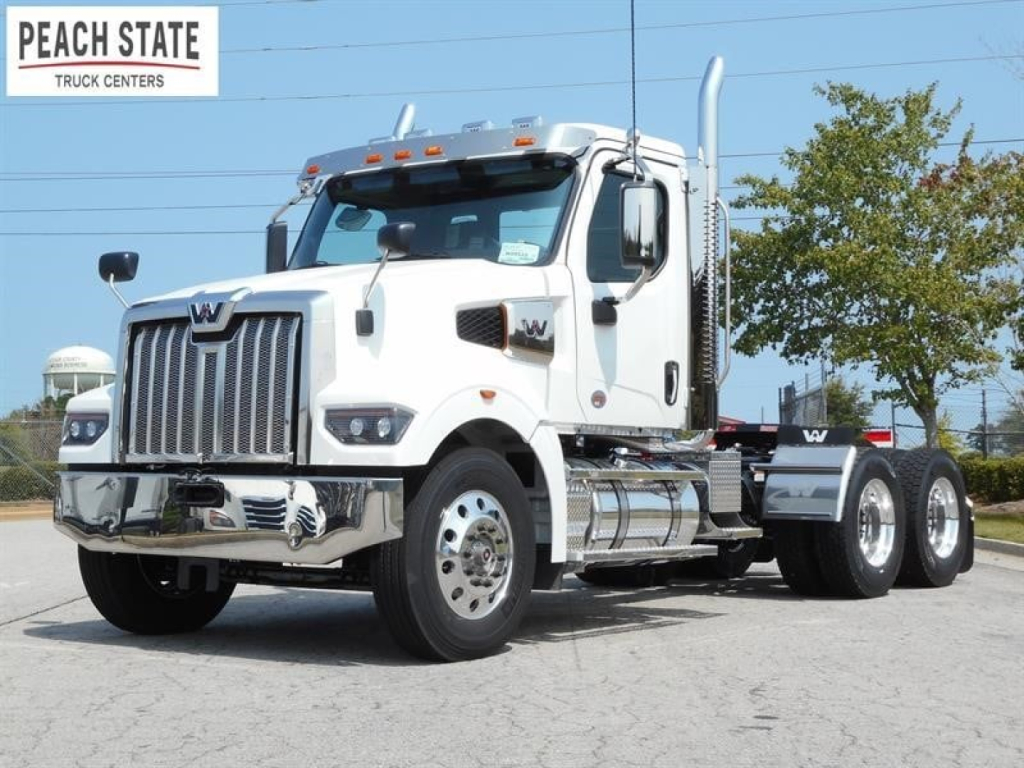
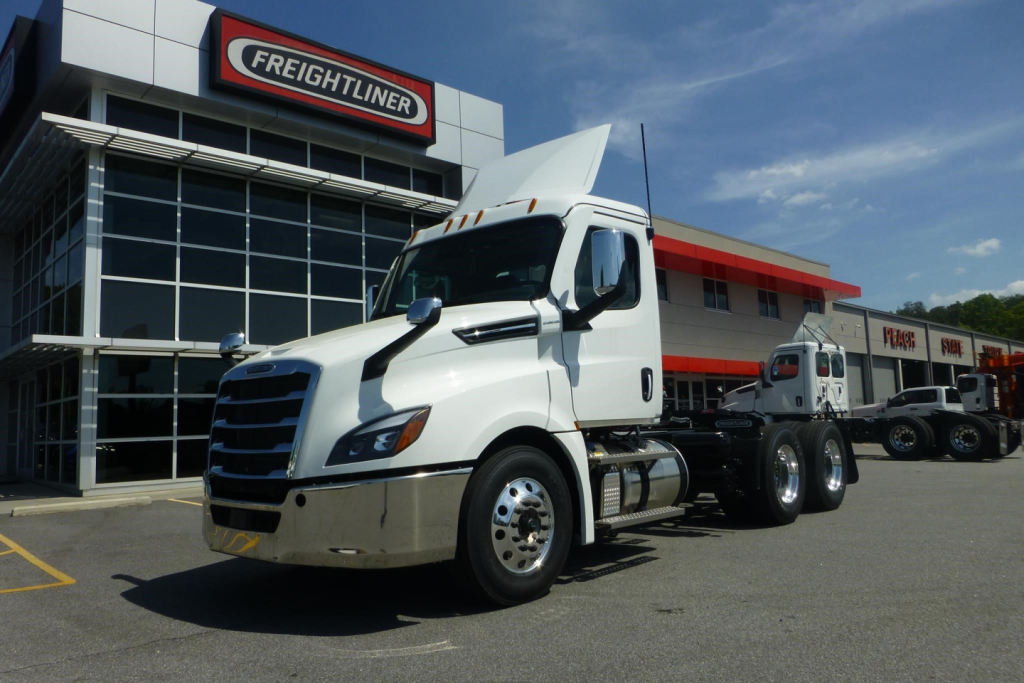
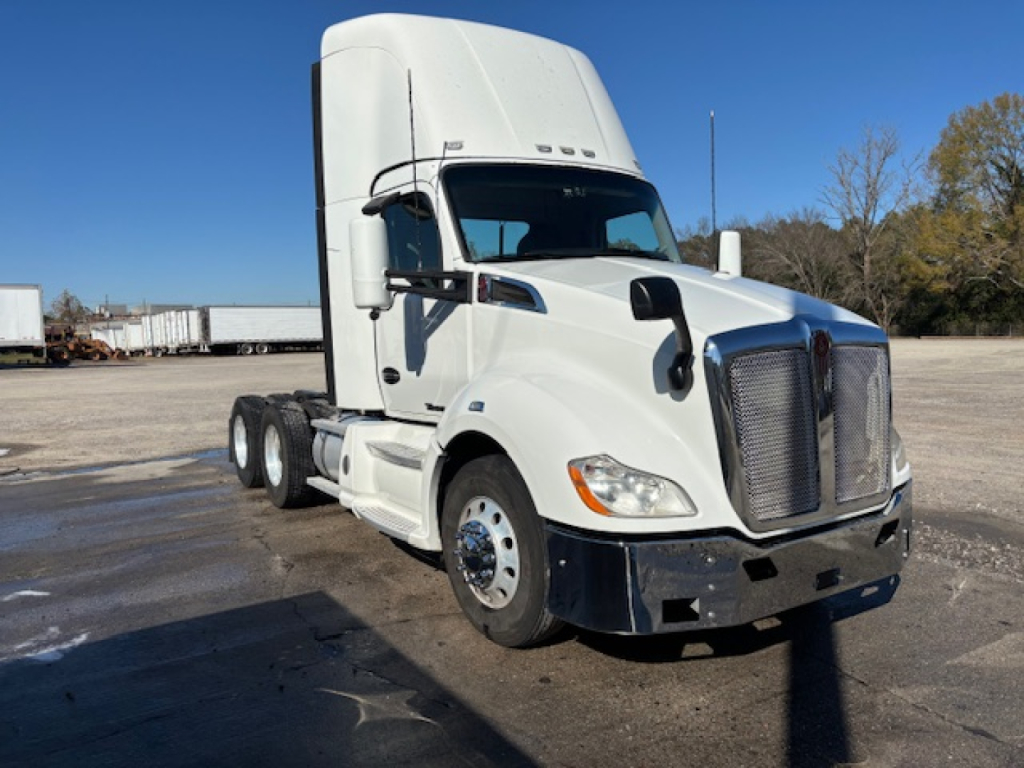
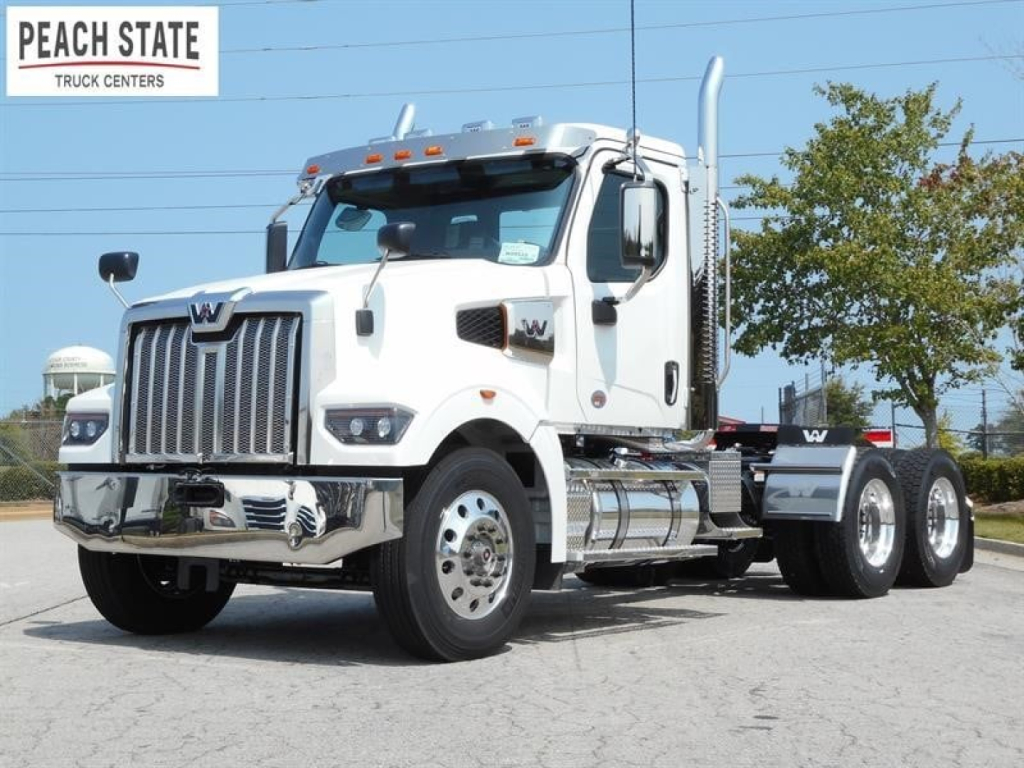
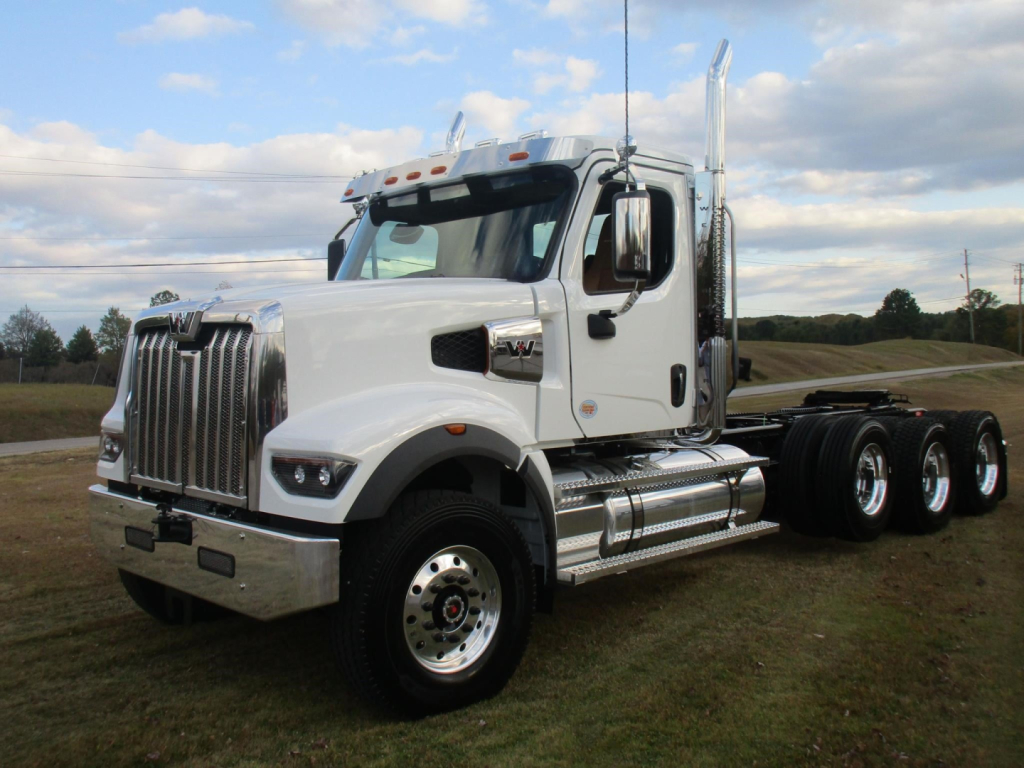
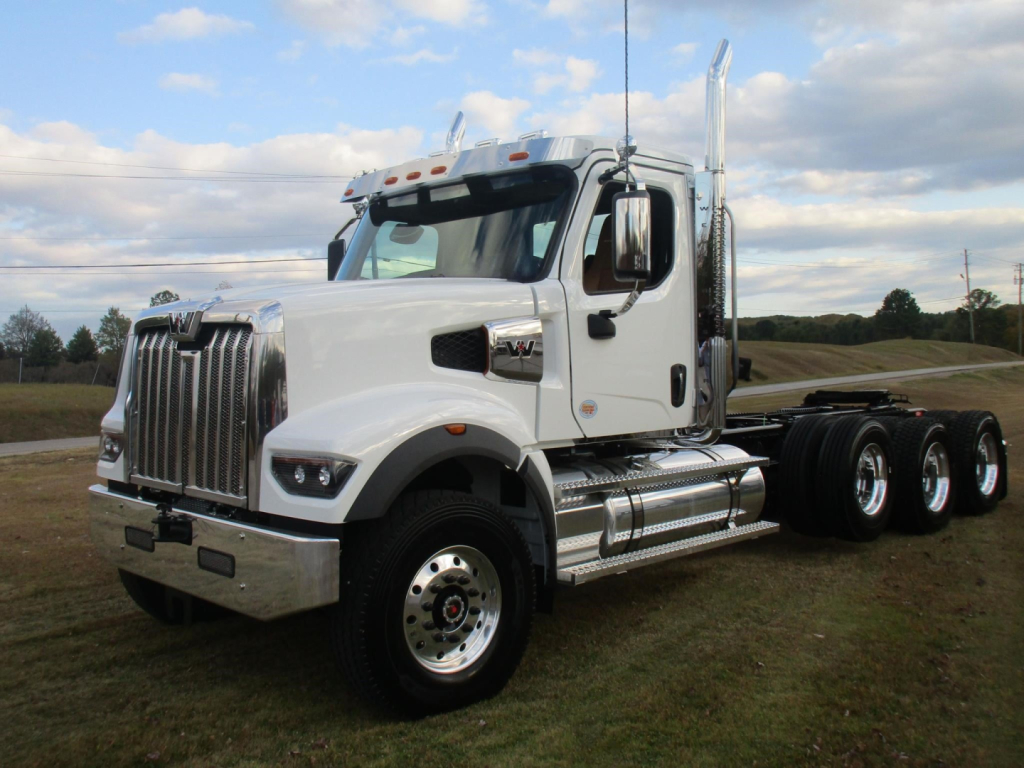
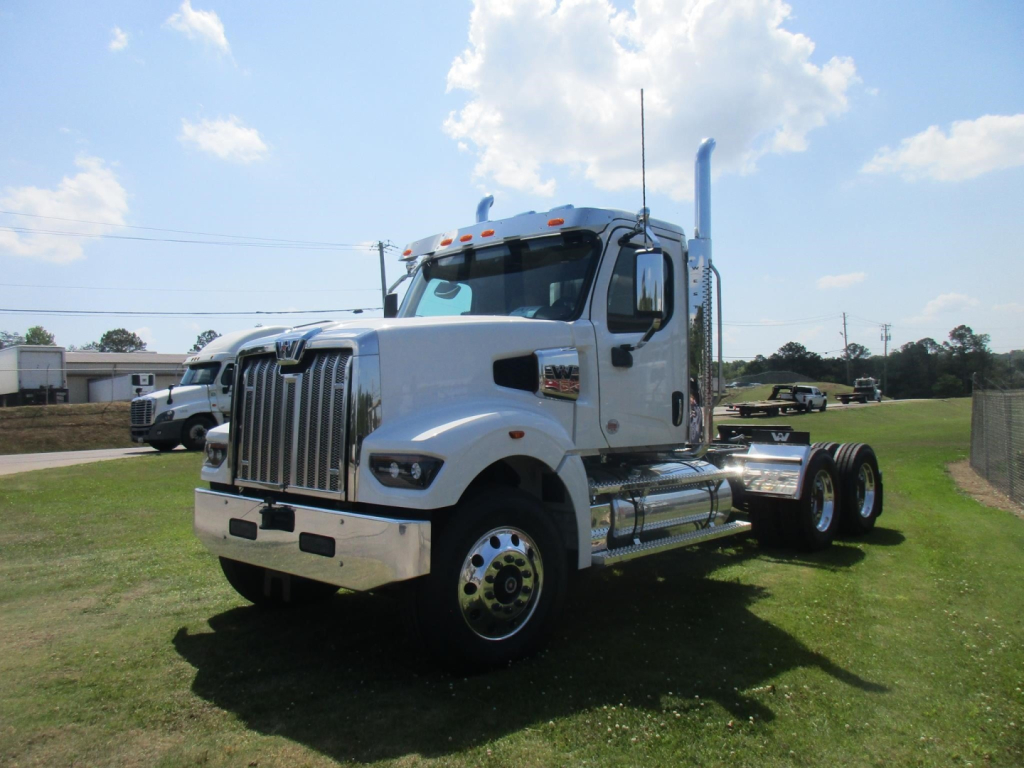
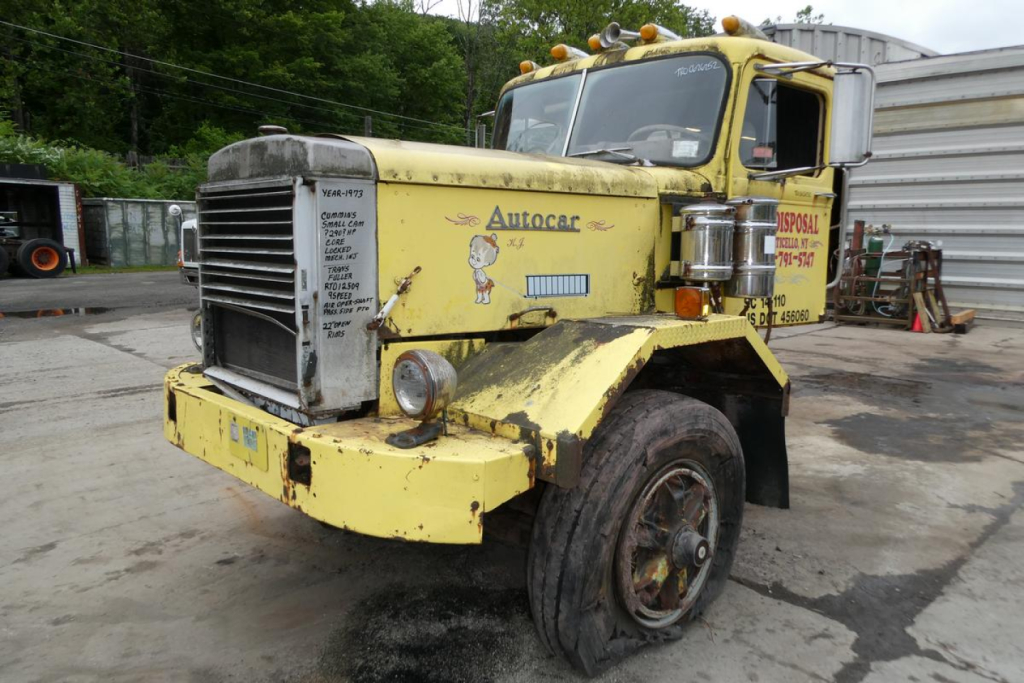

Showing 29 to 50 of 50 results
Selling a day cab truck? List your day cab truck for sale and reach thousands of commercial buyers.
Day Cab Trucks
Spec the chassis around your gross combination weight and terrain. Highway-focused day cabs often run 4x2 or 6x2 to save weight and fuel, while 6x4 remains the traction standard for mixed routes and vocational jobs. Front axles are typically 12k to 14.6k, with 38k to 46k rears for heavier work and optional lift axles where bridge rules allow. Engines in this class range from 11 to 15 liters with 350 to 500 hp and 1,350 to 1,850 lb-ft, including Cummins X12 and X15, Detroit DD13 and DD15, Volvo D13 and Paccar MX-13. Pair them with 10, 12 or 13-speed automated manuals like Eaton Endurant, DT12 or I-Shift for smooth low-speed control, or choose a 10, 13 or 18-speed manual for vocational torque management.
Rear axle ratios of 2.26 to 3.08 fit high-speed regional lanes, while 3.36 to 4.10 suits stop-and-go or hilly routes. Air ride drives improve ride and freight protection; heavy vocational specs often use Hendrickson or Reyco spring or rubber-block suspensions for durability. Air disc brakes shorten stops and simplify service compared to drums but cost more upfront. Look for a sliding fifth wheel and the correct height, typically 47 to 51 inches, to match your trailer fleet. Tire sizes commonly include 295/75R22.5, 11R22.5 and 11R24.5. Options like full-locking differentials, dual PTO provisions, in-cab dump switches and automatic tire inflation systems add capability.
Duty cycle drives reliability and compliance. Short-haul stop-start routes can challenge aftertreatment systems if exhaust temps run low, so confirm DPF and SCR maintenance history and forced-regen frequency on used units. For California drayage, verify CARB-compliant engine years and current Clean Truck rules; some fleets prefer natural gas day cabs for ports. Advanced safety tech such as Bendix Wingman, Detroit Assurance or Volvo Active Driver Assist, plus LED lighting and hood-mounted mirrors, improve visibility and insurance outcomes. When comparing day cab trucks for sale, weigh mileage against engine hours and idle time, inspect kingpins and bushings, check frame rails and crossmembers for rust, evaluate fifth wheel wear, and match wheelbase and kingpin setting to trailer swing clearance and bridge-law needs.
Also known as: Non-Sleeper Tractor
Frequently Asked Questions about Day Cab Trucks
What jobs are day cab trucks best suited for?
Day cabs excel on routes where drivers return to base daily, including LTL linehaul, regional dry van, refrigerated shuttle, intermodal drayage, bulk and tank delivery, flatbed local haul, and vocational tasks like dump or mixer work. Their lower weight and shorter wheelbase improve maneuverability and payload, which matters in tight city streets, yards and plants.
Should I choose 4x2, 6x2 or 6x4 for a day cab?
Choose based on traction needs and weight targets. A 4x2 is the lightest and most fuel efficient for lighter regional combinations where traction is not a concern. A 6x2 saves weight over a 6x4 but uses only one driven axle, so it is best for predictable highway routes. A 6x4 remains the go-to for mixed terrain, winter conditions and vocational work due to better traction and durability.
What rear axle ratio works best for regional day cabs?
Match ratio to cruise speed, tire size and terrain. Ratios in the 2.26 to 3.08 range pair with downsped engines and automated manuals for high-speed regional lanes, keeping RPM low for fuel economy. Ratios from 3.36 to 4.10 provide stronger launch and gradeability for urban delivery, heavy local loads or hilly routes. Verify startability and gradeability with your engine torque curve and transmission gearing.
Are automated manual transmissions a good fit for day cabs?
Yes. Modern AMTs like Eaton Endurant, Detroit DT12 and Volvo I-Shift deliver smooth low-speed control in traffic, protect the driveline, and reduce clutch wear in stop-and-go service. Manuals remain popular in vocational and heavy-haul specs for precise control and lower initial cost, but they depend on driver skill and can increase fatigue in dense urban work.
What should I check when evaluating a used day cab?
Look beyond mileage to engine hours and idle percentage, since local trucks often accumulate hours faster than miles. Review DPF and SCR service records, inspect frame rails and crossmembers for rust or port-related corrosion, check kingpins, bushings and fifth wheel condition, verify suspension bushing wear and air leaks, and confirm the wheelbase, fifth wheel height and slide travel match your trailers and bridge-law requirements.