
Volvo Day Cab Trucks For Sale in New York
Shop Volvo day cab trucks for local and regional hauling in New York. Compare VNR specs, axle setups, horsepower, wheelbases, and sleeper-free efficiency.
Learn more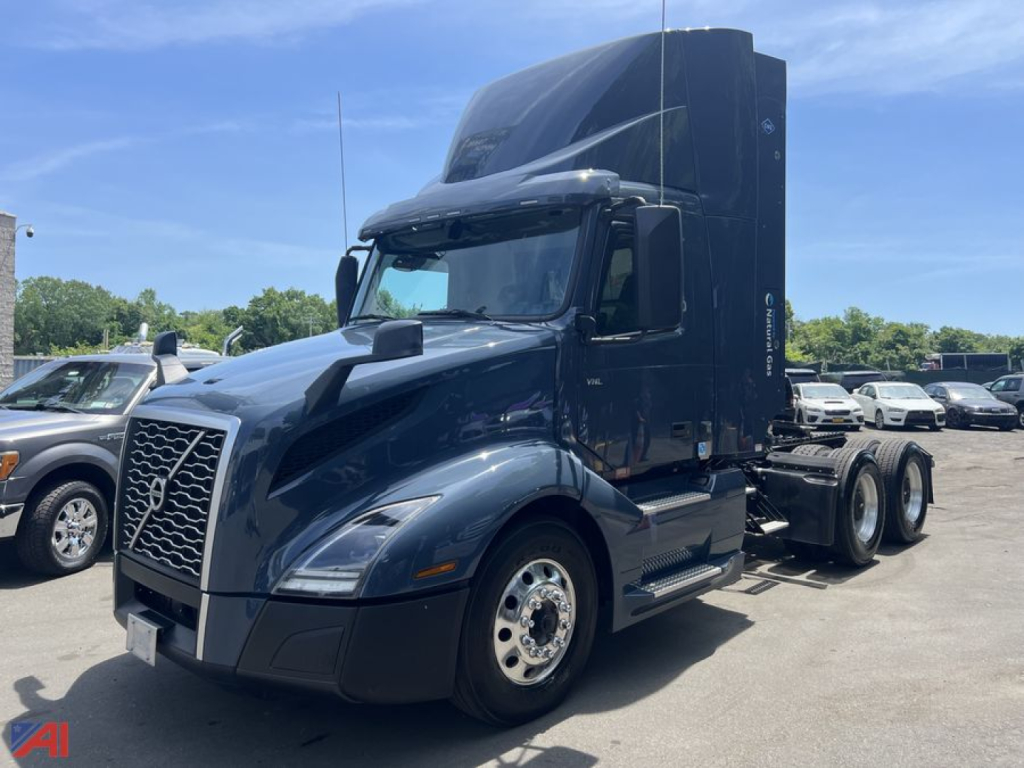
Have volvo day cab truck to sell? List it here to reach thousands of buyers.
About Volvo Day Cab Trucks in New York
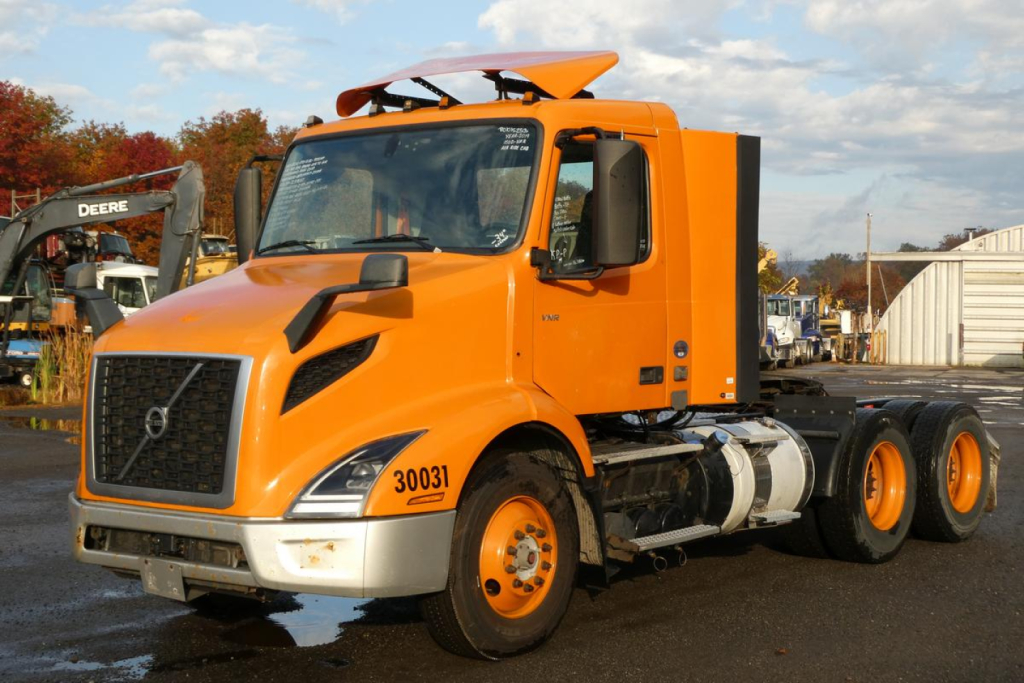
The most important spec decisions usually start with axle configuration, wheelbase, and powertrain. A Volvo day cab may be spec'd with a D11 or D13 diesel, often in the 325 to 455 horsepower range, paired with Volvo I-Shift automated manual transmissions. For local and regional use, lower rear axle ratios can support fuel economy, while heavier vocational or stop-and-go operations may need a more versatile ratio and stronger launch performance. Wheelbase matters more than many buyers expect. A shorter wheelbase helps with urban maneuvering and dock access, while a longer wheelbase may improve ride quality, fuel capacity, and frame space for specific fifth wheel settings or equipment. Front axle ratings around 12,000 pounds and rear ratings from 20,000 pounds on single axles up to 40,000 pounds on tandems are common in this category.
Cab and chassis details have a direct impact on operating cost and driver acceptance. Volvo day cabs are known for a driver-friendly cab layout, good sightlines, and electronic safety options that may include collision mitigation, lane support, and side object detection depending on the build. Suspension choices such as Volvo air ride can improve ride quality and help protect freight on rougher regional routes. Buyers should also pay attention to brake type, tire size, fuel tank capacity, and fifth wheel setup. Air disc brakes are increasingly common on newer road tractors and can improve stopping consistency and service access. Fuel capacity should match the route profile. A truck used for terminal shuttles may not need large dual tanks, while a regional tractor covering longer daily mileage can benefit from added range and fewer fuel stops.
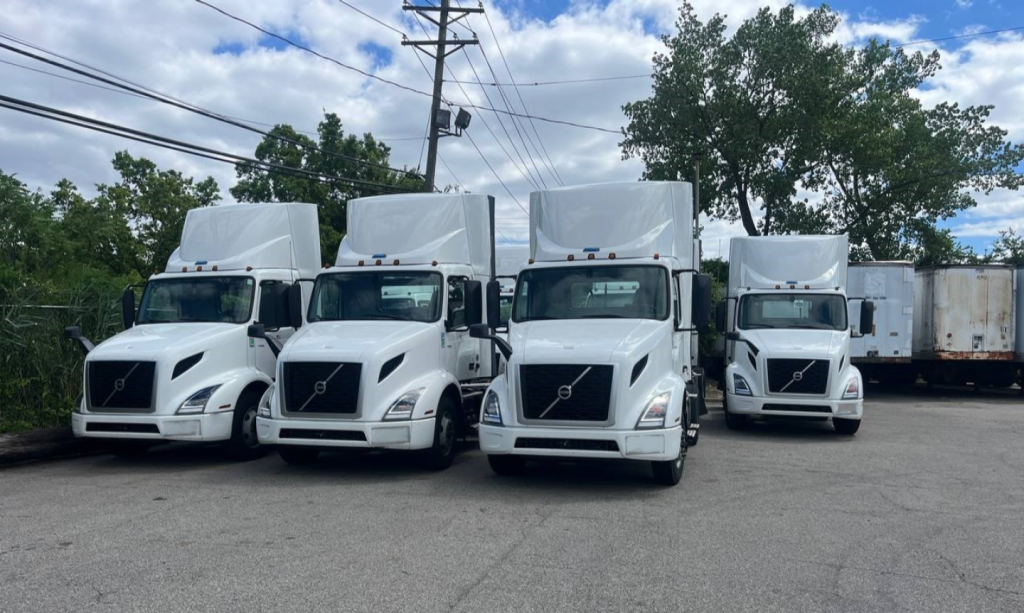
Condition matters just as much as specs on a used Volvo day cab. Review engine hours alongside mileage, confirm aftertreatment history, and look closely at transmission behavior, fault codes, suspension wear, and brake life. On Volvo models with I-Shift, smooth shifting and clean diagnostic history are important because drivability issues can affect uptime quickly. If the truck will run in dense metro traffic, check bumper, hood, fairing, and steering component condition carefully, since day cabs often see repeated tight-turn and dock-contact exposure. A well-matched Volvo day cab can be a very efficient tractor for regional freight, container drayage, LTL support, and dedicated local hauling where a sleeper would only add weight and cost.
Frequently Asked Questions
What is the best Volvo day cab model for local and regional hauling?
The Volvo VNR is one of the most common choices for local and regional day cab work because it is designed for shorter routes, tighter maneuvering, and high-frequency stop patterns. Within the VNR lineup, the right model depends on trailer weight, route density, and axle requirements. A single-axle VNR can work well for lighter freight and urban operations, while a tandem-axle version is better suited for heavier trailers, intermodal work, and applications that need higher traction and GCWR capacity.
Should I choose a single-axle or tandem-axle Volvo day cab?
A single-axle Volvo day cab is usually the better fit for lighter loads, lower operating weight, better fuel economy, and tighter city maneuvering. A tandem-axle truck is the stronger choice for heavier trailers, more demanding duty cycles, and operations that need broader compatibility across lanes and trailer types. The decision should be based on loaded trailer weights, bridge law considerations, and whether the truck will stay in local service or also handle regional highway work.
What engine and transmission are common in Volvo day cab trucks?
Many Volvo day cab trucks are equipped with Volvo D11 or D13 diesel engines and paired with the Volvo I-Shift automated manual transmission. The D13 is especially common in regional tractors, often rated around 405 to 455 horsepower depending on the application. I-Shift is widely used because it helps with fuel economy, reduces driver fatigue in traffic, and can deliver consistent shift quality when properly maintained. Buyers should still verify software updates, clutch wear, and fault history on any used automated transmission truck.
What should I inspect on a used Volvo day cab before buying?
Focus on mileage, engine hours, aftertreatment service records, transmission performance, brake condition, tire wear, suspension components, and diagnostic fault codes. On a day cab, cab exterior condition also matters because these trucks often work in tight yards, crowded docks, and metro traffic where bumpers, hoods, mirrors, and fairings take more abuse. It is also smart to confirm wheelbase, fifth wheel placement, axle ratings, and fuel capacity so the truck actually matches the trailers and routes it will handle.
Are Volvo day cab trucks good for New York operations?
Volvo day cab trucks are a strong fit for New York operations because they are well suited for regional freight, urban delivery networks, port drayage, and distribution work where a sleeper is unnecessary. Their maneuverability, cab visibility, and highway efficiency make them practical for a mix of city traffic and short interstate runs. Buyers in New York should pay close attention to axle configuration, turning radius, emissions compliance, and any safety technology that can help in dense traffic and tight loading areas.