
Used Freightliner Day Cab Trucks For Sale in Alabama
Browse used Freightliner day cab trucks in Alabama, including Cascadia models built for regional haul, port work, local delivery, and fleet duty.
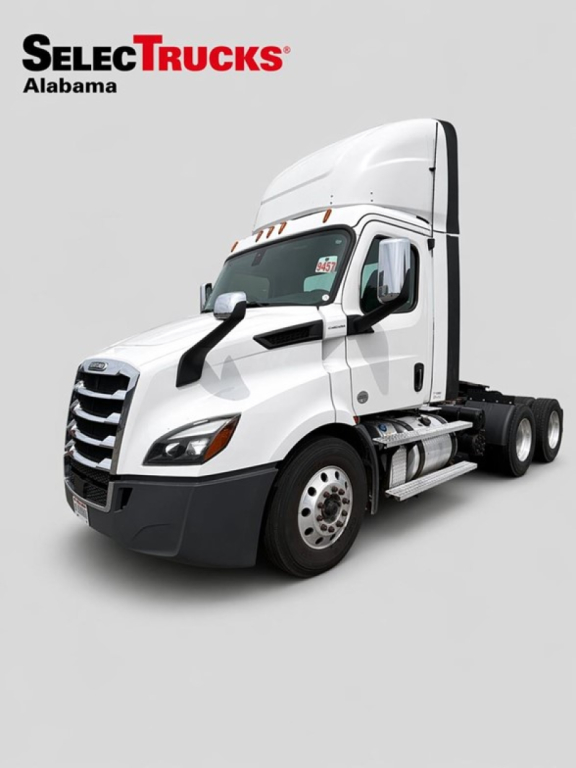
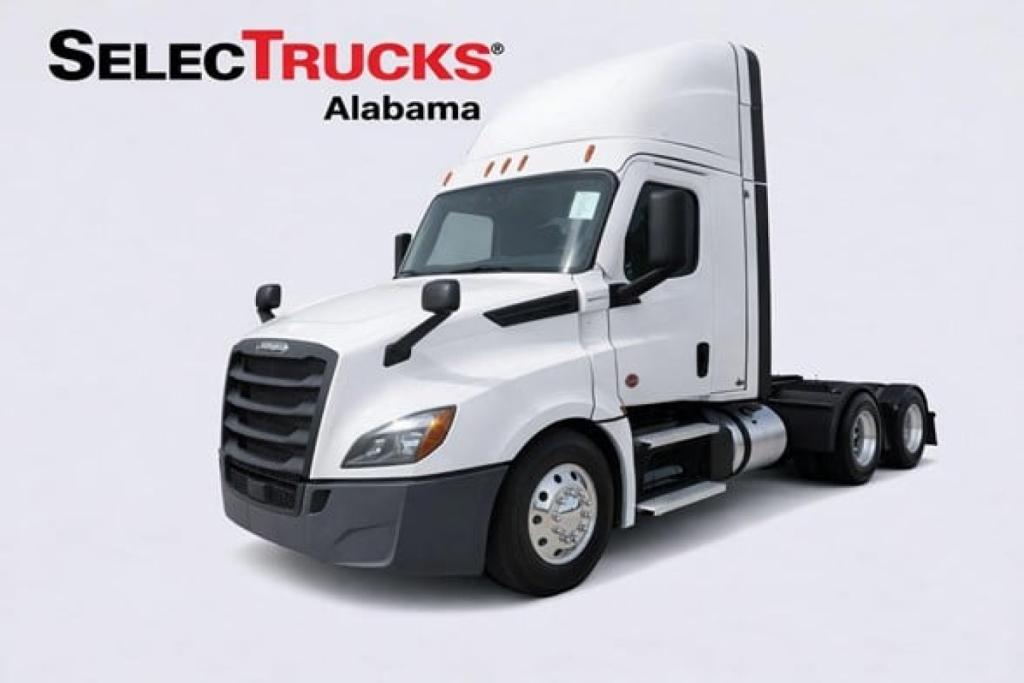
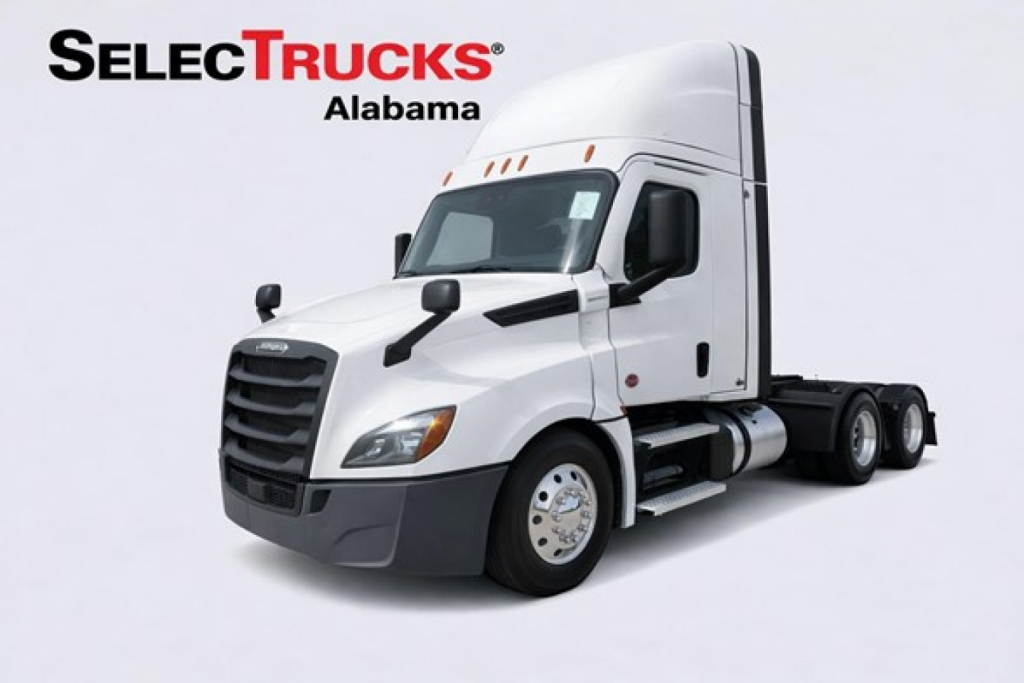
Have used freightliner day cab truck to sell? List it here to reach thousands of buyers.
Used Freightliner Day Cab Trucks in Alabama
The spec decisions matter more than the badge. Many used Freightliner day cabs are equipped with Detroit DD13 engines in the 400 to 450 HP range, often paired with Detroit DT12 automated transmissions. That combination is common because it balances fuel economy, driver friendliness, and serviceability across large fleet networks. Rear axle ratios like 2.41 or 3.08 tell you a lot about the truck's intended job. A taller ratio can favor fuel-efficient highway running, while a shorter ratio may be better for heavier starts, tighter routes, or more stop-and-go work. Wheelbase, fifth wheel type, and suspension setup should match the trailer mix and turning environment. An air slide fifth wheel adds flexibility if trailer kingpin settings vary across the fleet.
Freightliner day cabs are popular in the used market because parts availability is strong, dealer support is broad, and the Cascadia platform is well known for driver comfort and aerodynamic efficiency. Buyers comparing used units should look closely at mileage, idle hours, maintenance records, aftertreatment history, tire condition, brake wear, and any signs of frame or suspension repairs. On automated transmission trucks, it is smart to confirm clutch and calibration history. On regional and drayage units, inspect the fifth wheel, airlines, electrical connections, and cab interior for wear that reflects frequent hook-and-drop service. Fleet-maintained trucks can be a good value if service intervals were consistent and the truck was spec'd for the work you plan to run.
For Alabama buyers, the right used Freightliner day cab often comes down to lane length, payload, and how much time the truck will spend on interstates versus urban routes. A Cascadia day cab with a fuel-efficient drivetrain can make sense for Birmingham, Montgomery, Mobile, and I-65 or I-20 corridor freight, while a more versatile axle ratio and sliding fifth wheel may be better for mixed trailer operations or port-related work. Focus on application first, then compare engine rating, transmission, wheelbase, axle ratio, and maintenance background. That approach usually leads to a truck that fits the job instead of a truck that only looks good on paper.
Frequently Asked Questions about Used Freightliner Day Cab Trucks in Alabama
What is the main advantage of a Freightliner day cab compared with a sleeper tractor?
A Freightliner day cab removes the sleeper compartment, which typically reduces weight, shortens overall tractor length, and improves maneuverability. That makes it a practical choice for regional haul, local delivery, drayage, and terminal work where the driver is not staying overnight in the truck. The shorter configuration can also help in tighter yards and urban delivery points while still providing the power and axle capacity of a Class 8 highway tractor.
Which used Freightliner day cab models are most common?
The most common used Freightliner day cab models are usually from the Cascadia family, especially the Cascadia 116 and Cascadia 126. These trucks are widely used in fleets, so they are common in the secondary market and are available in a range of horsepower ratings, wheelbases, axle ratios, and fifth wheel setups. That gives buyers a broad selection for dedicated regional lanes, distribution, drayage, and general freight applications.
What should I check on a used Freightliner Cascadia day cab before buying?
Pay close attention to maintenance records, engine and aftertreatment service history, transmission operation, suspension condition, brake and tire wear, and any evidence of collision or frame repair. On trucks with Detroit DT12 automated transmissions, verify that software updates, calibrations, and clutch-related service were handled properly. Also inspect the fifth wheel, frame rails, driveline, steering components, and signs of excessive idle time or hard vocational use. A truck with consistent fleet maintenance can be a better long-term value than one with lower price but poor service documentation.
Is a Detroit DD13 a good engine for a used Freightliner day cab?
The Detroit DD13 is a common and well-regarded engine in Freightliner day cabs because it offers a good balance of horsepower, fuel economy, and reliability for regional and highway service. In many used day cab specs, it appears around 450 HP and pairs well with the DT12 automated transmission. It is especially attractive to buyers who want a mainstream powertrain with strong parts support and widespread technician familiarity.
How do wheelbase and rear axle ratio affect a day cab's performance?
Wheelbase affects maneuverability, trailer swing clearance, ride quality, and how the truck fits a specific trailer setup. A shorter wheelbase can help in city and yard conditions, while a longer wheelbase may provide better ride and stability for highway use. Rear axle ratio changes how the truck balances launch performance and cruising efficiency. Ratios such as 2.41 are often selected for lower engine RPM and better highway fuel economy, while ratios like 3.08 can provide stronger pulling characteristics for heavier loads or more frequent stop-and-go duty.