
Used Crane Trucks For Sale
No exact matches found for your search
Showing Crane Trucks instead.

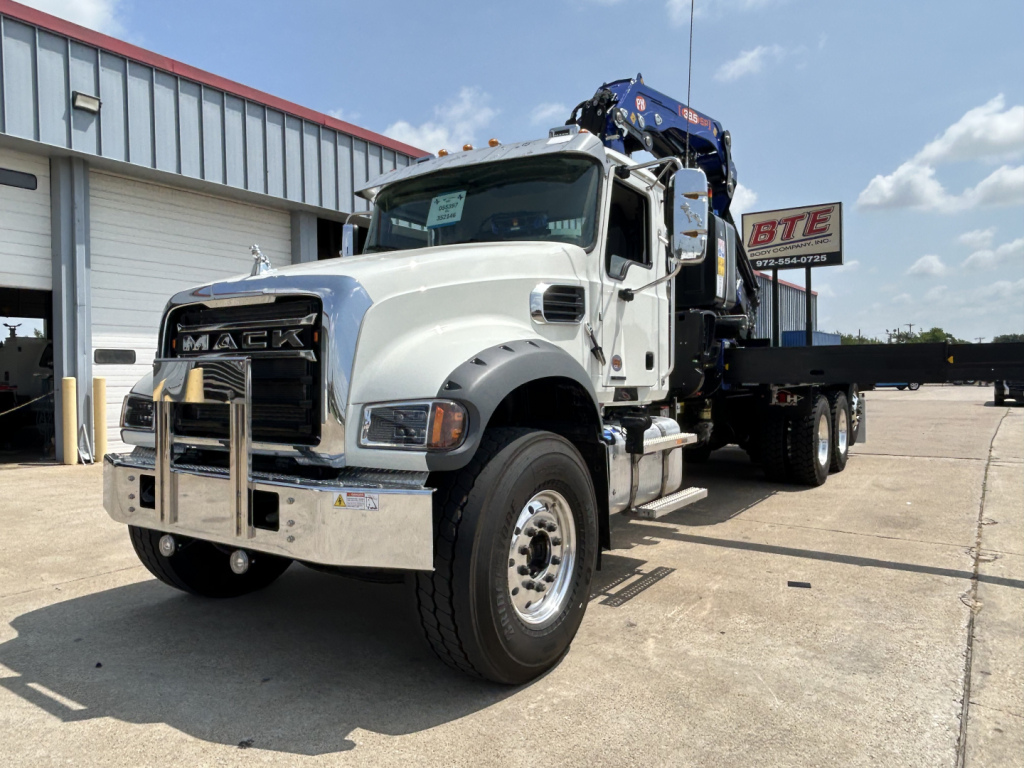
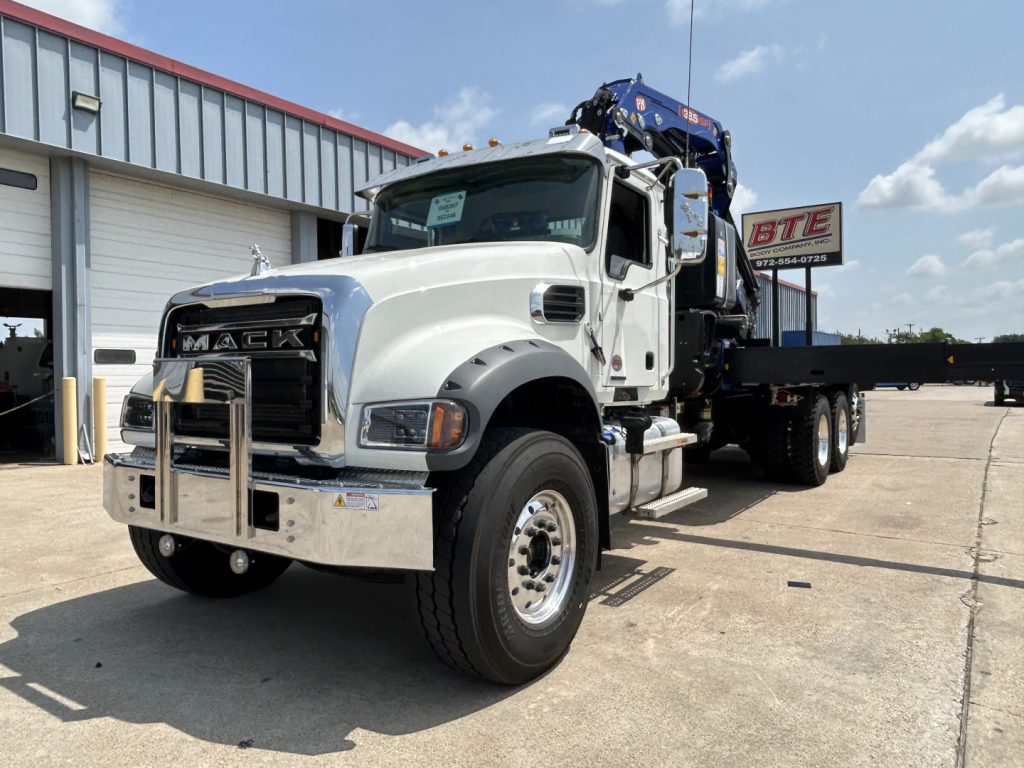
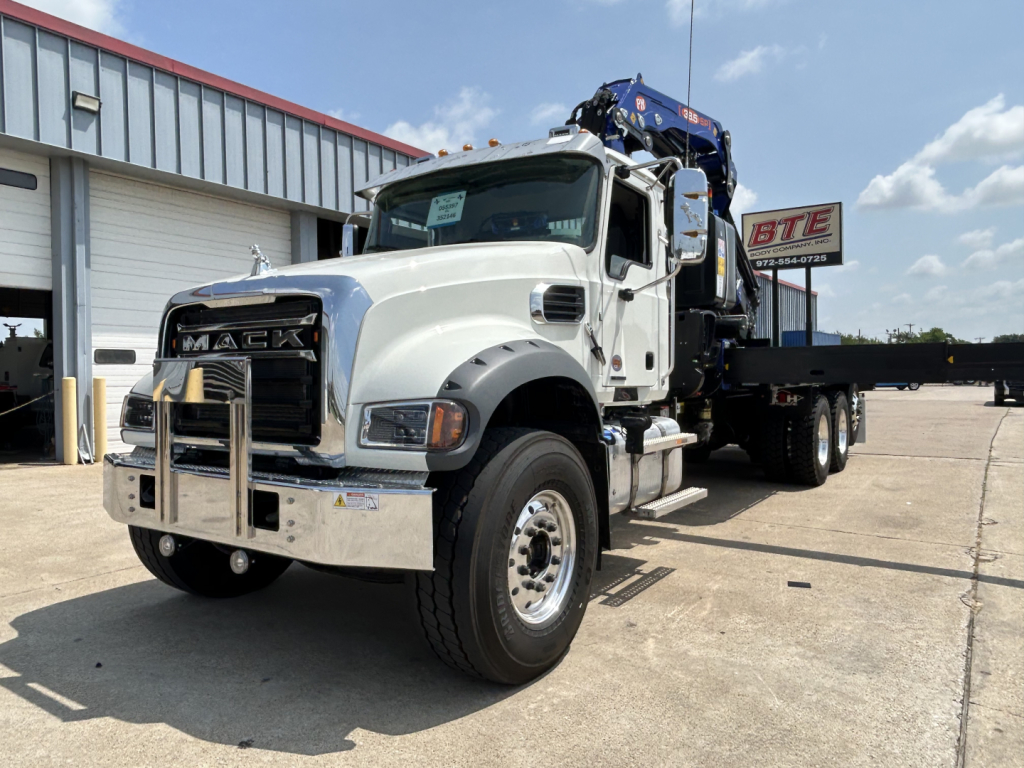
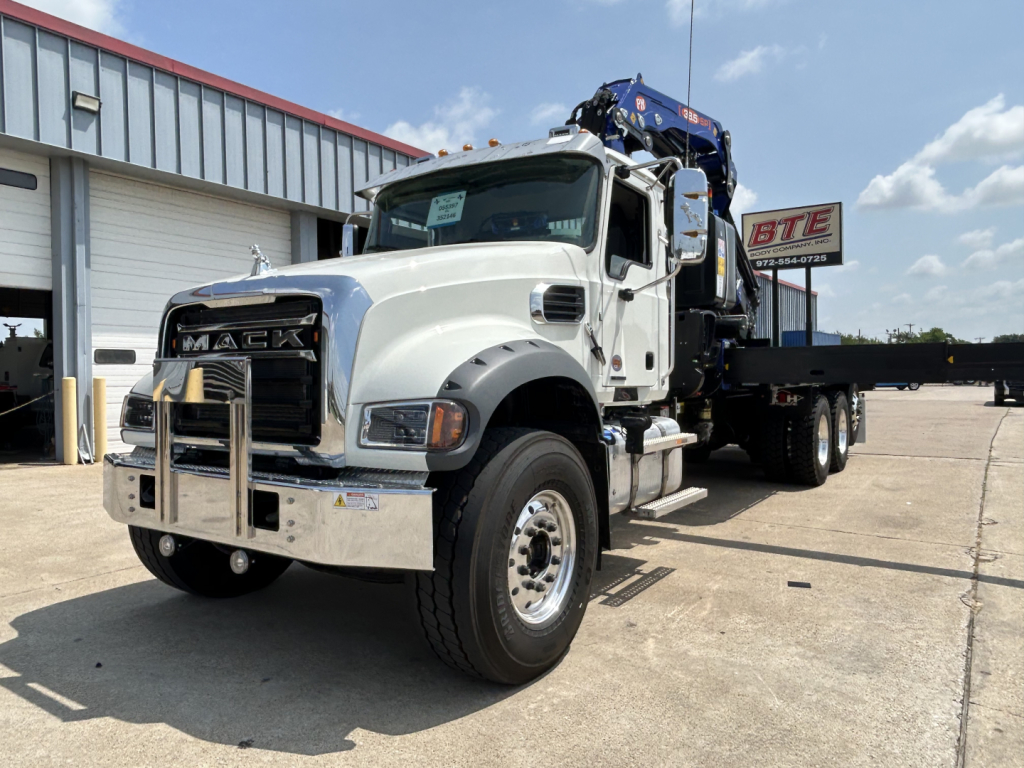
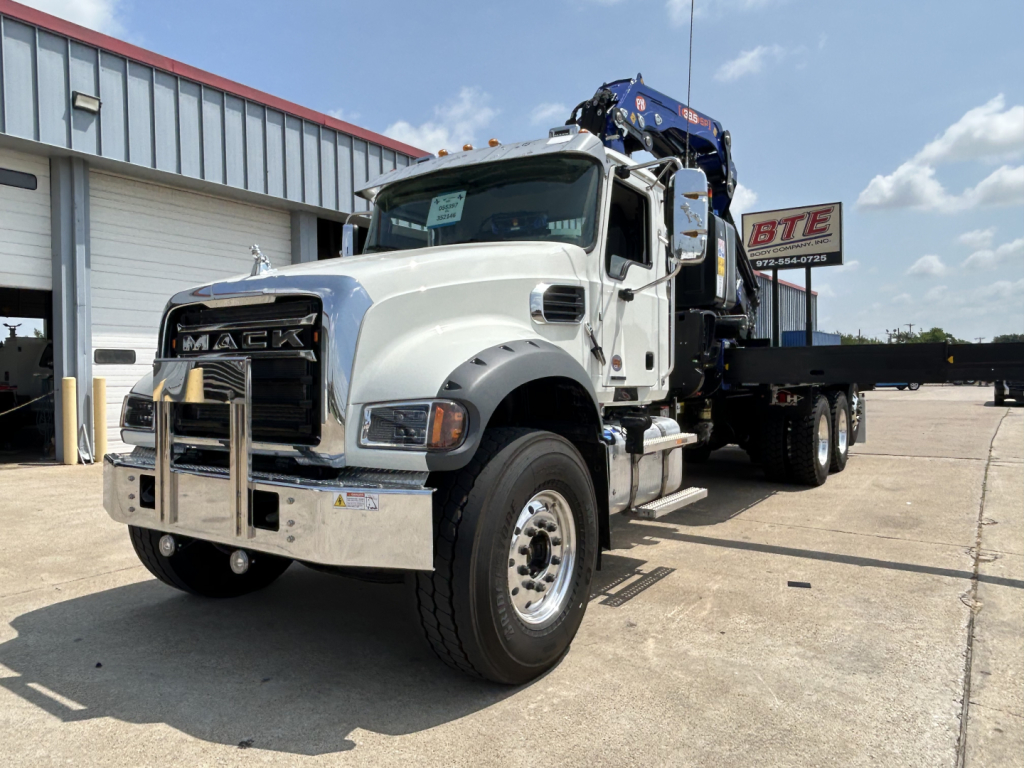
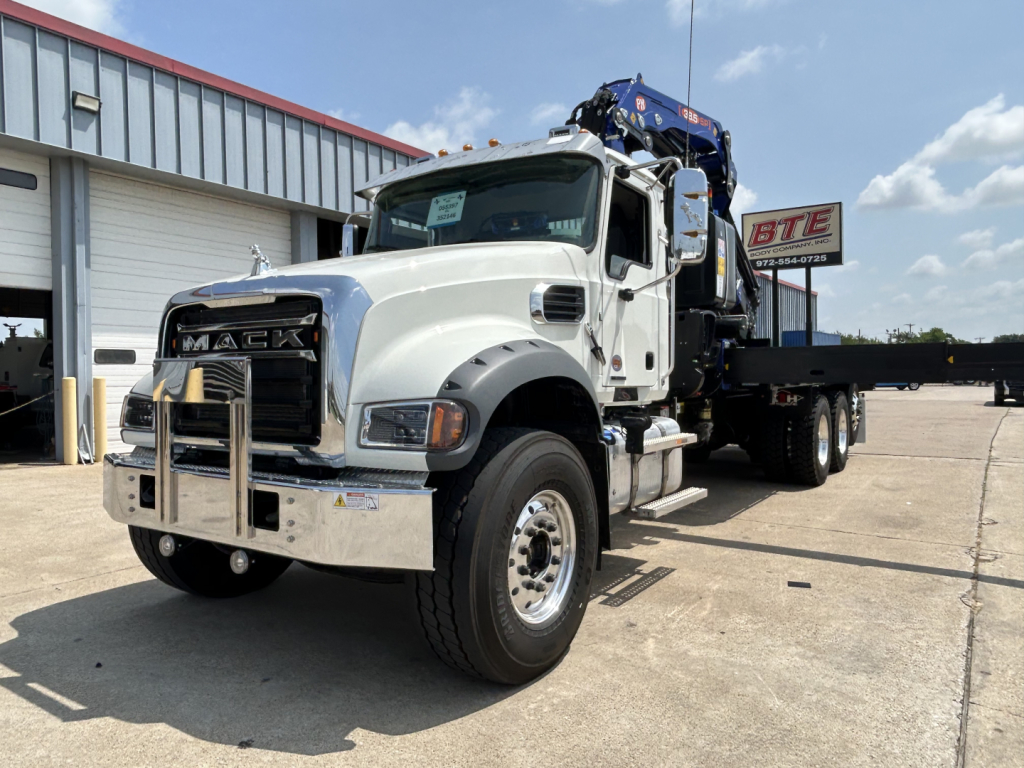
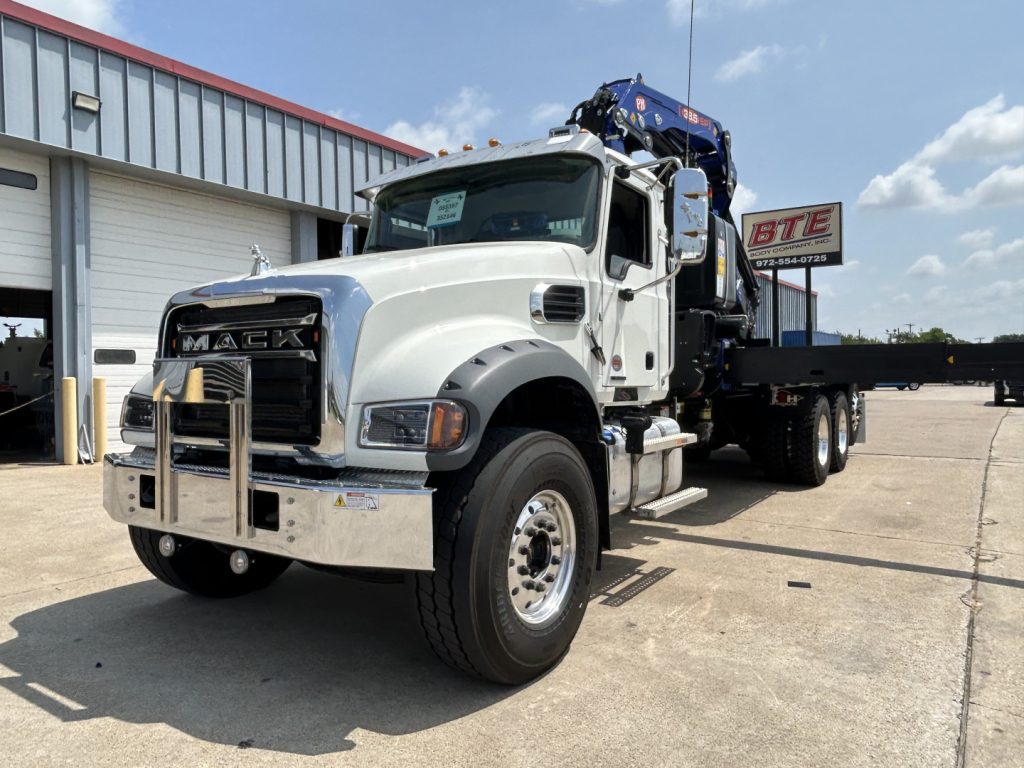
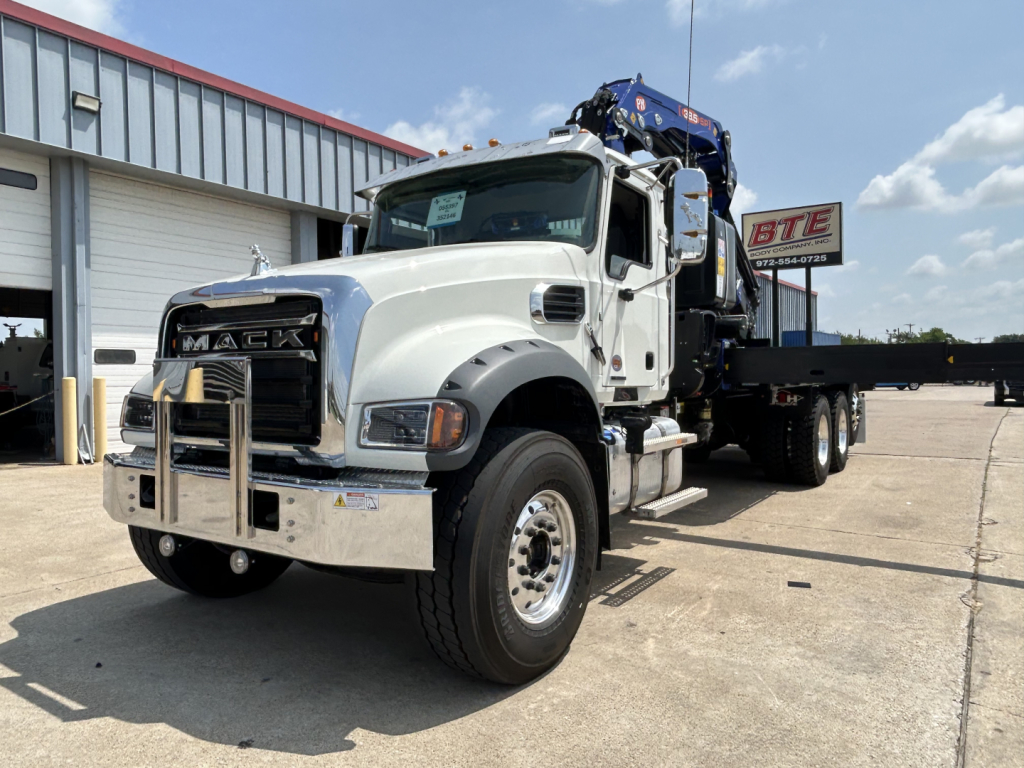
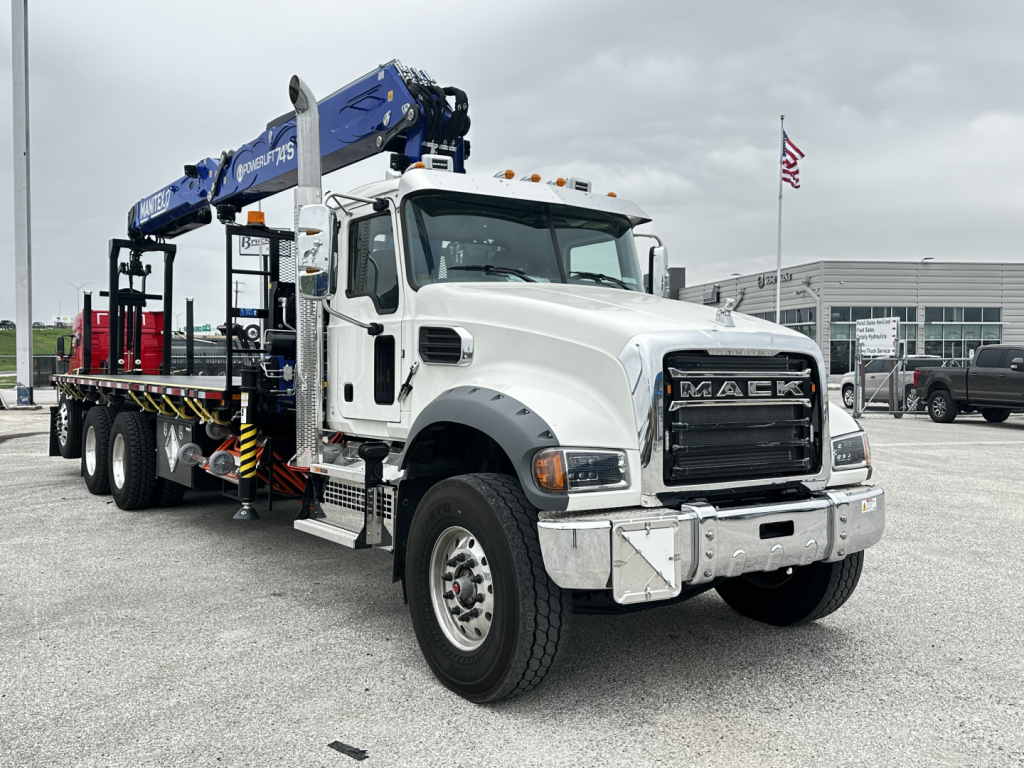
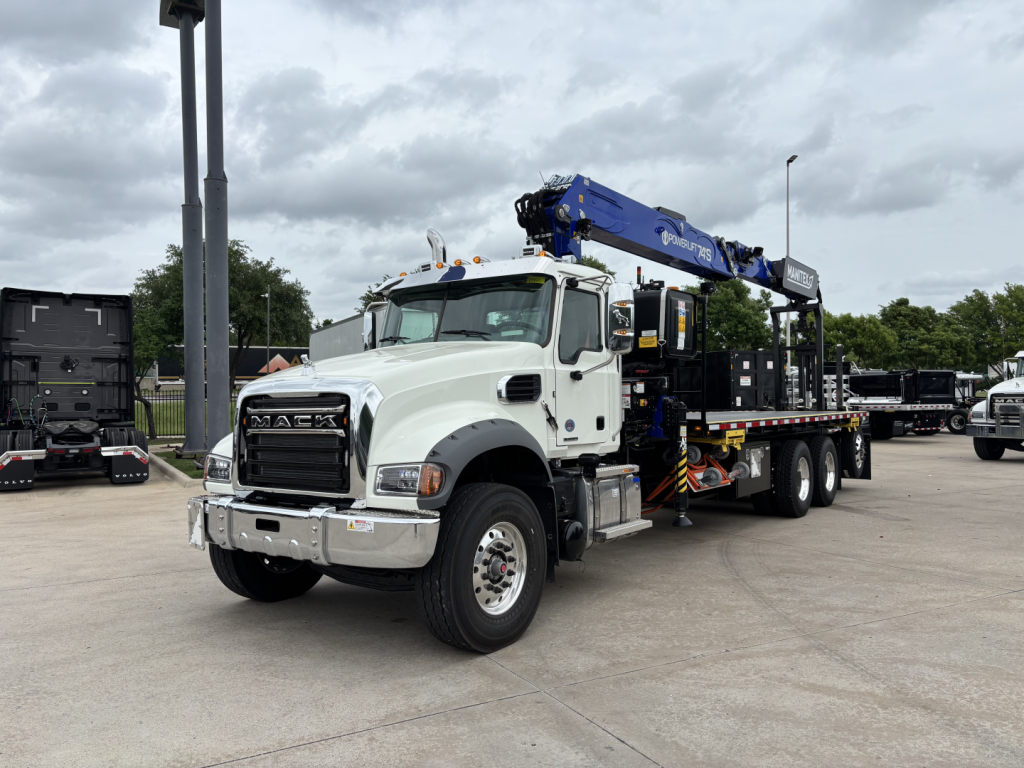
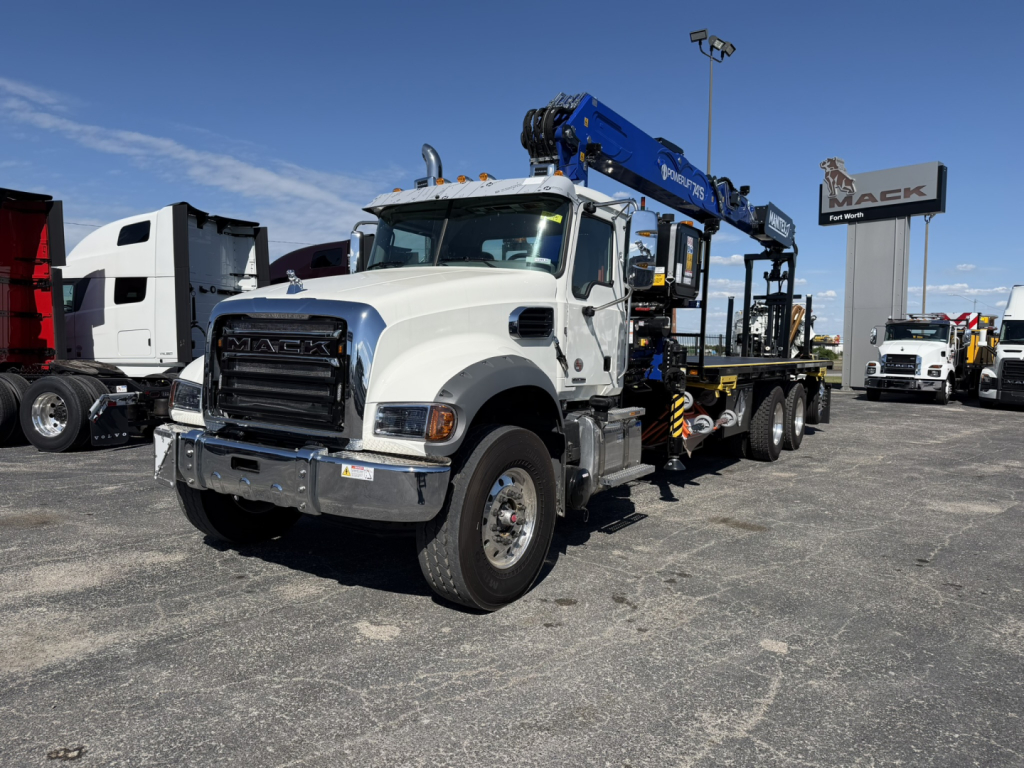
Showing 13 to 24 of 24 results
Have used crane truck to sell? List it here to reach thousands of buyers.
Used Crane Trucks
Chassis and body spec are just as important as the crane itself. Common platforms include medium-duty and severe-duty truck chassis from manufacturers such as Freightliner, Kenworth, Peterbilt, International, Ford, and Mack. Buyers should look closely at GVWR, axle ratings, suspension, frame reinforcement, PTO setup, and transmission spec, especially on units expected to carry material, outriggers, compressors, welders, or utility equipment. Outrigger design, rear stabilizer spread, and body layout all affect real-world stability and jobsite usability. On service crane trucks, storage, reel placement, compressor integration, and bed length can matter as much as lifting performance.
Used crane trucks are often found in fleets serving construction, oilfield support, electrical contractors, municipal departments, tree care, and telecom work. Some units are configured as boom trucks with a material-handling crane and flatbed. Others are utility or mechanics trucks with a smaller hydraulic crane for loading parts, generators, pipe, transformers, or jobsite tools. Buyers comparing used equipment should inspect boom structure, rotation bearing condition, hydraulic leaks, outrigger function, winch condition, control stations, and any signs of prior overload or structural repair. On utility-style units, basket or platform rating, working height, and dielectric history may also be part of the evaluation depending on the application.
Documentation is especially important on this category. A strong used crane truck should have service records for both the chassis and the crane, along with annual inspections, load test history when applicable, and clear information on engine hours, PTO operation, and any major hydraulic or structural repairs. Buyers should also confirm licensing, operator training requirements, and roadability issues such as bridge law, axle spread, and overall height. A well-matched used crane truck can replace separate lifting and service equipment, reduce support vehicle count, and improve jobsite efficiency when the chassis, crane, and body are spec'd as one system.
Frequently Asked Questions about Used Crane Trucks
What should I check first when buying a used crane truck?
Start with the crane’s load chart, rated capacity at working radius, and boom length, then verify that the chassis can legally and safely support that crane and body combination. After that, inspect outriggers, hydraulic system condition, rotation bearing wear, winch operation, PTO engagement, and any evidence of boom damage or structural repair. Service records and inspection history are especially valuable because crane trucks combine commercial vehicle wear with lifting equipment wear.
What is the difference between a crane truck, boom truck, and mechanics truck?
The terms overlap, but they usually describe different job roles. A boom truck typically refers to a truck-mounted crane used for material lifting, often mounted on a flatbed. A mechanics truck usually has a service body with compartments and a smaller hydraulic crane for loading tools, parts, and components in field service work. Crane truck is the broader category that can include boom trucks, utility crane trucks, and service trucks with cranes.
How do I know if a used crane truck has enough lifting capacity?
Do not buy by maximum ton rating alone. Crane capacity changes dramatically with boom extension and working radius, so the correct way to evaluate a truck is to compare your typical loads and lift distances against the crane’s load chart. Consider the weight of rigging, headache ball, hook block, platform attachments, and any body or payload carried on the truck, because all of those factors affect usable lifting performance and stability.
Are engine hours important on a used crane truck?
Yes. Engine hours can be just as important as mileage, especially on utility, municipal, and service applications where the truck spends long periods idling or operating PTO-driven hydraulic equipment. High hours may indicate significant wear on the engine, PTO, and hydraulic system even if road miles are moderate. Buyers should compare hours, mileage, maintenance records, and the condition of the crane controls and hydraulic components to get a more accurate picture of total use.
What inspections matter most on a used crane truck?
The most important inspections are structural and functional. Check the boom sections, weld areas, pedestal, subframe, outriggers, and frame reinforcement for cracks, repairs, or distortion. Confirm smooth crane operation, stable outrigger deployment, proper winch and cable condition, and clean hydraulic function under load. For road use, inspect axle ratings, brakes, suspension, tires, and steering. If the truck is used in regulated lifting applications, annual crane inspection records and any load test documentation are highly relevant.