
Crane Trucks For Sale in Texas
Browse crane trucks for sale in Texas. Compare boom type, lifting capacity, reach, axle setup, PTO, and body specs for utility and lifting work.
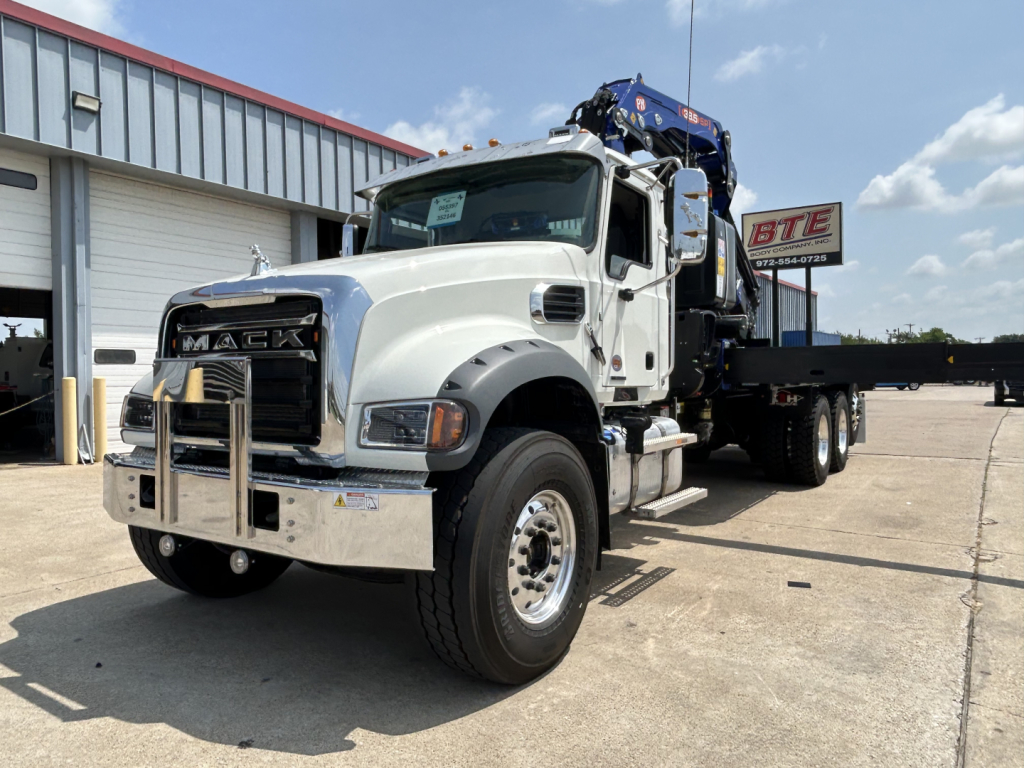
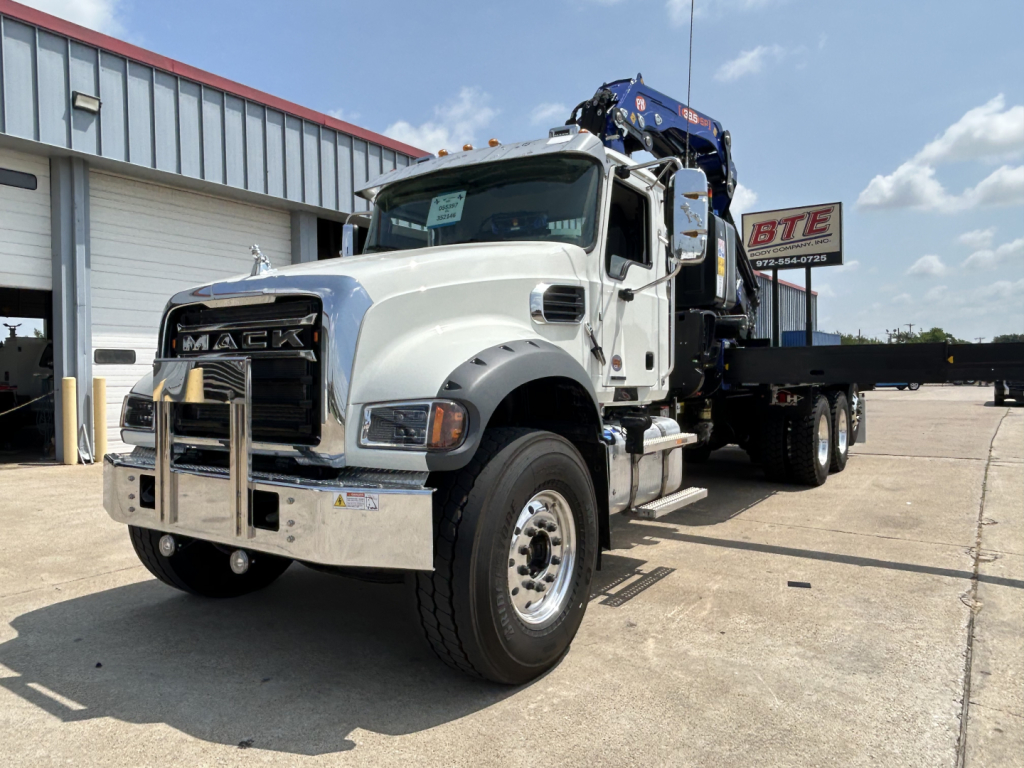
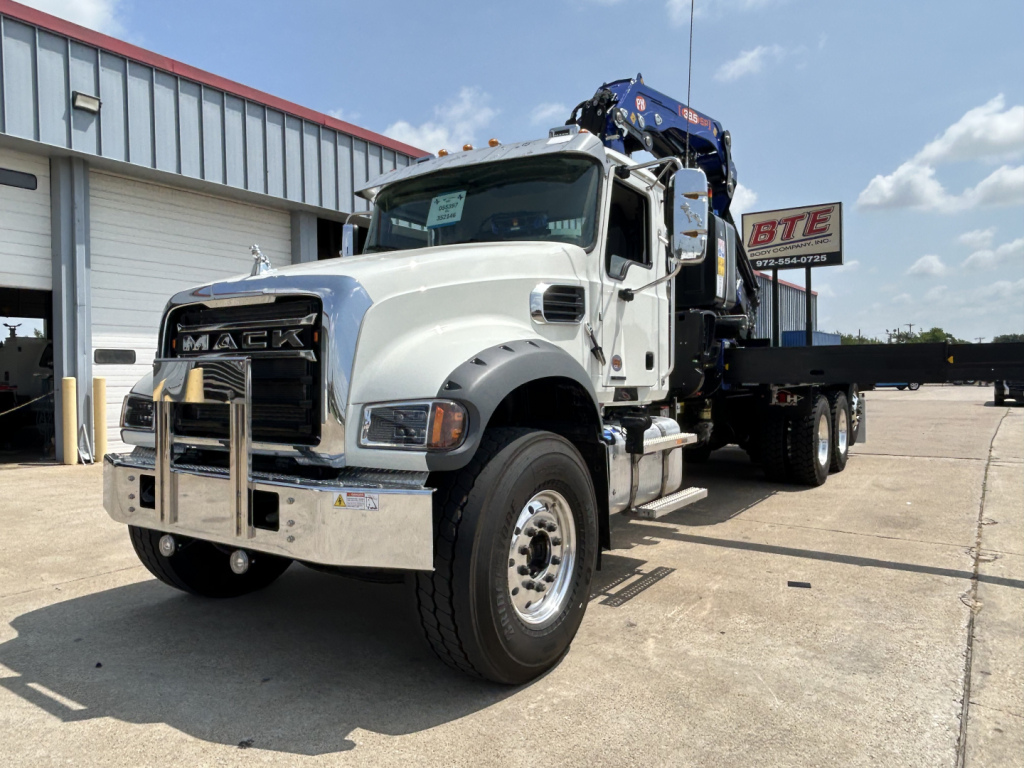
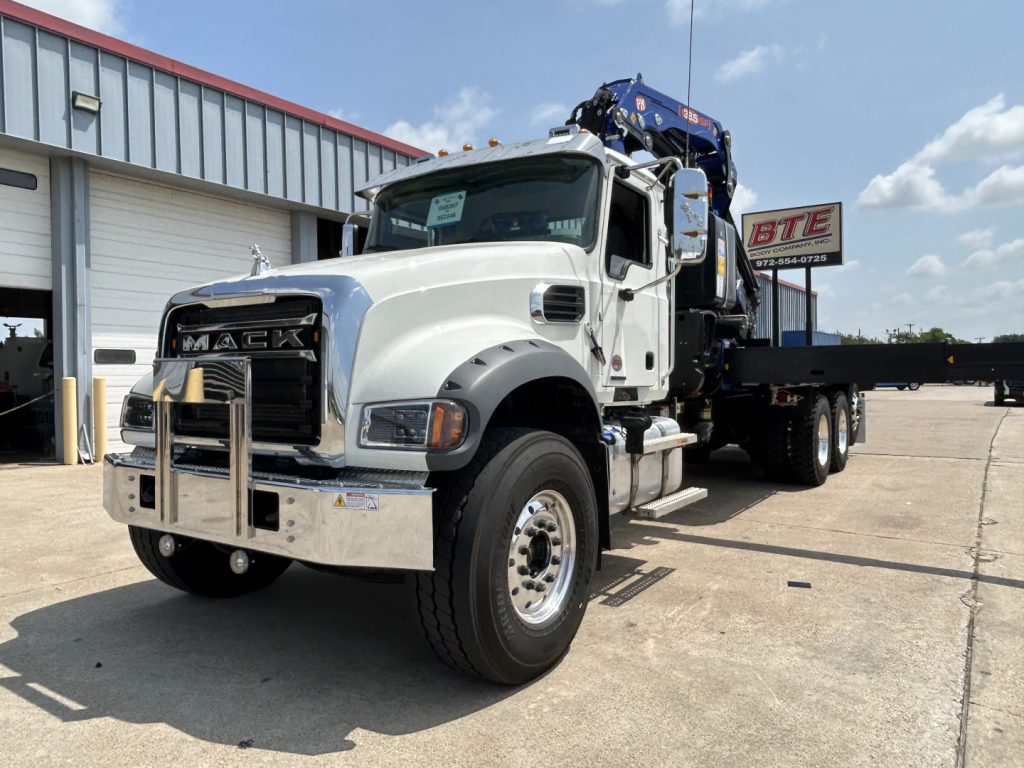
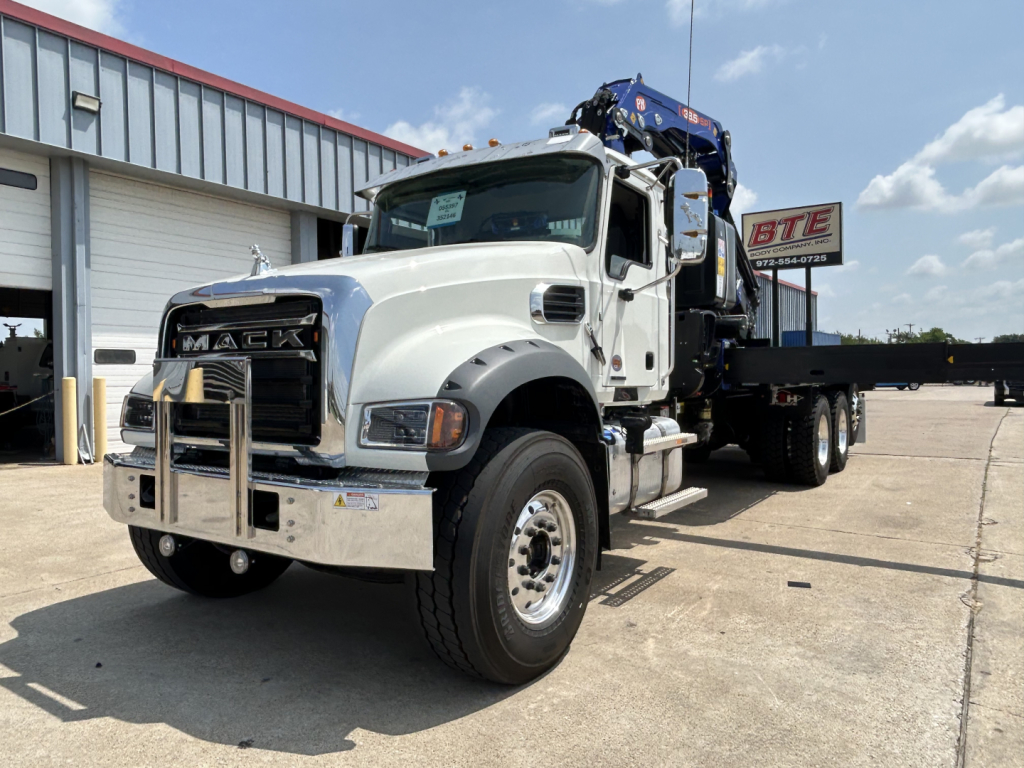
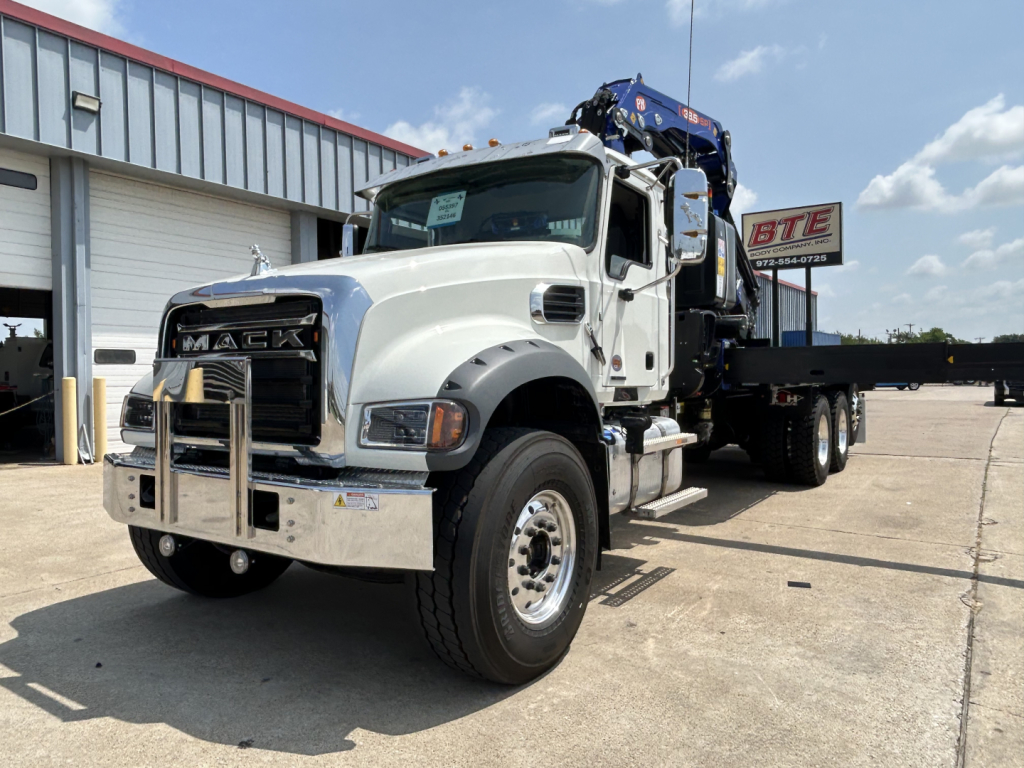
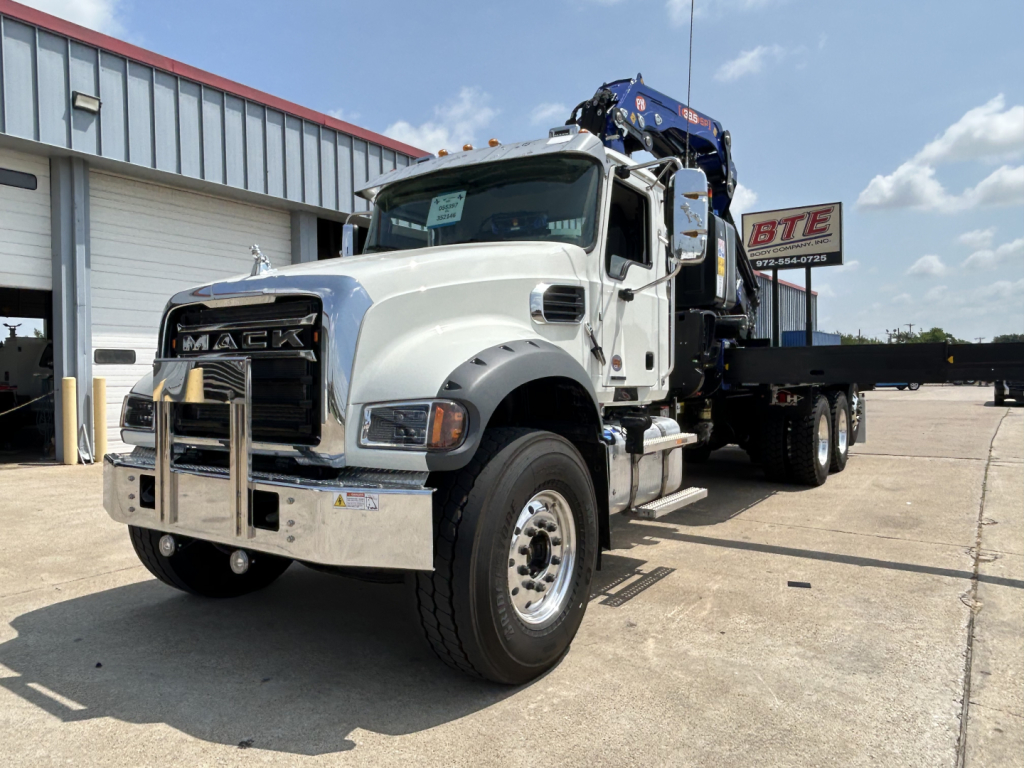
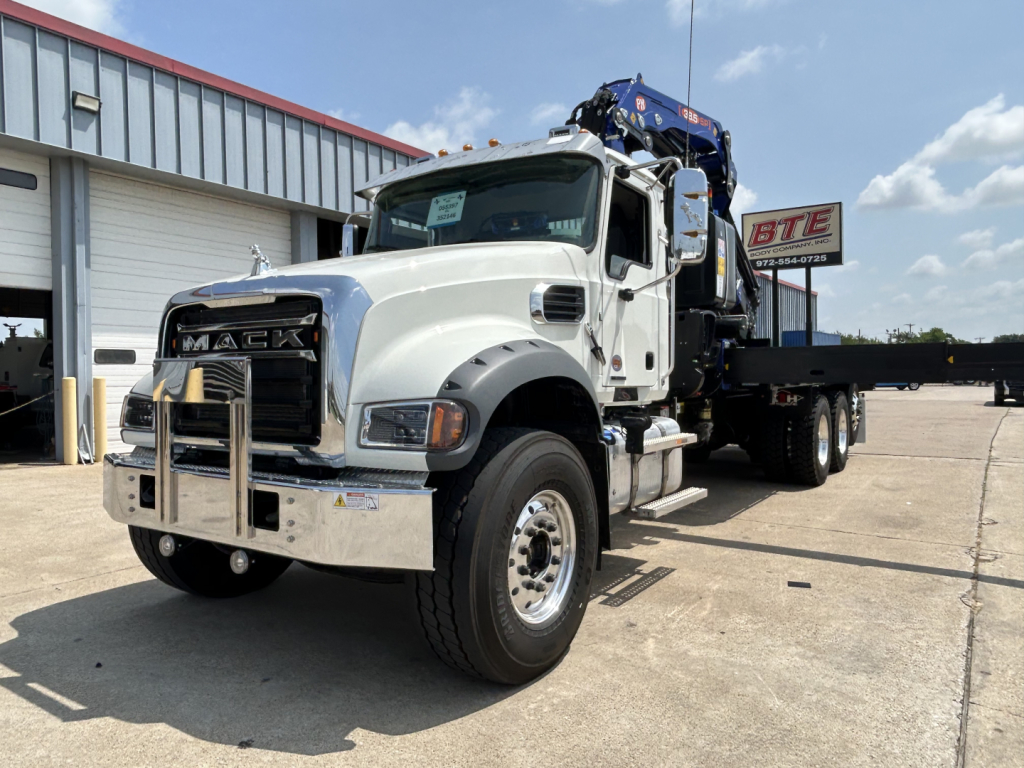
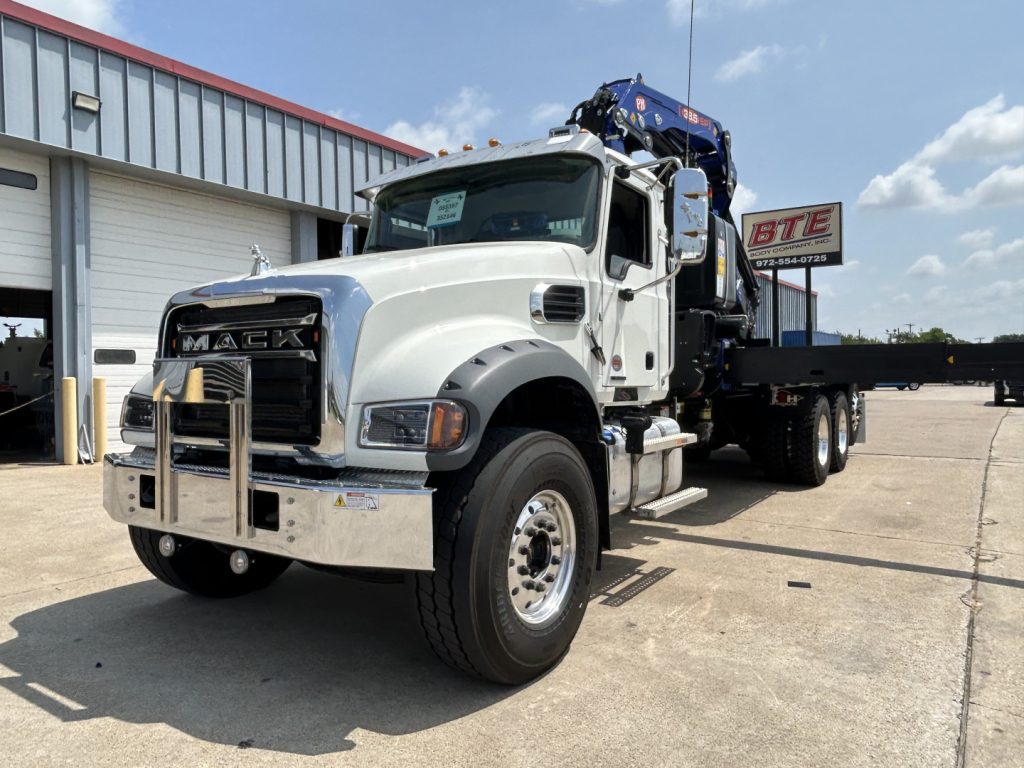
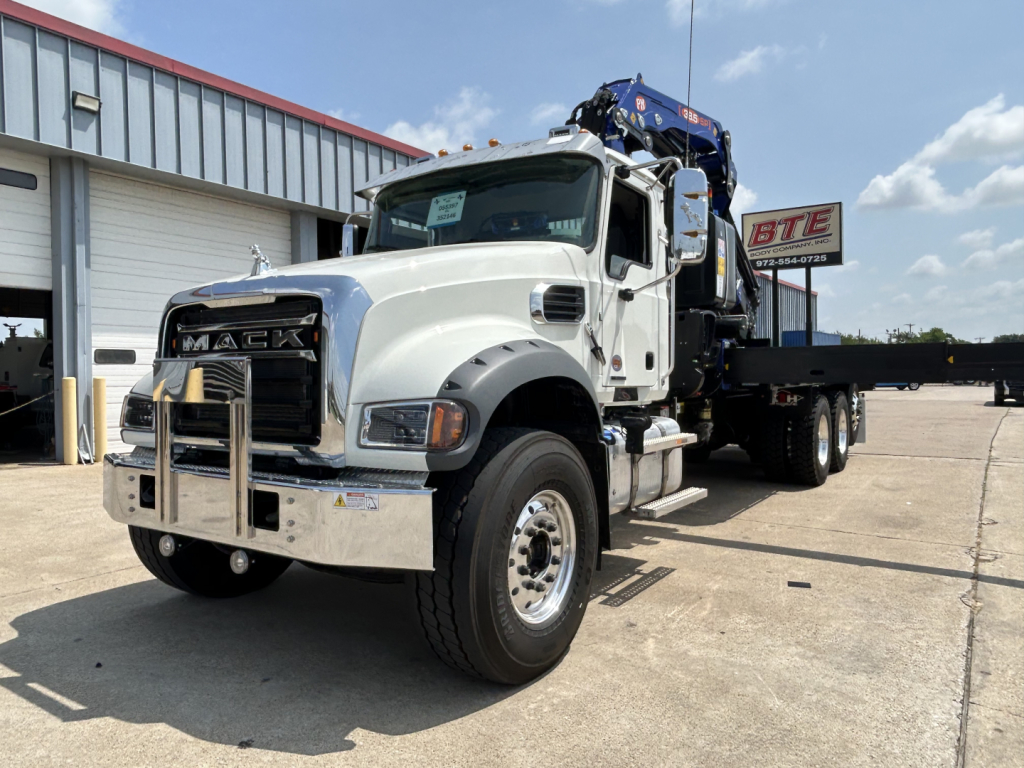
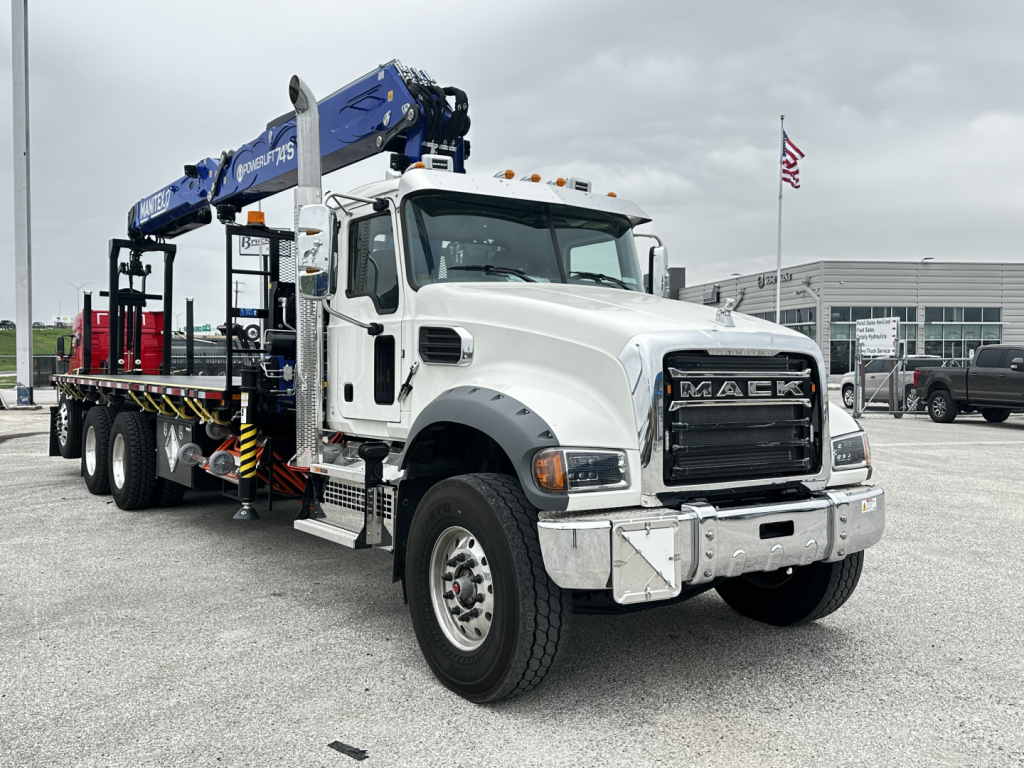
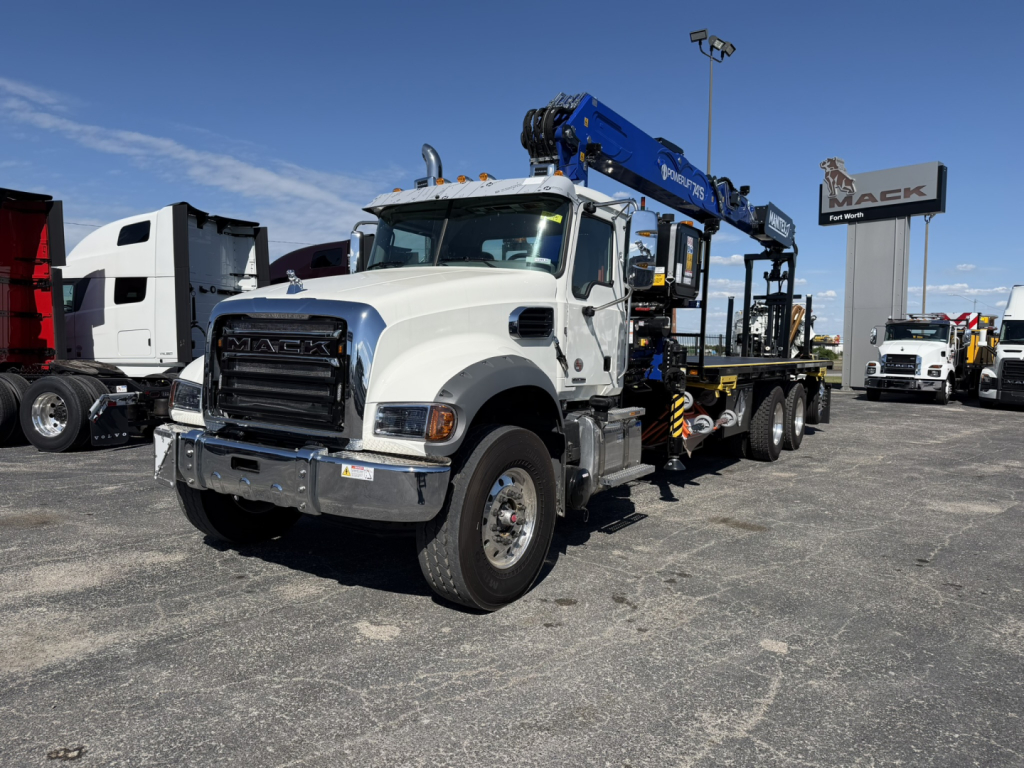

Selling a crane truck? List your crane truck for sale and reach thousands of commercial buyers.
Crane Trucks in Texas
The chassis matters as much as the crane. Many crane trucks are built on Class 7 or Class 8 platforms with tandem or tri-axle configurations to handle the body, crane, payload, and axle weight distribution. Buyers should look closely at GVWR, front axle capacity, frame reinforcement, suspension type, and PTO setup, especially when the crane will be used frequently under load. Transmission choice, wheelbase, and cab configuration also affect body space and turning radius. On used units, pay attention to hydraulic system condition, boom wear pads, outrigger controls, rotation function, and any signs of structural repair around the subframe or crane mount.
Texas operators often need a crane truck that can work both on the road and on rough, uneven jobsites. That makes outriggers, traction, and overall stability key buying points. A shorter wheelbase can help in urban utility and service work, while a longer frame may be better for hauling pipe, transformers, generators, or bundled materials. Some units are set up for CDL-required operation, while others are spec'd to stay under certain licensing or bridge limits, so total operating weight and intended payload should be reviewed before purchase. If the truck will be used for oilfield or municipal work, corrosion protection, hydraulic reliability in high-heat conditions, and ease of service can matter just as much as rated capacity.
A good crane truck spec is built around the lift chart, not just the advertised maximum rating. The important question is how much the crane can safely lift at the radius you actually use. Buyers comparing crane trucks for sale should also confirm body length, deck space, tie-down options, winch configuration, remote controls, and any safety equipment such as load moment indicators or overload protection. When the truck is matched correctly to the work, a crane truck can reduce the need for separate hauling and lifting equipment, improve jobsite efficiency, and give an operator a more versatile revenue-producing asset.
Frequently Asked Questions about Crane Trucks in Texas
What is the difference between a crane truck and a boom truck?
The terms are often used interchangeably, but they can describe slightly different setups. A crane truck is a broad category that includes truck-mounted lifting equipment on a commercial chassis, including telescopic and articulating cranes. A boom truck usually refers to a truck with a hydraulic telescopic crane and rotating boom mounted behind the cab or on the rear of the chassis. The key buying point is not the label but the crane type, lift chart, body design, and how the truck will be used in the field.
What should I check first when buying a crane truck?
Start with the crane's lift chart, rated capacity at working radius, and the truck's axle and GVWR limits. A crane truck can look capable on paper but still be poorly matched to the actual load and reach requirements of the job. After that, review outrigger design, hydraulic system condition, PTO operation, body length, frame reinforcement, and any inspection or certification records. On a used truck, service history and signs of stress around the crane mount are especially important.
Are crane trucks good for Texas oilfield and utility work?
Yes, crane trucks are commonly used in Texas for oilfield support, utility line work, construction supply delivery, equipment placement, and municipal maintenance. The right spec depends on terrain, load type, and travel distance. Oilfield applications may call for heavier chassis, stronger suspensions, and durable hydraulic systems, while utility and city work may benefit from a tighter wheelbase and easier maneuverability. Stability, heat tolerance, and service access are all important in Texas operating conditions.
Do I need a CDL to operate a crane truck?
That depends on the truck's GVWR, GCWR, configuration, and the regulations that apply to the operation. Many crane trucks are heavy enough to require a CDL, especially on Class 8 chassis. Separate licensing, endorsements, medical certification, or crane operator qualification requirements may also apply depending on the crane type and the work being performed. Buyers should verify federal, Texas, and local requirements before putting a truck into service.
How do I choose between a telescopic boom and a knuckle boom crane truck?
A telescopic boom crane is often preferred for straightforward lifts requiring vertical height and longer straight-line reach. A knuckle boom, also called an articulating crane, is typically better for placing loads in tighter spaces, lifting over obstacles, and loading materials with more precise positioning. The best choice depends on your common load weight, lift radius, site access, and how much deck space and cargo handling flexibility you need from the truck.